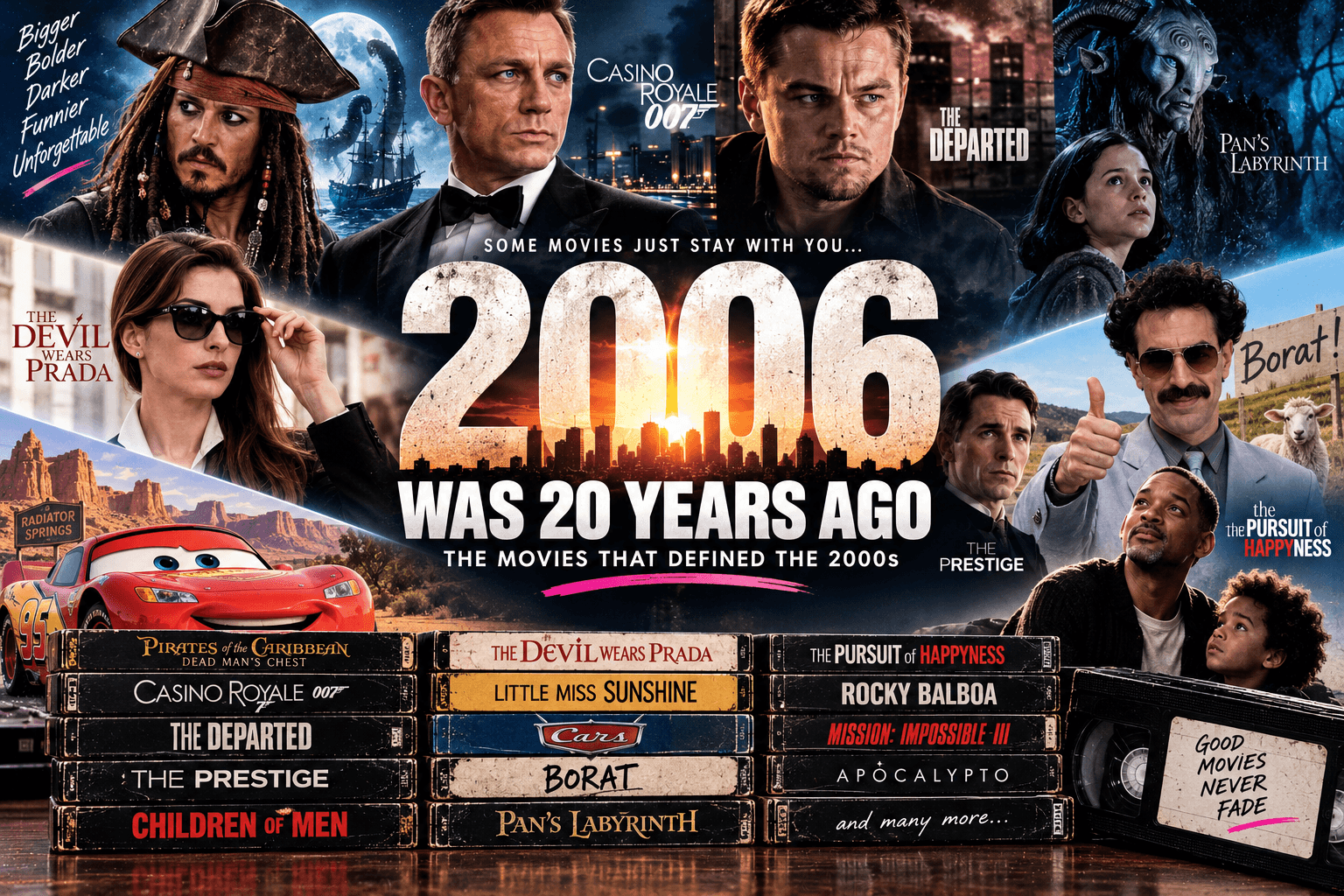
2006 Was 20 Years Ago — The Movies That Defined the 2000s
Casino Royale. The Departed. The Prestige. Pirates of the Caribbean. The Devil Wears Prada. Twenty years later, 2006 looks like one of the defining movie years of the 2000s.
TWENTY YEARS
Where did the time go
That’s how long it’s been since Daniel Craig first ordered a vodka martini as James Bond, Martin Scorsese sent Leonardo DiCaprio undercover in Boston, and Johnny Depp’s Captain Jack Sparrow faced Davy Jones.
Somehow, 2006 is now twenty years ago.
And if that doesn’t make you feel old, consider how far we’ve already come.
1986 gave us Top Gun, Aliens and Ferris Bueller’s Day Off.
Ten years later, 1996 brought Independence Day, Scream, Twister and Mission: Impossible.
Then came 2006.
By now, DVDs had replaced VHS in most homes. CGI had transformed what filmmakers could put on screen. Franchises were becoming increasingly important, while audiences still turned up for dramas, comedies, and original ideas on a scale that can feel remarkable today.
And right in the middle of it all came a year containing an extraordinary collection of films.
Two decades later, let’s go back.
THE BLOCKBUSTER
Pirates of the Caribbean Ruled the World
Captain Jack Sparrow wasn’t exactly an unknown quantity by 2006.
The first Pirates of the Caribbean movie had already turned a theme-park attraction into a blockbuster and made Johnny Depp’s eccentric pirate one of the decade’s most recognisable movie characters.
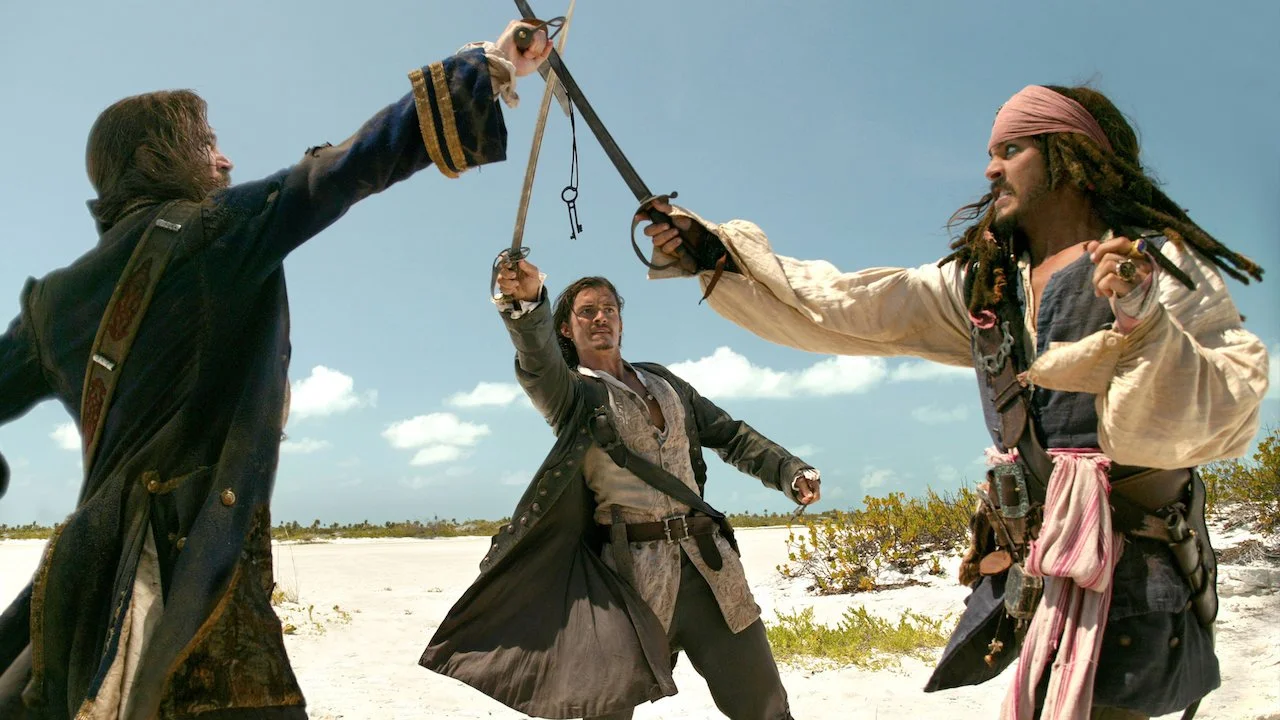
Then Dead Man’s Chest went bigger.
Much bigger.
Davy Jones arrived with his tentacled face and doomed crew. The Kraken gave audiences a monster worthy of the enormous production. Jack, Will and Elizabeth were pulled deeper into a story that would lead directly into the third film.
Audiences turned up in staggering numbers.
Pirates of the Caribbean: Dead Man’s Chest grossed approximately $1.066 billion worldwide, making it 2006’s highest-grossing movie.
At the time, crossing a billion dollars was still extraordinarily rare.
This wasn’t simply a successful sequel.
It was a genuine global movie event.
BOND
Casino Royale Gave James Bond a New Beginning
Daniel Craig had something to prove.
His casting as James Bond had generated plenty of discussion before audiences had even seen him in the role.
Then Casino Royale arrived.
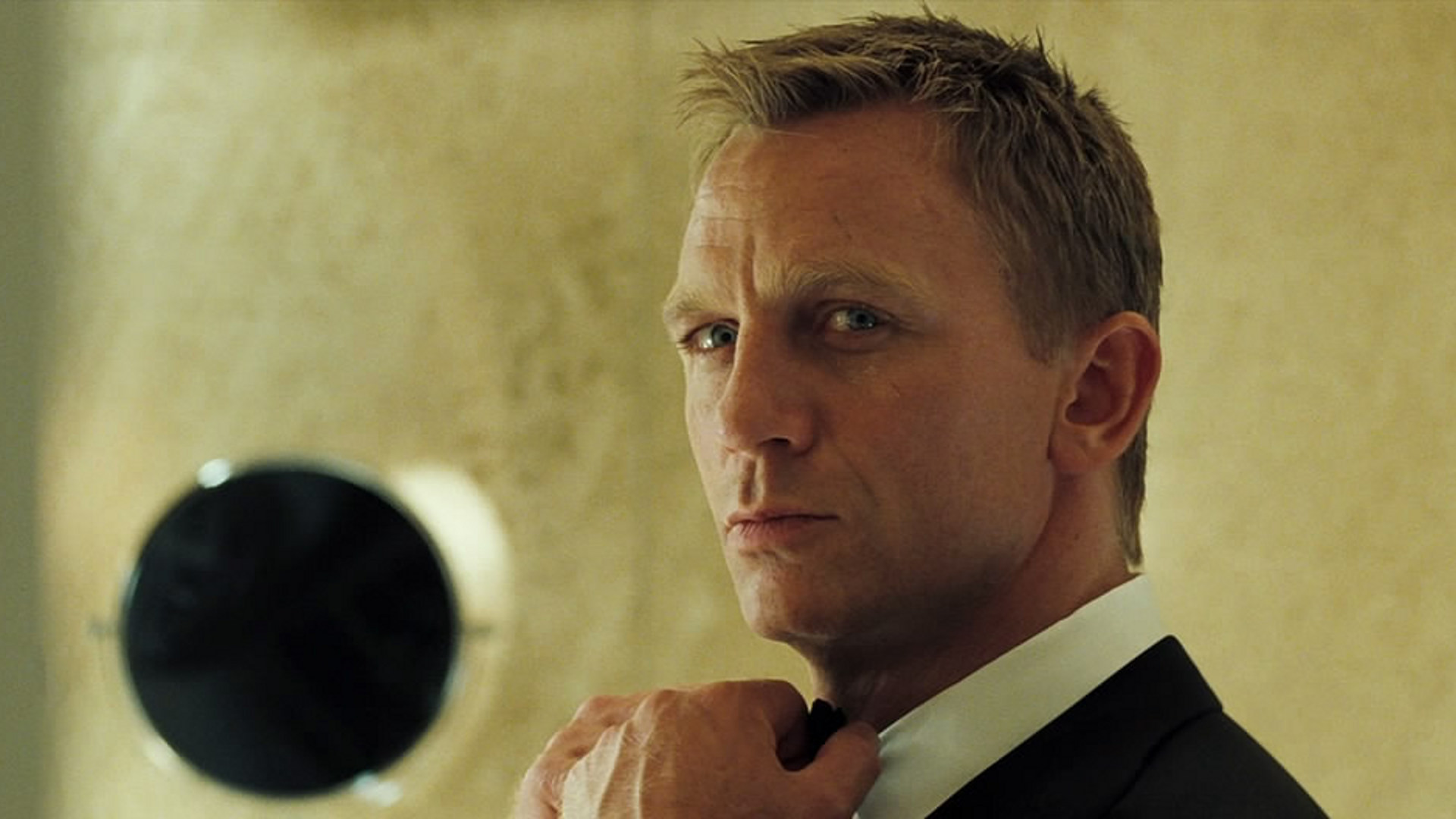
Within minutes, it was obvious this wasn’t going to be business as usual.
Craig’s Bond was physical, inexperienced and considerably rougher around the edges than the character audiences had grown accustomed to.
Martin Campbell took Bond back to the beginning.
There were still beautiful locations, fast cars and enormous action sequences, but at the centre of the film was something surprisingly simple:
A card game.
And it was gripping.
Eva Green’s Vesper Lynd gave Bond an emotional relationship with consequences that would echo through Craig’s entire run.
The gamble worked commercially too. Casino Royale grossed about $606 million worldwide during its original release, ranking fourth among 2006 releases.
Twenty years later, it’s difficult to imagine Craig ever needing to prove himself.
CRIME
The Departed Finally Gave Scorsese His Oscar
Martin Scorsese certainly didn’t need The Departed to establish his reputation.
But the film finally gave him something that had somehow eluded him.
The Academy Award for Best Director.
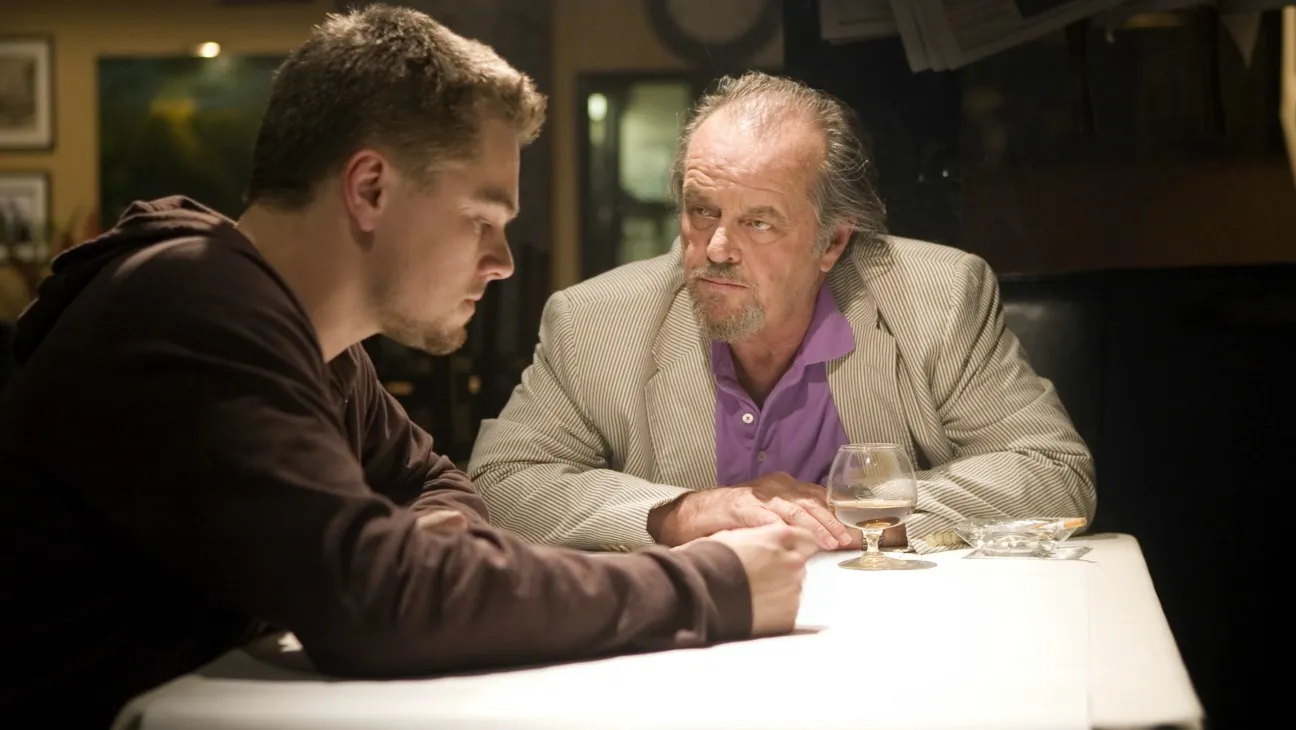
Leonardo DiCaprio plays Billy Costigan, an undercover officer attempting to infiltrate the organisation of crime boss Frank Costello, played with enormous menace by Jack Nicholson.
Meanwhile, Matt Damon’s Colin Sullivan does the opposite—working inside the police while secretly reporting back to Costello.
Everybody is watching everybody.
Nobody knows who they can trust.
And the pressure just keeps building.
The movie eventually grossed almost $290 million worldwide, substantial business for an adult crime drama.
It also won Best Picture.
In a year dominated commercially by pirates, superheroes and animated movies, one of its defining films was still an old-fashioned crime thriller.
THE MAGIC TRICK
The Prestige Became Better Every Time You Watched It
Christopher Nolan was still several years away from Inception when he made The Prestige.
But many of the obsessions that would define his later work were already there.
Time.
Obsession.
Misdirection.
Identity.
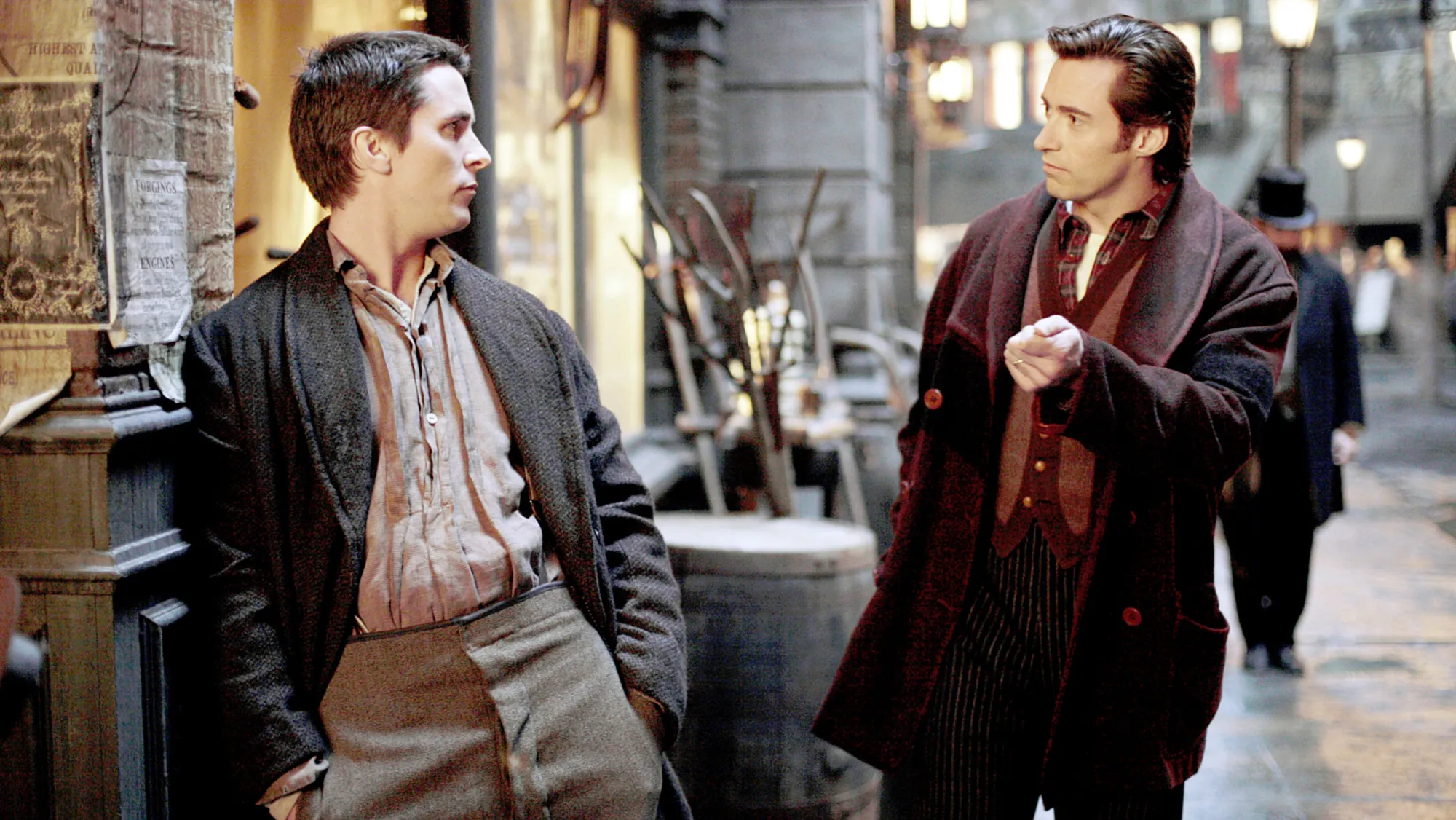
Christian Bale and Hugh Jackman play rival magicians whose professional competition gradually consumes virtually every part of their lives.
And then there’s David Bowie as Nikola Tesla.
If you watched The Prestige once, you probably enjoyed the mystery.
Watch it again, and you start noticing everything Nolan showed you the first time.
That’s the trick.
The movie doesn’t hide its secrets nearly as much as you think.
It simply knows where you’re looking.
SCIENCE FICTION
Children of Men Imagined a Future That Felt Terrifyingly Real
Some science-fiction movies create worlds filled with impossible technology.
Children of Men did something more unsettling.
Its future looked familiar.
Alfonso Cuarón’s film takes place in a Britain where humanity has become infertile, and society is slowly collapsing under the weight of knowing there may be no next generation.
Clive Owen’s Theo begins as a man who has largely stopped caring.
Then he’s given a reason to care again.
The film’s extraordinary long takes are rightly celebrated, particularly its later battle sequences, but the technical brilliance never overwhelms the human story underneath.
Children of Men didn’t need spaceships or aliens to create a frightening future.
It just took the world we recognised and pushed it a little further.
FANTASY
Pan's Labyrinth Turned a Fairy Tale Into Something Much Darker
Guillermo del Toro gave 2006 one of its most beautiful films.
And one of its most disturbing.
Pan’s Labyrinth blends the brutality of Francoist Spain with the fantasy world young Ofelia discovers.
The creatures are unforgettable.
Especially the Pale Man.
You know the one.
But reducing Pan’s Labyrinth to its monsters misses what makes it special.
The fantasy and reality aren’t competing for our attention.
They’re intertwined.
Both contain beauty.
Both contain horror.
And both are seen through the eyes of a child trying to understand a world dominated by cruel adults.
Twenty years later, its imagery is still hard to shake.
COMEDY
The Devil Wears Prada Made Fashion Terrifying
That’s all.
Two words that became enough to end virtually any conversation.
Meryl Streep’s Miranda Priestly doesn’t need to scream.
She barely needs to raise her voice.
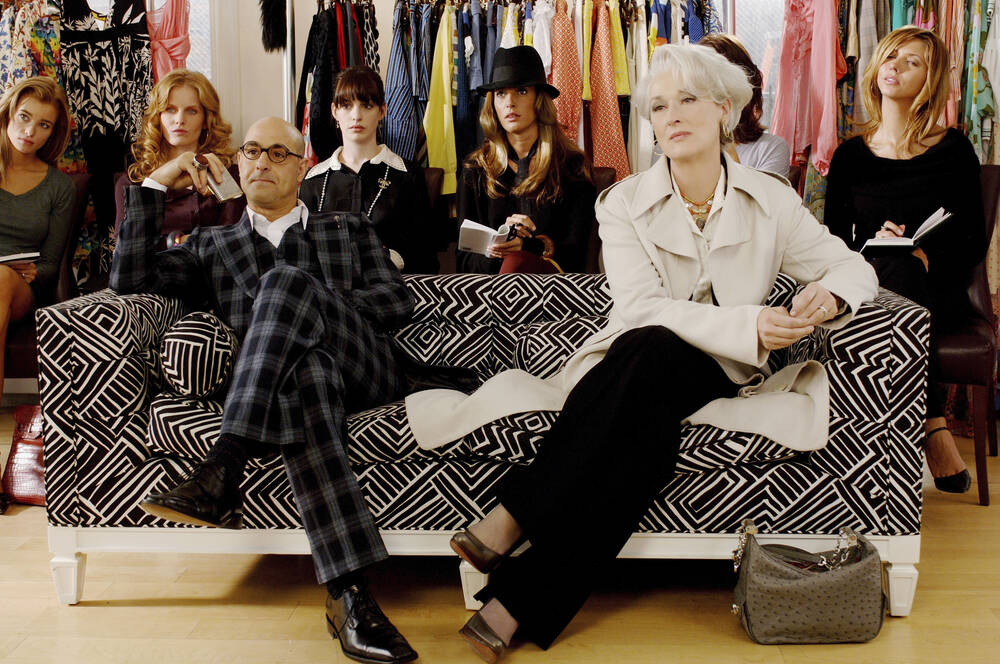
That’s what makes her so intimidating.
Anne Hathaway’s Andy enters the world of Runway magazine believing fashion doesn’t matter particularly much to her.
Miranda quickly explains why she’s wrong.
The movie became far bigger than a workplace comedy.
Emily Blunt’s performance became endlessly quotable. Stanley Tucci was perfect. Streep created one of the decade’s great movie characters.
And audiences loved it.
The Devil Wears Prada grossed more than $326 million worldwide.
Not bad for a movie in which some of the most devastating confrontations happen quietly in an office.
INDEPENDENT CINEMA
Little Miss Sunshine Put a Family in a Yellow Van
Some films need a billion-dollar effects budget.
Little Miss Sunshine needed a Volkswagen van that wouldn’t start properly.
The Hoover family are dysfunctional before their road trip even begins.
Then they pile into that yellow VW bus to get young Olive to a beauty pageant.
Greg Kinnear, Toni Collette, Steve Carell, Paul Dano, Alan Arkin, and Abigail Breslin create a family that often seems incapable of existing in the same room.
Yet somehow, they work.
The movie is funny without pretending its characters aren’t hurting.
And when Olive finally performs her routine at the pageant, the family’s response tells us everything we need to know.
They might be a disaster.
But they’re their disaster.
ANIMATION
Cars Introduced Pixar to Radiator Springs
By 2006, Pixar’s run was becoming ridiculous.
Toy Story.
A Bug’s Life.
Toy Story 2.
Monsters, Inc.
Finding Nemo.
The Incredibles.
Then came Cars.
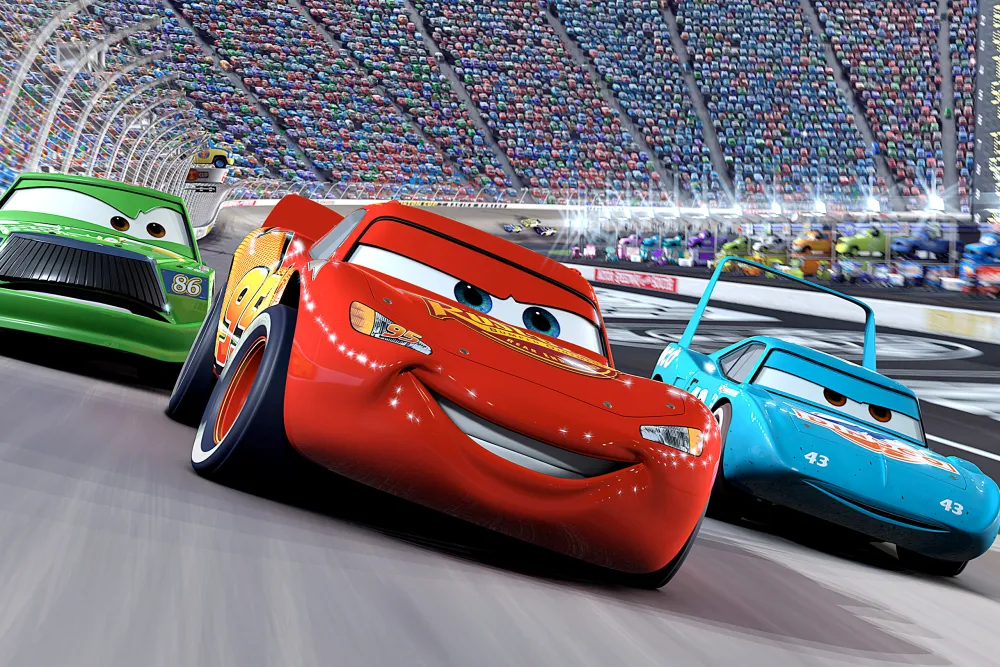
Lightning McQueen starts out almost entirely focused on winning.
Getting stranded in Radiator Springs forces him to slow down long enough to discover that perhaps the finish line isn’t everything.
The movie earned roughly $462 million worldwide and became another major Pixar hit.
But its legacy grew far beyond one film.
Radiator Springs, Lightning McQueen and Mater became fixtures for an entire generation of children.
Ka-chow indeed.
COMEDY WITHOUT A SAFETY NET
Borat Somehow Became a Mainstream Hit
There really wasn’t anything else like Borat in multiplexes.
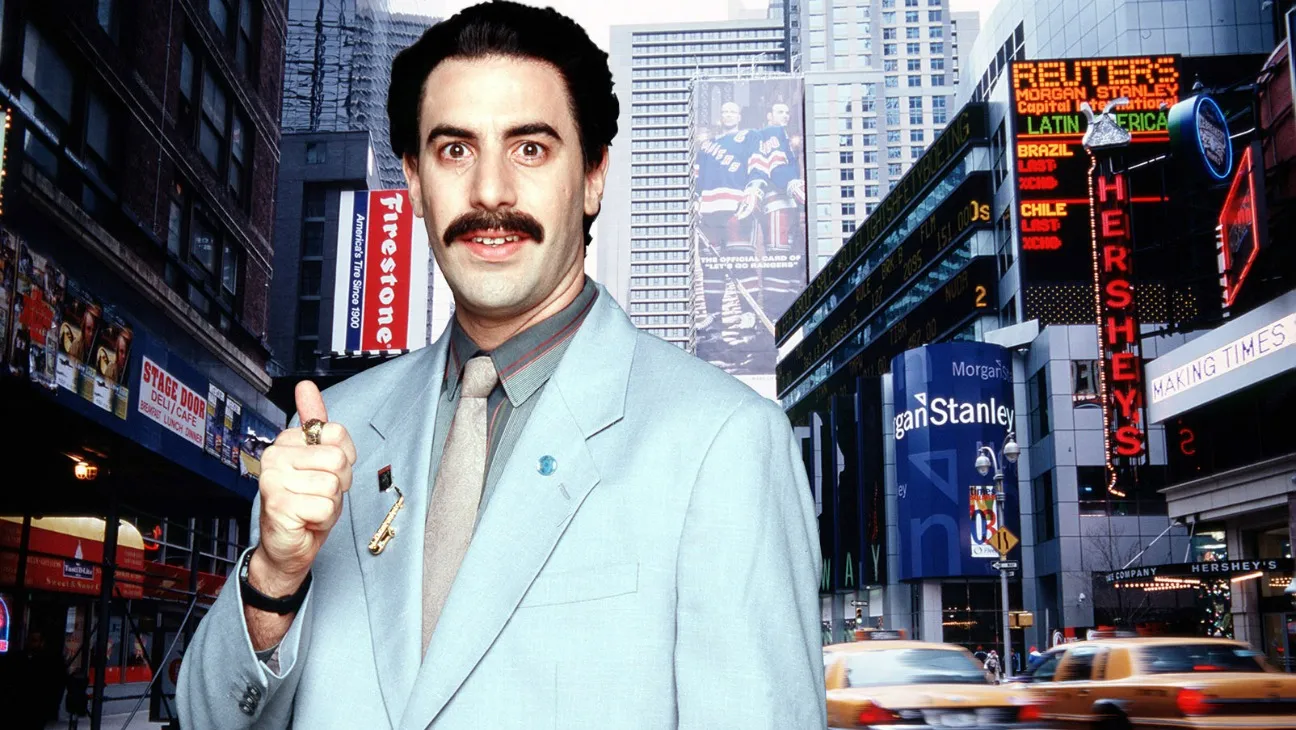
Sacha Baron Cohen took a character audiences knew from television and dropped him into a movie that blurred scripted comedy, improvisation and encounters with people who didn’t always seem to understand exactly what they were participating in.
The result was outrageous.
Frequently uncomfortable.
And enormously successful.
Lines from the film immediately escaped into everyday conversation.
For a while in 2006, attempting a Borat impression seemed practically unavoidable.
Some movies capture the culture around them.
Others temporarily infect it.
Borat definitely belonged to the second category.
THE COMEBACK
Rocky Balboa Had One More Round Left
On paper, bringing Rocky back sounded risky.
Rocky V had arrived sixteen years earlier.
Sylvester Stallone was now playing an ageing Rocky Balboa, running a restaurant and mourning Adrian.
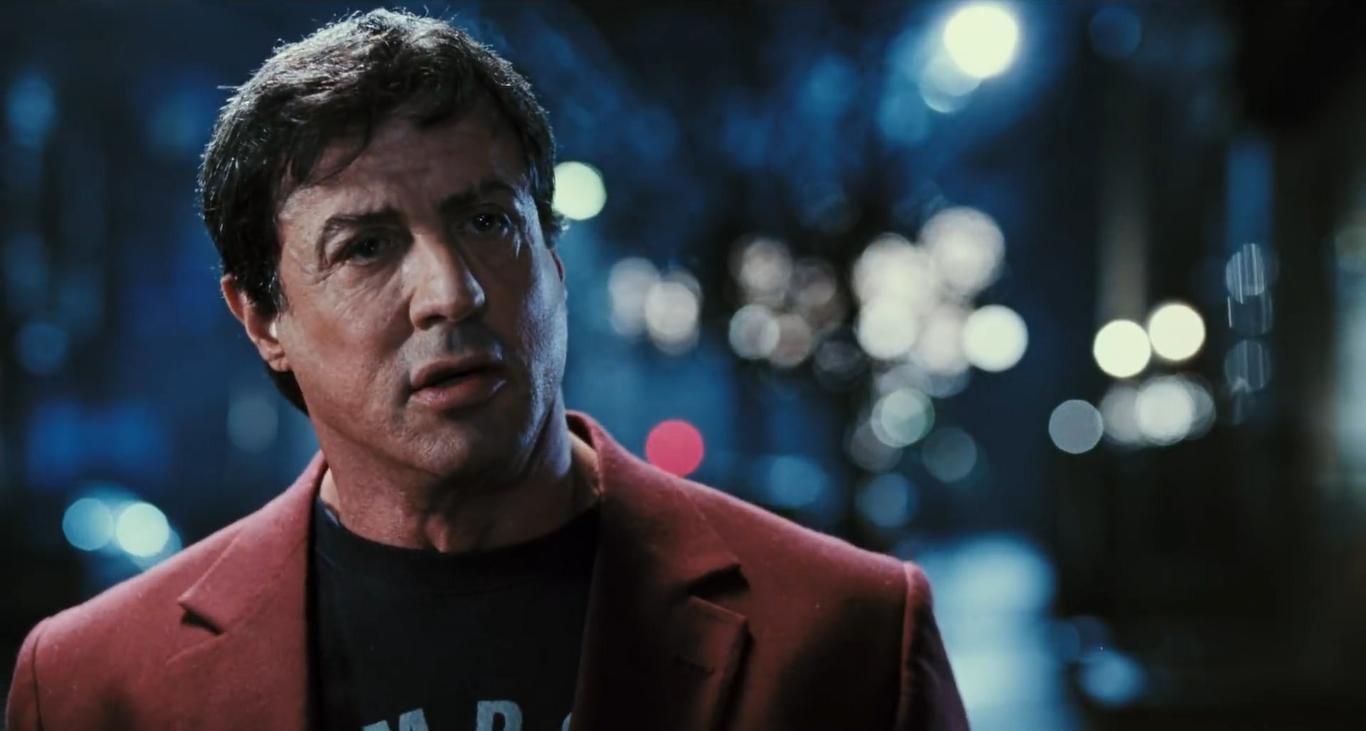
Then somebody asks what would happen if Rocky fought the current heavyweight champion.
And suddenly that old fire returns.
Rocky Balboa works because Stallone understood something important.
This wasn’t really about whether Rocky could become heavyweight champion again.
It was about getting older without allowing the world to decide you’re finished.
That made the film resonate far beyond boxing.
Rocky wasn’t fighting to become young again.
He was fighting because something inside him still needed to come out.
Twenty years later, that idea might hit even harder.
THE DEPTH
And 2006 Just Kept Going
This is where the year becomes ridiculous.
The Pursuit of Happyness gave Will Smith one of his most dramatic roles.
Inside Man brought Spike Lee, Denzel Washington and Clive Owen together for an incredibly entertaining heist movie.
Apocalypto threw audiences into another world entirely.
United 93 tackled recent history with extraordinary restraint.
Blood Diamond paired Leonardo DiCaprio with Djimon Hounsou.
Mission: Impossible III introduced J.J. Abrams to feature-film directing.
Superman Returns brought the Man of Steel back to cinemas.
Night at the Museum became a huge family hit.
Then there was Happy Feet, Ice Age: The Meltdown, Over the Hedge, The Holiday, Talladega Nights, Nacho Libre, Crank, Déjà Vu and The Last King of Scotland.
And that’s still nowhere near everything.
Like 1986 and 1996 before it, the argument for 2006 isn’t based on one extraordinary movie.
It’s the depth.
A CHANGING WORLD
The Way We Watched Movies Was Changing Too
The films weren’t the only thing changing.
The entire movie experience was different from what it had been ten years earlier.
VHS was disappearing.
DVD had become king.
Widescreen televisions were appearing in more living rooms.
High-definition home entertainment was beginning its next battle.
YouTube had only recently arrived.
Netflix still meant DVDs arriving by mail in markets where its rental service operated.
Streaming movies instantly at home wasn’t yet the normal experience it would become.
And smartphones weren’t sitting in everybody’s pocket.
You might watch a trailer online.
You might discuss a film on a message board.
But going to the cinema still felt largely disconnected from the always-online world to come.
We didn’t know it yet.
But we were standing right on the edge of it.
TWENTY YEARS LATER
2006 Feels Close — Until You Actually Count the Years
That’s the weird thing.
1986 looks like history.
1996 now carries unmistakable nostalgia.
But 2006?
For many of us, it still feels strangely recent.
Daniel Craig becoming Bond doesn’t feel like something that happened two decades ago.
Neither does The Departed.
Or Cars.
Or The Devil Wears Prada.
Perhaps that’s because so much of what began around this period is still with us.
Franchise filmmaking grew larger.
Superheroes became increasingly important.
Digital effects continued transforming production.
Online movie culture exploded.
The DVD shelf slowly gave way to the streaming menu.
The movie industry we recognise today was beginning to take shape.
THE LEGACY
Three Decades. Three Extraordinary Movie Years.
Look at what we’ve just travelled through.
1986
1996
2006
Three snapshots exactly ten years apart.
The movies changed.
The technology changed.
The stars changed.
The way we discovered and watched films changed.
But something remained remarkably consistent.
Great movies found their way into our lives.
Sometimes through a packed cinema.
Sometimes from a VHS rental.
Sometimes from a DVD somebody insisted we borrow.
And eventually through a streaming recommendation appearing on a screen.
Twenty years after 2006, we can argue endlessly about which of these years was strongest.
That’s half the fun.
But there’s something much harder to argue with.
We were spoiled.
And perhaps we didn’t realise quite how spoiled we were until enough years had passed for us to look back.
Up next
More special features
More deep dives, arguments and trips back through 2000s cinema.
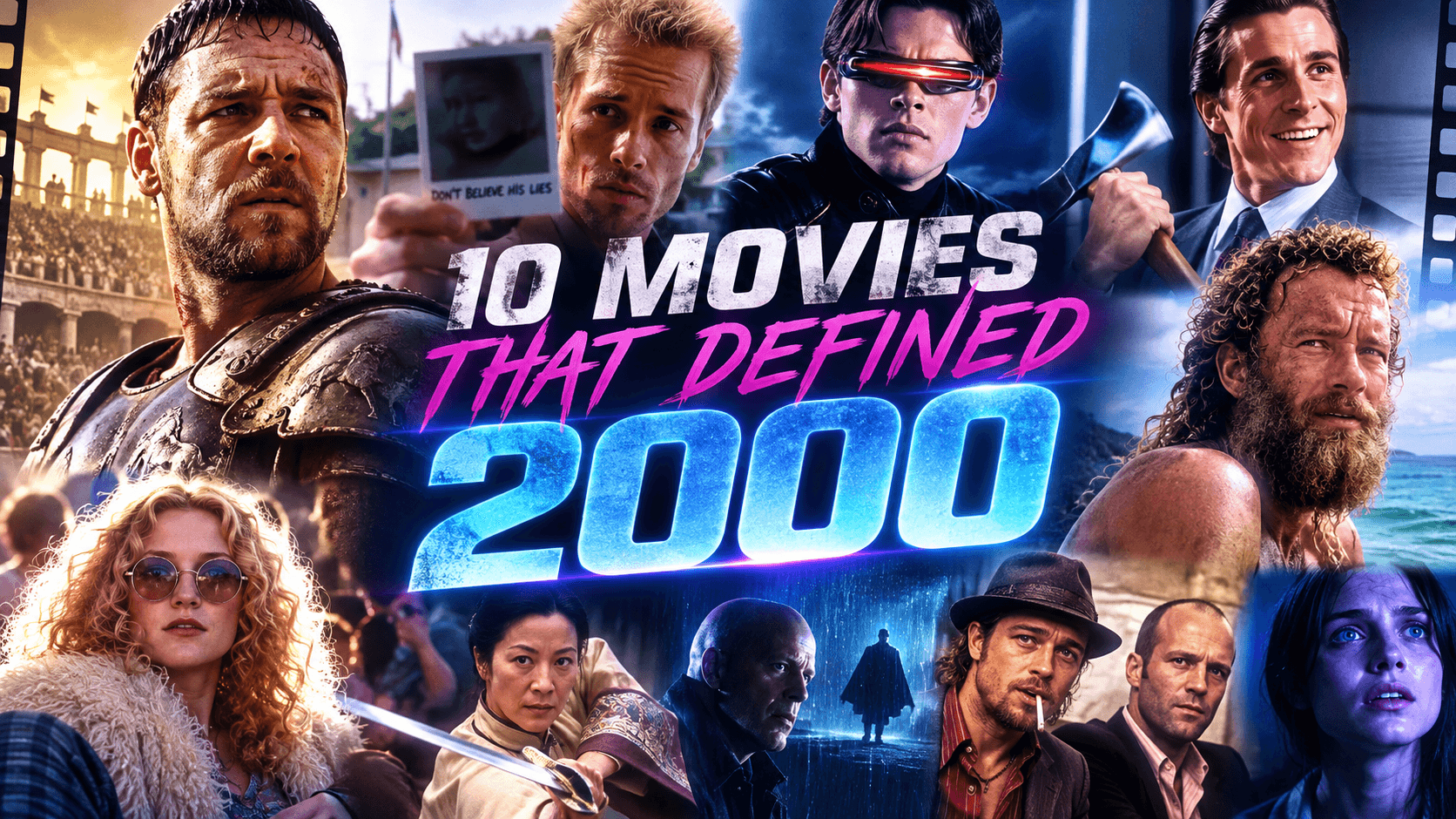
10 Movies That Defined 2000
The year that opened a new decade gave us Roman epics, fractured thrillers, superheroes, serial killers and some genuinely fearless filmmaking.
Play feature →
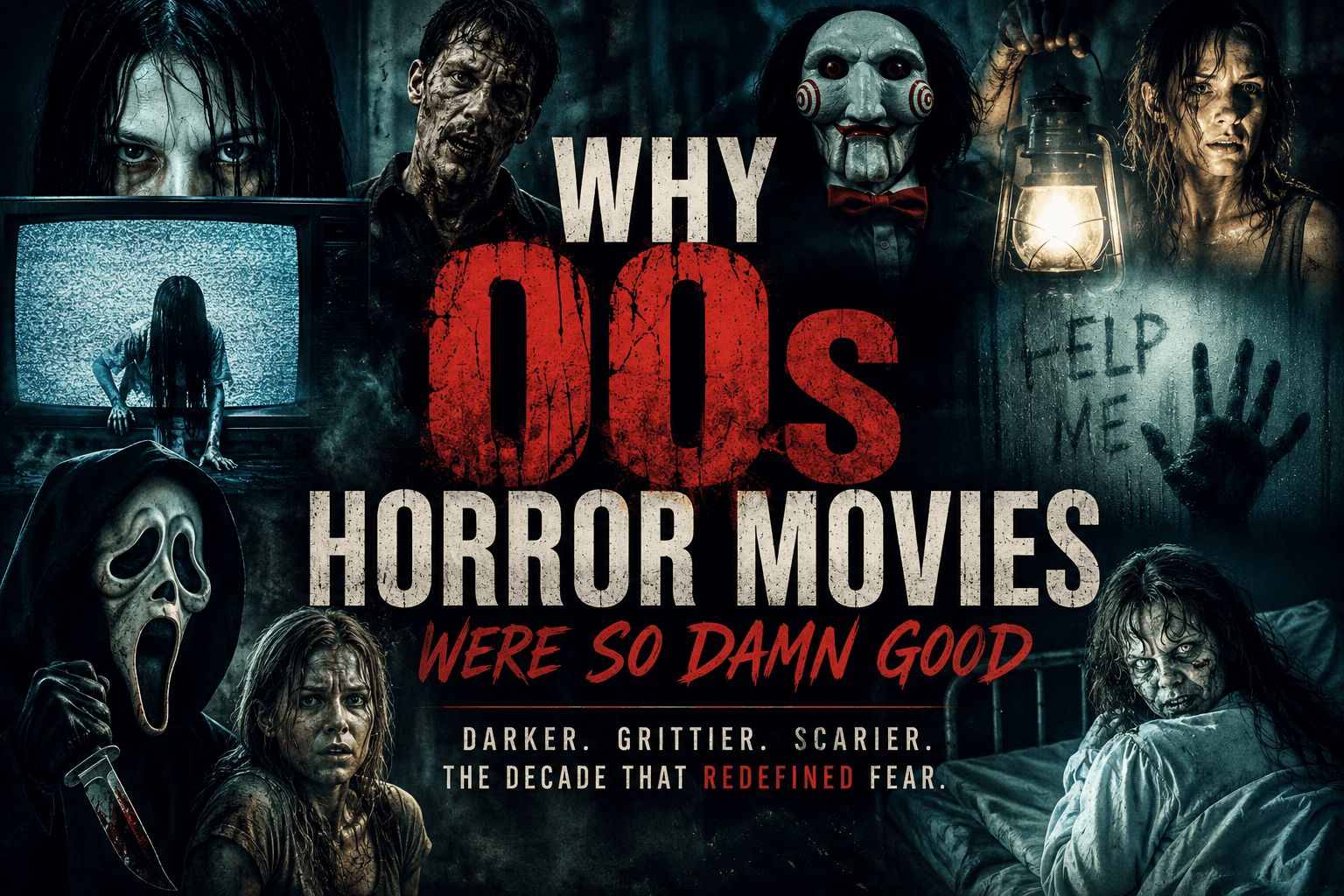
Why 00s Horror Movies Were So Damn Good
Zombies ran, ghosts crossed oceans, traps got nastier and horror stopped obeying one set of rules. The 2000s were gloriously all over the place.
Play feature →