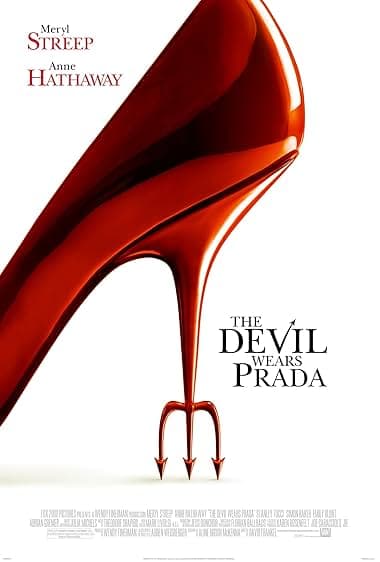
The Devil Wears Prada
Miranda Priestly, ambition on a hanger — and a film that still asks what we trade to get what we want.
Feature presentation
If you remember one thing about The Devil Wears Prada, it’s probably one person: Miranda Priestly. David Frankel’s 2006 comedy‑drama sets a recent graduate inside a magazine where fashion functions as currency, and then watches how a job that looks like a stepping stone starts to rearrange everything around it.
THE MOVIE
Miranda Priestly is still the reason this movie works
People still talk about The Devil Wears Prada because it centres on a relationship that’s both simple and ruthlessly engineered: a fresh‑out‑of‑college aspirant dropped into the orbit of an editorial tyrant. Andrea 'Andy' Sachs takes a job as Miranda Priestly’s second assistant and the film is built from the way that arrangement ratchets up pressure on everything around Andy.
Miranda hires Andy despite Andy’s unfashionable appearance, which sets up a neat engine for the story: Andy must learn a very particular, appearance‑sensitive workplace on the job. That clash — ambition versus the cost of adapting to a world that prizes surface — gives the comedy its bite and the drama its teeth.
And then there’s the magnetism of Miranda herself. Meryl Streep plays the imperious editor who structures the entire office, and the film’s tone and energy orbit that presence. It’s a David Frankel film from 2006 that runs a tidy 109 minutes and leaves you thinking about power long after the outfits are forgotten — not least because the costumes, designed by Patricia Field, were singled out at the time for how loudly they speak without a word.
THE SETUP
The idea that sets The Devil Wears Prada in motion
The film’s premise is deceptively straightforward: Andy, a recent graduate who wants serious journalism, accepts a role as Miranda Priestly’s second assistant at Runway magazine. It’s a classic workplace‑entry setup — you learn on the job — but the particularity of Runway’s world makes every task feel like a test.
Miranda’s decision to hire Andy despite her unfashionable appearance is the small, telling act that catalyses everything. Andy is expected to adapt quickly, and the comedy and conflict come from watching a character with different priorities learn the rules of an arena that prizes image and immediacy.
From there the story escalates through a series of demands and compromises that push Andy’s relationships and values. The film’s structure uses those moments — small humiliations, big favors, impossible deadlines — to dramatise how ambition reshapes a person’s life.
A major turning point comes in the form of a high‑stakes Paris trip. Without spoiling beats, that sequence functions as an escalation: it concentrates the show’s tensions between work, loyalty to colleagues like Emily, and what Andy left behind at home.
THE CHARACTER
Why Miranda Priestly matters
Miranda Priestly doesn’t exist merely to be feared. She’s the machine that makes the office run; her demands define who is useful and who is disposable. The film stages her as an almost untouchable editor whose exacting standards set the tone for how everyone — from Nigel to the assistants — navigates daily life.
That positioning turns Miranda into a measuring stick. She reveals the emotional costs of extreme professional authority: people bend, relationships strain, and the workplace becomes a pressure chamber where reputation and appearance are currency.
It also makes Miranda a useful dramatic mirror for Andy. The film uses their power imbalance to ask uncomfortable questions about complicity and ambition: how much are you willing to change to get ahead, and at what cost?
And while Miranda is more than a one‑note boss, the performance behind her helped anchor the character. Meryl Streep plays Miranda Priestly, a role that drew notable recognition at the time.
THE PERFORMANCE
Why Meryl Streep's performance matters
It’s fair to say contemporary reaction singled Streep out. Her portrayal of Miranda earned awards attention, including a Golden Globe win and an Academy Award nomination, and that response shaped how audiences received the character.
Mentioning the recognition isn’t just name‑checking: it explains why the film’s stakes feel convincing. When a performance is publicly celebrated, it changes how you watch the scene‑to‑scene dynamics; Miranda’s imperiousness ceases to be merely a device and becomes the axis around which the office drama turns.
The industry response also mattered for the film’s visibility: the attention on the role highlighted the movie’s themes of power and compromise, directing conversation toward who Andy becomes and why.
So while the screenplay gives Miranda her lines and the story her function, the contemporary praise for Streep helped make the role central to the film’s life beyond its runtime.
UNDER THE SURFACE
The Devil Wears Prada has more on its mind than the plot suggests
On the surface it’s a workplace comedy‑drama about fashion and assistants. Underneath, the film is chiefly interested in workplace power and authority — who has it, how they wield it, and what the people underneath them have to give up.
That concern feeds directly into the film’s take on ambition versus personal life. Andy arrives with career goals that don’t include Runway’s aesthetics, but the job’s practical rewards and pressures push her toward compromises that strain friendships and romantic relationships.
Closely connected is the theme of appearance and identity in professional advancement. The movie repeatedly shows how clothing and presentation operate as shorthand for competence inside that particular industry — and how that shorthand shapes who gets in and who’s left out.
Finally, the film functions as a satire of fashion and media culture. It exaggerates runway mania and magazine politics to make broader points about taste, influence and the odd values that hold sway in certain professional worlds.
THE FILMMAKING
How The Devil Wears Prada was put together
The film’s shape comes as much from its credited crew as from the cast. Official production records list Florian Ballhaus as director of photography, Mark Livolsi as editor and Jess Gonchor as production designer, and those credits point to a clearly professional, studio‑level approach to the material.
Naming those roles matters because the movie relies on a kind of presentational clarity: it needs to make newsroom hustle and fashion spectacle readable to an audience that might not live in that world. The credited photographer, editor and designer are the people who translate that into screen moments.
David Frankel’s direction sits on top of those crafts, assembling performances, visual rhythm and design into a compact, 109‑minute package aimed at mainstream viewers.
Put together, the filmmaking credits underline that The Devil Wears Prada was made as a polished, deliberately commercial dramedy — the sort of film that wants to be both entertaining and sharp.
PURE 00s
The Devil Wears Prada could not belong to any other decade
The film is very much of the mid‑2000s: released in summer 2006, it reflects the era’s fascination with glossy magazine culture and celebrity fashion as a form of news. That cultural moment made a satire about the inner workings of a fashion title especially resonant.
It was also a studio film in the classic 00s mould. Produced by Fox 2000 Pictures and distributed by 20th Century Fox, the picture fits into a mainstream strategy of star‑driven, commercially oriented dramedies that studios leaned on during the period.
Critics and industry coverage at the time framed Miranda Priestly as a fictionalised figure tied to contemporary fashion‑editor personalities, which plugged the movie into early‑2000s conversations about magazine power and celebrity editors.
Finally, the screenplay’s origins — adapted from a 2003 novel — and the film’s New York and Paris settings reflect a mid‑decade appetite for smartly packaged stories about ambition, travel and workers who inhabit highly stylised industries.
THE LEGACY
Why The Devil Wears Prada still matters
Part of the film’s staying power is the recognition it received: Meryl Streep’s Miranda earned a Golden Globe win and an Academy Award nomination, and the film was also acknowledged for its costume design. Those honours kept conversations about the movie in the public eye.
Industry coverage also treated Emily Blunt’s supporting role as a breakout moment that helped elevate her profile. That kind of casting legacy affects how the film is remembered inside the business as well as by audiences.
Beyond awards and careers, the film continues to be a frequent reference point in discussions about fashion and media culture, a shorthand people use when they want to talk about editorial power dynamics and the costs of ambition.
And the fact the studio reunited original cast and filmmakers for a 2026 sequel is a reminder that the story and characters had enough life to be returned to, not simply shelved.
THE VERDICT
Does The Devil Wears Prada still hold up?
Yes — and not because of the clothes. The film hinges on a clear dramatic bargain: Andy takes a job as Miranda’s second assistant and, in doing so, confronts a steady pressure to trade parts of her private life for career advantage. That premise is tidy, relatable and still sharp enough to land today.
Miranda’s imperious authority remains the movie’s motor. Meryl Streep’s portrayal, which attracted awards attention, keeps the power dynamic convincingly in focus; alongside Nigel as a workplace mentor, the film gives us people who represent the professional choices Andy faces.
The movie doesn’t pretend the runway world is hollow cosmetics; it uses fashion as a theatre of value. The contrast between Andy’s original journalism ambitions and Runway’s practical rewards creates the moral tension that sustains the story — and a Paris escalation crystallises those stakes without needing to overcomplicate things.
So if you’re wondering whether to watch it now: watch it for the engineered clash between ambition and selfhood, and for a tightly constructed, 109‑minute study of how workplaces can reshape identity. The Devil Wears Prada still works because it asks a question that never really goes out of fashion: what are you prepared to become to get what you want?
Featured in
Explore more about The Devil Wears Prada
Share this movie
Keep watching
More movies from the 00s
2002
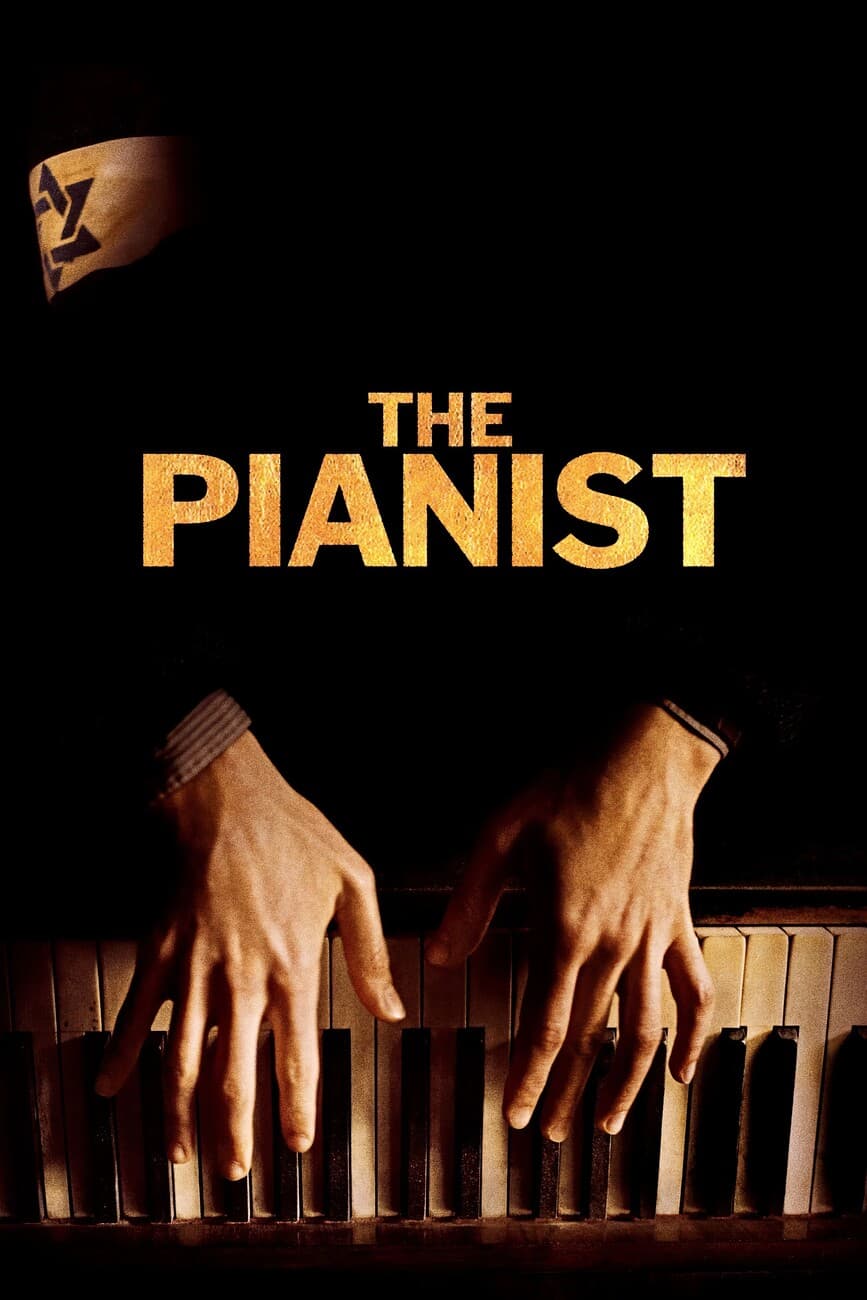
The Pianist
A quiet life unmade by war — and a pianist who refuses to stop listening.
Read the retrospective
→
2006
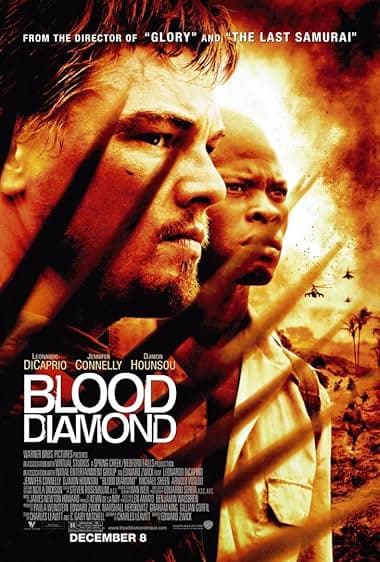
Blood Diamond
A mercenary, a fisherman and a pink diamond — and a film that still asks who pays for our jewellery.
Read the retrospective
→
2003
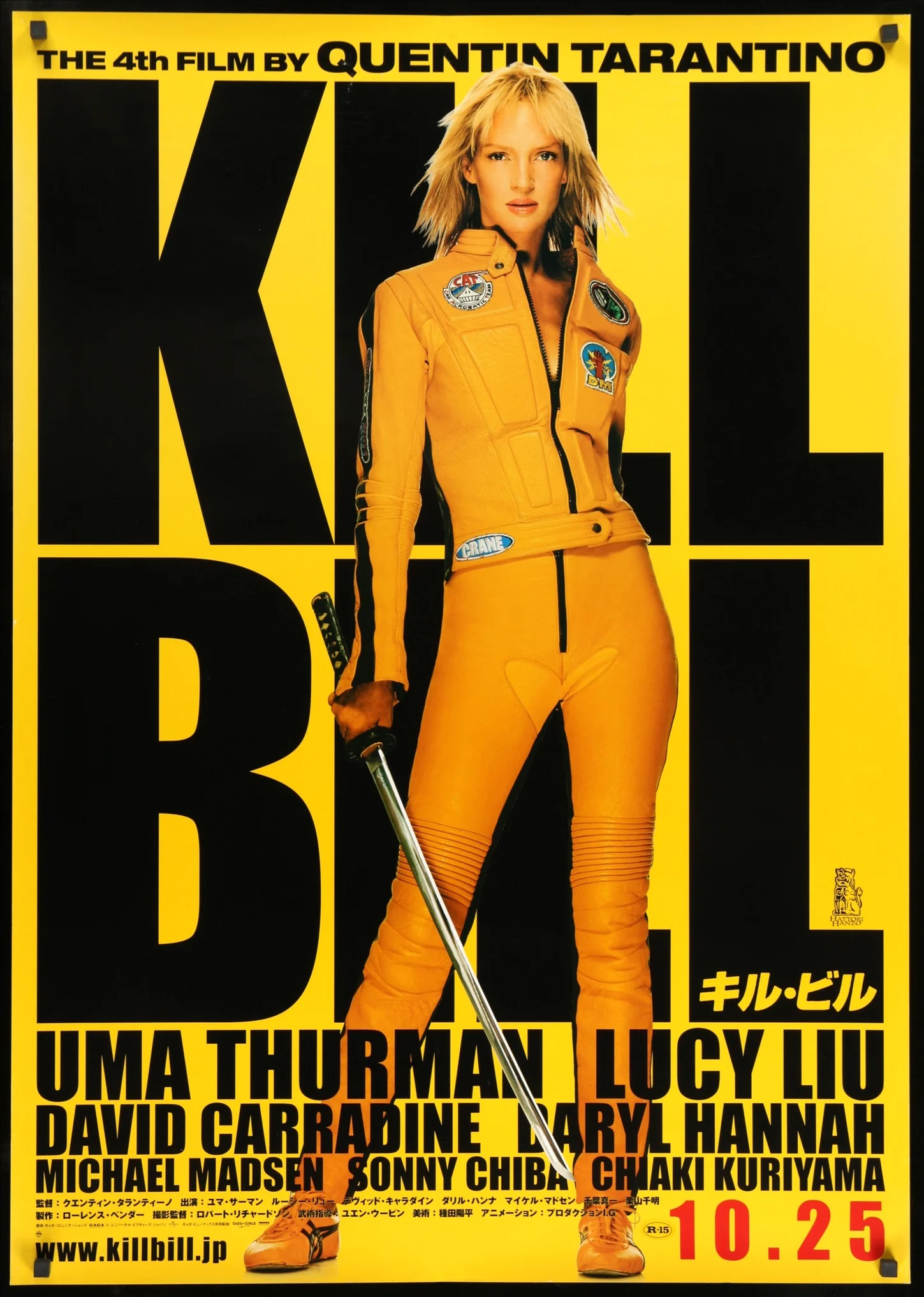
Kill Bill: Volume 1
A yellow jumpsuit, a long list of enemies and one woman who refuses to be finished.
Read the retrospective
→