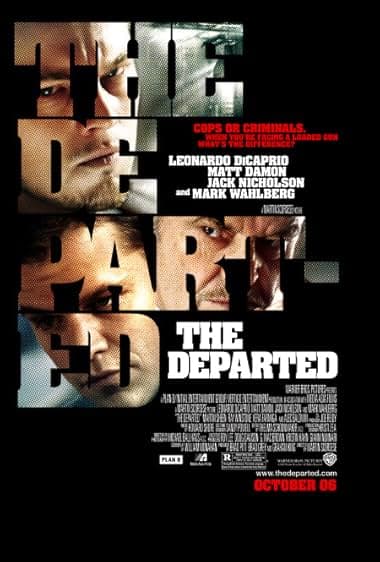
Feature presentation
There aren’t many modern crime thrillers that feel like they’re lived in rather than constructed. The Departed does. Martin Scorsese takes a razor-sharp idea about moles and mirrors and turns it into a bruising, character-driven game of survival. At the centre of all that pressure is Trooper William "Billy" Costigan Jr., the one figure who makes the stakes feel personal.
THE MOVIE
Trooper William "Billy" Costigan Jr. is still the reason this movie works
If you remember The Departed as a clever plot about cops and crooks, that’s only half the story. The film stages two mirror-image undercover arcs — one placing a police recruit inside an Irish-American mob crew and the other installing a mob mole inside the state police — and then watches what happens when both lives begin to leak.
That mirrored setup isn’t just plotting neatness. It’s the film’s engine: a cat-and-mouse hunt where each side is desperate to nail down the other’s infiltrator while the protagonists try, increasingly desperately, to keep hold of who they are. Identity here is a pressure test and people crack.
Which is why Trooper William "Billy" Costigan Jr. matters. Introduced as a working-class South Boston recruit whose family links make him useful to the police, Billy is the human hinge — the person the film asks to live inside danger so we can see what duplicity does to a life. Scorsese directs that squeeze with obvious interest; the material stays taut for 151 minutes.
THE SETUP
The idea that sets The Departed in motion
At its simplest, the film sets two undercover operations running in parallel: a cop embedded with the mob and a mob member planted inside the police. That neat symmetry gives the story a constant sense of danger — each discovery could blow everything apart.
The movie borrows that structural premise from the Hong Kong film Infernal Affairs, but relocates and expands it into South Boston. The change of scenery isn’t just cosmetic: the American setting lets the screenplay add new characters and plot threads that reshape the central conflict for a different audience.
Right from an early inciting sequence the film makes the risks clear. Recruitment scenes show what the characters sign up for and, crucially, what they stand to lose. Those opening beats set the ethical and identity problems the rest of the film will keep turning over.
So the setup works because it’s both clever and human: a high-concept mirror of moles that never forgets the cost to the people doing the spying.
THE CHARACTER
Why Trooper William "Billy" Costigan Jr. matters
Billy Costigan isn’t just another undercover cop. He arrives with a backstory that explains why he’s expendable and why he’s vulnerable: a South Boston, working-class recruit whose family ties to local criminal figures are exactly the credentials police need to get him inside the mob.
That origin gives his undercover assignment a bitter edge. He’s sent into danger not only because he’s brave but because the system can use him. That relationship between background and assignment makes his choices feel earned rather than plot-driven.
The film layers the role with questions about masculinity and father figures. Billy’s situation puts him in close, fraught relation to men who act as guides, protectors or exploiters, and those dynamics shape how he navigates being someone he is not.
In short: the movie works largely because Billy gives it something to care about. The double life becomes more than a puzzle when one of the people living it carries obvious costs on his shoulders.
UNDER THE SURFACE
The Departed has more on its mind than the plot suggests
On the surface it’s a taut crime thriller about moles and betrayals. Underneath, the film keeps returning to the psychological cost of living a double life — the slow erosion of a stable self when performance becomes survival.
Loyalty and betrayal thread through every interaction. The story constantly tests both institutional loyalties and personal loyalties: who you answer to, who you protect, and what you’ll trade to stay alive.
There’s also a wider note about institutional corruption. The presence of a mob informant inside the state police and the police’s willingness to use someone like Billy show that rot can run both ways, making trust a scarce commodity.
And then there’s the film’s recurring attention to masculinity and father figures: the men who mentor, shelter or manipulate other men. Those relationships turn procedural mechanics into personal reckonings.
THE FILMMAKING
How The Departed was put together
The credits signal a tried-and-true Scorsese assembly: Michael Ballhaus behind the camera and Thelma Schoonmaker in the cutting room, names that point to a movie built by craftspeople who know exactly what this kind of story needs.
Production records list a slate of high-profile producers and a production designer who helped shape the film’s world — an indication that the adaptation was handled as a serious studio project rather than a quick remake.
You can also see the filmmaking choices reflected in the film’s awards: it won multiple Academy Awards, including Best Film Editing, which underlines the way pace and structure were decisive to the final effect.
Put together, these elements give the film a sense of being carefully assembled: a major director with experienced collaborators turning a tense premise into a full-length, 151-minute piece of work.
PURE 00s
The Departed could not belong to any other decade
Released in 2006, The Departed sits squarely in that era of studio films that still made room for an auteur director to tackle big, contemporary subject matter. It’s the kind of project that felt possible when studios opened the door to heavyweight filmmakers.
The movie’s origin story is telling: Plan B acquired the remake rights to a 2002 Hong Kong film and handed it over to an American writing and directing team. That cross-cultural adaptation reflects a 00s tendency toward high-profile international remakes and reworkings.
When the film later picked up major industry recognition — including multiple Academy Awards — it underscored how the decade could reward large-scale auteur projects that also appealed to mainstream audiences.
In short, The Departed is a 2000s film not because of a fashion or a soundtrack cue, but because it documents an industry moment: big-studio appetite for bold, director-led adaptations and the cultural exchange that produced them.
THE LEGACY
Why The Departed still matters
Industry recognition kept the film in the conversation: at the 79th Academy Awards it won four Oscars, including Best Picture and Best Director, achievements that ensured it wouldn’t simply vanish after the initial run.
Critical discussion has repeatedly placed The Departed at the centre of conversations about how to adapt Infernal Affairs for American audiences. It’s become the principal example people point to when comparing the two films.
Those awards and the film’s position as a major adaptation have kept scholarly and critical attention alive in later decade-round examinations of Scorsese’s work and the era’s cinema.
Put plainly: the movie matters because it married a tight, morally messy premise to a high-profile filmmaking moment — and the industry noticed.
THE VERDICT
Does The Departed still hold up?
Yes — largely because its pleasures are structural and human rather than purely decorative. The film’s central conceit of two parallel undercover arcs still produces suspense: the cat-and-mouse search for the other mole keeps the narrative tight and morally uncomfortable.
The movie also keeps reminding you why that premise matters. An early sequence makes the risks of undercover work clear and the script uses institutional procedures and personal relationships — files, stings, mentors, romantic entanglements — to raise stakes and reveal deception rather than relying on spectacle.
Crucially, the cast and characters provide anchors for the setup. Leonardo DiCaprio’s Billy is the human cost of the operation, defined by his working-class roots and family ties that the police exploit, while a small inner circle of officers know and protect his true identity. Contemporary reviews at the time singled out several performances as noteworthy, and the ensemble was frequently mentioned as a strong element.
If you’re picking it up again, go for the pressure. It’s a 151-minute piece of studio-scale auteur cinema from 2006, directed by Martin Scorsese, that still makes the moral choices at its heart feel immediate. Watch for the duplicity. Watch for the way the story uses trust as a currency. It’s still worth the time.
Featured in
Explore more about The Departed
Share this movie
Keep watching
More movies from the 00s
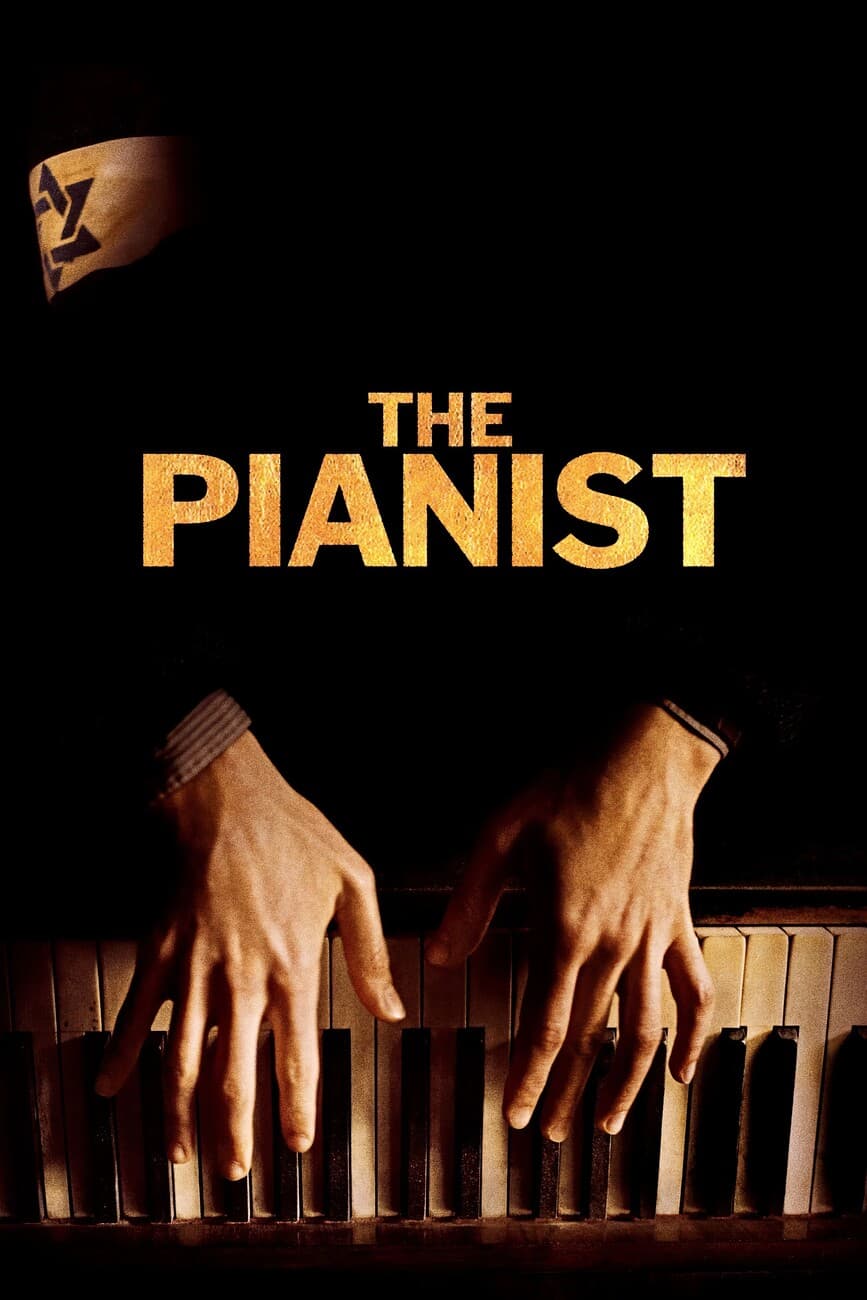
2002
The Pianist
A quiet life unmade by war — and a pianist who refuses to stop listening.
Read the retrospective
→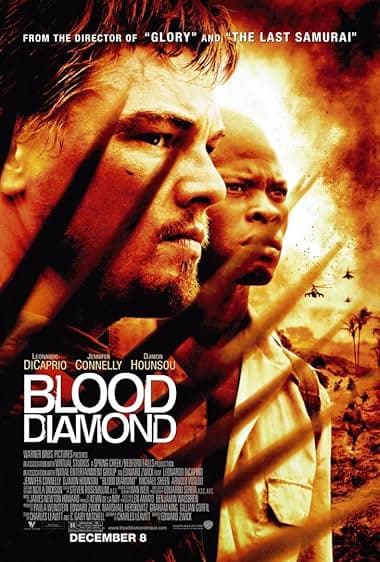
2006
Blood Diamond
A mercenary, a fisherman and a pink diamond — and a film that still asks who pays for our jewellery.
Read the retrospective
→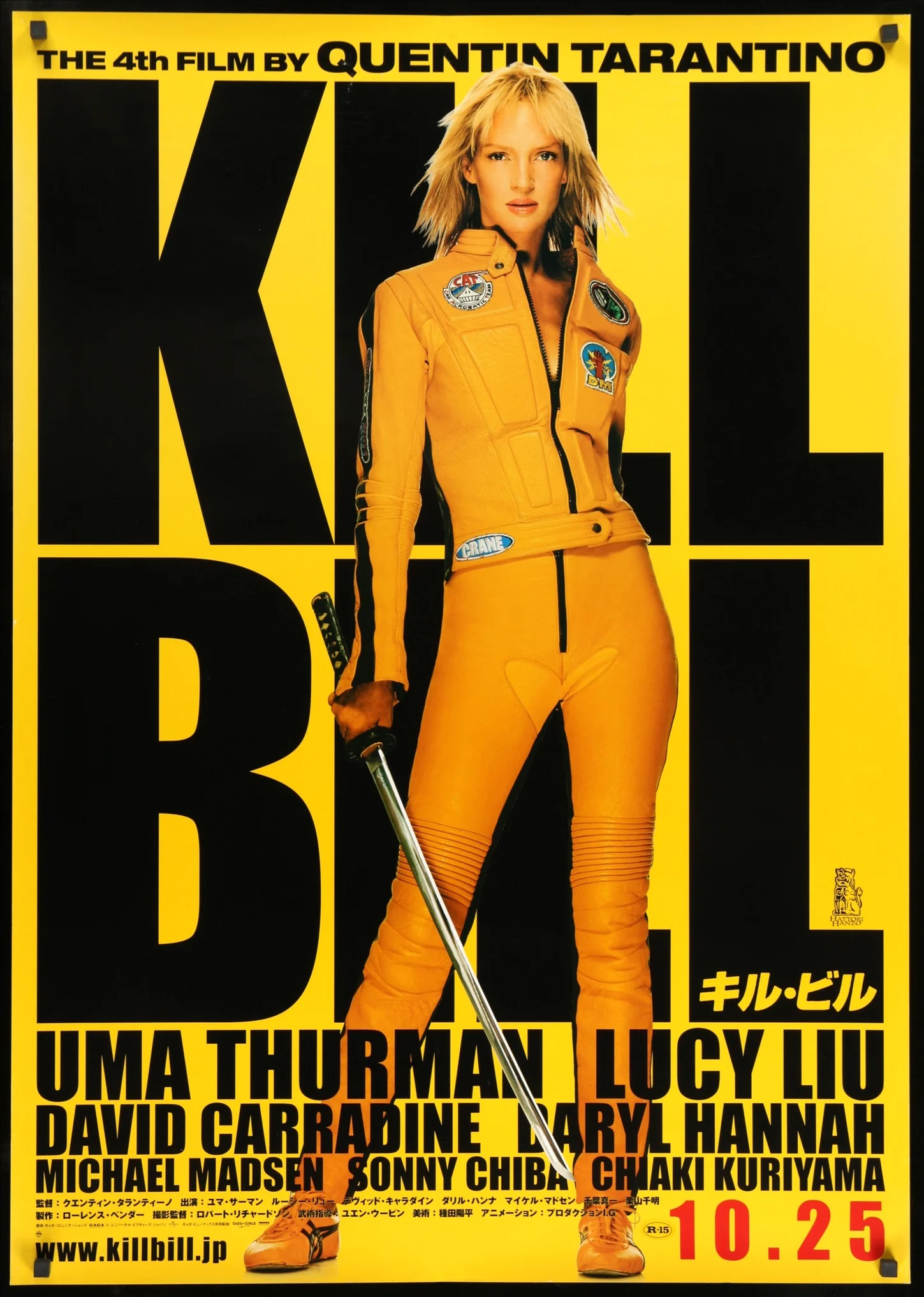
2003
Kill Bill: Volume 1
A yellow jumpsuit, a long list of enemies and one woman who refuses to be finished.
Read the retrospective
→