Feature presentation
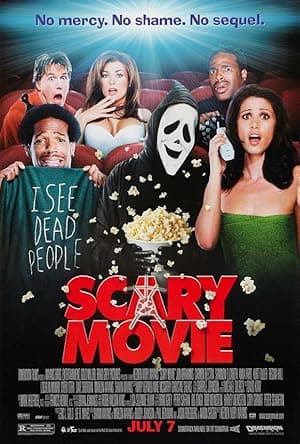
Remember that moment in Scary Movie when the jokey, jokey horror suddenly lands on one oddly vulnerable lead? That’s Cindy Campbell — and she’s why this 88-minute sketchbook of a film still gets talked about. Keenen Ivory Wayans directs a fast, rude parody that spends most of its breath lampooning Scream and its late-’90s peers while letting its players do broad, gleeful damage.
THE MOVIE
Cindy Campbell is still the reason this movie works
Scary Movie wears its intentions on its sleeve. It takes the familiar set pieces of late‑1990s teen horror — the masked killer, the accidental death that won’t stay buried — and turns them into a grab bag of rapid-fire gags and pop-culture jabs.
That scattergun approach could have been all empty noise, but the film gives us a centre: Cindy Campbell. Anna Faris plays the film’s take on the 'final girl' — the apparently innocent lead the parody pivots around — and Keenen Ivory Wayans frames the film so many of the skits bounce off her. When she’s in trouble, the comedy earns a little emotional tether; when she’s not, Scary Movie happily devolves into one gross-out or send‑up after another.
Eighty-eight minutes long and unapologetically cheeky, the picture is less an affectionate lampoon than a full-on riff machine. It points its jokes at Scream and I Know What You Did Last Summer, but it also nicknames The Sixth Sense, The Matrix and The Blair Witch Project in passing. The result is a very specific kind of 2000s comedy: quick, rude and built to get a laugh before you’ve finished catching your breath.
THE CHARACTER
Why Cindy Campbell matters
Cindy isn’t just 'the girl who survives' in the way horror usually hands you a template. She’s the touchstone the movie uses to turn familiar scares into set-ups for jokes. Making the lead someone we recognise as the final‑girl figure gives the parody something to bounce off rather than leaving it purely scattershot.
Anna Faris plays Cindy Campbell, and the script keeps returning to her when it needs a human register. That steadiness matters: with gags flying in from every direction, you need a character whose reactions make the absurdity readable.
There’s also the relationship anchor: Brenda Meeks is written as Cindy’s best friend and a regular source of observational humour and pop-culture commentary. Those scenes of two young women riffing together give the film its repeatable gag-structure — one-liners traded across sudden threats.
Finally, Cindy’s existence is essential because Scary Movie is a take on recognisable horror types. By echoing the Scream-style lead and leaning into that template, the film can invert and exaggerate the tropes it’s poking fun at.
THE PERFORMANCE
Why Anna Faris's performance matters
Contemporary reviews and later retrospectives repeatedly point to Anna Faris as one of the film’s standouts. The movie’s sketch-like shape gives the lead room to register panic, bewilderment and punchlines in quick succession — and reviewers have singled that out.
That attention matters because Scary Movie’s structure is mostly one gag after another. Having a lead performance that reviewers flagged as a comic highlight gives the film a throughline: the jokes are allowed to land because someone is anchoring the ridiculousness.
It’s also why the film is commonly mentioned as a breakout for Faris; the role put her on the map in the way these broad studio comedies sometimes do for performers who can cut through a busy comedy track.
Put simply: the headlines around Faris’s turn are not incidental. They’re a big part of why viewers remember this film as more than a parade of parody bits.
UNDER THE SURFACE
Scary Movie has more on its mind than the plot suggests
On one level Scary Movie is a straight parody of contemporary horror — it deliberately mirrors the beats, types and set pieces of late‑1990s teen scares so it can push them into ridiculous territories.
Beyond that, the movie spends a surprising amount of time satirising media and pop culture. News crews arriving at murder scenes and characters who behave as if their identities are televised snapshots point to an interest in how spectacle shapes teenage life.
Gross-out and bodily humour are central to its comic vocabulary. The picture doesn’t merely wink at horror’s shocks; it literalises bodily awkwardness and uses it as comedy fuel, which keeps the film firmly in the 'broad and brash' lane.
Finally, there’s a deliberate twist on the final-girl idea: by making Cindy the centre of parody rather than just the scared survivor, the film can both honour and exaggerate the trope. It’s a small inversion, but one that gives the spoof a structural spine.
THE FILMMAKING
How Scary Movie was put together
There’s a deliberate creative method behind the chaos. The film’s director of photography and editor are credited in the production listings, and the visual choices lean into the movies being lampooned: quick edits and occasional slow-motion gags echo the original moments while turning them into something jokey.
That approach makes Scary Movie feel like a sketch show blown up to feature length. Shots and edits are often arranged so the camera itself participates in the joke — a pause here, a fast cut there — rather than settling into sustained visual mood.
Editing plays a big role in keeping the film moving. The quick, skit-driven structure relies on a rhythm where setup, payoff and immediate transition are foregrounded over lingering atmosphere.
Put together under Keenen Ivory Wayans’s direction, these filmmaking choices keep the movie brisk and turbocharged: visual mimicry plus punchline timing equals the film’s particular identity.
PURE 00s
Scary Movie could not belong to any other decade
Scary Movie opened wide on July 7, 2000, right at the commercial peak of the late‑’90s/early‑2000s teen‑horror cycle. It arrived at a moment when audiences still recognised the specific films it was sending up, which made its references land quickly.
Studios were happy to back these kinds of broadly pitched spoofs at the time. The film’s instant commercial life helped launch a multi-entry franchise across the 2000s, a model studios repeated because these things could be produced and marketed fast.
Production itself leaned on the era’s practical economics: principal photography took place in British Columbia, a frequent stand-in for U.S. locations in American studio work of that period.
All of this ties the picture to a distinct industry moment. It’s a product of the same appetite for quick-turnaround, high-concept comedy that defined much studio output at the dawn of the millennium.
WATCHING IT NOW
What has aged — and what hasn't
As a teen-focused spoof, Scary Movie depends on the audience recognising the horror it’s mocking. Its parodies of Scream-style beats are still obvious to viewers who know those late-’90s films, which helps many gags continue to work.
Where it dates faster is when the joke rests solely on a very immediate cultural reference or a stunt that depended on shock value rather than wit. Because the film is so sketch-like, some bits land and some don't, and that hit-or-miss rhythm is more noticeable now.
The film’s identity as a teen comedy also means it plays differently depending on the viewer’s tolerance for gross-out humour. If you’re not keen on bodily, in‑your‑face gags, it’s the sort of movie that will wear thin quickly.
But for viewers who enjoy the rapid-fire parody machinery and recognise the Scream-era targets, the film still delivers its specific pleasures: quick set pieces, a clear central lead to hang them on, and the occasional laugh that still cuts through.
THE LEGACY
Why Scary Movie still matters
Scary Movie opened at number one in the United States and established itself as a commercially successful R‑rated spoof. That box-office success is part of why it’s remembered: it didn’t disappear after its initial run.
It’s commonly referenced as the breakout screen role for Anna Faris and as an early mainstream role that raised Regina Hall’s profile. Those casting outcomes are concrete afterlives of the film: performers who got noticed because of it.
On an industry level, the picture’s commercial performance helped demonstrate that parody‑spoof comedies could be a repeatable business model for studios in the early 2000s — another reason sequels followed quickly.
Beyond industry mechanics, the film still gets mentioned because of the characters audiences remember — Cindy Campbell, Brenda Meeks, Buffy Gilmore and Bobby Prinze remain shorthand for the film’s specific brand of broad, referential comedy.
THE VERDICT
Does Scary Movie still hold up?
If you’re after a tight narrative or subtle satire, Scary Movie is not the film for you. It intentionally prioritises repeated comic set pieces — the news crews, the changing-expression mask, the stoner routines — over a sustained dramatic throughline, and it thrives or fails by the quality of those individual skits.
Where it still works is when the targets are familiar and the central performance gives you someone to care about. The film opens with a sequence that directly lampoons the Drew Barrymore Scream opening, which sets the tone: obvious reference, quick payoff, move on.
Anna Faris’s Cindy Campbell and the presence of Brenda Meeks as the film’s comic foil make the whole thing hang together more than it otherwise might. Contemporary notices that singled out Faris as a comic highlight are a good shorthand for why the picture doesn’t entirely collapse under its own frantic energy.
So should you watch it today? Yes, if you’re in the mood for an aggressive, late‑1990s/early‑2000s parody that trades in recognisable horror moments and gross-out humour and you understand what you’re signing up for. No, if you want nuance or a slow-burn payoff. In short: it still does what it set out to do, and whether that’s entertainment depends entirely on your tolerance for jokes fired at maximum velocity.
Share this movie
Keep watching
More movies from the 00s
2002
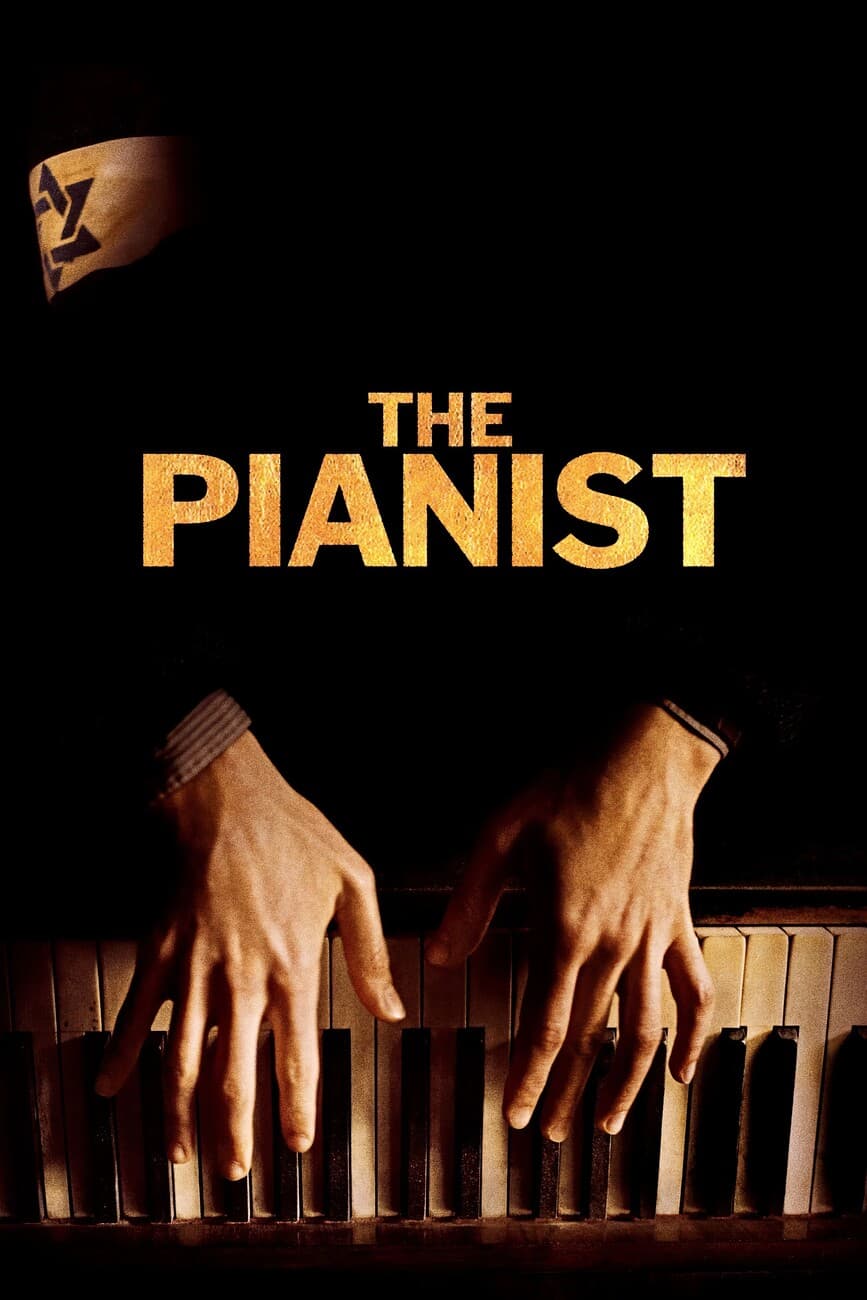
The Pianist
A quiet life unmade by war — and a pianist who refuses to stop listening.
Read the retrospective
→
2006
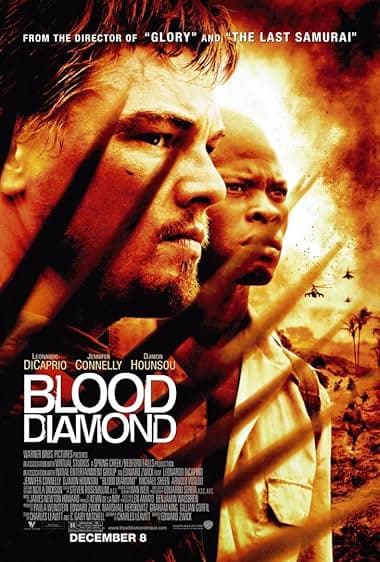
Blood Diamond
A mercenary, a fisherman and a pink diamond — and a film that still asks who pays for our jewellery.
Read the retrospective
→
2003
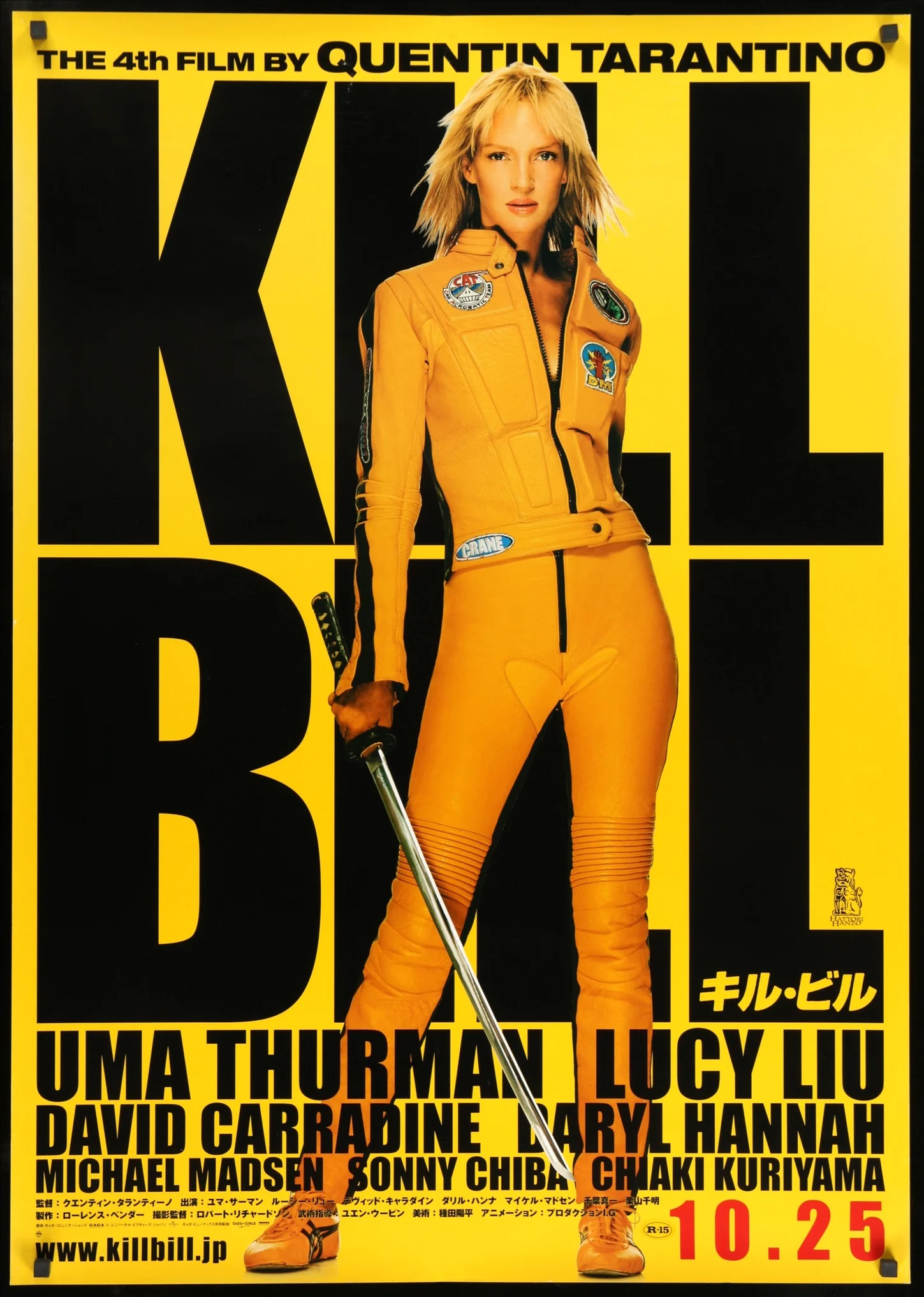
Kill Bill: Volume 1
A yellow jumpsuit, a long list of enemies and one woman who refuses to be finished.
Read the retrospective
→