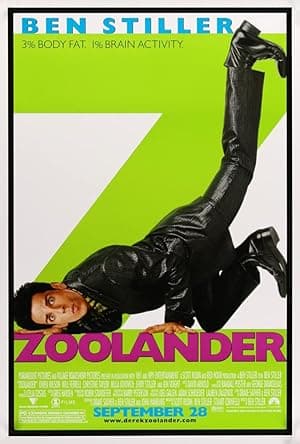
Feature presentation
Derek Zoolander still works because he is the joke you can’t look away from: an incomprehensibly serious male model whose professional meltdown becomes the film’s strangely tender engine. Ben Stiller directs and stars in a brisk satire that pairs runway absurdity with a ludicrous assassination plot. It’s short, sharp and occasionally daft in the best possible way.
THE MOVIE
Derek Zoolander is still the reason this movie works
The film’s centre is a very specific kind of vanity: Derek Zoolander, a three-time Male Model of the Year, suddenly discovers that fame can be taken away and that matters to him in a way that’s almost touching. Ben Stiller both directs the film and plays that misplaced seriousness, which keeps the picture from being only a parade of gags.
What turns the spoof into something with teeth is how personal the comedy is. Derek’s career and sense of self begin to unravel after a humiliating magazine profile and the emergence of a younger rival, Hansel, and the movie lets that unraveling be the engine for jokes and for the plot’s stranger turns.
Then the absurdity shifts into conspiracy: fashion designer Jacobim Mugatu scheming to brainwash an exalted model into assassinating a foreign leader because of threatened business interests. It’s a ridiculous MacGuffin, but one that gives the satire of fashion and celebrity a properly daft spine—part farce, part madcap parable.
THE SETUP
The idea that sets Zoolander in motion
At its simplest, Zoolander is propelled by a fall from fashion grace. Derek’s identity is wrapped up in winning awards and public adoration; when that slips away and a new star rises, his life pins itself to humiliation and confusion.
That personal crisis is threaded into a plot so over-the-top it almost distracts from the character work: Mugatu’s plan to brainwash Derek into killing a foreign prime minister because of threatened industry supply chains. The contrast between petty celebrity squabbles and an absurd assassination plot is the film’s running joke.
The movie keeps returning to the machinery of the fashion world—award shows, photoshoots and a televised walk-off—to stage its comic set pieces and to move the conspiracy along. Those moments do the heavy lifting: they’re where the satire and the story collide.
There’s also a deliberately cartoonish beat early on—a brief gasoline-fight sequence that kills several of Derek’s friends—that ratchets up the stakes in a way that’s more comic-book than realistic, reminding the audience that the film is playing in a heightened register.
THE CHARACTER
Why Derek Zoolander matters
Derek isn’t clever by the movie’s own measure; he’s vain and dim-witted on the surface. But the picture keeps nudging that fragility forward—he’s not a cartoon so much as someone whose identity has been manufactured for him and then yanked away.
That vulnerability is what makes the jokes land. When Derek reacts to being mocked or replaced, the film allows those moments to be more than punchlines; they register as genuine personal confusion rather than mere silliness.
The people around him—Maury Ballstein, his agent, and Larry Zoolander, his father—are presented as industry-enmeshed figures who enable and amplify that fragile self-image. Their behaviour helps explain why Derek behaves like a small celebrity with an outsized sense of self.
It’s worth remembering that the character didn’t begin on a feature set: Derek was developed from short VH1 sketches, which explains why the film often feels like a long, lovingly extended sketch about a man hammered into a celebrity role he cannot fully understand.
UNDER THE SURFACE
Zoolander has more on its mind than the plot suggests
On paper it’s a fashion-world gag: but the satire isn’t content merely to mock outfits and runway poses. The absurdist conspiracy—an assassination scheme dreamed up to protect a supply chain—lets the film lampoon industry power and a chilling moral indifference beneath the gloss.
Identity and fame are the quieter subjects. Derek’s confusion about who he is once his public role collapses makes the comedy unexpectedly sympathetic; the jokes work because there’s a human need behind them, not just a parade of one-liners.
There’s also a darker undercurrent: the movie gestures at commercial exploitation and child labour as a moral backdrop to the industry’s jokes. Even in its farce, Zoolander suggests there are real-world costs to the fashion business it sends up.
Put together, the film weaves satire, identity crises and a deliberately silly conspiracy into a package that rewards laughter and a little unease in equal measure.
THE FILMMAKING
How Zoolander was put together
The look and rhythm of the movie are built around production design and staging rather than subtle realism. The film leans on large, stylised sight-gags—catwalks, fashion montages and the famous walk-off—to sell its jokes, and those sequences are set up and sustained by the physical environments they happen in.
Cinematography and editing are credited in the credits (Barry Peterson as director of photography, Greg Hayden as editor), and the choices on display support the film’s comic intent: images are framed to make poses read clearly and jokes land without overcomplication.
Because the satire depends on showing the world of fashion in an exaggerated way, production design plays a key role: it’s the artifice that the film is mocking and using at once.
All of this means Zoolander operates like a long sketch given feature-level resources—big visual jokes, clear staging and a tempo that doesn’t ask for psychoanalytic patience from its audience.
PRACTICAL EFFECTS
The effects work that gives Zoolander its physical personality
When the movie needs physical business—fights, stunts or sudden physical escalation—it treats those moments as staged set-pieces with a stunt coordinator credited to manage them. The production prefers practical staging for physical sequences rather than leaning on effects-heavy spectacle.
That practical approach keeps the film feeling like a physical comedy at key moments: the rougher beats are presented as choreography rather than cinematic trickery, which fits the film’s theatrical streak.
The gasoline-fight sequence mentioned elsewhere is one of those practical escalations: it reads like a cartoonish rupture in the story’s surface, handled as a stunt-driven moment.
Overall, the practical handling of physical scenes helps the movie stay in the register of broad comedy rather than slip into action-movie pastiche.
PURE 00s
Zoolander could not belong to any other decade
The character of Derek Zoolander began life in short VH1 sketches in the late 1990s, so the film’s move to features carries that sketch sensibility into early-2000s cinema: a long, self-contained parody built around a single absurd persona.
Its heavy use of celebrity cameos and fashion-world in-jokes fits neatly with an era of comedies that relied on star turns and pop-culture shorthand for part of their appeal. Those cameos function as texture as much as punchlines.
There’s also an awkward historical footnote: released in late September 2001, the film’s assassination subplot landed at a moment when critics noted the timing was ill-fitting in the immediate aftermath of September 11. That context affected how the film was received at the time.
Taken together, Zoolander sits comfortably in the early 2000s—part sketch, part star-studded gag machine, and shaped by a moment in which pop-culture references and cameos were a big part of broad comedy’s toolkit.
WATCHING IT NOW
What has aged — and what hasn't
Some of the film’s meat is of its moment: the early-2000s reliance on celebrity cameos and pop-culture in-jokes can make parts of it feel dated. Those references are very much tied to an era of comedy that loved guest turns.
But the Derek Zoolander character himself—originally cut from VH1 sketches—has kept a life beyond that dated texture. The character-based comedy, the string of absurd set pieces built around one very earnest man, has periodically re-emerged on streaming and social platforms, which helps the film feel less anchored to a single year.
In practice, that means viewers who respond to character-based, absurd comedy will often find the central beats still land, while those who look for timeless satire may be more aware of how some references have aged.
The net result is a mixed but not brittle afterlife: parts of Zoolander feel of their time, but the central comic idea—one man’s crisis of identity in a ridiculous world—remains recognisable.
THE LEGACY
Why Zoolander still matters
The movie’s main legacy is simple: it turned a sketch-character into a feature and kept that character alive enough to return in a later theatrical sequel. That stretch from short form to a revisited feature says something about how stubborn the central joke is.
It also helped establish Ben Stiller’s production vehicle, Red Hour Productions, as a place where star-driven comedies could be made. For better or worse, part of the film’s afterlife is tied to its role in that production arc.
Beyond industry matters, Zoolander still appears in conversations about fashion satire in film: when people look back at movies that mock the industry’s excesses, this one often comes up because it marries big, silly ideas to a fairly precise target.
So its staying power is a mix of character durability, production legacy and the fact that its particular brand of satire still has an audience.
THE VERDICT
Does Zoolander still hold up?
Yes—if you go for it with the right expectations. Zoolander is at its best when it stays focused on Derek: his public collapse, his confusion about identity and fame, and the small moments where he’s less a punchline and more a figure of sympathy. That through-line keeps the film from being a mere catalogue of fashion jokes.
The central brainwashing/assassination plot is gloriously bonkers and keeps the satire pointed at industry power rather than at individual victims; the fashion-world set pieces (award shows, photoshoots, the walk-off) do most of the comic heavy lifting and give the film a clear rhythm.
Some sequences—like the gasoline-fight beat—push the comedy into cartoonish territory, which will charm some viewers and baffle others. Hansel’s role as Derek’s foil helps underline the sense of obsolescence that drives the story, while Matilda provides the exposition and the moral push Derek needs.
If you’re curious about a short, 89-minute comedy that mixes character-driven silliness with an absurd conspiracy, this one still repay viewing. It’s not pretending to be anything other than a long sketch about fame, and when it remembers that, it’s worth the watch.
Share this movie
Keep watching
More movies from the 00s
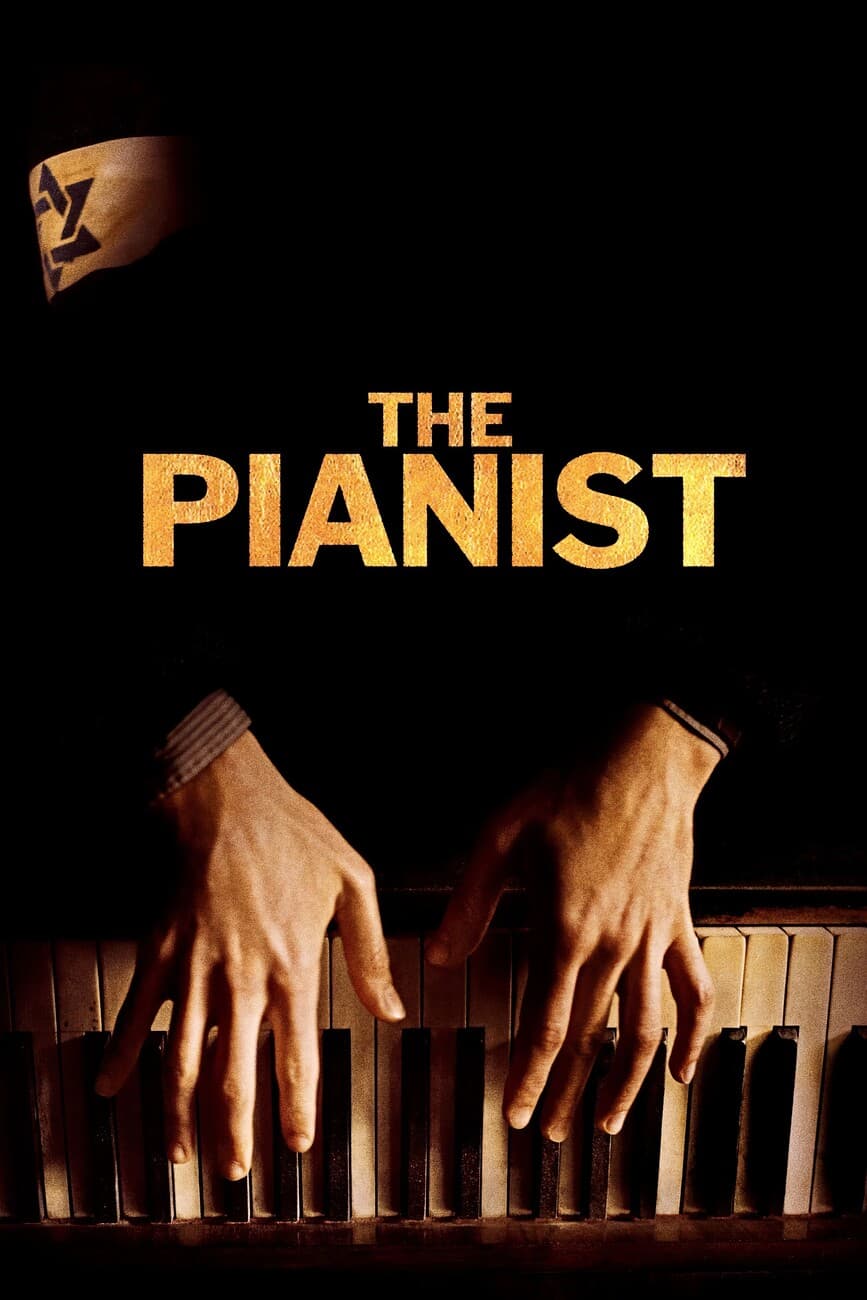
2002
The Pianist
A quiet life unmade by war — and a pianist who refuses to stop listening.
Read the retrospective
→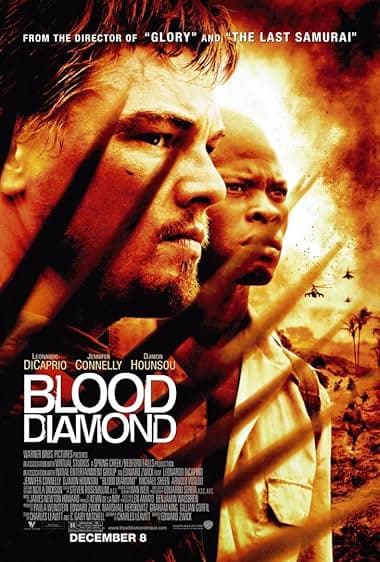
2006
Blood Diamond
A mercenary, a fisherman and a pink diamond — and a film that still asks who pays for our jewellery.
Read the retrospective
→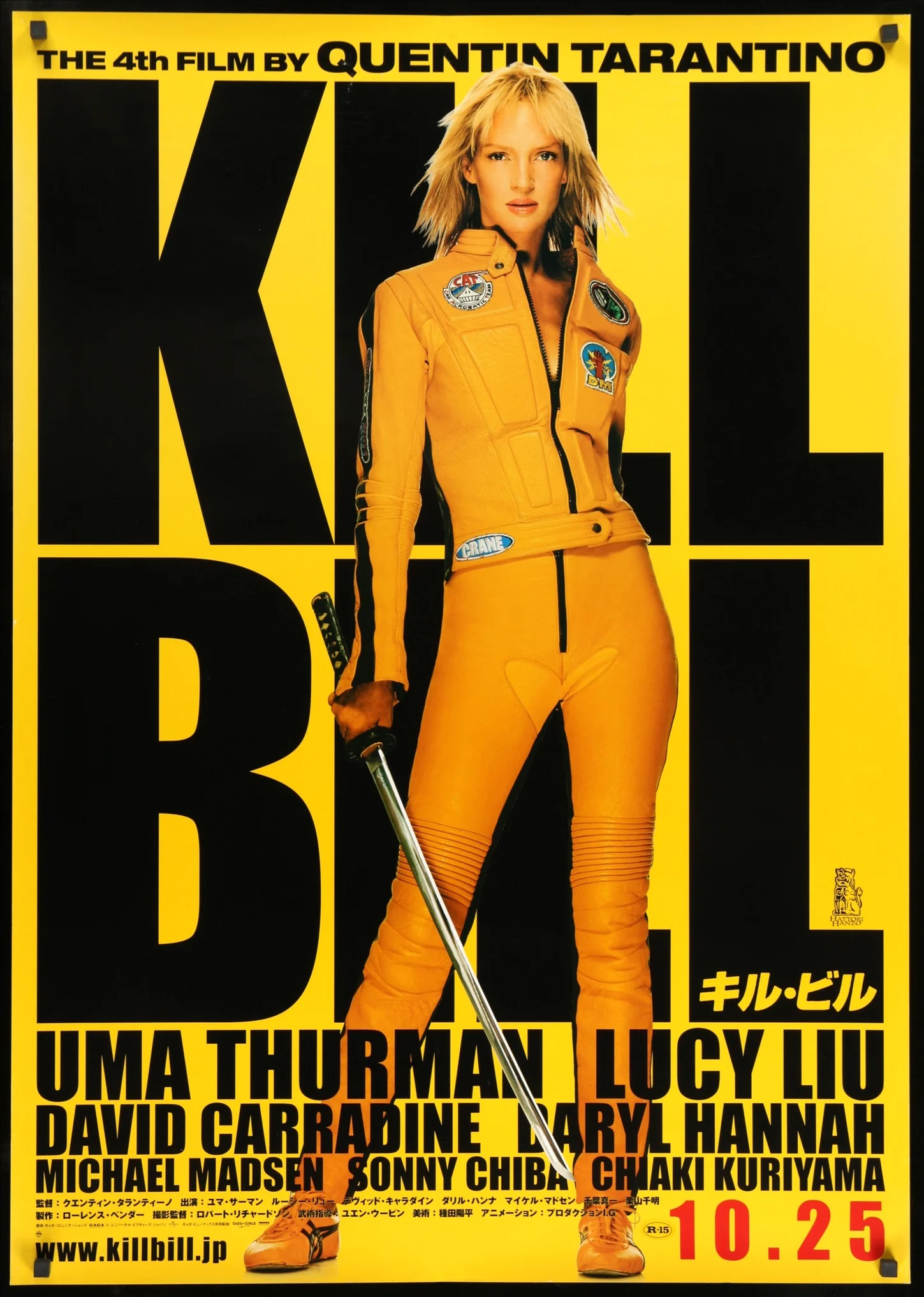
2003
Kill Bill: Volume 1
A yellow jumpsuit, a long list of enemies and one woman who refuses to be finished.
Read the retrospective
→