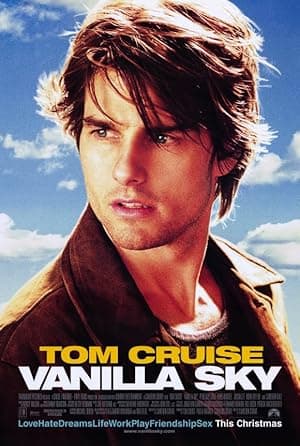
Vanilla Sky
Privilege, prosthetics and lucid dreams — a love story that keeps asking which is awake.
Feature presentation
Vanilla Sky still starts conversations because it refuses to let you settle on what’s real. Cameron Crowe took a story about a self‑indulgent publishing heir, gave it a prosthetic face and a cryonic neat trick, and watched his central character keep getting unmasked — literally and otherwise. It’s messy, emotional and stubbornly strange in the way only certain early‑00s studio films could be.
THE MOVIE
David Aames, Jr. is still the reason this movie works
What keeps people talking about Vanilla Sky isn’t a gimmick so much as a person — David Aames, Jr., a very wealthy, very spoiled New Yorker whose life is ripped open when a jealous lover rigs a car crash that kills her and leaves him physically scarred. The prosthetic mask he’s forced to wear becomes shorthand: appearance and identity are no longer in sync.
Cameron Crowe took Alejandro Amenábar and Mateo Gil’s Spanish template and recast it for an English‑speaking audience, keeping the story’s questions about reality but reshaping them around a star with a very particular public image. That’s part of the gamble the film spends two hours and change playing out.
Beneath the melodrama is a simple dramatic trait that still hooks: a man used to skimming consequence must finally face it, and the film won’t let him off the hook. It’s messy, sometimes confused, and dangerously interested in how a single choice — and a single wound — can make someone either honest or deluded.
THE SETUP
The idea that sets Vanilla Sky in motion
You don’t need a blow‑by‑blow to understand the engine under Vanilla Sky: David Aames is privileged and careless, a life built for not having to pay for emotional consequences. Then a jealous lover deliberately causes a crash that kills her and mangles his face, and everything changes.
From that moment the film turns on a single, unsettling possibility — David’s experience after the crash may not be straightforward waking life. The story plants the idea that some of what we see could be a carefully maintained lucid dream.
That lucid‑dream device is delivered through the film’s Life Extension program: a cryonics‑adjacent mechanism that keeps people in designed dream states until a future cure. It’s both a plot engine and a moral test: do you choose the dream that soothes you, or the pain of reality?
All of which means Vanilla Sky is less interested in mystery for mystery’s sake than on how a man who’s avoided responsibility handles being forced to reckon with himself — and whether the world he prefers is even available to him anymore.
THE CHARACTER
Why David Aames, Jr. matters
David is a very particular kind of lead: he’s rich, careless and used to everything revolving around his wants. That makes him a dangerous centre for a story about responsibility, because his instinct is to avoid consequences rather than sit with them.
What turns him into a character rather than an archetype is how his brief, honest relationship with Sofia reveals a version of himself he rarely shows. That connection becomes the thing he mourns and craves, and it’s the yardstick by which his later choices are judged.
The people around him are mirrors. Brian, his best friend, isn’t just background banter — his practical handling of David’s life and mistakes has knock‑on effects that matter to the plot. The film uses these relationships to keep tugging David between denial and accountability.
Put simply: if the movie works, it’s because you care whether this person learns anything. The prosthetic, the lucid‑dream framing and the melodrama around him are all there to test whether David can stop being the man he was.
THE PERFORMANCE
Why Tom Cruise's performance matters
Tom Cruise’s turn as David was always going to be read against his star persona, and contemporary commentary reflected that. Some critics found his commitment convincing; others said his detached public image made it hard to feel for the character.
That split is important because the film asks you to either buy into David’s interior life or to watch him fail publicly. Reactions to the performance say less about a single acting choice and more about whether viewers were willing to let Cruise’s celebrity sit inside the role.
So, what Cruise brings is a particular pressure: his presence forces the audience to decide if David’s unraveling is a character arc or an extended celebrity performance. That was part of the conversation at the time, and it hasn’t entirely gone away.
Viewed through the movie’s themes, the performance functions as another lens on identity — both the character’s and the actor’s — rather than being a neutral, invisible conduit for the story.
UNDER THE SURFACE
Vanilla Sky has more on its mind than the plot suggests
On the surface it’s a thriller‑melodrama about a man injured by his own reckless life. Underneath, it’s obsessed with the blurry line between dream and waking life — how desire can remake reality and how much of our identity clings to how we look and are seen.
Identity and self‑image are constant refrains: the prosthetic face, the longing for Sofia, the option to opt into a dream that spares pain — every choice in the film asks whether you can be the person you want to be if the world around you won’t recognise the change.
Guilt and the search for redemption play through David’s reluctance to accept responsibility. The Life Extension option offers an easy escape, but the drama comes from whether escape actually redeems you or simply postpones judgement.
Finally, the film folds technology into the moral question. The cryonic, dream‑maintenance idea is a way of asking whether technological solutions to inner problems are liberating or simply another layer of avoidance.
THE FILMMAKING
How Vanilla Sky was put together
Vanilla Sky was built with a crew that reads like a blend of prestige and mainstream craft: John Toll handled cinematography while editors such as Joe Hutshing and Mark Livolsi shaped its rhythm, and Catherine Hardwicke led production design. Those choices give the movie a deliberate, cinematic feel that sits alongside its studio gloss.
That mix matters because the film intentionally moves between intimate confession and bigger‑scale set pieces; editing and design determine whether those jumps feel jarring or emotionally coherent. The production credits point to a film aiming for both scale and human detail.
Crowe’s authorship — he wrote and directed the adaptation — means the movie wears a clear creative stamp. The technical crew were the translators of that stamp, turning a European story into a Hollywood‑shaped experience.
All of which is to say: Vanilla Sky looks and sounds like a film that wanted to be taken seriously while still operating inside a mainstream marketplace, and the filmmaking personnel reflect that ambition.
PRACTICAL EFFECTS
The effects work that gives Vanilla Sky its physical personality
The film’s depiction of post‑accident disfigurement hinges on a facial prosthetic mask, a physical element that the story treats seriously rather than as a throwaway. The makeup work was prominent enough to earn industry recognition.
That prosthetic isn’t just a prop; it’s a plot device that constantly reminds viewers the protagonist is living with visible consequence. By making the injury tangible, the film keeps the stakes in the real world even as it plays with dream logic.
On a different scale, the movie staged a deserted Times Square sequence, which relied on real location staging and traffic control rather than pretending emptiness was purely a digital trick. Large practical set pieces like that give certain scenes a concrete, uneasy atmosphere.
Between the intimate prosthetic work and the big‑location stunts, the film uses practical techniques to root its more speculative ideas in things you can touch and see.
PURE 00s
Vanilla Sky could not belong to any other decade
Released at the end of 2001, Vanilla Sky belongs to a moment when Hollywood liked to pair prestige directors and megastars and sell something that felt both thoughtful and slick. It’s very much an early‑00s studio picture in that sense.
It also sits beside a clutch of late‑90s/early‑00s films fascinated by simulated realities and perception — think The Matrix or Mulholland Drive — and so it taps into a cultural preoccupation with what’s real and what’s constructed.
The film’s production history is part of another early‑00s pattern: American studios acquiring successful European films to remake for English audiences. Crowe’s adaptation of Abre los ojos is a clear example of that transnational exchange.
Even small production details underline its period: principal photography began in late 2000 and included large‑scale New York shoots, a reminder this was a big‑budget, big‑ambition project at the time.
WATCHING IT NOW
What has aged — and what hasn't
Vanilla Sky hasn’t disappeared. It gathered a persistent cult following and keeps getting revisited through retrospectives and home‑video reissues, including a limited 20th‑anniversary Blu‑ray. People still want to talk about it.
Certain elements travel better than others. Retrospective attention often highlights the film’s music and the cinematography — the things that create atmosphere — while discussions about the screenplay remain more mixed.
That mixed critical response has remained part of its afterlife: reviewers praised performances and technical bits while calling out tonal wobble and narrative coherence. Those same tensions are what make the film interesting to return to.
So watching it now is an uneven pleasure: some pieces — score, photography, mood — hold up as reasons to revisit, while the script’s structural choices still make it a film you’ll argue with as much as enjoy.
THE LEGACY
Why Vanilla Sky still matters
Part of the film’s afterlife is simply structural: it’s a visible example of Hollywood’s habit of remaking successful European films, and the fact that Penélope Cruz appears in both versions keeps that lineage alive.
Another strand of its legacy is musical: Paul McCartney’s original song for the film received industry recognition with an Academy Award nomination, which keeps the soundtrack in conversations about the movie.
Finally, the continued availability of the film — through multiple home‑video editions and anniversary releases — means it’s still a touchpoint for discussions about transnational remakes and early‑00s studio experiments in genre blending.
THE VERDICT
Does Vanilla Sky still hold up?
Short answer: yes — but with caveats. Vanilla Sky is a movie that rewards viewers who enjoy being unsettled. Its core is a man whose privilege has taught him to dodge responsibility; the crash that disfigures him and the Life Extension option that might erase the pain force a moral reckoning the film never lets you forget.
The narrative deliberately keeps you off balance by framing the story as David recounting his life while wearing a prosthetic mask, which makes the whole thing an exercise in unreliable perception. That structure can frustrate but it’s also the source of the film’s energy.
Some parts age better than others. The technical ambition — large New York shoots, a striking soundscape and bold cinematography — still gives the film presence, while tonal inconsistencies in the screenplay continue to divide viewers.
If you’re curious about a film that sits at the intersection of melodrama, psychological thriller and speculative fiction, and you don’t mind a story that asks more questions than it neatly answers, Vanilla Sky is well worth a revisit. It’s a movie that insists on putting its lead in front of his own reflection and refusing to let him look away.
Share this movie
Keep watching
More movies from the 00s
2002
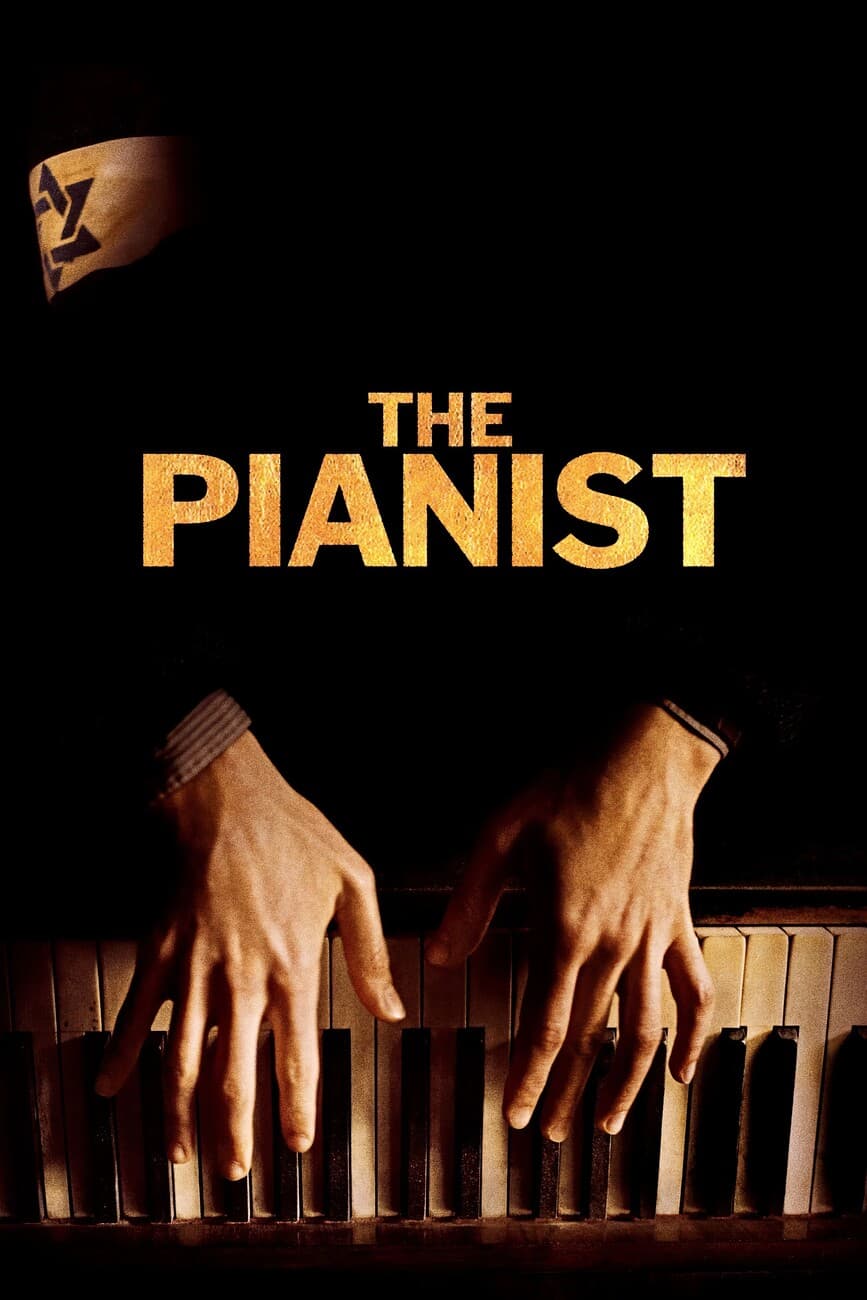
The Pianist
A quiet life unmade by war — and a pianist who refuses to stop listening.
Read the retrospective
→
2006
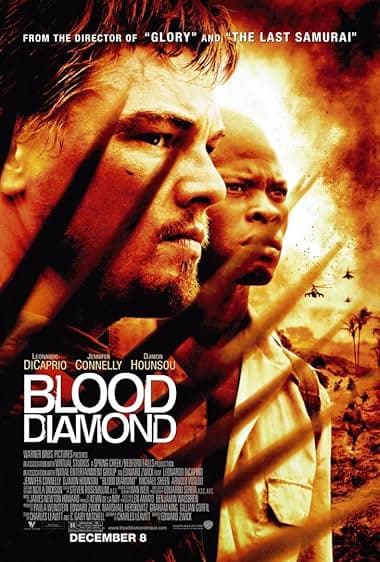
Blood Diamond
A mercenary, a fisherman and a pink diamond — and a film that still asks who pays for our jewellery.
Read the retrospective
→
2003
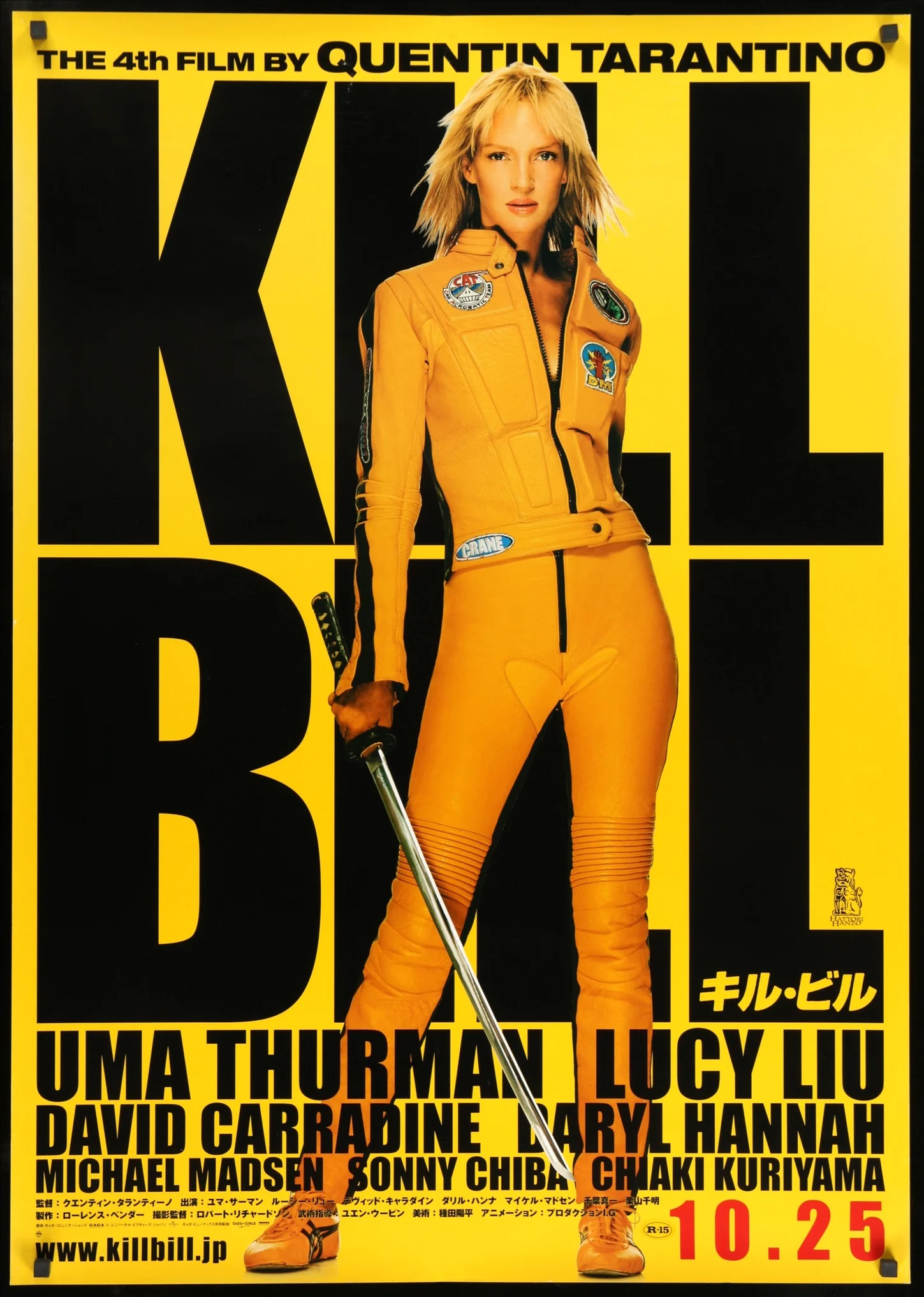
Kill Bill: Volume 1
A yellow jumpsuit, a long list of enemies and one woman who refuses to be finished.
Read the retrospective
→