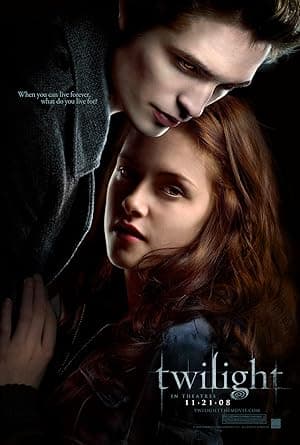
Twilight
Teenage longing, family secrets and a very particular kind of danger — Bella makes Twilight worth the rewatch.
Feature presentation
Move past the internet jokes for a minute: Twilight still feels like a movie lived in by one clear point of view. Bella Swan's move from Phoenix to Forks and the curiosity she carries with her is the engine that pulls everything else along — the quiet romance, the odd household rules, and the sense that danger is never far away. Catherine Hardwicke’s film leans on that interior life, and that’s why it still sparks conversation.
THE MOVIE
Bella Swan is still the reason this movie works
The film starts with something very simple: a teenager uproots her life to a wetter, quieter town and we watch how that move rearranges everything around her. Bella Swan’s relocation from Phoenix to Forks is the ordinary hook that the movie uses to open a much less ordinary story.
From her seat in biology, Edward Cullen acts as if he has nothing to do with Bella — and because he behaves like that, she becomes curious. That antipathy is the small, precise shove that sends their relationship spinning into its strange orbit.
Twilight is deliberately told through Bella’s eyes. The movie borrows the book’s first-person angle with selective voice-over and visual focus on what she’s thinking and feeling, and that choice is what turns a melodramatic premise — a human falling for an immortal — into a personal, sometimes claustrophobic teen romance.
THE CHARACTER
Why Bella Swan matters
Bella is not a side character who happens to be in love with a vampire; she’s the viewpoint the film invites you to live inside. Because the camera keeps returning to her interior life, almost every scene is coloured by her perspective.
That inward focus makes the film less about supernatural spectacle and more about the experience of being an outsider landing in a new community. Bella’s move to Forks makes her the newcomer around whom the town and its strange residents rotate.
Her relationship with the Cullens is another reason she matters. The family is presented as a tightly managed, quasi-adoptive household — a group that must decide, in small ways and large, how much of themselves to let Bella see and how much to hide.
Put simply: Bella is where the film’s emotional questions live. The choices the Cullens make around her, and the threats that arrive because of her, only have meaning because she’s the one doing the noticing.
THE PERFORMANCE
Why Kristen Stewart's performance matters
Contemporary reactions to the film made one thing plain: casting Kristen Stewart as Bella was central to what the film became. Critics noticed the choice and treated her presence as a crucial ingredient in the movie’s identity.
That attention matters because the film gives Bella so much to carry. She is the filter for tone, mood and even suspense, so the actress in the role naturally draws focus from reviewers and viewers alike.
The assessments were mixed — not everyone agreed on whether that presence worked perfectly — but the fact that critics locked onto Stewart shows how much the movie relies on its central casting to hold the story together.
So when you watch Twilight now, part of the experience is watching how the film rearranges itself around its lead. Her casting is a structural decision, not a decorative one.
UNDER THE SURFACE
Twilight has more on its mind than the plot suggests
On the surface, Twilight is a romance about a human and an immortal. Beneath that, the film keeps returning to the business of being an outsider: who belongs where, and what you have to change or hide to be accepted.
Forbidden love is the obvious engine — a relationship that breaks the ordinary rules of community — but the film treats that transgression as part of a teenager’s coming-of-age. Growing up, in Twilight, involves confronting desire and learning who you are around other people.
Identity and belonging thread through the Cullens’ reactions to Bella too. Their family dynamic looks after and shields a newcomer while also asking whether she can fit into a household that lives by its own rules.
There’s also a constant tension between restraint and appetite. The story stages moral control against the force of desire, and that argument is more emotional than juridical: it’s about what you must deny to live with others, and what you might risk if you don’t.
THE FILMMAKING
How Twilight was put together
One of the film’s clearest decisions is its look. Cinematographer Elliot Davis and director Catherine Hardwicke leaned into a muted, overcast palette that keeps things private and a little damp. The effect is a mood you feel almost like weather.
That visual choice supports the story’s idea of seclusion: this is a romance that unfolds in close quarters, under a sky that doesn’t offer much brightness. It’s not about spectacle so much as interior atmosphere.
Hardwicke’s preference for handheld-camera intimacy also helps the film feel nearer to Bella’s experience. It’s the kind of staging that keeps us close and sometimes off-balance, which suits a tale told through a character who has just arrived and is still figuring things out.
Put together, those filmmaking choices make Twilight less like a glossy fantasy and more like a contained, moody drama where the world presses in on its characters rather than opening up around them.
PRACTICAL EFFECTS
The effects work that gives Twilight its physical personality
The film represents its vampires’ unusual skin and how it interacts with sunlight by combining makeup work with digital techniques. It’s not a single trick but a blended approach meant to sell a specific, otherworldly look.
That mixture keeps the creatures grounded in the physical world while allowing certain moments to read as supernatural. The choice to mix methods signals a pragmatic attitude: get the look right by using what serves the scene.
Because the vampire appearance is tied to key emotional beats — when characters reveal themselves, when the threat is visible — the effects are less about spectacle and more about giving the story a consistent physical vocabulary.
Seen this way, the effects are part of the film’s language. They tell you when something is ordinary and when something extraordinary has entered the scene.
PURE 00s
Twilight could not belong to any other decade
Released in November 2008, Twilight arrived at a moment when Hollywood was waking up to the commercial potential of young-adult adaptations. Its timing put it squarely in the late-2000s surge for franchisable YA properties.
Summit Entertainment’s backing and the immediate studio greenlight for a sequel show how the film was read from the start as something that could expand beyond one movie. That early commitment shaped how the film was positioned in the market.
The adaptation from Stephenie Meyer’s bestselling novel also cemented Twilight’s place as the first film in a multi-picture franchise — the movie was designed, in part, to start a larger story the studio expected to continue.
So while the story itself feels intimate, its production and release were very much of their time: a studio-era willingness to turn a popular book into an ongoing property and to plan a franchise from the outset.
WATCHING IT NOW
What has aged — and what hasn't
As a teen vampire drama, Twilight still reads clearly: the genre markers are in place and the film doesn’t try to hide them. If you go in expecting a teenage romance threaded through with supernatural danger, the story still delivers on those promises.
The film’s focus on identity and belonging holds up particularly well. The emotional logic of a newcomer trying to fit into a closed group — and the Cullens’ choice to protect or exclude — remains relatable even if some of the surface trappings feel dated.
The external threat, too, remains functional. A trio of nomadic vampires provides a tangible danger that pulls the narrative out of private longing and into physical stakes; that shift from romance into peril is still narratively satisfying.
What feels more of its moment is the film’s teen sensibility: it belongs to the era of YA adaptations and reflects the storytelling choices that made those movies tick. If that era appeals to you, Twilight still plays; if not, the film’s mood and tempo can feel slow by modern blockbuster standards.
THE LEGACY
Why Twilight still matters
Twilight’s most obvious legacy is what came after: it launched a multi-film franchise and was followed quickly by a studio greenlight for the next instalment, making it commercially significant for its distributor.
The film also changed things for its leads. The movie raised the profile of Kristen Stewart and Robert Pattinson, who carried those roles into the franchise’s later films and became international stars as a result.
There’s also a concrete industry milestone attached to its opening: the film’s first weekend set a then-record for a female-directed film’s debut — a data point that still gets mentioned when talking about women in commercial directing roles.
Taken together, those elements explain why the movie continues to be talked about: it wasn’t just a single film, it was the beginning of a franchise that reshaped a slice of studio strategy and the careers involved.
THE VERDICT
Does Twilight still hold up?
Yes — with a caveat. If you’re watching for a moody, character-led teen romance that treats its supernatural elements as the rules around which people must arrange their lives, Twilight still works. The film builds everything around Bella’s point of view: her move to Forks, her curiosity about Edward, and the way that curiosity drags an otherwise private household into the light.
The movie also balances intimacy with real danger. The arrival of James, Victoria and Laurent gives the plot a physical threat that escalates the story from romance into a thriller of sorts, and a substantial middle section shows the Cullens taking protective measures while Bella pieces together vampire lore.
Your enjoyment will depend on what you want from it. The film’s 121-minute runtime, Catherine Hardwicke’s restrained approach and the decision to make Bella the narrative filter make Twilight a slow-burn rather than a spectacle; contemporaneous responses made clear that Kristen Stewart’s casting and screen presence are central to that effect, and critics were divided on how well it paid off.
If you’re curious about the franchise’s origins or want to see a film that privileges feeling and rules over fireworks, give it a go. It’s a film held together by a very particular choice — telling everything through Bella — and for better or worse, that choice is what makes Twilight memorable.
Share this movie
Keep watching
More movies from the 00s
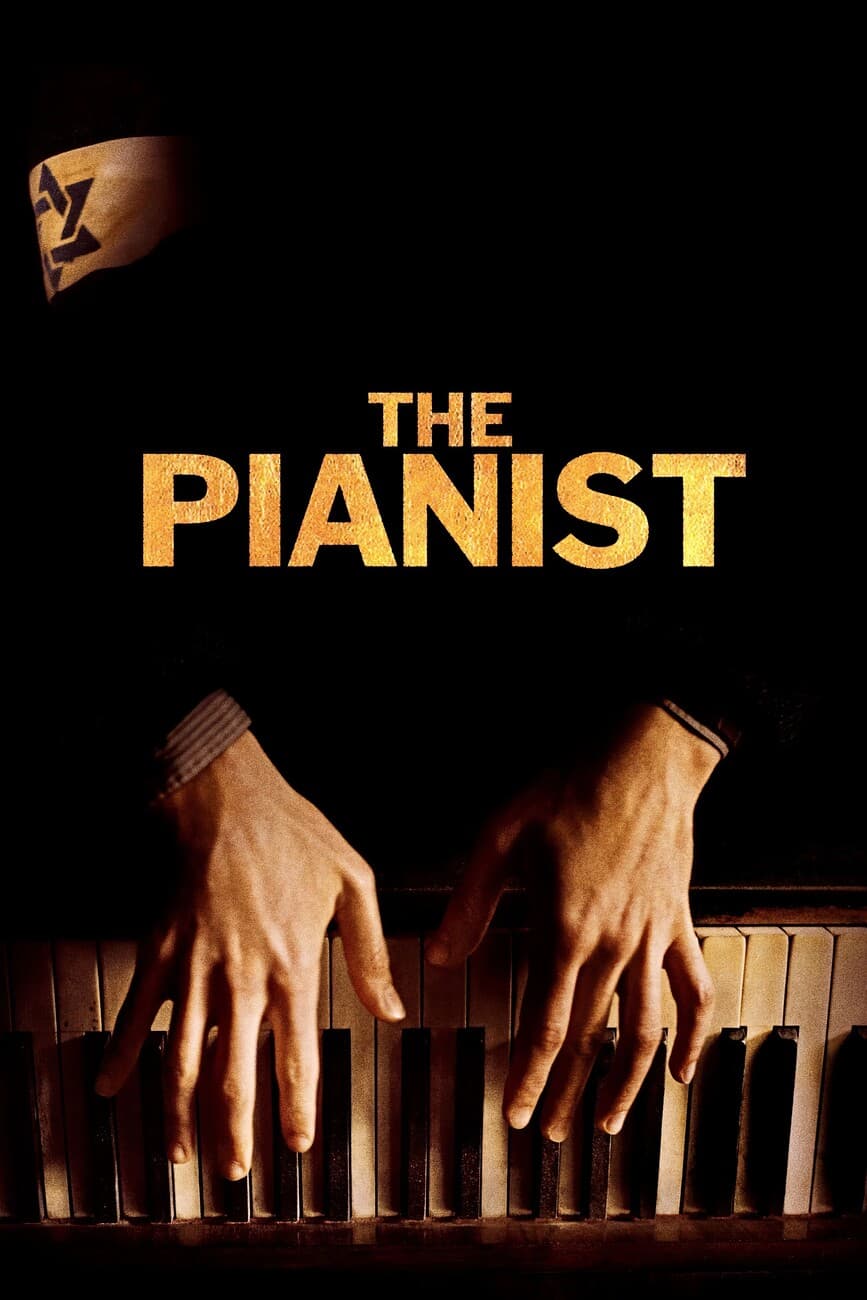
2002
The Pianist
A quiet life unmade by war — and a pianist who refuses to stop listening.
Read the retrospective
→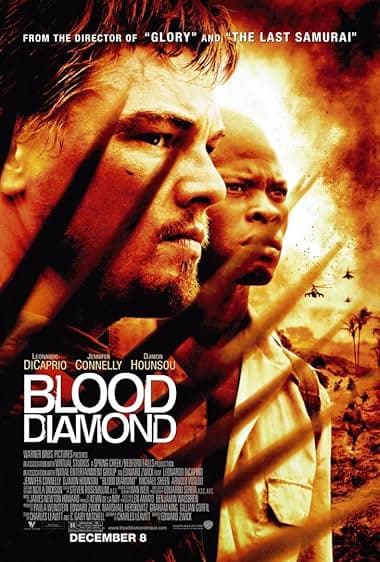
2006
Blood Diamond
A mercenary, a fisherman and a pink diamond — and a film that still asks who pays for our jewellery.
Read the retrospective
→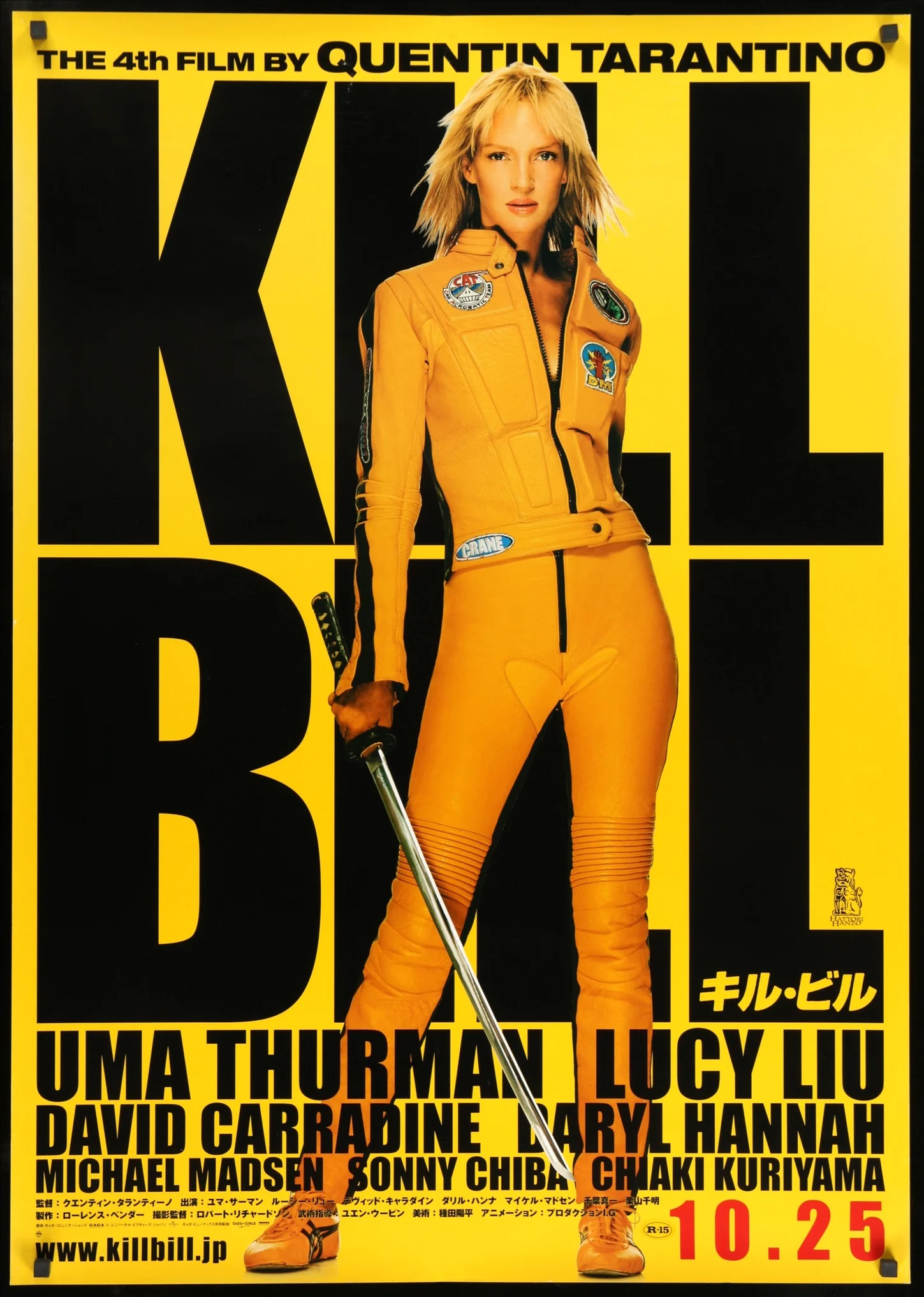
2003
Kill Bill: Volume 1
A yellow jumpsuit, a long list of enemies and one woman who refuses to be finished.
Read the retrospective
→