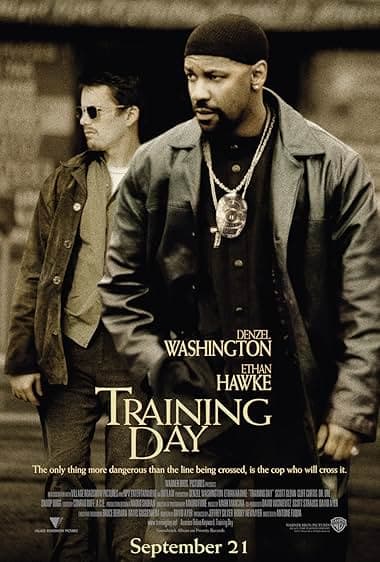
Training Day
One long day, two officers — and the magnetism of a cop who makes corruption feel like a lesson.
Feature presentation
Training Day still arrives with the same punch: a rookie sent out for one evaluation day, a veteran who teaches by intimidation, and a pressure-cooker of raids and moral choices that never lets the audience relax. Antoine Fuqua’s 2001 thriller hooks itself to that tense one-day premise and refuses to let go.
THE MOVIE
Alonzo Harris is still the reason this movie works
You remember the shape of the film before anything else: a rookie cop riding shotgun for a single 24-hour evaluation. That sharp constraint — Jake Hoyt spending one day with veteran narcotics detective Alonzo Harris — gives the whole picture an urgent, almost claustrophobic rhythm.
What keeps people talking about Training Day isn’t just the premise but who fills it. Alonzo arrives as both mentor and antagonist, a man whose authority is built on street smarts, intimidation and a track record of corrupt methods. The movie stages its moral test through stops and encounters that keep redefining what ‘doing the job’ actually means.
Antoine Fuqua directs with a forward momentum that treats the day like a tightening vice: incidents pile on incidents, and each one reveals a new edge of the city’s order — or the lack of it. For viewers, the result is a ride you don’t want to get off.
THE SETUP
The idea that sets Training Day in motion
The movie’s engine is intentionally simple: rookie Jake Hoyt must spend a single day being evaluated for the narcotics unit. That 24-hour cage match forces choices to be urgent and public, which is why every stop feels consequential.
Fuqua and the script use concrete police mechanics — staged raids, deceptive warrants, meetings with gang members and informants — not as procedural detail for its own sake but as tools to push character into revealing themselves.
As the day goes on, Alonzo’s world keeps unfolding: small acts of authority become tests, and Jake’s answers to them measure more than competence. They measure whether he’ll bend the law to survive inside the system he wants to join.
The premise is tidy and ruthless: compress a career’s worth of compromise into one bright, brutal day and see which way a young man leans.
THE CHARACTER
Why Alonzo Harris matters
Alonzo Harris isn’t memorable because he’s simply ‘bad’. He matters because he’s a whole operating system: a charismatic narcotics detective whose grip comes from knowing the streets, from leaning on fear and from a pattern of corrupt practices that he treats as professional competence.
That mix — charm plus calculated menace — makes him more than a foil. He functions as the day’s teacher, offering lessons in power that are as procedural as they are ethical. The position of mentor and antagonist at once is what keeps the drama taut.
The character’s private life and wide-reaching connections are part of that pressure. Alonzo maintains personal ties that thread into the plot — a mistress and a son — and his relationships with other officers suggest the rot might not be isolated to one man.
All of which makes him the axis the film turns on: take Alonzo away and the one-day experiment loses its point.
UNDER THE SURFACE
Training Day has more on its mind than the plot suggests
On the surface it’s a crime thriller about cops and drug dealers. Underneath, it’s chiefly concerned with how mentorship can be weaponised: that an experienced officer can teach a rookie not just methods but compromises.
Closely tied to that is moral ambiguity. The film repeatedly stages moments where law and street-level order point in different directions, forcing characters to decide which version of justice they’ll answer to.
Police corruption and institutional rot are threaded through the day’s encounters. Because the story reveals Alonzo’s wider network, the film asks whether these are individual choices or signs of a system that allows — even rewards — certain behaviour.
Put simply: the movie isn’t just about catching criminals. It’s about what the job asks of you and whether the badge lets you walk away when you disagree with the rules.
PURE 00s
Training Day could not belong to any other decade
Training Day arrived in 2001, a moment when public attention was already attuned to stories about LAPD corruption. Contemporary critics linked the film’s subject matter to late‑1990s and early‑2000s coverage of scandals such as Rampart.
Its Venice premiere and early-September festival appearance placed the movie at a cultural inflection point; by the time it opened in October, reviewers were reading it through a new, tighter national mood.
That combination — a film about institutional misconduct released when the conversation about policing was highly charged — gives the movie a specificity tied to its moment. It’s not mere nostalgia: the film stepped into the questions people were already asking.
Which is partly why Alonzo landed on AFI’s list of memorable screen villains a couple of years later: the character resonated with the era’s anxieties.
WATCHING IT NOW
What has aged — and what hasn't
The mechanics the film uses — staged raids, deceptive warrants, confrontations with informants and gang members — still function as a machine for revealing character. Those setpieces don’t feel like cheap tricks; they’re the film’s way of putting pressure on the characters and watching choices happen in real time.
Alonzo as a figure has also kept his teeth. The fact that AFI later included him among notable screen villains underlines how the character remained a recognisable reference point after release.
That said, the film’s power relies less on novelty than on the way it confines everything to one day. The compressed timeframe still makes decisions feel urgent and believable to modern viewers.
So when you rewatch it now, expect the structure and the moral squeeze to hold up — they are the parts that time treats kindly.
THE LEGACY
Why Training Day still matters
Part of the film’s staying power is plain and concrete: Denzel Washington’s turn earned the Academy Award for Best Actor, and Ethan Hawke received a Best Supporting Actor nomination the same year. Those recognitions kept the film in the conversation.
Alonzo Harris being placed on AFI’s list of notable screen villains is another clear marker: the character lodged in the public imagination as a memorable representation of a corrupt but magnetic figure.
There’s also the fact that the film’s premise was flexible enough to be revisited on television in 2017 — not a direct sequel but a signal that the central set-up still felt worth exploring.
Taken together, these points explain why Training Day remains a film people return to: it offers a durable narrative experiment, a memorable central figure, and recognition that ensured it didn’t drift away.
THE VERDICT
Does Training Day still hold up?
Yes — but with a rider. If you’re drawn to tightly plotted moral pressure-cookers, Training Day delivers. The entire film is a deliberately confined test: a rookie is placed under a veteran’s authority for one day, and the story forces quick, consequential choices.
The setpieces — staged raids, deceptive warrants and encounters that reveal Alonzo’s wider methods — are there to ratchet the stakes, not to pad the runtime. The compressed timeframe works; it makes every hesitation count and every concession meaningful.
The central conflict is straightforward and effective: Jake wants the narcotics slot and wants to prove his integrity, while Alonzo tests and challenges that integrity with brutal pedagogy. That push-and-pull is where the movie gets tension and keeps it for its 122 minutes.
So if you’ve never seen it, watch it for the moral experiment and the way the day forces the characters to reveal themselves. If you’re revisiting, expect the structure and the character dynamics to remain the film’s strongest assets.
Share this movie
Keep watching
More movies from the 00s

2002
The Pianist
A quiet life unmade by war — and a pianist who refuses to stop listening.
Read the retrospective
→
2006
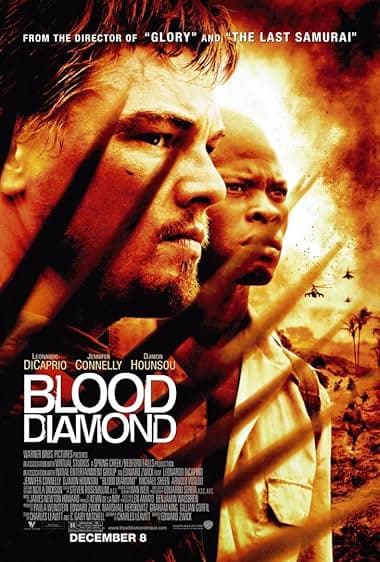
Blood Diamond
A mercenary, a fisherman and a pink diamond — and a film that still asks who pays for our jewellery.
Read the retrospective
→
2003
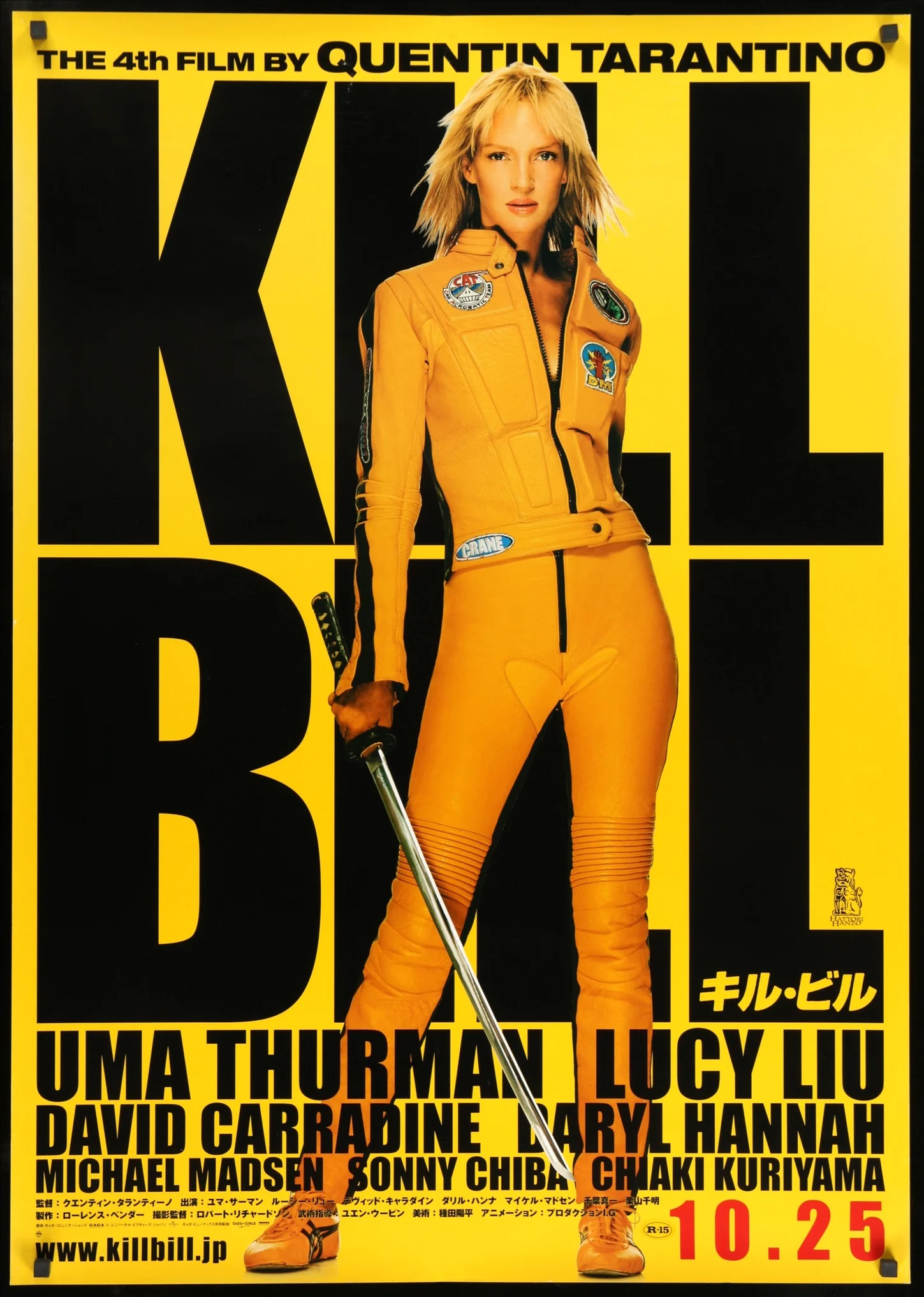
Kill Bill: Volume 1
A yellow jumpsuit, a long list of enemies and one woman who refuses to be finished.
Read the retrospective
→