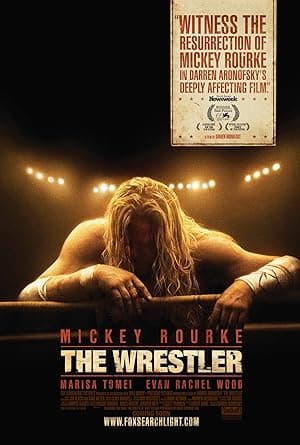
The Wrestler
A bruised performer still trying to be himself — and the ring won’t let him go.
Feature presentation
The Wrestler is the kind of film people still bring up when the subject turns to second acts and the cost of clinging to a life. Darren Aronofsky’s 2008 drama follows Randy “The Ram” Robinson as he shuffles between supermarket shifts and weekend wrestling shows, and it insists that you keep watching because Randy refuses to stop.
THE MOVIE
Randy "The Ram" Robinson (also credited as Robin Ramzinski) is still the reason this movie works
If you ask what lingers from The Wrestler, the answer is simple: Randy "The Ram" Robinson. He’s a one-time pro-wrestling star reduced to weekend club shows and a supermarket shift — and the film never lets you forget the distance between who he was and what he now has to settle for.
Aronofsky introduces that gap in the bluntest way: early sequences of low‑paying matches, a trailer for a home, the ritual of getting back into a costume for a crowd that doesn’t owe him anything. Those moments set the tempo — small, gritty, unglamorous — and they explain why Randy keeps returning to the ring.
This is a Darren Aronofsky picture from 2008 that centres on a single stubborn man, played by Mickey Rourke. The film’s questions — about identity, aging and whether a performer can ever truly step offstage — live and die with him.
THE SETUP
The idea that sets The Wrestler in motion
The Wrestler is compact and focused. It follows Randy at a point where the spectacle that once defined him has become a practical nuisance and a source of pain.
That friction is the central engine: Randy must confront a medically advised retirement and the very messy fallout that follows — not just the financial awkwardness, but the emotional problem of giving up the thing that tells him who he is.
On the surface the film tracks someone switching jobs and attempting ordinary life; underneath it keeps returning to the ring because that’s where Randy finds community, routine and a useful illusion of control.
Aronofsky repeatedly uses the contrast between staged ring spots — the choreographed business of performance — and the actual physical damage Randy takes. It’s a neat trick: the movie blurs the line between theatre and injury so you keep wondering whether the harm is part of the show or the terrible price of being that performer.
THE CHARACTER
Why Randy "The Ram" Robinson (also credited as Robin Ramzinski) matters
Randy isn’t memorable because he’s flashy; he’s memorable because the film commits to him. Mickey Rourke’s Randy is a man whose identity has been welded to a persona — the Ram — and who now has to live in the cold space between that persona and a quieter life.
That tension is why other characters matter. Cassidy offers a domestic alternative, but she’s also a performer in her own way, which makes any ordinary life they could build together complicated rather than simple.
Randy’s daughter Stephanie does the job all estranged family members do in good drama: she forces him to face responsibilities that don’t come with an audience. Her presence highlights the personal cost of a career built on spectacle.
A small detail that pays off is the fact that the production prepared the role realistically — Rourke trained with wrestling trainers — which helps make Randy feel lived-in rather than sketched. The film’s awards and attention also underline that the character landed for a lot of viewers and critics.
THE PERFORMANCE
Why Mickey Rourke's performance matters
Contemporary coverage of The Wrestler homed in on Mickey Rourke in a way that felt like a story beat of its own: critics and awards bodies treated his turn as a major comeback, and the film’s awards-season life reflected that attention.
That recognition matters because it signals the film succeeded at what it set out to do — make a character feel urgent and present. The notices and nominations the film received underline that Rourke’s Randy landed with audiences and critics.
UNDER THE SURFACE
The Wrestler has more on its mind than the plot suggests
At first glance The Wrestler reads like a tight drama about a washed-up star. But its concerns sit in a cluster: aging and identity, the friction between who you are onstage and who you are off it, the real bodily cost of spectacle, and how that life isolates you from ordinary relationships.
Aging here isn’t wistful; it’s practical. The film is interested in the way a body’s decline forces choices and in how habit and habit’s applause can be harder to give up than a job.
The line between performance and self is a running itch in the film. Randy’s life is threaded through with rehearsed violence and ritual — and the movie keeps asking what remains of the man when the script is stripped away.
Loneliness and estrangement are never sentimental in The Wrestler. They’re practical consequences: missed birthdays, fragile relationships, and friendships that exist because the ring is where everyone meets.
THE FILMMAKING
How The Wrestler was put together
A big part of the film’s tone comes from how it was shot. Maryse Alberti photographed The Wrestler on Super 16mm using Arriflex 416-style cameras, and the result is a grainy, intimate texture that keeps the picture close to Randy’s world.
Aronofsky and Alberti favoured a verité approach: lightweight cameras, handheld work and real locations. That choice makes the matches and small moments feel lived-in rather than staged for a glossy drama.
Filming in smaller halls and real venues gives the movie kinetic scenes that often play like documentary snapshots. The camerawork’s rough edges are part of the movie’s honesty: it wants you to feel the sweat and the noise as much as the choreography.
All of this is pragmatic filmmaking aimed at a particular type of realism. It’s not style for its own sake; it’s style that keeps the audience inside the arena, the dressing room and Randy’s trailer.
PRACTICAL EFFECTS
The effects work that gives The Wrestler its physical personality
The Wrestler’s physical world depends on real bodies and real falls. The production cast professional independent wrestlers and credited a stunt/wrestling team and stunt coordinator to stage the in-ring action.
Actors didn’t simply mime the moves. Training was part of the preparation: the production credited wrestling trainers and local independent wrestlers, and performers — including the lead — worked with those trainers ahead of shooting.
The film also includes sequences that draw from actual wrestling practices, like 'gigging' — cutting the forehead to produce blood — and presents those actions on camera as part of the sport’s theatre.
Those choices keep the in-ring scenes from feeling simulated. The movie wants the audience to accept that the ring’s dangers are both choreography and real, which matters for the emotional stakes.
PURE 00s
The Wrestler could not belong to any other decade
Part of what makes The Wrestler feel of its moment is the way Aronofsky shifted gears. After the effects-heavy Fountain (2006), he deliberately moved back to a low-budget, character-driven film shot on 16mm — a switch that fits a late‑2000s indie trend toward gritty realism.
The film’s path through the festival circuit — premiering in 2008 and picking up attention on that run — and the late‑2008 limited release followed by wider expansion in early 2009 also place it squarely in the indie distribution patterns of the period.
Winning the Golden Lion at the Venice Film Festival that year is part of the film’s story: it showed that a stripped-down, character-led picture could still carry awards-season weight in 2008.
Put together, the production choices and the way the film travelled through festivals and release make The Wrestler feel like a product of the late 00s independent film scene rather than a throwback or a trend piece.
THE LEGACY
Why The Wrestler still matters
Part of the film’s afterlife is institutional: it won the Golden Lion at Venice in 2008 and carried a strong festival-and-awards profile through the season that followed.
Another element is how the picture functioned for Mickey Rourke’s career: it created a widely discussed comeback moment, producing nominations and wins that put the performance back at the centre of awards conversations.
There’s also a smaller legacy point that matters to the film’s tone: Bruce Springsteen’s original end-credit song 'The Wrestler' received separate attention during awards season, which kept conversation about the film open in musical as well as cinematic circles.
Taken together, the festival success, the attention around Rourke’s turn and the song’s profile explain why the film didn’t disappear after its initial run — and why people still mention it when they talk about performances that sent a movie back into the cultural conversation.
THE VERDICT
Does The Wrestler still hold up?
Yes — if you want a tightly focused character piece that keeps its attention on a single stubborn man, The Wrestler still works. It is honest about the smallness of Randy’s life outside the ring and relentless about the way wrestling defines him, which gives the film a moral clarity that doesn’t feel preachy.
The movie’s engine is straightforward: an inciting run of low‑paying club matches and a trailer life set up the gap between past and present, and a medically advised retirement forces Randy into hard choices. That set of pressures never feels contrived; it’s a clean backbone for the film’s quieter moments.
Technically, the mix of Super 16mm photography, handheld verité shooting and real wrestlers in the ring gives the drama its physical personality. The contrast across staged ring spots and the hurt Randy actually takes keeps the stakes tangible and the emotional beats earned.
If you’re drawn to stories about aging performers, messy second chances, or the tug between showmanship and real life, The Wrestler remains a film worth seeing. It’s not sentimental; it’s stubborn. And watching Randy is like watching a man refuse to stop being himself, even when being himself is the thing hurting him.
Share this movie
Keep watching
More movies from the 00s
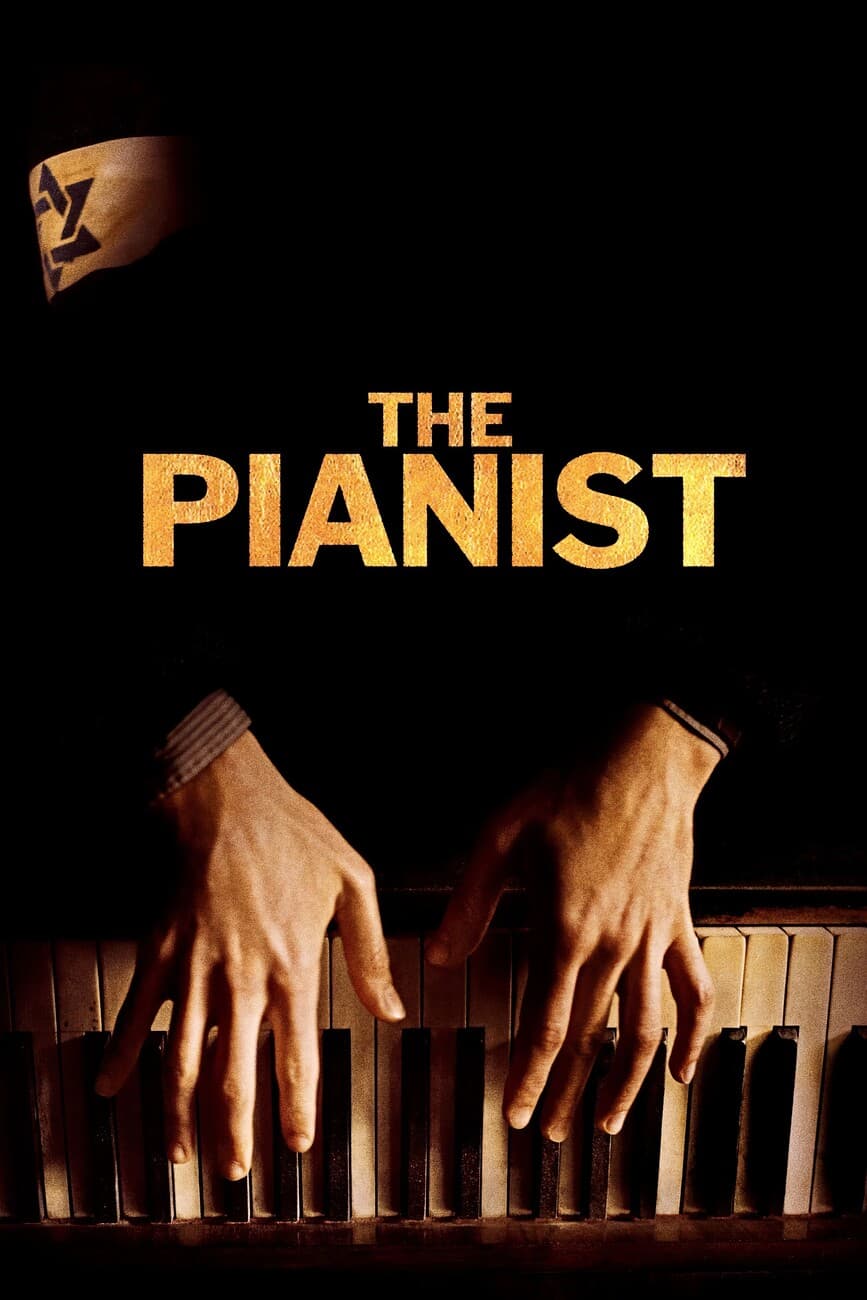
2002
The Pianist
A quiet life unmade by war — and a pianist who refuses to stop listening.
Read the retrospective
→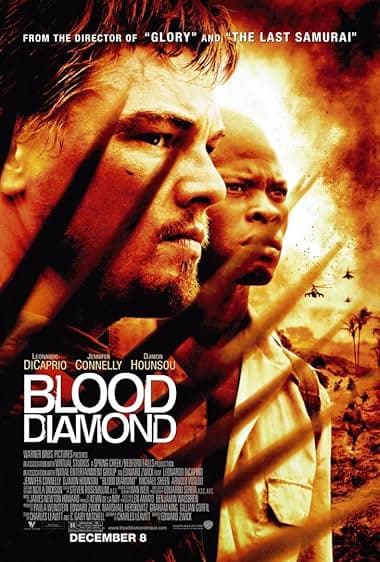
2006
Blood Diamond
A mercenary, a fisherman and a pink diamond — and a film that still asks who pays for our jewellery.
Read the retrospective
→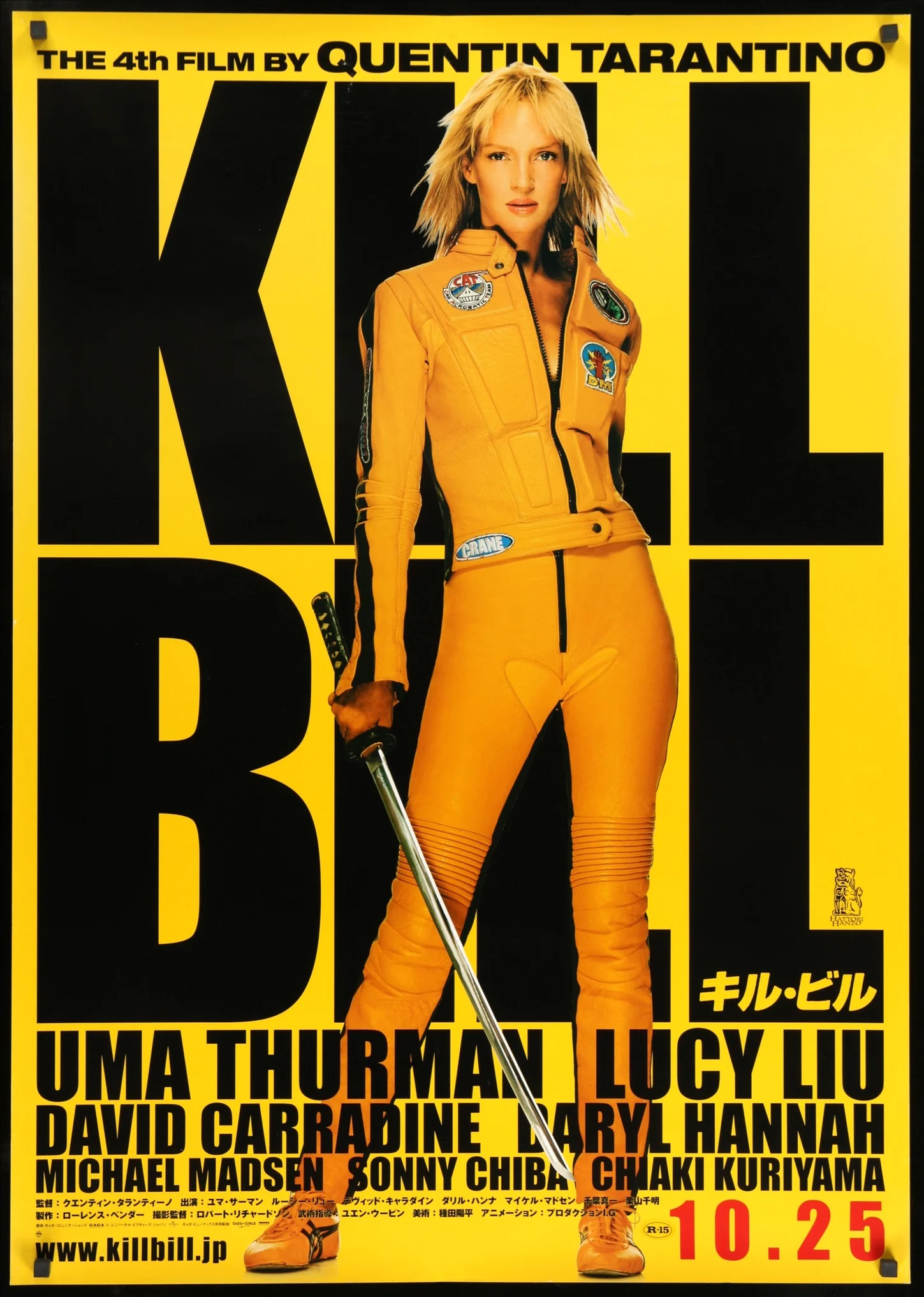
2003
Kill Bill: Volume 1
A yellow jumpsuit, a long list of enemies and one woman who refuses to be finished.
Read the retrospective
→