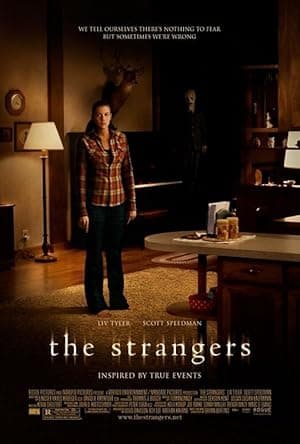
The Strangers
A small house. A late-night knock. Kristen McKay keeps the terror real.
Feature presentation
The Strangers is one of those films that doesn't need loud set-pieces to make you look at your front door. Bryan Bertino's tight, 85-minute home-invasion thriller puts a woman named Kristen McKay at the centre of something simple and savage — and then refuses to explain why. If you're deciding whether to rewatch it or watch it for the first time, the question isn't whether the scares work; it's whether the film still makes you feel unsafe in the ordinary places you thought were safe.
THE MOVIE
Kristen McKay is still the reason this movie works
The Strangers drops you into the aftermath of something ordinary: a couple at a remote holiday house whose weekend turns violent when three masked people turn up and begin to terrorise them. That late-night knock — a young woman asking for 'Tamara' — is the first small, hair-raising moment that sets everything off.
What keeps the film gripping is where it places us emotionally. Kristen McKay is the film's centre: she's raw, unsettled and carrying the memory of a rejected proposal when the violence begins. The movie makes that domestic fragility feel immediate rather than decorative.
Bryan Bertino directs with a spare focus — at 85 minutes long, The Strangers wastes nothing — and the casting of Liv Tyler and Scott Speedman gives the small ensemble something solid to land on. Critics at the time often pointed out how those performances kept the atmosphere believable while Bertino leaned into silence and tension rather than spectacle.
THE SETUP
The idea that sets The Strangers in motion
Keep it simple: Kristen McKay and James Hoyt are a couple alone in a remote rental when three masked intruders begin an escalating campaign of terror. The plot isn't complicated; it's a survival puzzle — how do you stay alive when an attack feels arbitrary and relentless?
The film works because the threat is depressingly straightforward. It’s not about why the attackers are doing it; it’s about the mechanics of getting away. That clarity sharpens every choice the characters make.
Bertino uses a handful of repeating devices to wring tension from the setup: anonymous knocking at the door that keeps returning, masks that strip the intruders of personality, and the odd domestic sounds that keep breaking the silence — a record that skips, for example — so the house itself becomes an instrument of dread.
Those elements turn the isolated house into a kind of trap. When the scenery is tight and the danger feels unmotivated, every small sound and decision gains weight.
THE CHARACTER
Why Kristen McKay matters
Kristen is the movie's emotional barometer. She's not an action hero; she's someone whose private upset — having just refused a proposal — makes her feel exposed before the violence even starts. That pre-existing fragility matters because it makes the invasion feel like an assault on more than a house.
The script keeps her visible and vulnerable rather than turning her into an abstract 'final girl' type. You're with her in the small domestic moments, which makes the later shocks land harder.
Her relationship with James is part of what grounds the ordeal. James's confident, macho talk has cracks in it, and when the danger arrives those cracks become practical weaknesses the couple have to confront together.
That combination — a character who can feel genuinely scared and a partner whose posturing conceals insecurity — gives the film a human pivot. Kristen isn't just reacting to monsters; she's negotiating fear in a recognisably human way.
THE PERFORMANCE
Why Liv Tyler's performance matters
Notice how contemporary reviews kept coming back to the same point: Tyler and Speedman give the story credibility. That’s an important distinguishing detail — the film doesn't rely on novelty so much as on actors who make the situation feel real.
Tyler's presence gives Kristen texture; she isn't a shorthand for fear, she's a person with a past and an emotional state the audience can latch onto. That makes the stakes feel personal rather than schematic.
Because the movie keeps the attackers anonymous, the viewer needs something concrete to identify with, and the cast supply that. Critics singled them out for making the small ensemble believable under sustained pressure.
In short: the performances do the work of keeping the film honest, and that honesty is the foundation for the film's atmosphere of quiet dread.
UNDER THE SURFACE
The Strangers has more on its mind than the plot suggests
On the surface it's a home-invasion thriller. Beneath that, it's a film about how private space can be a confidence trick: what feels safe can be exposed in an instant. The rural setting isn't exotic so much as isolated — the kind of place where help feels distant.
Randomness is the film’s psychological soubriquet. The attackers are written as unmotivated, which strips the encounter of narrative comfort. There’s no tidy reason to blame; the violence arrives like bad weather.
That anonymity — masked faces and limited exposition about motives — pushes the focus onto the victims' experience rather than the villains' psychology. The unknown becomes the point.
Put together, these ideas build a steady, specific dread: domestic vulnerability plus isolation plus arbitrary cruelty equals a nightmare that feels unresolvable.
THE FILMMAKING
How The Strangers was put together
A lot of the film’s tension comes from how the space was made usable for the camera. The production team built and dressed a roughly 2,000-square-foot interior so the camera could move through the house smoothly and linger in tight, controlled ways.
That decision matters because it lets the director stage long moments without cutting away, keeping the audience lodged inside the same cramped geography as the characters.
When a horror film wants to make silence and waiting threatening, having a set the camera can inhabit with the actors is a practical shortcut to sustained unease.
So much of the feel is down to those choices: build the world, then let the people in it slowly lose control.
PRACTICAL EFFECTS
The effects work that gives The Strangers its physical personality
The production credited a special-effects coordination team and stunt coordination, which points to the movie’s preference for practical, on-set solutions to physical peril rather than off-screen implication alone.
Building a fully dressed interior also had a technical purpose: it permitted controlled staging and stunt work. When actors had to move, hide or fight, the set was prepared to take those demands.
That setup lets the violence feel tactile. When something happens in the house you can believe the actors are interacting with real furniture, real doors and real obstacles rather than placeholders.
The overall effect is quiet but concrete: the world is fully built so the scares can feel physically immediate.
PURE 00s
The Strangers could not belong to any other decade
Released in May 2008, The Strangers sits comfortably in the mid-2000s tendency for lower-budget horrors that prioritised atmosphere and suspense over explicit gore. It’s very much of a moment that favoured mood over shock value.
Part of that approach was practical: smaller budgets encouraged tight stories, compact running times and an emphasis on craft rather than spectacle. The Strangers' 85-minute run and concentrated focus are textbook examples.
Filming began in 2006 on location in rural South Carolina, and the choice of an isolated setting reflects a period interest in making hidden vulnerability feel convincing rather than sensational.
Even the score — composed by Tomandandy and released alongside the film — plays into that restrained, textural sensibility common in the decade's more serious horror offerings.
THE LEGACY
Why The Strangers still matters
For a modest budget the film proved to be a sleeper success and it ultimately spawned a theatrical sequel, which is how it moved from a single film into a small franchise.
Beyond commercial outcomes, The Strangers keeps turning up in genre conversations about 2000s horror because of how it leans on silence and atmosphere. People point to it when they talk about tension built from absence rather than explanation.
Its depersonalised antagonists — the masked figures who arrive with no motive offered — became a shorthand example of anonymous evil in modern horror discussion.
Put plainly: the movie matters because it refined a particular, nerve-jangling approach to home-invasion terror and left a tidy blueprint others would reference.
THE VERDICT
Does The Strangers still hold up?
Yes — if what you want is a compact, atmospherically taut home-invasion thriller, The Strangers still does the job. Its central setup — a couple at a remote house suddenly terrorised by three masked strangers after a late-night knock — is as effective now as it was on release because the screenplay refuses to over-explain the attackers.
That refusal is the film’s strength: by keeping the strangers anonymous and under-explained, Bertino forces the audience to live in the same unsettling uncertainty as Kristen and James. The repeated knocking, the masks and the small, eerie domestic sounds are simple tools but they’re used relentlessly.
Crucially, the film benefits from its performances. Contemporary critics repeatedly noted how Liv Tyler and Scott Speedman grounded the script’s emotional stakes, making the couple's fear feel credible rather than schematic — and that credibility is what allows the tension to register.
So, should you watch it? If you want a short, tightly directed exercise in dread that privileges atmosphere over answers, absolutely. The Strangers isn't flashy; it’s surgical. It remembers the fear of being alone in a house and keeps reminding you, sentence by sentence, knock by knock.
Share this movie
Keep watching
More movies from the 00s
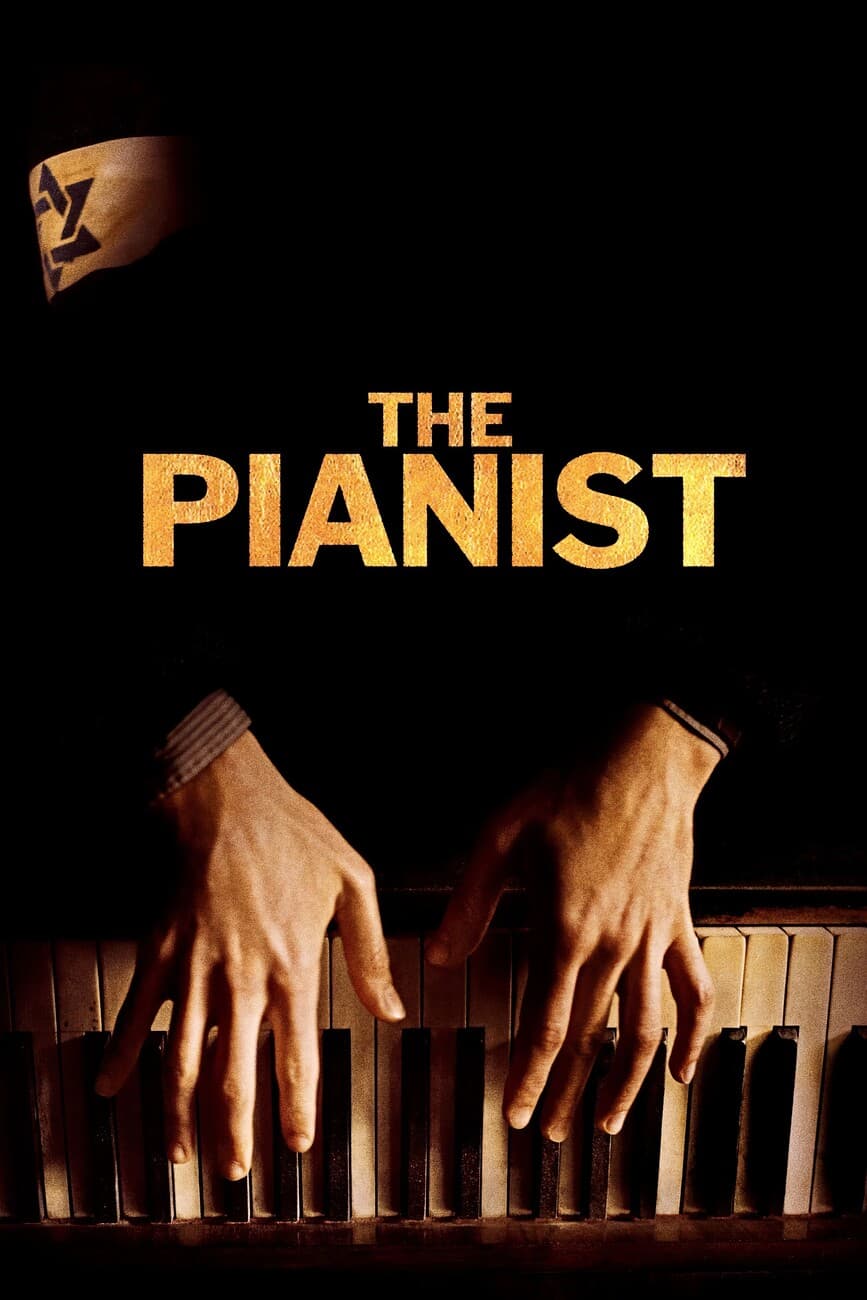
2002
The Pianist
A quiet life unmade by war — and a pianist who refuses to stop listening.
Read the retrospective
→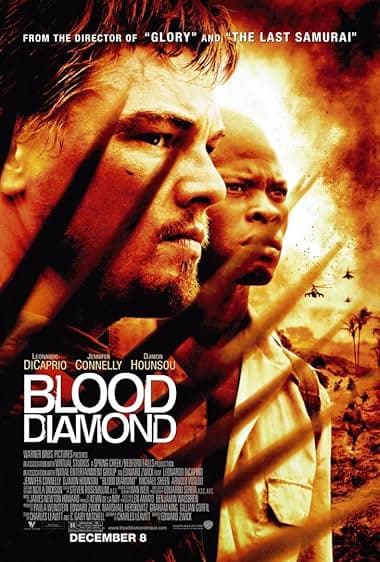
2006
Blood Diamond
A mercenary, a fisherman and a pink diamond — and a film that still asks who pays for our jewellery.
Read the retrospective
→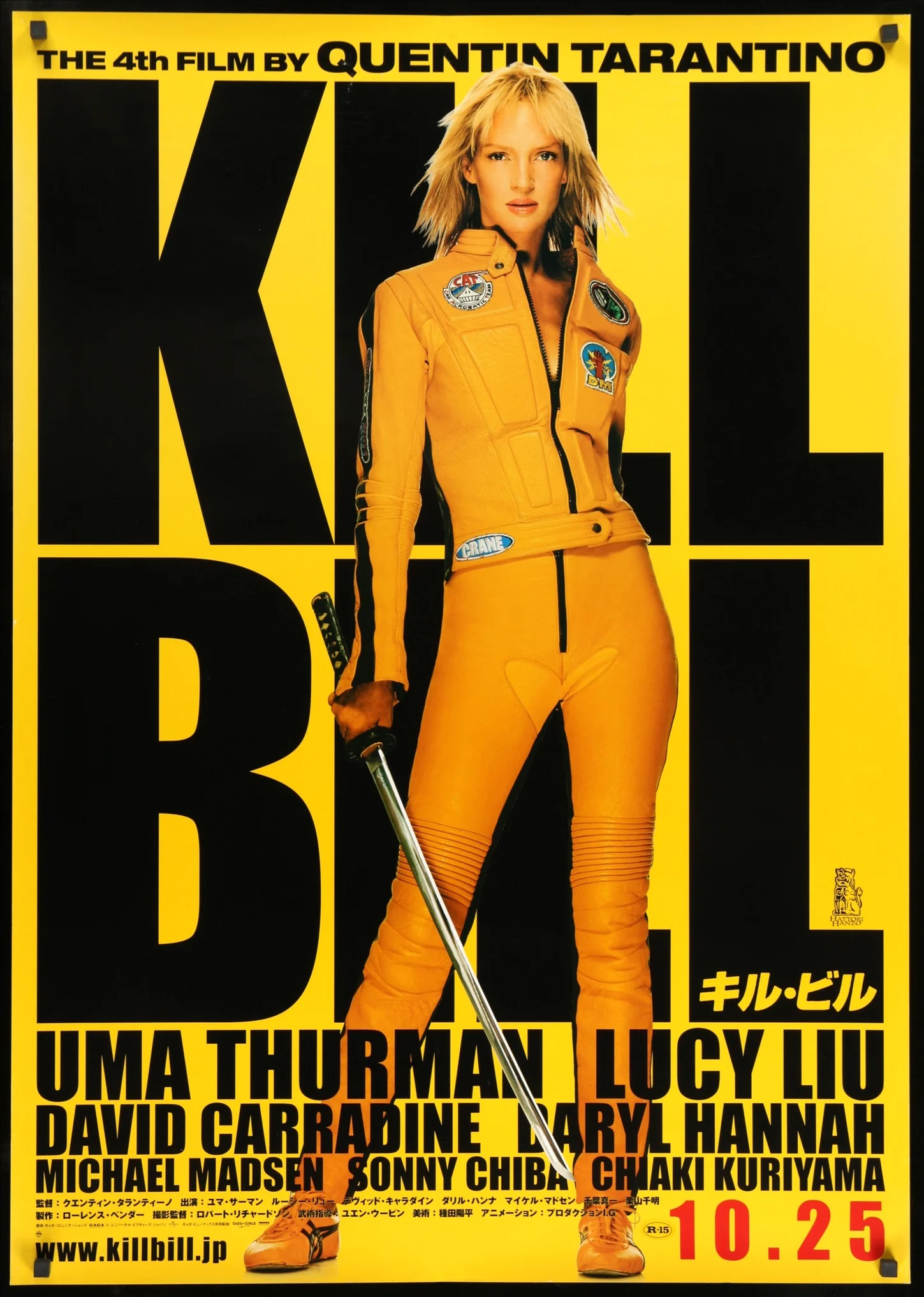
2003
Kill Bill: Volume 1
A yellow jumpsuit, a long list of enemies and one woman who refuses to be finished.
Read the retrospective
→