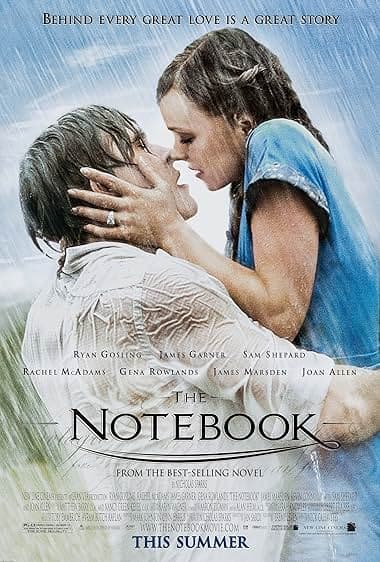
Feature presentation
There’s a battered notebook, an old man in a care home and a flashback that spills out like something someone swore they would never forget. In The Notebook the reason people still talk — and argue — about it isn’t just the rain-soaked moments; it’s the insistence of a young man who simply will not let the story end.
THE MOVIE
Noah Calhoun (young) is still the reason this movie works
The Notebook opens with an image you can describe in one sentence: an older man reading a battered notebook to an older woman in a care facility — and from that domestic moment the film slides into a long, romantic flashback. That framing device is the film’s lifeline; everything that follows is presented as someone trying to keep a past alive.
At its centre are two very simple facts: a 17-year-old Allie and a 19-year-old Noah meet one summer in Seabrook and fall hard. Class, war and disapproval pile in around them, but the movie keeps returning to the idea of a single person refusing to let a relationship be forgotten.
Which is why Noah — specifically the younger Noah — matters. The film is shaped like his persistence: scenes that read like proof that devotion can be practical, stubborn and sustained rather than merely cinematic. That through-line is the reason viewers keep returning to Nick Cassavetes’s 2004 romance.
THE SETUP
The idea that sets The Notebook in motion
Don’t worry — this isn’t a scene-by-scene retelling. The simplest hook is enough: a young couple meet during a single, consequential summer and fall into a passionate courtship. The story then follows them over years, rather than treating the summer as a neat, self-contained jewel.
That long view is what the framing device exists to justify. The notebook reading in the present punctuates the flashback sequences, so the film feels less like a linear romance and more like someone insisting the past be remembered on its own terms.
Obstacles in the way are obvious and human: Allie’s parents disapprove, class difference creates pressure, and there are the larger disruptions of the era — including World War II — which push the lovers apart and shape their choices.
All this keeps the conflict straightforward: a choice between what family and society expect, and what two stubborn people remember they once had. It’s tidy, vivid and — crucially for the film’s emotional strategy — stubbornly focused on the personal cost of those pressures.
THE CHARACTER
Why Noah Calhoun (young) matters
Noah is the film’s engine. On paper he’s straightforward: a working-class young man who wants what he wants and refuses to accept polite compromises. That refusal shapes the movie’s headlong romanticism — it’s a film keyed to single-mindedness.
The story arranges its other players — Allie’s parents, the wealthy suitor, Noah’s family — as social forces more than fully autonomous antagonists. They exist to test whether Noah’s persistence is enough to cross class lines and time.
Because of that structure, the young Noah does more than fall in love: he anchors the film’s argument about commitment. Everything about the narrative keeps returning to his attempts to make a remembered summer mean something in the real world.
Put simply: if the movie asks you to believe in love that lasts, it asks you to believe in someone prepared to keep showing up. That’s Noah’s job in the story.
THE PERFORMANCE
Why Ryan Gosling's performance matters
At the time of release, critics repeatedly pointed to the chemistry between the young leads as central to the film’s pull. That matters because the picture asks you to accept two people as a believable, lived-in couple across years — chemistry is how the script buys that leap.
So when viewers say the film “works” or “doesn’t work” for them, they’re often reacting to that very physical, immediate component: whether the young actors make a summer affair read as something that could have weight beyond its season.
Because the film’s drama rests so heavily on the relationship, those assessments of chemistry have an outsized effect on the emotional payoff. If the leads convince you, the film’s sentimental architecture follows.
Which explains why the casting choice matters: contemporary responses treated the young pair’s connection as the element that held the rest of the melodrama together.
UNDER THE SURFACE
The Notebook has more on its mind than the plot suggests
On the surface it’s a romance; underneath it’s a meditation on how stories keep people alive for each other. The notebook itself is less a prop than a guarantee: memories are fallible, and the act of telling a life back into shape becomes an almost moral duty.
That emphasis on memory bleeds into the movie’s treatment of dementia. The present-day reading is not a throwaway framing device but the emotional stake: what happens when the person who remembers no longer can, and someone else must hold the story for them?
There’s also a class story folded into the love story. Allie’s parents and the wealthier suitor are reminders that romance in this film must fight social pressure, not just time. The choice they force is raw and practical: who can provide a stable life, and who will hold on to wild affection?
Finally, the film asks whether enduring commitment is performative or practical. By continually reminding us of Noah’s persistence, the movie suggests that long-term love is as much about repeated acts — showing up, telling the story — as it is about first loves and dramatic confessions.
THE FILMMAKING
How The Notebook was put together
Nick Cassavetes’s film leans into the feel of memory with its visual choices: the flashbacks trade in rich, saturated images that read like someone polishing the past to make it shine. That stylised warmth helps sell the idea that the flashbacks are treasured recollections rather than neutral reportage.
Those choices are backed by a seasoned technical team: the film’s principal credits name Robert Fraisse at the camera, Alan Heim in the editing room and Sarah Knowles handling production design. It’s a production that aims to look cared-for, the better to sell a romance worth remembering.
The result is a picture that deliberately separates its present and past moods: the notebook scenes feel immediate and intimate; the summer sequences are romanticised and tactile. That divide gives the film an emotional architecture — a past that glows, a present that must be rescued by storytelling.
Which is exactly what the production wants you to feel: that memory is a crafted thing, assembled from chosen images and moments, and the filmmaking makes that assembly part of the argument.
PURE 00s
The Notebook could not belong to any other decade
The Notebook sits squarely in the early-2000s wave of studio adaptations of Nicholas Sparks novels — a moment when mainstream cinemas made room for well-crafted, sentimental melodramas aimed at broad audiences.
Released in 2004, it arrived when studios were comfortable investing in glossy romance with recognisable casting and high production values. That positioning explains why the film feels theatrical in its emotional pitch: it was made to be watched and argued about by large audiences.
It also fits in the director’s filmography in a way that matters: the movie shares a maker in Nick Cassavetes, whose involvement gave the film a particular directorial bend — a willingness to lean into feeling rather than hide it behind irony.
Put simply: The Notebook exemplifies a kind of mainstream early-00s moviemaking — studio-backed, emotionally forward and designed to translate a bestselling novel into an unashamedly romantic cinema experience.
THE LEGACY
Why The Notebook still matters
Part of the film’s afterlife comes from the performances that carried it: the older and younger halves of the story gave the cast high-visibility moments, and that work earned industry recognition — James Garner received a Screen Actors Guild nomination for his supporting turn, and Gena Rowlands won a Satellite Award for Best Supporting Actress.
Beyond awards, the film’s scenes have lodged in popular memory. Critics and lists continue to single out several sequences as memorable romantic set-pieces, which keeps the film in the cultural conversation even as opinions about it vary wildly.
That visibility matters because it shows how the movie functions as a reference point for early-00s romantic melodrama: people still evoke The Notebook when they want to point at a certain kind of sentimental cinema.
So its legacy isn’t only trophies; it’s the way particular scenes and the framing device — an intimate story told to keep someone alive in memory — have continued to be re-quoted and re-evaluated in pop culture.
THE VERDICT
Does The Notebook still hold up?
Short answer: yes — where you want it to. If you come for a big, sentimental romantic experience that trusts memory and persistence as emotional currencies, the movie still pays out. The notebook framing and the extended flashback structure are there to guarantee you feel the weight of the past, not just see it.
That depends on core elements that remain plainly visible: the summer meeting that sets everything off, the separating pressures of class and parental disapproval, and Noah’s long-term devotion. The story asks you to accept those mechanics and then rewards you if you do.
Critically, the film’s success rests on the young leads. Contemporary responses singled out the chemistry between them as essential, and that chemistry is what makes the central relationship feel like something worth sticking with across years of narration.
So should you watch it now? If you’re in the mood for an unabashed studio romance that trades on memory and faithful insistence, The Notebook — Nick Cassavetes’s 2004 film — still does exactly what it set out to do: it convinces you that some stories are worth telling again and again.
Share this movie
Keep watching
More movies from the 00s
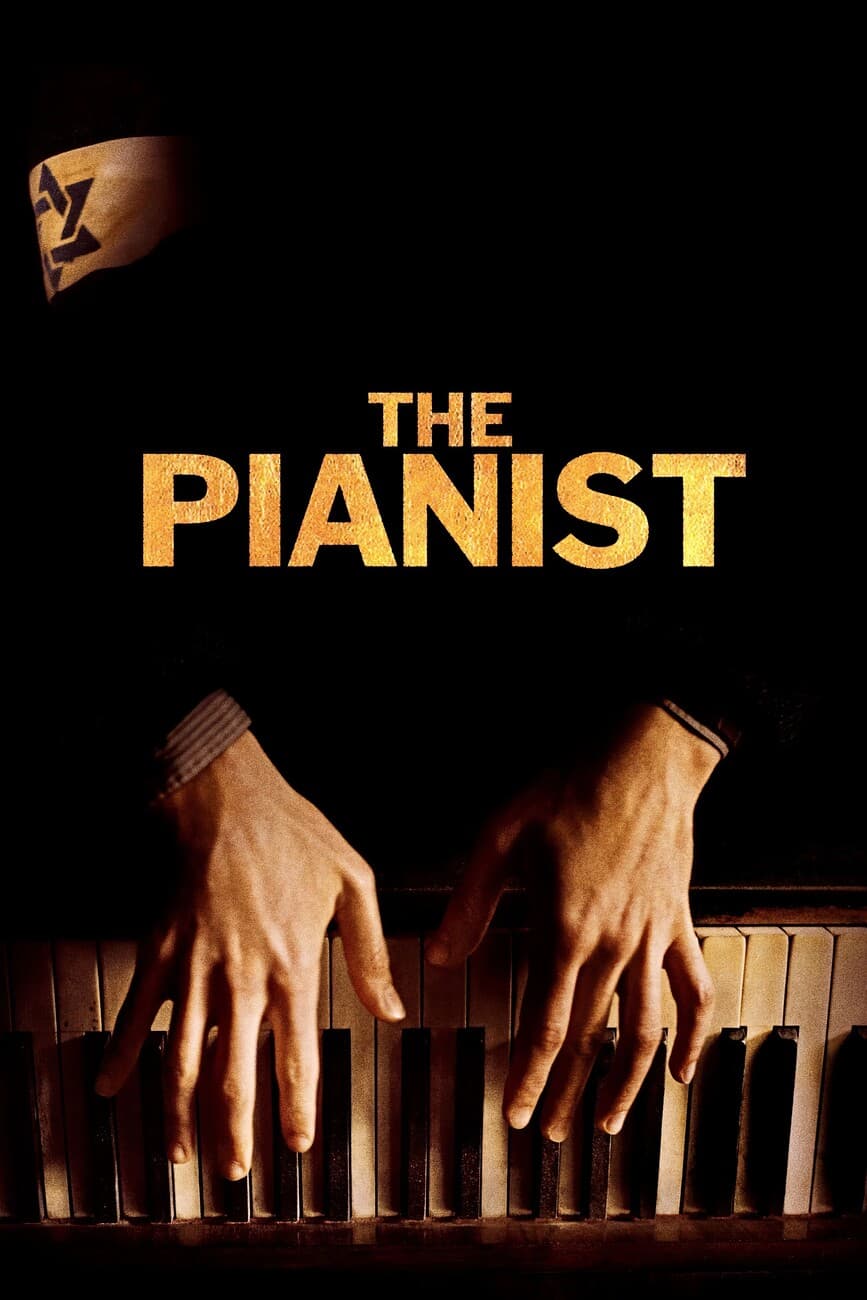
2002
The Pianist
A quiet life unmade by war — and a pianist who refuses to stop listening.
Read the retrospective
→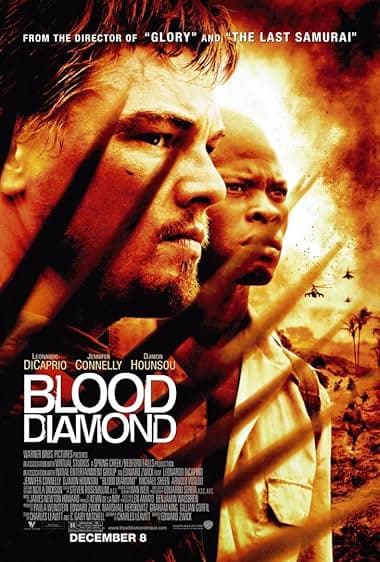
2006
Blood Diamond
A mercenary, a fisherman and a pink diamond — and a film that still asks who pays for our jewellery.
Read the retrospective
→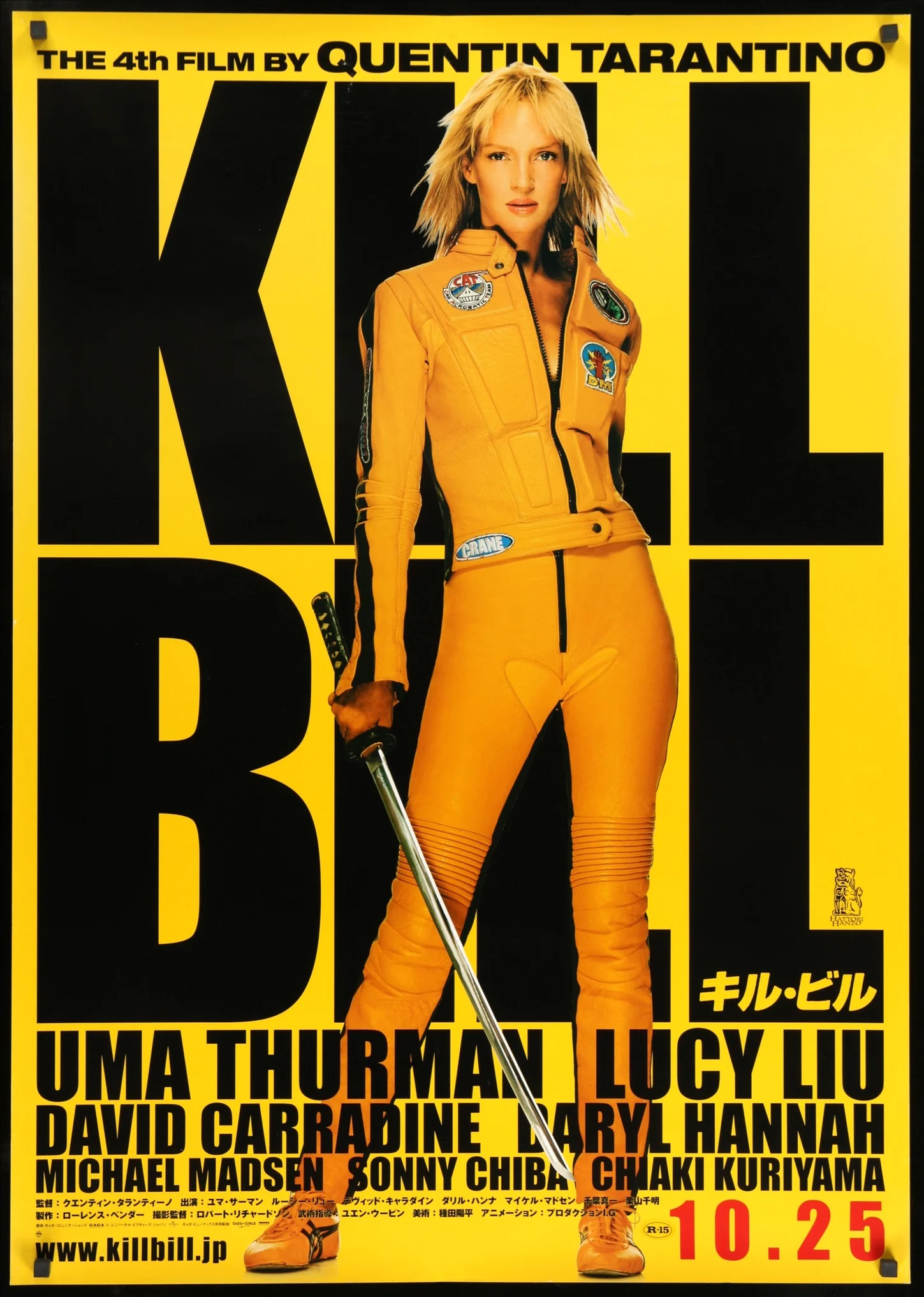
2003
Kill Bill: Volume 1
A yellow jumpsuit, a long list of enemies and one woman who refuses to be finished.
Read the retrospective
→