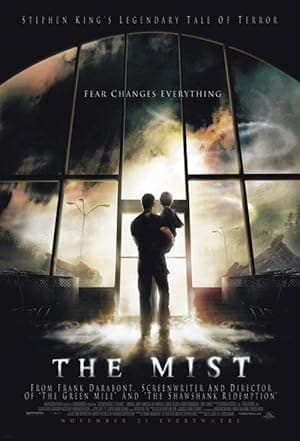
Feature presentation
There’s the obvious fear: a town swallowed by an unnatural fog and things in it that want to eat you. Then there’s the quieter, nastier terror — what happens when ordinary people, trapped together, start to turn on one another. Frank Darabont’s The Mist still feels like a film that enjoys making you squirm in both directions.
THE MOVIE
David Drayton is still the reason this movie works
The Mist begins in a storm and then narrows down to a single, terrible idea: a bunch of townspeople pinned inside a supermarket when a thick, otherworldly fog rolls in. The film spends little time on spectacle alone; much of its pressure comes from the not-quite-seen things moving in the mist and the knowledge that stepping outside could be fatal.
At the centre of it all is David Drayton, established as the protective father whose choices anchor the story. His dilemmas are the film’s emotional compass — the decisions he faces are what turn the movie from a creature feature into a moral squeeze.
Frank Darabont, who wrote and directed the picture, uses the siege set-up to ask a few sharp questions about fear, leadership and what terror does to ordinary people. That mixture — monsters on the edge and social breakdown inside — is why The Mist still gets talked about.
THE SETUP
The idea that sets The Mist in motion
You don’t need a long pitch: a mysterious fog envelopes a town, people shelter in a supermarket, and the threat outside forces all the story’s pressure into one concrete space. That closed-room premise keeps the film immediate and simple — the danger is both external and inescapably social.
Inside the store the survivors fragment. Scarcity, fear and competing beliefs push them into factions; those human clashes become just as urgent as the monsters outside. The supermarket is, effectively, the movie’s laboratory for watching panic do its work.
Darabont expanded Stephen King’s novella for the screen, adding an on‑camera military-research thread called the Arrowhead Project. It doesn’t change the siege idea so much as give the fog a slightly different context on film, while keeping the central mechanic intact.
All the story mechanics are straightforward: a sealed setting, dwindling resources, and ordinary people trying to improvise emergency governance under impossible stress.
THE CHARACTER
Why David Drayton matters
David Drayton is written as the film’s focal point — a father first and a reluctant decision-maker after that. The story funnels moral pressure through him, so when the supermarket becomes a pressure cooker, his choices carry the emotional weight.
The screenplay shifts some of the novella’s relationships to put that parental bond at the centre: Amanda, a schoolteacher, and David form a kind of makeshift family with his son. That change tilts the whole film toward questions about guardianship and what a parent is willing to do to protect a child.
Because the plot keeps returning to David’s point of view, the movie doesn’t just ask what survives the mist; it asks how a person behaves under unbearable responsibility. That focus is what makes the character memorable rather than just present.
Contemporary coverage singled out the performances that occupy David’s orbit, underlining how crucial the role is to the film’s emotional stakes.
THE PERFORMANCE
Why Thomas Jane's performance matters
Contemporary reviews singled out Thomas Jane’s portrayal of David Drayton as one of the performances that gave the ensemble its centre of gravity. That attention matters because the movie depends on the audience investing in David’s decisions.
Jane’s role is the film’s emotional fulcrum: when reviewers pointed to his work alongside Marcia Gay Harden’s Mrs. Carmody, it was a sign that critics found the human drama as compelling as the creature effects.
The references to those performances in early coverage made it clear that viewers were expected to watch the human conflict as carefully as the monster sequences.
So, even if you come for the fog and the beasts, the film spends a lot of effort ensuring you care about the choices David faces — and contemporary reaction suggested it mostly succeeded.
UNDER THE SURFACE
The Mist has more on its mind than the plot suggests
On the surface it’s a monster movie; beneath that, The Mist is preoccupied with what fear does to groups of people. The film treats mob mentality as a force almost as dangerous as the creatures — panic makes people do things they wouldn’t alone.
Religious extremism is a deliberate needle in the film’s hive. Faith, in certain hands, becomes a tool for control: belief hardens into a weapon when people want an answer and find one in the loudest, angriest voice.
That parent-child bond we keep returning to matters because it narrows the stakes to something recognisable and painful. The film asks how far a guardian will go when the world collapses into threat and uncertainty.
All of these elements sit next to a simpler fear-of-the-unknown: partly seen monsters, a fog you can’t map, and decisions made without full information. Darabont uses that combination to push the moral pressure further.
THE FILMMAKING
How The Mist was put together
Frank Darabont adapted the novella himself and aimed for a ‘ragged, documentary’ texture rather than a glossy genre sheen. That intention shows in choices intended to make the picture feel lived-in and immediate.
Part of that approach was a practical one: shooting on film stock with a grainier texture to avoid the hyper-clean look some modern productions opt for. The result keeps the film tactile, which helps when you’re trying to sell panic and claustrophobia on a single set.
Darabont’s direct involvement as writer and director means the movie’s tone — its mix of human drama and horror — feels deliberately calibrated rather than accidental.
That filmmaking personality makes The Mist read less like a conventional effects movie and more like a small, intense drama that happens to have monsters at the door.
PRACTICAL EFFECTS
The effects work that gives The Mist its physical personality
The film brought creature designers and practical-effects artists on set so actors had real reference points — puppets and physical pieces that helped ground reactions. That tangible work matters in scenes where belief in the unseen is everything.
CaféFX and practical collaborators combined puppetry, motion-capture reference and CGI to realise the monsters. Some sequences that began as practical plans ended up completed in digital form when movement demands required it.
On-set techniques also included dry ice and mist treatments to merge actors with actual fog rather than relying only on post-production compositing. Those layered methods keep the environment feeling present and immediate.
The mix of physical props and digital finishing gave the creatures a physical personality while allowing the production to push sequences the practical pieces alone couldn’t achieve.
PURE 00s
The Mist could not belong to any other decade
Arriving in late 2007, The Mist sits inside a moment when horror films commonly folded political and social anxieties into genre work. That reading — horror as parable about communal fear — was a natural fit for Darabont’s adaptation.
The film is also part of a visible 00s pattern of established directors continuing to adapt Stephen King for major releases; Darabont had already made his name with two earlier theatrical King projects, and The Mist continued that collaboration into the decade.
Budget and structure matter here too. The picture’s relatively modest budget and its mostly single‑set premise reflected a 2000s trend of economy-minded, effects-driven horror that prioritised ensemble storytelling over blockbuster scale.
Put together, those elements make The Mist a product of its time in a meaningful way: it’s a decade-friendly horror that mixes social commentary, a known director-writer voice and restrained production scale.
WATCHING IT NOW
What has aged — and what hasn't
The parts of The Mist that still land best today are the social dynamics under pressure. Discussions about the film continue to circle back to how group behaviour fractures under fear, and Darabont’s decision to change the ending still gets mentioned in anniversary pieces.
That altered, darker conclusion is a structural choice that colours how viewers experience the whole film; it was a deliberate shift from the novella and remains a primary talking point when the movie is revisited.
At the same time, the film’s core idea — fear of the unknown meeting fraught human relationships in a confined space — still feels immediate. Those narrative choices are largely timeless in their emotional logic.
THE LEGACY
Why The Mist still matters
Darabont’s choice to give the film a bleaker, definitive ending provoked a lot of conversation at release and has remained one of the movie’s most-discussed features. That single structural decision is a big part of its continuing presence in film conversations.
Beyond the ending, The Mist has continued to be referenced as a notable Stephen King adaptation from the 2000s and even inspired the later television reimagining. It’s kept alive not by a single element but by a cluster of things — story, tone and the debate around how the story concludes.
THE VERDICT
Does The Mist still hold up?
Yes — if you come for something more than creature spectacle. The film’s premise is simple: a storm, a supermarket and a fog that hides lethal, largely unseen monsters. But Darabont turns that into a study of how ordinary people behave when everything outside is unknowable and everything inside becomes brittle.
The movie keeps the pressure local: resource stress, factionalising survivors and the way fear eats into civility are the primary engines here. That makes the monsters secondary in an instructive, slightly gruesome way — the human collapse is the real horror.
Darabont’s darker, more final ending is central to whether the film will work for you. It rewrites the tone of the whole piece and remains the main talking point in how people remember it.
Bottom line: The Mist is worth watching now for the moral squeeze it stages around David Drayton and for the way it uses a tight setting to expose the uglier instincts fear can produce. It still has the power to unsettle — not just because of what’s in the fog, but because of who we see emerge from it.
Share this movie
Keep watching
More movies from the 00s
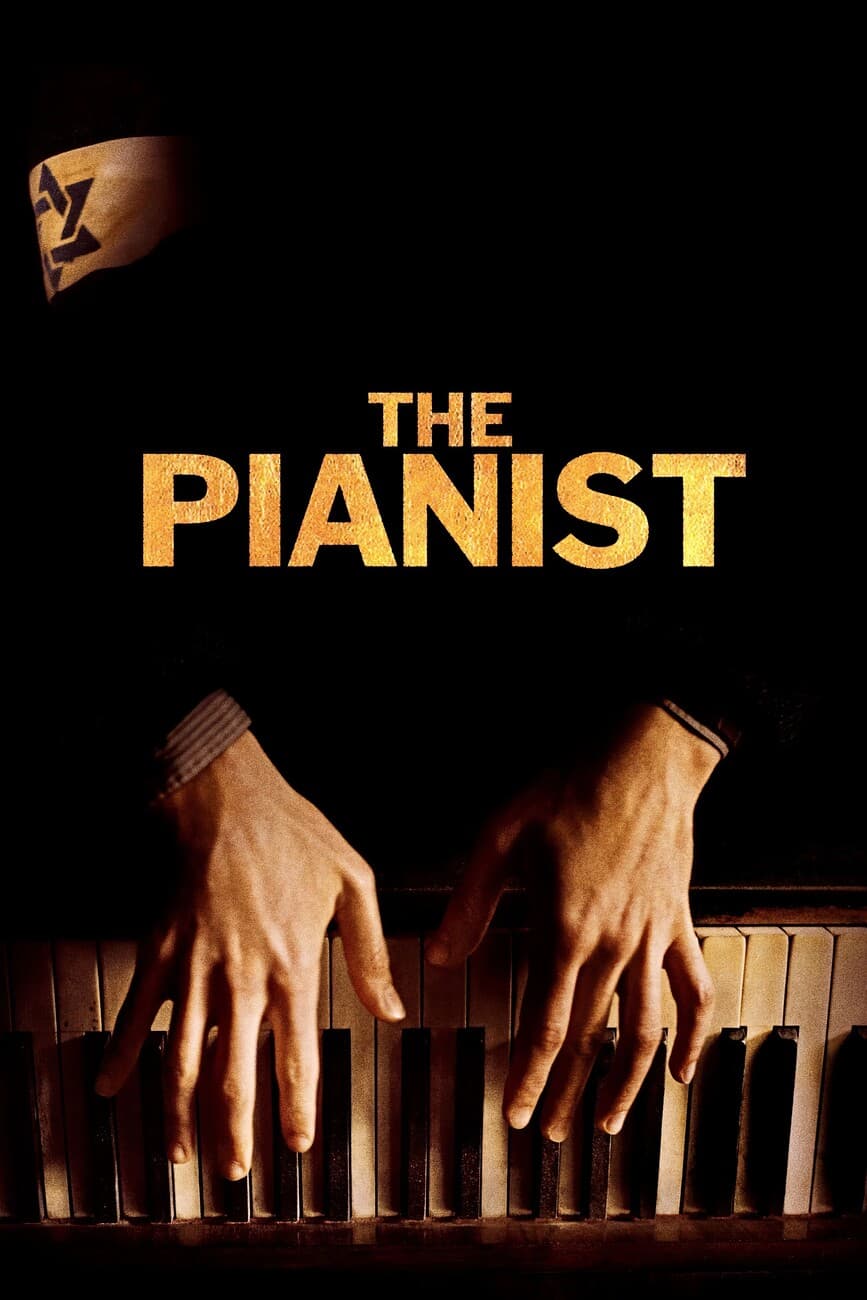
2002
The Pianist
A quiet life unmade by war — and a pianist who refuses to stop listening.
Read the retrospective
→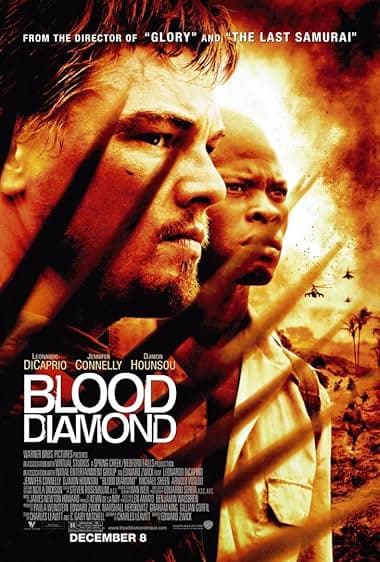
2006
Blood Diamond
A mercenary, a fisherman and a pink diamond — and a film that still asks who pays for our jewellery.
Read the retrospective
→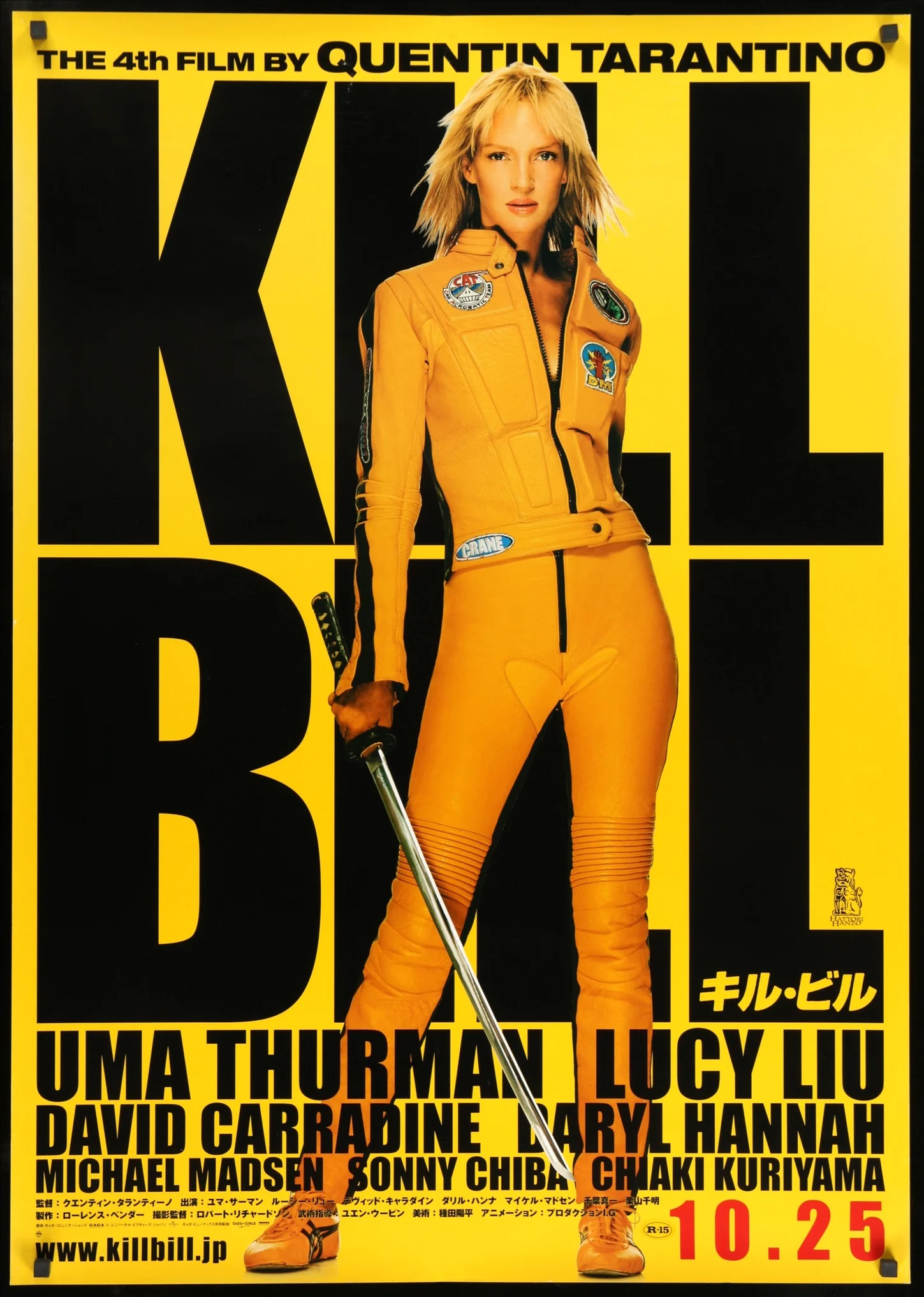
2003
Kill Bill: Volume 1
A yellow jumpsuit, a long list of enemies and one woman who refuses to be finished.
Read the retrospective
→