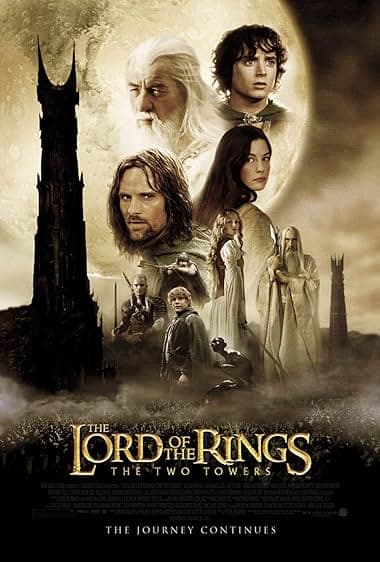
The Lord of the Rings: The Two Towers
Frodo carries the story; everyone else carries the world.
Feature presentation
There are big set-pieces, booming battles and an army of effects credits, yes — but The Lord of the Rings: The Two Towers earns its life from a small, stubborn idea: Frodo’s burden and the people who refuse to let him carry it alone. Revisit it and you remember how a middle chapter can feel both enormous and intimate at once.
THE MOVIE
Frodo Baggins is still the reason this movie works
If you rewind the movie in your head, what first sticks isn’t the roar of siege engines or the CGI credits — it’s a pair of hobbit feet trudging toward Mordor. The Two Towers splits itself between three clear threads: Frodo and Sam’s march with the reluctant guide Gollum; Merry and Pippin’s escape and their meeting with Treebeard and the Ents; and Aragorn, Legolas and Gimli fighting for Rohan at Helm’s Deep.
What binds those strands is a small, steady thing: Frodo’s decision to bear the One Ring, even as it works on him. That choice — to carry and try to destroy the Ring despite its pull — is the emotional engine, and it colours every encounter, from quiet conversations to open battle.
Peter Jackson stages all of this on a grand scale — the 179-minute film is unmistakably his project — but it’s Frodo’s burden and his relationship with Sam that keep the film human while the rest of Middle-earth rumbles around them.
THE CHARACTER
Why Frodo Baggins matters
Elijah Wood’s Frodo is the film’s small, obstinate centre. He isn’t a general or a king; he’s the sort of person who keeps walking when everyone else would stop. That matters because the story’s stakes are measured not in armies but in what it costs one person to carry the Ring.
The Ring is not just a prop; it tests people. Frodo’s motivation — to carry and ultimately destroy the One Ring despite its corrupting influence — turns the camera inward. Every step toward Mordor is also a moral test, and watching him endure it gives the trilogy its private, painful moments.
Crucially, Frodo is never truly alone. His bond with Sam is the emotional heart of the film; their loyalty and friendship make the big ideas feel personal. When the world is loudest — when armies clash or the land seems to tilt — the film always returns to that pair and what they mean to each other.
Even the technical work around the film serves Frodo’s story. The more elaborate effects and digital characters (notably the growing prominence of Gollum) are present to push his journey forward rather than distract from it.
UNDER THE SURFACE
The Lord of the Rings: The Two Towers has more on its mind than the plot suggests
At first glance the film looks like a fantasy action-adventure: battles, chases, exotic creatures. Scratch the surface and you find recurring moral tests. The Ring’s psychological effect keeps returning as a question: who can resist temptation, and at what cost?
Power and duty also run through the movie. Aragorn’s growing claim to leadership and Théoden’s recovery are not background window-dressing; they’re Peter Jackson’s way of asking what responsibility looks like when the easy choices are gone.
Then there’s identity. Gollum and Sméagol aren’t merely two voices arguing for screen time; they literalise internal conflict and fractured selfhood. That split makes a theme out of being pulled in opposite directions — a very human problem dressed in fantasy skin.
Underpinning everything is loyalty. Frodo and Sam, the remnants of the Fellowship, the alliances formed in Rohan — these bonds make the film’s moral questions feel urgent rather than abstract.
THE FILMMAKING
How The Lord of the Rings: The Two Towers was put together
Jackson and his writers didn’t treat the book like a slavish blueprint. They reordered and added material — tightening up scenes and sometimes inserting new beats — to keep the film moving and to heighten tension where the cinema needed it.
That editorial willingness is part of why the middle film never feels like padding. The team leaned on structure and pacing choices to bridge big ideas and bigger battles, which is sensible when you’re running a 179-minute picture and want the audience to stay with you.
On the awards side, the film’s technical achievement was recognised at the Oscars: it picked up two wins that underline how carefully the production combined story and spectacle.
Putting those two facts together — a pragmatic approach to adaptation and recognition for technical craft — helps explain why the movie feels both deliberate and cinematic.
PRACTICAL EFFECTS
The effects work that gives The Lord of the Rings: The Two Towers its physical personality
Not everything was digital. For Treebeard scenes, the production used a roughly 14-foot puppet on set — the hobbits even sat in hidden bicycle seats in the puppet’s hands for some shots. That kind of physical presence gives those exchanges a real tactile quality.
Gollum, though, is a hybrid case. His on-screen life depended on on-set performance, motion capture and CGI animation; some facial animation was hand-animated while Andy Serkis’s body work informed much of the movement.
Weta Digital stitched all of those approaches together, combining practical props and on-set elements with the digital work needed for complex characters and battle sequences.
The result is a film that feels both lived-in and wondrous because it didn’t choose one method over the other; it mixed them where it needed to.
PURE 00s
The Lord of the Rings: The Two Towers could not belong to any other decade
This is an early-2000s beast: a studio-backed, three-film adaptation greenlit and financed as a single production plan. That scale — planning a trilogy as one commitment — is very much of its moment.
The film also sits at a turning point for effects. It used a mixture of practical and increasingly capable digital work, reflecting how the early 2000s were a period of technical experimentation and growth.
Weta Digital expanded its team to meet those demands, underlining how motion-capture and character-animation were evolving fast at the time.
And yes, it premiered in December 2002 and runs to 179 minutes; for anyone who wanted more, an extended edition followed the next year, which is telling about how films of that period began to live between theatrical release and home-video extras.
WATCHING IT NOW
What has aged — and what hasn't
Certain sequences are the ones people still talk about. Retrospectives and coverage often single out the internal Gollum scenes and the Battle of Helm’s Deep as moments that continue to be referenced when digital character work and action staging are discussed.
That attention isn’t just about technology; those scenes still feel narratively essential. The Gollum material pushes the identity-and-duality thread, while Helm’s Deep concentrates the film’s questions about leadership and responsibility into a single, intense night.
The loyalty between Frodo and Sam keeps the movie grounded, too. Those emotional through-lines travel cleanly across decades because they’re about people holding each other up, not period-specific spectacle.
Finally, the choice to have both a theatrical 179-minute cut and a much longer extended edition means viewers today can decide whether they want an economical middle chapter or a deeper, slower one — and that flexibility helps the film’s longevity.
THE LEGACY
Why The Lord of the Rings: The Two Towers still matters
The Two Towers picked up industry recognition: it received six Academy Award nominations and won two Oscars, which underlines the film’s technical and audio craft.
Andy Serkis’s work as Gollum became a landmark reference point for motion-capture performance; that role is regularly brought up in discussions about how digital characters can be built around an actor’s physical choices.
Beyond any single achievement, the film sits at the heart of Peter Jackson’s trilogy and keeps appearing in retrospective conversations about early-21st-century franchise filmmaking — as the middle chapter that expanded the ambition of what a fantasy series could try to do on film.
THE VERDICT
Does The Lord of the Rings: The Two Towers still hold up?
Short answer: yes. The Two Towers still works because it balances scale with intimacy. The film intercuts three primary storylines — Frodo and Sam’s journey with Gollum, the hobbits’ Ent encounter and the defence of Rohan at Helm’s Deep — and that cross-cutting keeps momentum while allowing quieter, moral moments to breathe.
Frodo’s increasing burden and the fraught decision to accept Gollum as a guide are the small, stubborn choices that make the big set-pieces matter. Put another way: if the film’s battles were removed, the ethical pressure on Frodo and the loyalty between him and Sam would still carry the middle chapter.
Technically, it holds up too. The way the film stages its large sequences — with Helm’s Deep at the centre and the Ents resolving a secondary arc — still feels deliberate, and contemporary coverage singled out Andy Serkis’s Gollum as a new kind of character achievement that helped make those scenes memorable.
It runs long by modern popcorn standards, but that’s part of the bargain: there’s a 179-minute theatrical cut and a much longer extended edition if you want the deeper watch. If you care about a fantasy film that asks difficult questions while letting you lose yourself in an enormous world, this one still repays the time.
Share this movie
Keep watching
More movies from the 00s
2002
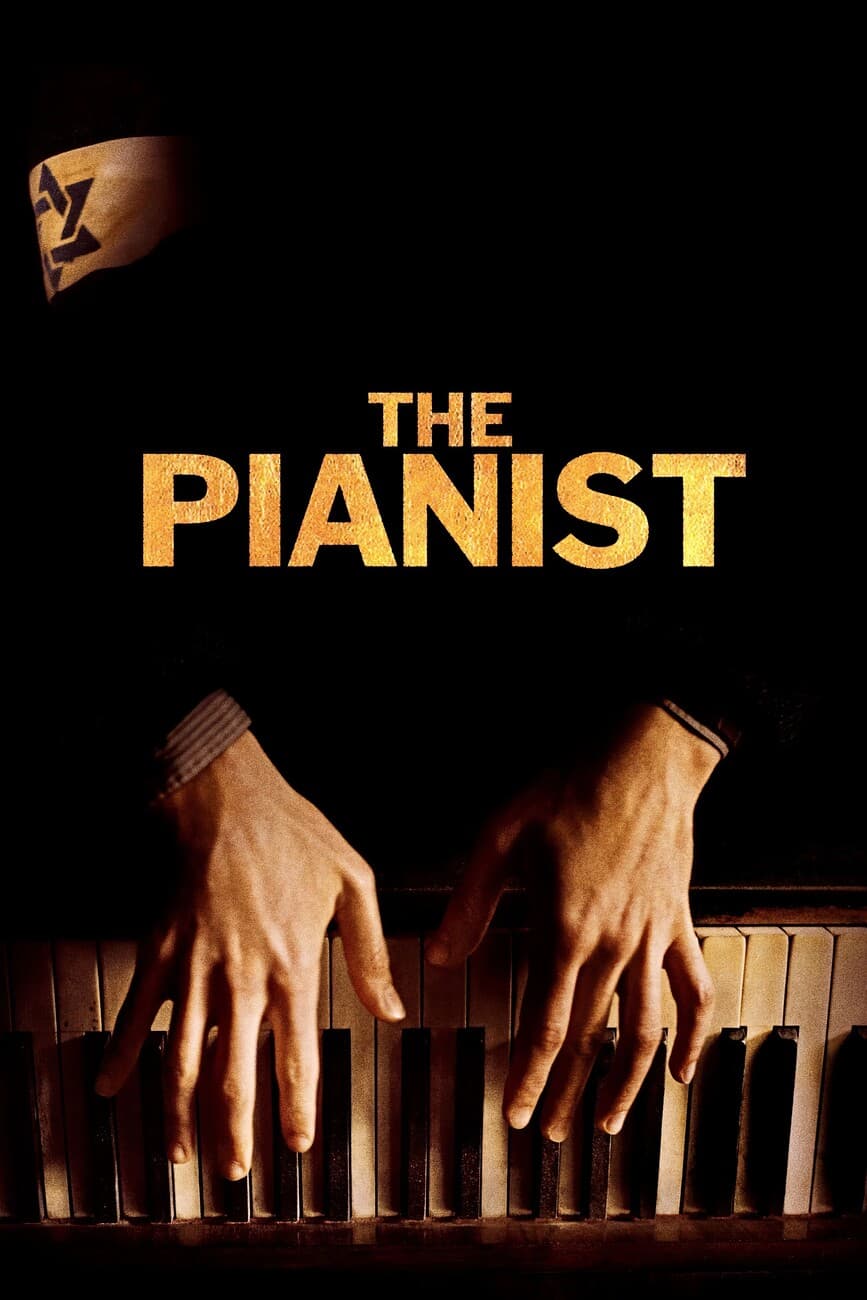
The Pianist
A quiet life unmade by war — and a pianist who refuses to stop listening.
Read the retrospective
→
2006
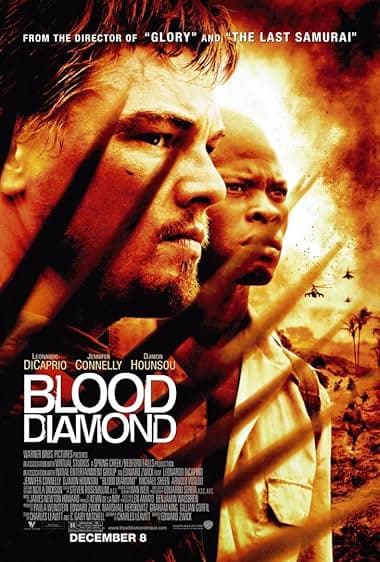
Blood Diamond
A mercenary, a fisherman and a pink diamond — and a film that still asks who pays for our jewellery.
Read the retrospective
→
2003
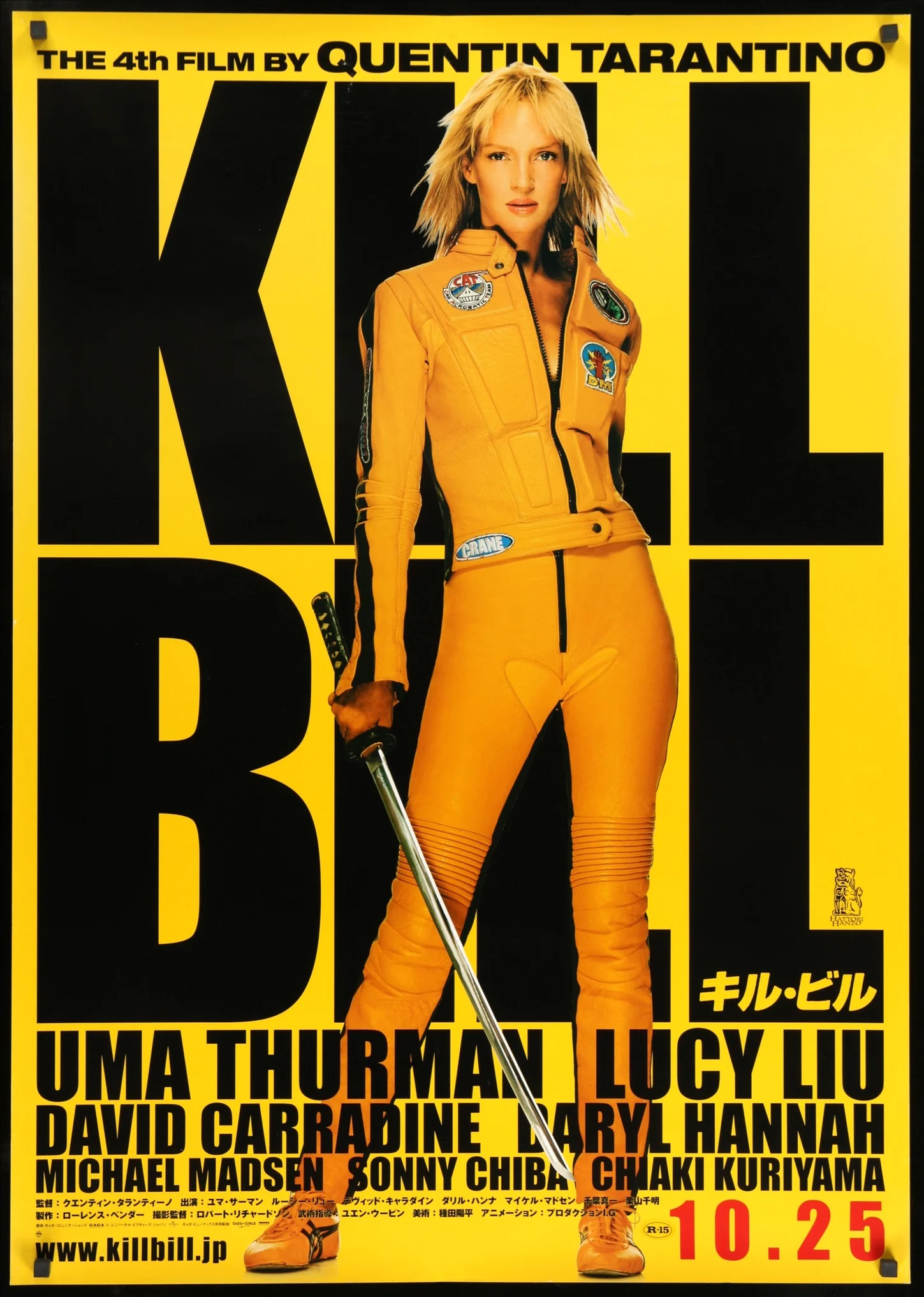
Kill Bill: Volume 1
A yellow jumpsuit, a long list of enemies and one woman who refuses to be finished.
Read the retrospective
→