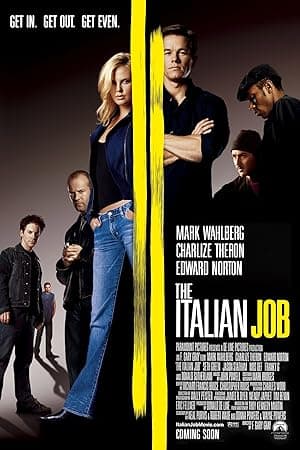
Feature presentation
Remember the bit where an extravagant Venice job collapses and everything becomes personal? The Italian Job is nothing if not a neat machine of motivation: a double‑cross, a murdered mentor and a leader who treats theft like a to‑do list. It’s a 2003 heist that dresses old ideas in 00s gloss and still knows how to move a crowd.
THE MOVIE
Charlie Croker is still the reason this movie works
The Italian Job doesn’t open with a lecture on heist mechanics. It opens with a successful gold job in Venice, a scene that feels like guaranteed competence — until the rug is pulled out by a very modern kind of betrayal.
That double‑cross and the murder of John Bridger is the engine. It’s personal, which is why Charlie Croker has to act: he puts together a new crew, recruits Stella Bridger, and sets out to take back thirty‑five million dollars in gold.
What keeps the film moving is that mix — a revenge plot with the tidy pleasures of a professional team at work, all under F. Gary Gray’s direction and a brisk 111‑minute runtime that never lets the caper droop.
THE SETUP
The idea that sets The Italian Job in motion
The premise is economical: a betrayal in Venice and a murdered mentor force Charlie to assemble a replacement crew — including Stella Bridger — to recover the stolen gold. It’s classic motivating fuel: personal revenge that doubles as a professional problem to be solved.
The film is careful to build its pleasures out of craft. The team relies on role specialisation — safecracker, hacker, wheelman, demolitions — and the plot gives each specialist a concrete job to do rather than vague competence.
And yes, the Minis are not a fashion choice. The three Mini Coopers are central to the plan; their tiny size is treated as a real, repeated plot tool for squeezing into narrow spaces, running subway tracks and handling stairs.
Structurally the film divides itself neatly: an opening Venice set‑piece, the betrayal and escape, a regrouping and plan‑making phase, then a climactic Los Angeles chase that resolves the revenge/recovery business.
THE CHARACTER
Why Charlie Croker matters
Charlie Croker is the film’s organising centre. He’s not just the bloke with the plan; he’s the reason the plan exists in the first place — recovering John Bridger’s gold and avenging his death.
That gives him a useful shape: practical, impatient with softness, and willing to rebuild a team around a single objective. You feel the story through what Charlie wants to fix, which keeps even the flashy sequences emotionally pointed.
Because the movie is an explicit remake and homage, Charlie also performs another job: he links this new take to the old one. He carries the caper energy forward while the screenplay resets characters and loyalties for a modern affair.
In short: when the film works, it’s because Charlie keeps it tight. The plot can indulge set pieces and brand‑friendly Minis because someone is steering towards a clear, personal goal.
UNDER THE SURFACE
The Italian Job has more on its mind than the plot suggests
On the surface it’s a tidy revenge picture: someone robs you, someone else kills your mentor, you put a team together and you take it back. But the film layers that with questions about trust and the brittle logic of teamwork.
Teamwork here is almost mechanical. Each specialist has a job — hacking traffic lights, cracking safes, driving tiny cars — and success depends on how those roles interlock. The tension is rarely philosophical; it’s practical: will each person do their precise job when the moment arrives?
There’s also a quietly contemporary worry about control. The plan pivots on technological manipulation: hijacking traffic‑light systems to isolate the correct truck. It’s a reminder that in this version of the heist, networks and surveillance tools are part of the toolkit.
Finally, the film constantly negotiates homage versus reinvention. It borrows motifs — Minis, a bullion job — but insists on new characters and a modern cat‑and‑mouse. That conversation between old and new keeps the film from simply imitating the original.
THE FILMMAKING
How The Italian Job was put together
F. Gary Gray steered the movie as a glossy, kinetic heist picture, working with Wally Pfister to give it a contemporary chase sensibility while still nodding to classic action cinema.
Pfister and production designer Charles Wood pushed a dark, textured look and kept the camera moving; dollies, Steadicams and a Technocrane are the tools named for keeping chase sequences fluid rather than static.
The production also leaned on careful preparation: major stunt set‑pieces — including the staged descent of an armoured truck into a subway tunnel — were filmed with multiple cameras and clear previsualisation, which helps the film feel deliberate instead of chaotic.
And credit where it matters: the technical credits line — Pfister behind the lens, Richard Francis‑Bruce and Christopher Rouse in the cutting room, and John Powell supplying the score — shows the film was assembled by experienced hands aiming for a polished blockbuster finish.
PRACTICAL EFFECTS
The effects work that gives The Italian Job its physical personality
This is one of those action pictures that prefers tangible stunts when possible. The armoured‑truck into‑subway sequence was captured practically, with several cameras trained on the staged fall so the moment reads as physical and immediate.
The Minis are more than props: production used around thirty‑two cars, and three were specially converted to electric power for tunnel scenes where combustion engines were not allowed. Others were altered to accept camera rigs, which keeps the action intimate.
Driving felt like a real element of the film. Lead actors attended specialist training at Willow Springs and performed a substantial portion of their own driving, which gives many sequences a lived‑in, present feeling rather than a purely modelled one.
The practical choices—real cars, trained actors behind the wheels, multi‑camera stunt coverage—add a satisfying solidity to the film’s more implausible moments.
PURE 00s
The Italian Job could not belong to any other decade
Released in 2003, the film sits neatly in an early‑00s moment for glossy, ensemble heist pictures — the sort of cinema that followed visually influential chase films of the late 90s and early 00s.
Part of its 00s personality is explicit: it’s a remake that borrows motifs from the 1969 original but resets them for a modern, brand‑savvy blockbuster audience.
And speaking of brands, the relaunched MINI Cooper plays a starring role in its own right. The film’s prominent use of the car is a clear example of early‑2000s brand integration and product placement being woven into the narrative rather than dropped into a background shot.
Put together, those elements make the movie feel of its time: glossy, commercially aware, and keen to blend classic caper pleasures with the technical toys and marketing realities of the 2000s.
THE LEGACY
Why The Italian Job still matters
On one practical level the film did well: it grossed roughly $176.1 million worldwide against a reported $60 million budget, which kept it visible long after the credits rolled.
Part of its afterlife is commercial and automotive: the movie substantially raised the contemporary profile of the MINI brand, and its car sequences were frequently discussed in coverage about film‑driven product placement.
There was also talk of extending the story. Paramount and the filmmakers discussed a proposed sequel — often referred to in reports as The Brazilian Job — and it entered development at various times, though it was never produced.
Between box‑office muscle, a memorable brand tie‑in and the persistent chatter about a sequel, the film has continued to be a reference point for how Hollywood remakes and sells a caper to a modern audience.
THE VERDICT
Does The Italian Job still hold up?
Yes — if your idea of holding up is a professionally built, crowd‑pleasing heist movie that favours craft and momentum over heavy philosophising. The plot is straightforward: after a Venice betrayal Charlie Croker rebuilds a team (including Stella Bridger) to retrieve the stolen gold, and the film keeps this single aim front and centre.
The Los Angeles sequence that isolates the correct armoured truck by hacking traffic lights is a neat example of the film’s strengths: an inventive mechanic, team roles that matter, and a set piece that rewards attention to detail. The Minis are not a gimmick here; their small size is used again and again as a practical advantage.
Technically it feels professional: the movie stages large stunts — including the armoured‑truck descent — with multiple cameras and careful planning, while the structure (Venice, betrayal, regroup, LA chase) keeps the stakes moving without getting lost in complexity.
So should you watch it today? If you want a lean, well‑engineered 2000s heist with clear motives, role‑based teamwork and some gloriously literal car physics, The Italian Job still delivers. It may not be trying to be deeper than it needs to be, but for what it sets out to do, it does it properly — and that’s oddly satisfying.
Share this movie
Keep watching
More movies from the 00s

2002
The Pianist
A quiet life unmade by war — and a pianist who refuses to stop listening.
Read the retrospective
→
2006
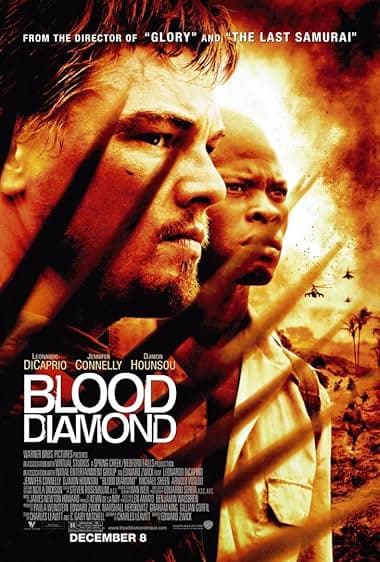
Blood Diamond
A mercenary, a fisherman and a pink diamond — and a film that still asks who pays for our jewellery.
Read the retrospective
→
2003
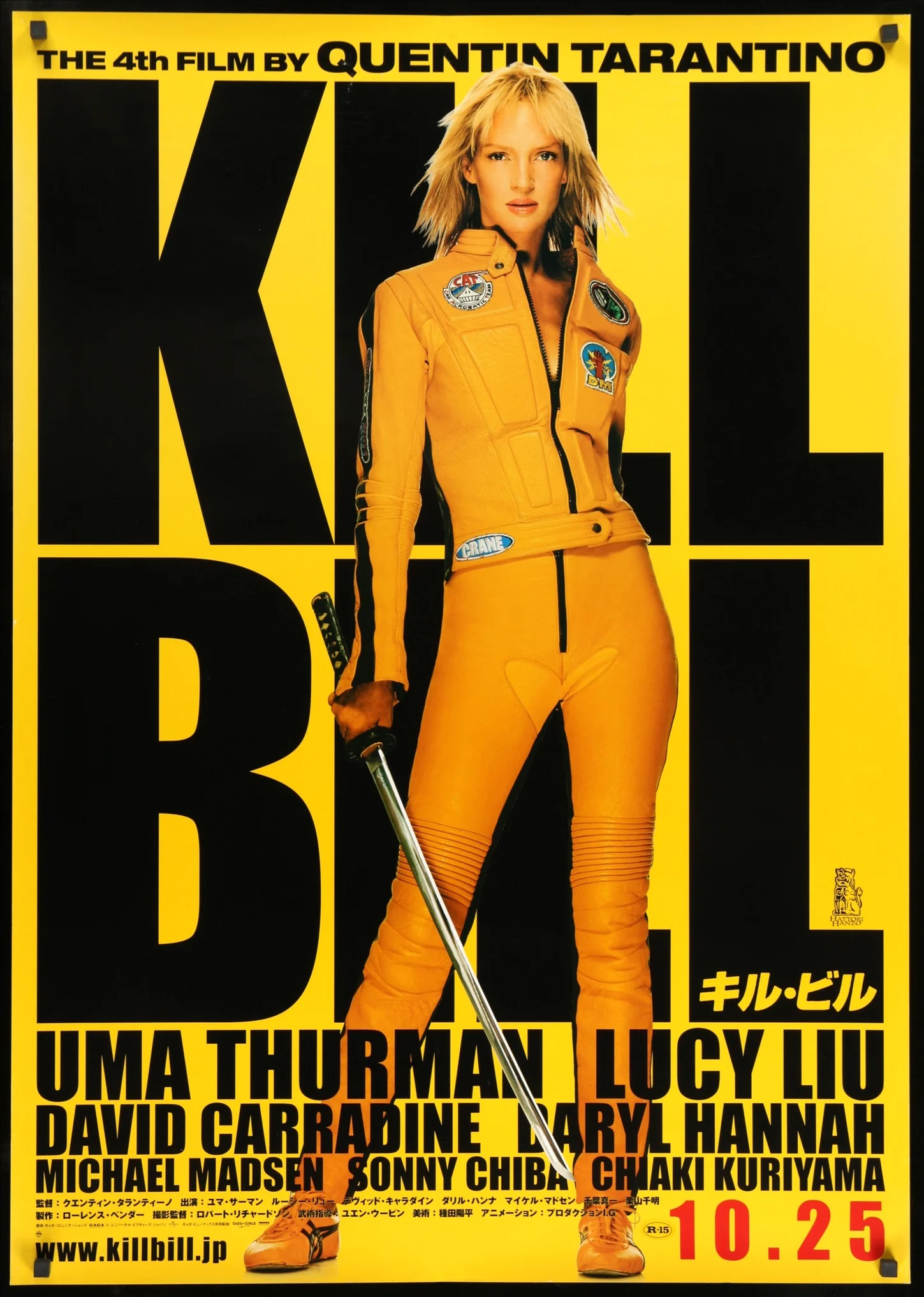
Kill Bill: Volume 1
A yellow jumpsuit, a long list of enemies and one woman who refuses to be finished.
Read the retrospective
→