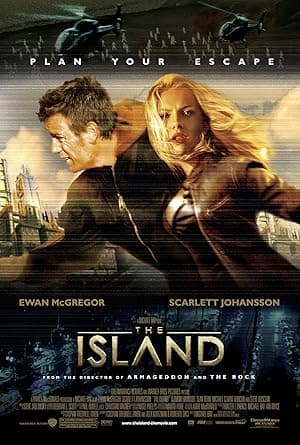
The Island
A late-00s Bay blockbuster that asks: when your body is a commodity, who gets to be human?
Feature presentation
Remember that moment in The Island when the neat, controlled world starts to crack and you realise the cheerful disclaimers were masking something awful? That jolt—that mixture of moral unease and hold-on-to-your-seat spectacle—is exactly why the film still gets talked about. Michael Bay made a tentpole that wants to be a moral parable and a chase movie at the same time; most of the time it’s both, for better and for noisier.
THE MOVIE
Lincoln Six-Echo / Tom Lincoln is still the reason this movie works
The film's heart is stubbornly specific: Lincoln Six‑Echo grows up inside a sealed complex where everyone is taught the outside world is deadly and the lucky few get a lottery to 'the Island.' That set‑up sounds clinical on paper, but on screen it becomes an engine of curiosity—Lincoln's recurring nightmares and his refusal to accept the neat rules push the story forward.
What keeps The Island from being just another chase picture is that Lincoln's questions are not trivial. He wants to know who he is and why he exists, and that blend of existential itch and a desire for freedom propels the movie from a confined parable into widescreen action. When he and Jordan slip the compound and face the real world, it changes the whole film's tone: the ethics follow the tyre tracks.
You can call it an action sci‑fi, a dystopia or a moral fable—it's all of those. But if the plot is the car you ride in, Lincoln is the driver who refuses the route. That refusal gives the movie its teeth.
THE SETUP
The idea that sets The Island in motion
At its simplest, The Island is an escape‑and‑pursuit story. Residents of a high‑tech facility are kept ignorant of the truth: they're clones created to supply organs and biological parts to paying sponsors. Once Lincoln and Jordan learn this, survival becomes the day job.
The drama hinges on a neat, terrible mechanic—the facility's system of matching clones to outside sponsors and treating bodies as replacement parts. That revelation flips the whole picture from philosophical curiosity into something urgent: the fugitives are not merely seeking freedom, they're risking everything to stop a system built on other people's bodies.
And the film isn't shy about changing gears. After the escape the narrative shifts into broad action territory—vehicle chases and shootouts—so the movie has to balance the speculative-parable opening with the demands of a Michael Bay setpiece film. Sometimes the two things sit together well; sometimes they jostle.
UNDER THE SURFACE
The Island has more on its mind than the plot suggests
Beneath the action, the movie is wrestling with hard, modern questions: what happens when biotechnology turns human bodies into medical inventory? The film keeps circling that ethical core—cloning and the business built around producing replacement parts for the wealthy.
Closely tied to that is identity. The people inside the compound are taught a false history; when those lies crumble, the movie forces us to ask whether a manufactured origin changes what someone 'is.' The Island uses its setup to make personhood feel like something you have to fight for.
Also present is the cold logic of commodification and corporate control. The facility runs like a manufacturer with surveillance and tight conditioning; it's a reminder that the dehumanising mechanisms in the story are organised, efficient and profitable.
All of this sits inside a glossy, consumer‑shaped world that the film occasionally winks at: the manufactured comforts underline the question—if everything looks like convenience, does that make exploitation easier to accept?
THE FILMMAKING
How The Island was put together
Bay's fingerprints are all over the second half: contemporary critics pointed to the film’s fast cutting and kinetic editing during the action sequences, and the credited editors on the job were Paul Rubell and Christian Wagner. That rhythm keeps the chase scenes breathless, even when the story underneath is asking weightier questions.
Production designer Nigel Phelps and cinematographer Mauro Fiore shaped the early, closed world into something clinical and near‑future. The sterile interiors are not just pretty backdrops; they reinforce the film's idea of a manufactured life.
So the film is built from two practical instincts: a carefully designed, idea‑heavy opening and a loud, pacey action grammar. Sometimes the transition feels seamless; sometimes the film's need for spectacle overrides the quieter ethical notes. But you can see, in the choices, where the movie is trying to sit—between parable and blockbuster.
PRACTICAL EFFECTS
The effects work that gives The Island its physical personality
The movie mixes hands‑on effects with big stunts. Credits and technical listings point to practical special‑effects makeup and prosthetics overseen in part by KNB EFX Group, which helps the film sell the physical reality of bodies being treated as biological commodities.
Those practical touches pair with genuinely large stunt work; the second half stages vehicle chases and setpieces that relied on stunt crews as much as digital fixes. That combination roots the film's action in something tactile rather than wholly virtual.
It’s worth noting how those practical elements serve the themes: prosthetics and medical make‑up make the ethical questions feel bodily and immediate, rather than abstract.
PURE 00s
The Island could not belong to any other decade
This is very much a mid‑00s studio sci‑fi tentpole: it pairs an idea‑driven opening about biotech and ethics with the spectacle audiences expected from a big summer release. That hybridity—serious concept plus blockbuster muscle—was a pattern Hollywood pursued a lot at the time.
And yes, the film wears its era on its sleeve. Contemporary coverage flagged the movie’s conspicuous product placement—brands like Aquafina, Xbox and Puma are visible inside the world—which felt like a particularly 2000s way of blending advertising and storytelling.
Released in 2005 and directed by Michael Bay, The Island sits in the period where studios were happy to bankroll high‑concept films that also promised car chases, explosions and glossy production values. The result is occasionally tonally uneven, but unmistakably of its moment.
THE LEGACY
Why The Island still matters
Part of the movie's afterlife is practical: it sparked a legal conversation when producers of Parts: The Clonus Horror sued over similarities, a case that was settled and dismissed. That legal footnote keeps resurfacing whenever the film is discussed.
Critically, the film has always been split in an interesting way: most reviewers liked the premise and the carefully realised first half while arguing the second half leans too hard on spectacle. That division—idea versus action—continues to shape how people remember it.
It also earned some genre recognition at the time, with mentions in awards coverage such as Saturn Awards nominations, so it wasn't simply ignored by the community that looks after sci‑fi and fantasy cinema.
Today it matters because it marries a punchy ethical question about cloning and commodification with big studio filmmaking. Even when the film chooses noise over nuance, the questions it raises about who owns bodies and identity haven’t gone away.
THE VERDICT
Does The Island still hold up?
Short answer: yes, with reservations. The Island works best when it stays close to Lincoln's curiosity and the disturbing idea that people can be manufactured as medical spares. That moral centre—the feeling that a person's life is being treated like inventory—still lands.
Where it becomes trickier is the tonal shift. Once Lincoln and Jordan escape and the movie becomes a widescreen chase with vehicle stunts and shootouts, the film sometimes prioritises pace and spectacle over the quieter ethical conflicts that hooked you in the first place. The change in rhythm is obvious, and you'll either enjoy the ride or feel tugged away from the premise.
Still, contemporary reviewers credited Ewan McGregor and Scarlett Johansson with carrying the human core through that tonal flip—Lincoln's existential questions and Jordan's shared curiosity keep the audience invested even when the setpieces roar. The ethical questions about cloning and commodification remain relevant, which is where the film keeps its bite.
So if you're after a 2000s blockbuster that will make you think and then throw you into a chase, The Island is worth watching. It isn't flawless, but it’s the rare mainstream film that asks you to consider what makes someone human while also remembering to put the pedal to the metal.
Share this movie
Keep watching
More movies from the 00s
2002
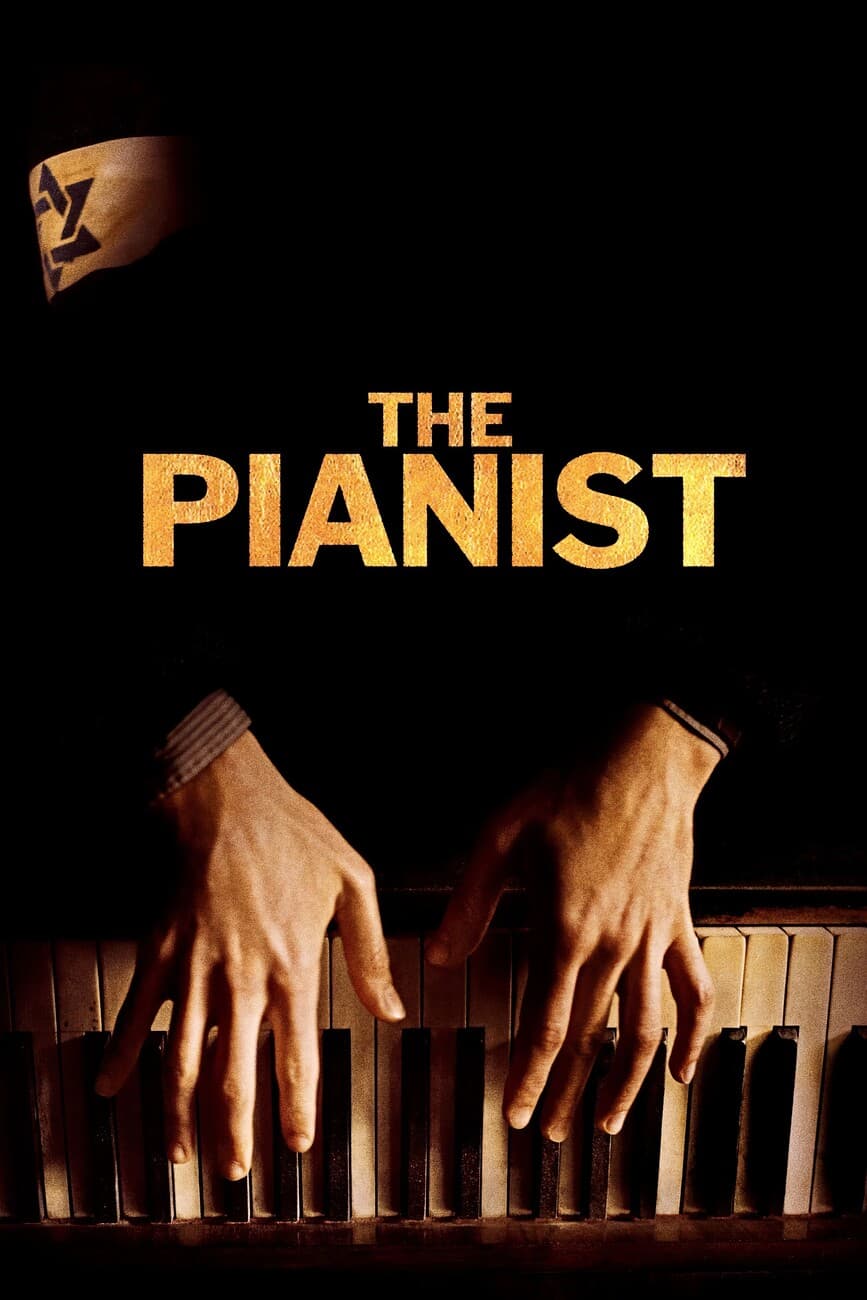
The Pianist
A quiet life unmade by war — and a pianist who refuses to stop listening.
Read the retrospective
→
2006
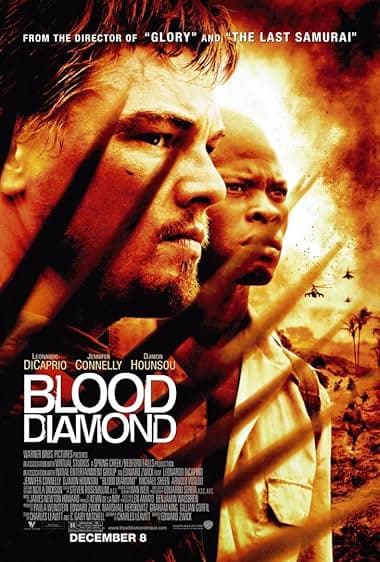
Blood Diamond
A mercenary, a fisherman and a pink diamond — and a film that still asks who pays for our jewellery.
Read the retrospective
→
2003
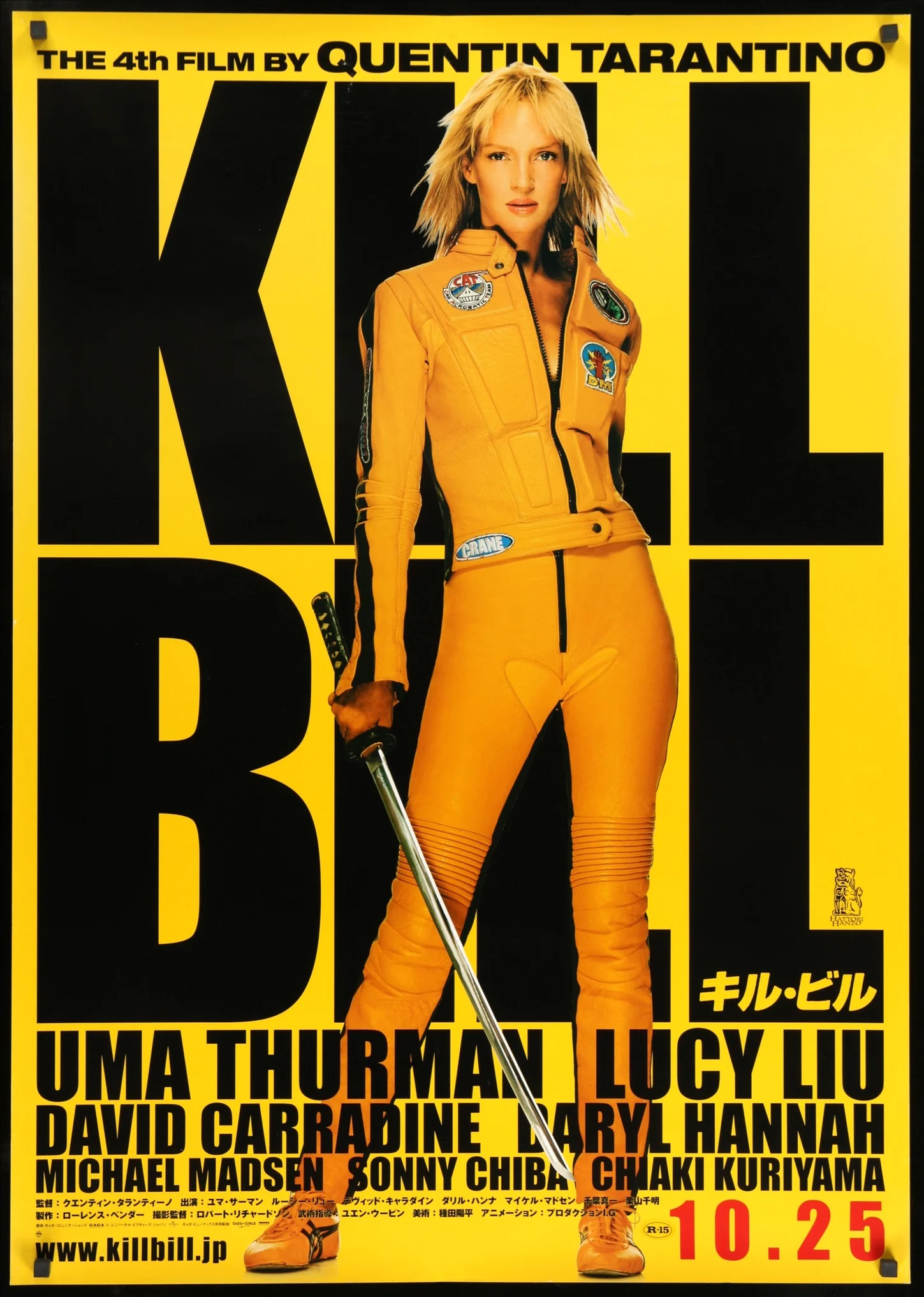
Kill Bill: Volume 1
A yellow jumpsuit, a long list of enemies and one woman who refuses to be finished.
Read the retrospective
→