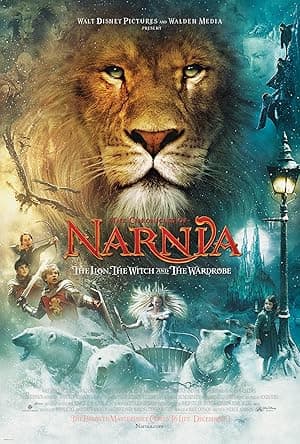
The Chronicles of Narnia: The Lion, the Witch and the Wardrobe
A wartime wardrobe, a lion, and the messy business of becoming a leader.
Feature presentation
There’s a particular pleasure in revisiting The Chronicles of Narnia: The Lion, the Witch and the Wardrobe — not because it’s a flawless miracle of moviemaking, but because it still tells a very old kind of story with surprising clarity: kids stumble into a world, loyalties break, someone pays the price, and someone else learns to lead. Andrew Adamson’s 2005 adaptation rigs the gears so those beats land for a family audience, and it’s worth returning to see why.
THE MOVIE
Peter Pevensie is still the reason this movie works
Most people remember opening the wardrobe first — Lucy stepping into a strange land where animals talk and winter won’t end. That literal portal (children evacuated from wartime London discover it) is the cheeky premise that lets the film move between two very different worlds, and it’s an invitation the story never wastes.
Lucy, the believer, is the one who sets everything in motion when she meets Mr. Tumnus; her curiosity drags the rest of the family through the wardrobe and into trouble. But while Lucy is the moral compass, the movie’s dramatic spine wants a different kind of anchor: Peter Pevensie, played by William Moseley, who becomes the figure everyone expects to grow into responsibility.
Around those children the film stages its big moral wagers — sacrifice, redemption and a battle against a tyrant — and it dresses those wagers in tidy, family-friendly terms. The White Witch (Tilda Swinton) is the obvious foil; Aslan and the consequences of Edmund’s betrayal are the heavy moral pieces the whole story pivots on.
THE SETUP
The idea that sets The Chronicles of Narnia: The Lion, the Witch and the Wardrobe in motion
The film’s inciting moment is simple and stubbornly effective: Lucy finds a wardrobe and meets Mr. Tumnus. That encounter is small and strange, but it’s the match that lights a much larger conflict — the Pevensie children versus the White Witch and whatever forces stand for Aslan.
The Witch’s power is literalised as an endless winter; she’s spent a century trying to stop a prophecy about human Sons and Daughters of Adam and Eve from coming true. That tidy, high-stakes premise gives the plot an immediately readable aim: keep the throne, prevent the prophecy, or lose the land to cold and fear.
Mechanically, the movie relies on a handful of clear devices: the wardrobe as a portal between 1940s England and Narnia, the Narnian laws known as 'Deep Magic' and the hint of a higher 'Deeper Magic', and the way prophecy and sacrificial rescue are used as turning points. None of it is dazzlingly modern — it’s the sort of old-school plotwork that tells you what side you’re on and why.
Because the setup is framed around children forced to confront adult concepts — betrayal, duty, leadership — the story can move quickly from wonder to jeopardy without losing its audience. That’s why the premise still feels sturdy: it gives the film a clear moral map while leaving room for real emotional payoffs.
THE CHARACTER
Why Peter Pevensie matters
Peter’s importance isn’t that he’s flashy. It’s that the story asks him to change in a particular way: from a boy into the appointed leader who must shoulder responsibility and command on the battlefield. That transition is the film’s coming-of-age spine.
We’re shown his developmental shorthand — responsibility, obedience, the insistence on doing the right thing — and those traits are used to mark his promotion from sibling to leader. It’s a tidy, almost classical arc: leadership here is acquired through duty and trial rather than mere charisma.
Peter’s growth matters because the plot relies on him filling a role. The betrayal by Edmund raises the stakes in a personal way, and when the family needs direction it is Peter’s trajectory that the narrative uses to provide it. The child-versus-adult tension is, in other words, routed through him.
That kind of coming-of-age sits well within the film’s family intention: the movie needs someone believable to trust in the heat of conflict, and Peter is written to be that person — which is why William Moseley’s casting as Peter matters on a purely structural level.
THE PERFORMANCE
Why Georgie Henley's performance matters
From the moment Lucy discovers Narnia she’s the moral clarity the movie keeps returning to, and contemporary reviewers noticed that. Georgie Henley was singled out as a standout among the young cast — critics repeatedly pointed to her presence and suitability for the role.
Part of what reviewers responded to was how Lucy’s honesty and curiosity anchor the film’s moral logic; she isn’t just a doorway into the story, she’s also the heartbeat that makes the other children believe. That function is crucial in a family film — you need a believable centre of wonder.
Henley’s casting therefore matters less as an acting accolade and more as a dramatic necessity: Lucy’s role requires someone who can carry that kind of uncomplicated conviction and make the rest of the narrative choices feel earned.
When critics discussed the adaptation’s handling of C. S. Lewis’s symbolism, they regularly pointed to Lucy — which tells you the film’s emotional and symbolic clarity rests, in part, on her being compelling enough to represent the story’s faith in goodness.
UNDER THE SURFACE
The Chronicles of Narnia: The Lion, the Witch and the Wardrobe has more on its mind than the plot suggests
On the surface it’s a children’s adventure about a wardrobe and a witch. Underneath it’s a set of moral problems the story keeps returning to: sacrifice, redemption, leadership and the nature of tyranny. Those are not subtle ideas, but the film treats them as large, almost ceremonial demands.
The sacrificial thread — Aslan’s role and the consequences of Edmund’s betrayal — gives the film its moral weight. It’s the emotional manoeuvre the plot depends on: betrayal precipitates a need for atonement, and the story stages that atonement as a kind of rescue.
The coming-of-age material is intertwined with those moral questions. Peter’s leadership is tested in responsibility and battle, and the movie uses those tests to mark the young characters’ movement into adulthood in blunt, readable strokes.
Finally, the movie carries faith and allegory through its narrative without pretending they’re hidden. Whether you look for spiritual symbolism or plain storycraft, the film foregrounds questions about good versus evil and the costs required to restore a just order.
PRACTICAL EFFECTS
The effects work that gives The Chronicles of Narnia: The Lion, the Witch and the Wardrobe its physical personality
Narnia’s creatures feel like they belong to physical space because the production mixed on-set prosthetics and animatronics with computer-generated characters. That hybrid approach makes the talking animals and hybrid creatures read as objects in the world rather than purely digital phantoms.
The makeup and prosthetic work involved established practical-suit elements on set while digital work finished the job. KNB EFX worked alongside design teams to create that hybrid, practical-to-digital pipeline.
Weta Workshop supplied creature and costume designs that were used as the basis for both practical suits and digital characters. The collaboration meant the creatures started life as real, touchable concepts before being augmented in post-production.
The result is a physical personality for the film: the cast interact with pieces of creature reality on set, which helps scenes feel rooted even when later digital work completes the illusion.
PURE 00s
The Chronicles of Narnia: The Lion, the Witch and the Wardrobe could not belong to any other decade
This is very much an early-00s blockbuster in its DNA: it arrived when studios were betting on big, literary-based fantasy series and when the infrastructure for large-scale VFX work was concentrated in places like New Zealand.
Its December 2005 release positioned Narnia as a family/holiday franchise launch — the kind of event cinema studios were building around that decade, slotting an adaptation into the lucrative winter market.
Production choices also tied it to contemporaneous projects: filming and major production work in New Zealand plugged the film into the same VFX and creature ecosystem that supported other large-scale fantasies of the period.
Finally, it’s worth remembering that the movie was built to start a series — it did just that, launching a theatrical adaptation run that continued with Prince Caspian in 2008 — which was a very 2000s way of thinking about classic children’s literature: not as a stand-alone, but as the seed of a franchise.
THE LEGACY
Why The Chronicles of Narnia: The Lion, the Witch and the Wardrobe still matters
Part of the film’s lasting footprint is technical recognition: it won the Academy Award for Achievement in Makeup and the BAFTA for Best Makeup & Hair, honours that underline the craft behind the creatures and prosthetics.
On a franchise level, the 2005 adaptation did what it set out to do — it launched a theatrical series that continued with Prince Caspian (2008) and The Voyage of the Dawn Treader (2010), establishing a filmic path through Lewis’s books.
There’s also a production legacy: filming and heavy collaboration with New Zealand effects houses reinforced the country’s profile as a hub for large-scale fantasy filmmaking and tightened the link between studio projects and local creature/VFX expertise.
So its memory is partly about awards and partly about industry infrastructure — and partly about proving that C. S. Lewis’s particular blend of fable and allegory could be adapted for the multiplex.
THE VERDICT
Does The Chronicles of Narnia: The Lion, the Witch and the Wardrobe still hold up?
Yes — for the audience it was built for. If you want a family-friendly fantasy that lays its moral cards on the table, moves children into responsibility, and stages a clear sacrificial rescue, this still hits those marks. The wardrobe portal, Lucy’s discovery, the Witch’s frozen tyranny and the Deep/Deeper Magic mechanics all remain serviceable dramatic engines.
The film’s emotional centre — Edmund’s betrayal and the sacrificial response it triggers — gives it a seriousness that keeps it from feeling like empty spectacle. Georgie Henley’s Lucy was singled out by contemporary reviewers for giving that emotional thread credibility, which matters when the plot asks you to accept large moral moves.
It’s also a product of 2005 in sensible ways: Andrew Adamson’s adaptation runs to about 143 minutes, and it was clearly intended to launch a series (which it did). The mixture of practical creature work and digital finishing gives the world a physical texture that benefits repeated viewings.
If you’re deciding whether to watch it today, think about what you want from a fantasy: if you crave tight allegory, a coming-of-age leader arc and clear moral stakes rather than ambiguous, modern antiheroes, then yes — bring the children, or be the child yourself. Put simply: it still makes the case for why a lion’s sacrifice matters to a family audience.
Share this movie
Keep watching
More movies from the 00s
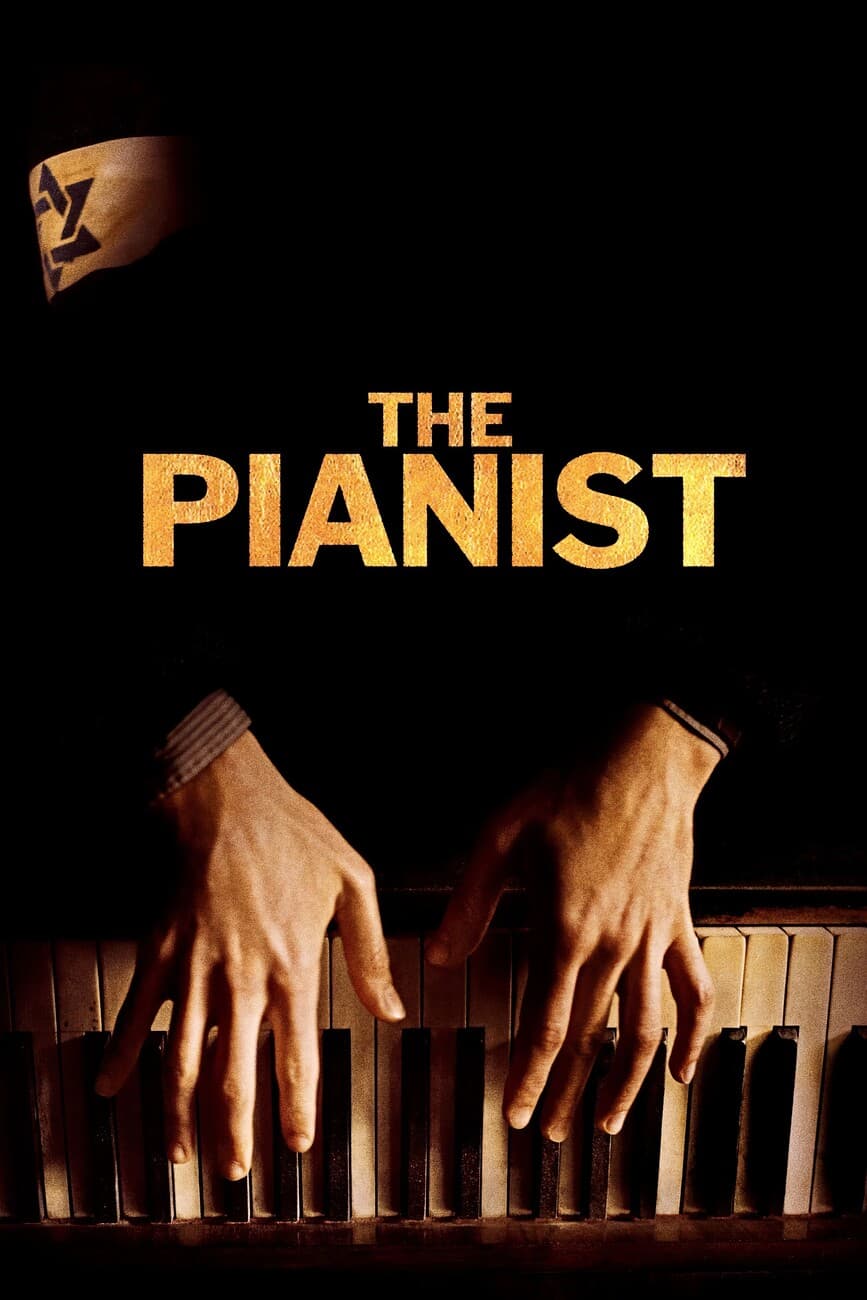
2002
The Pianist
A quiet life unmade by war — and a pianist who refuses to stop listening.
Read the retrospective
→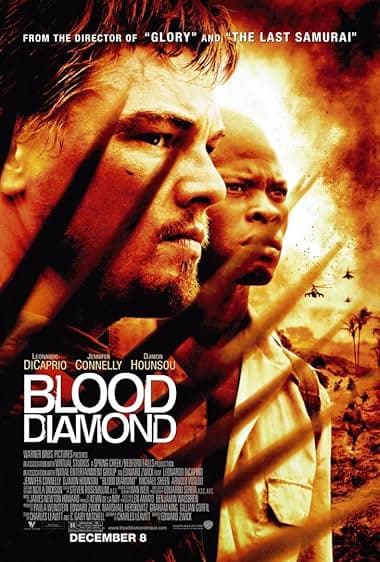
2006
Blood Diamond
A mercenary, a fisherman and a pink diamond — and a film that still asks who pays for our jewellery.
Read the retrospective
→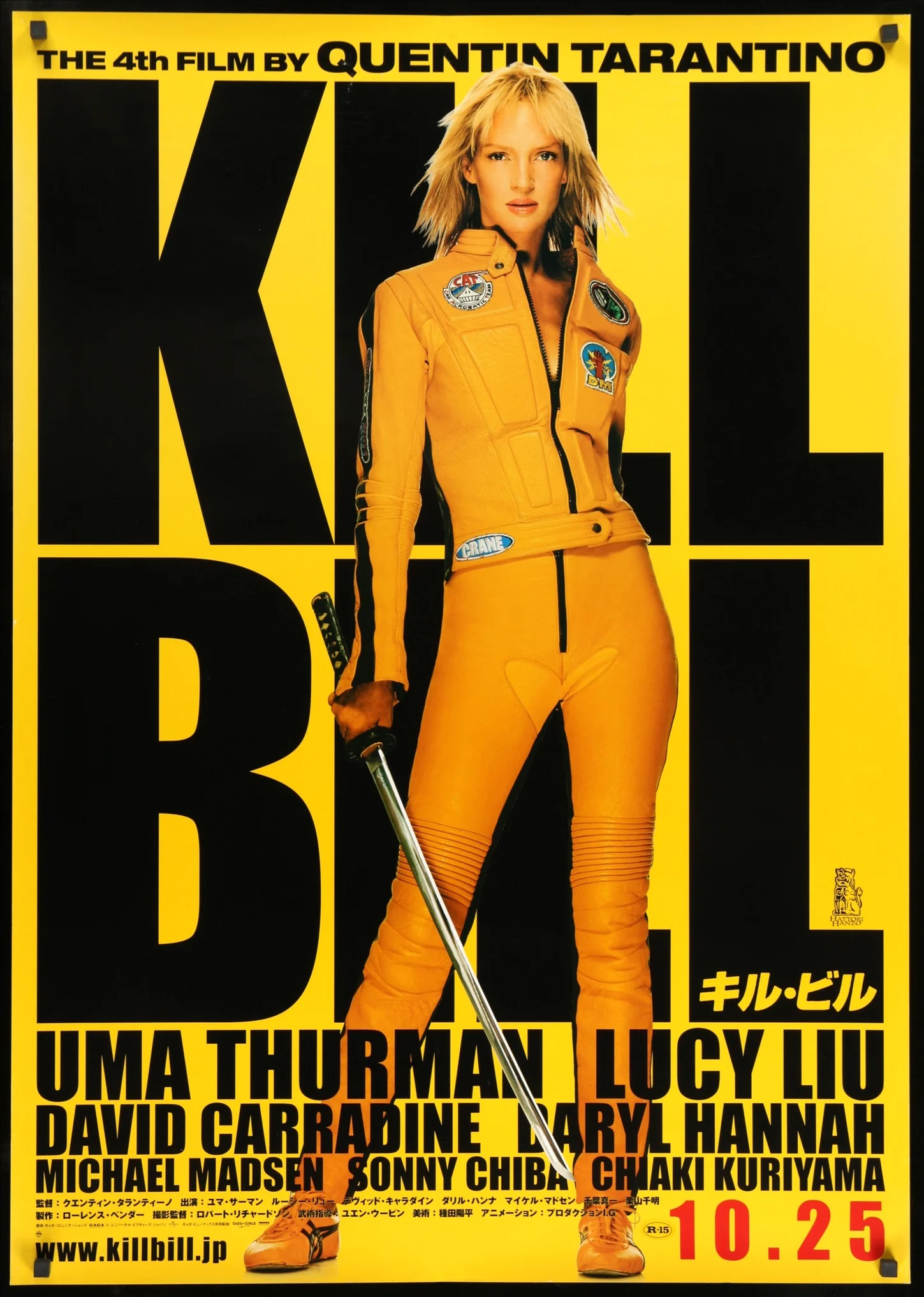
2003
Kill Bill: Volume 1
A yellow jumpsuit, a long list of enemies and one woman who refuses to be finished.
Read the retrospective
→