Feature presentation
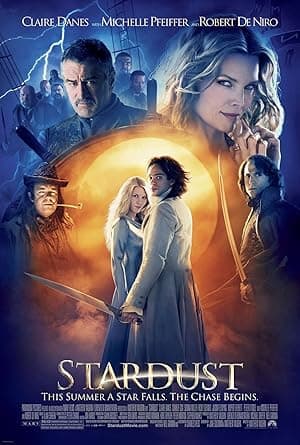
Stardust still feels like a film built around one quietly stubborn idea: the fallen star is a person, not a prize. Matthew Vaughn’s 2007 adaptation turns that simple swap — a teenager chasing a celestial body becomes a pair of people learning what love and courage actually mean — into a broad, family-friendly fairy tale that keeps spritzing in odd charms and lethal ambition.
THE MOVIE
Yvaine (the fallen star) is still the reason this movie works
Pluck one well‑meaning idiot from a dreary border town, promise him a thing he doesn't fully understand, and watch him march straight across a kingdom to keep that promise. That, more or less, is Tristan Thorn’s starting point — he crosses from Wall into Stormhold to fetch a fallen star for the girl back home.
Only the star isn’t a rock you can shove in your pocket. The fallen star has taken human form as Yvaine, and that twist is what turns a straightforward errand into a battlefield: princes after a royal ruby, witches who want the star’s heart, sky‑pirates and a few very strange loyalties all converge around her.
That configuration — a coming‑of‑age quest tangled with romantic transformation — is exactly the film’s engine. Directed by Matthew Vaughn and anchored by Claire Danes as Yvaine, Stardust isn’t shy about being a family fantasy with teeth; it asks what maturity looks like when your supposed prize refuses to be an object.
THE SETUP
The idea that sets Stardust in motion
Stardust keeps the engine simple: Tristan promises a girl a fallen star and then has to go and fetch it. That tidy romantic boast — the kind of daft thing young men say to be brave — propels him out of Wall and into the magical kingdom of Stormhold.
The screenplay spices this journey with concrete fantasy mechanics so the plot can actually move: there’s a Babylon candle that sends whoever lights it to the place they want to go, and a magic chain that lets Tristan claim — and control — the star he finds.
Those two devices stop the film from getting stuck in abstraction. The candle and the chain are literal gadgets that let the story hop around, create trouble and then test Tristan’s resolve as he moves from silly bravado toward something more like responsibility.
It’s a tidy setup because the magic serves the character work: the quest is about a boy learning what his promise means when the promised thing is a person.
THE CHARACTER
Why Yvaine (the fallen star) matters
At first glance Yvaine could have been a prize — shimmering, otherworldly and valuable enough to start a war. But casting Claire Danes simply as 'the fallen star' is a choice that keeps nudging the movie in a humane direction: she’s the thing that forces Tristan to stop performing adulthood and actually become adult.
Because Stardust aims at family audiences it avoids murkier ambiguities and instead makes Yvaine an axis for change. The romance that grows around her isn’t about possession; it’s about Tristan learning whose life he’s willing to put at risk and why.
That makes her memorable for a plain reason: the star matters not as a macguffin but as a character whose survival and choices move the plot and change the other people in the frame.
Put simply, take the sparkle away and you lose the moral tug of the film — Yvaine is the story’s compass.
THE PERFORMANCE
Why Michelle Pfeiffer's performance matters
Contemporary critics kept pointing to Lamia as the kind of deliciously theatrical villain a fairy tale needs, and Michelle Pfeiffer’s turn is the reason. Reviewers described the role as vividly theatrical — the sort of performance that keeps pulling your eye even when the story rushes on.
That quality matters in a film with a long list of eccentric players: Lamia gives the narrative a clear, nasty centre of ambition. When the witch appears the stakes sharpen because she’s not after a kingdom; she’s after youth and power, which makes her threats domestic and chilling.
Pfeiffer’s Lamia functions like a clockwork antagonist — a showy counterweight to Tristan’s awkwardness and Yvaine’s vulnerability — and contemporary reaction made that balance one of Stardust’s most remarked‑upon pleasures.
So even if the film occasionally flirts with broad comedy elsewhere, Lamia keeps the emotional and moral danger looking properly dangerous.
UNDER THE SURFACE
Stardust has more on its mind than the plot suggests
On the surface it’s a quest — boy goes into a magical land, encounters obstacles, returns changed. But that format is a vehicle for a few recurring ideas: growing up under pressure, how romantic love can reshape priorities, and the shadows ambition casts when people thirst for power.
The film treats coming‑of‑age as something earned by trials rather than handed down. Tristan’s maturation is literalised: he navigates tests that force him to choose between bravado and responsibility.
At the same time romantic love is presented as genuinely transformative. It’s not a pretty subplot; the bond that forms around Yvaine reorders people’s aims and gives characters moral agency they didn’t have at the start.
Finally, Stardust enjoys exploring identity between the ordinary world and the fantastic. The border-town of Wall and the kingdom of Stormhold may be different places, but the film keeps reminding us that the trade-offs between ambition and cost, or desire and consequence, are similar wherever you stand.
THE FILMMAKING
How Stardust was put together
There’s a practical logic to Stardust’s look: Ben Davis handled cinematography and Jon Harris the editing, and the production alternated studio work with location shoots. That mix gives the film room for both contained, storybook interiors and wider, roaming landscapes.
Matthew Vaughn’s direction leans into that contrast — the controlled studio sequences let the fairy‑tale set pieces breathe, while the location work supplies the sense that the quest travels through a real, changing world.
The combination of Pinewood studio resources and Scottish, Welsh and Icelandic locations is the sort of production pattern that lets a mid‑budget fantasy feel bigger than its running time without pretending to be an effects parade.
In short: Stardust’s construction privileges clarity and mobility, which is why its scenes move briskly even when the film is being deliberately whimsical.
PRACTICAL EFFECTS
The effects work that gives Stardust its physical personality
Stardust mixes hands‑on builds with digital finishing. For example, a twenty‑foot stretch of The Wall was actually built on location and then extended in the frame with painting and matte work — a hybrid trick that keeps scenes tactile.
The production also used practical miniatures alongside digital work: interiors for the pirate skyship were shot against a full 360‑degree greenscreen, while specialist vendors supplied physical miniatures that the camera could react to.
Those choices matter because they let actors interact with real surfaces and give the viewer a sense of heft. When the camera takes in practical detail, the fantasy world feels like something you could bump into rather than an entirely virtual set.
So while Stardust has extensive digital finishing, there’s a through‑line of physical craft that keeps the film’s environments feeling lived‑in.
PURE 00s
Stardust could not belong to any other decade
Arriving in 2007, Stardust sits squarely in a mid‑2000s moment when studios were willing to back literary fantasies that mixed big effects with distinct national production practices. It’s a UK–US production that uses British locations and studio resources while still aiming at a broad family audience.
The way the film compresses and restructures material from Neil Gaiman’s novel — reshaping and expanding certain characters to fit a two‑hour, theatrical rhythm — is also very of its time. The 00s were full of adaptations trying to make longer, moodier books fit a studio format without losing heart.
Production scheduling reflects that era too: principal photography combined Pinewood work with shoots across Scotland, Iceland and Wales, the kind of globe‑hopping shoot that mid‑budget genre films of the decade frequently employed.
And, tellingly, the film’s awards and recognition — including the Hugo for Best Dramatic Presentation — mark it as part of a period that celebrated thoughtful, big‑scale genre storytelling.
WATCHING IT NOW
What has aged — and what hasn't
One thing that has continued to draw viewers is Michelle Pfeiffer’s Lamia and the tonal mix of whimsy with genuine peril; commentators still single out that combination when they recommend the film on streaming or to family viewers.
As a broadly family‑oriented fantasy, Stardust’s storytelling choices — clearer moral lines, an accessible romance and a decisive coming‑of‑age arc — keep it watchable for viewers who want an earnest fairy tale rather than an ironic deconstruction.
That durability is why the film tends to reappear on home video and TV lineups: it has a dependable mix of character beats and spectacle that translates well outside the cinema.
Put another way, what remains effective is less the novelty of effects and more the film’s tonal promises — the promise that a star is human and that people can change.
THE LEGACY
Why Stardust still matters
Stardust’s Hugo Award for Best Dramatic Presentation is a tidy piece of evidence that the film found an appreciative genre audience, but its longer‑running legacy is quieter: a steady afterlife on home video and television.
Over the years the film developed a reputation as an evergreen family fantasy — the sort of movie people keep returning to when they want a romantic adventure that doesn’t demand irony or cynicism.
That durability is important. Stardust didn’t explode into ubiquity, but it became one of those reliably rewatched titles that sits in parents’ libraries and gets rediscovered by new viewers.
In short: its afterlife is less about a single cultural event and more about slow, steady affection.
THE VERDICT
Does Stardust still hold up?
Yes — if you want a warm, old‑fashioned fairy tale with a clear moral compass. The film’s basic bargain is straightforward: Tristan crosses into Stormhold to retrieve a fallen star, only to discover the star has become a person, and that revelation reshapes his promises and the entire quest.
The screenplay gives the story tools that keep it moving — a Babylon candle for teleportation and a magic chain to claim the star — and it doesn’t shy away from the darker side of fantasy: witches who would consume a star’s heart for youth, and princely ambition that turns succession into a scramble.
Stardust also makes practical choices that help it endure. The film compresses and restructures material from Neil Gaiman’s novel for the screen, expanding colourful players (Captain Shakespeare among them) and tightening the climax to suit a two‑hour family audience. Those edits give the movie a clearer arc and a definite emotional centre around Yvaine.
So if you’re in the mood for a romance that changes characters rather than simply decorating them, and you don’t mind a few broad comic turns along the way, Stardust still delivers. It’s a film that believes in people even when they behave foolishly — and that, in the end, is the kind of magic many viewers will still watch for.
Share this movie
Keep watching
More movies from the 00s
2002
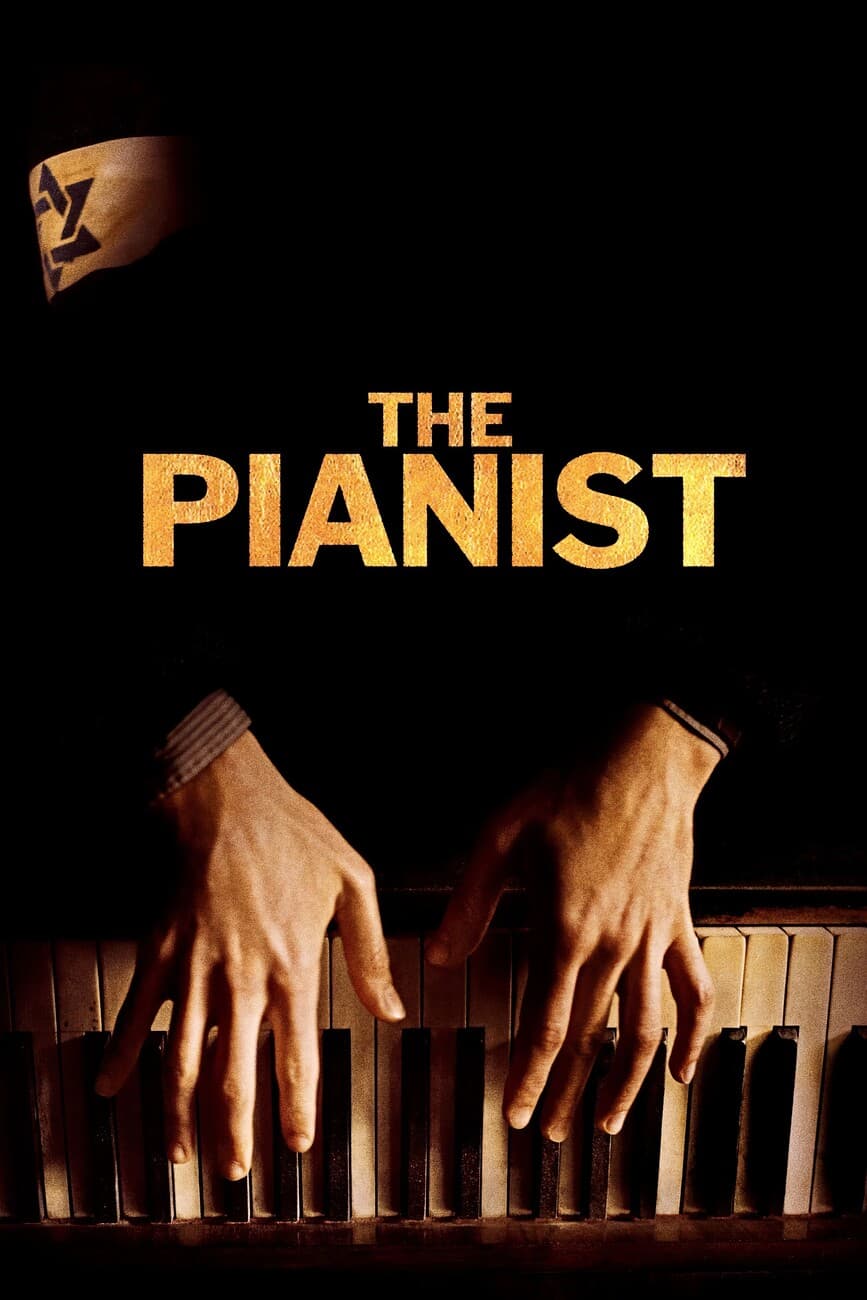
The Pianist
A quiet life unmade by war — and a pianist who refuses to stop listening.
Read the retrospective
→
2006
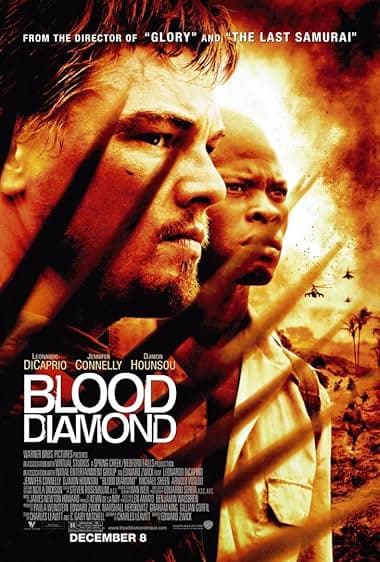
Blood Diamond
A mercenary, a fisherman and a pink diamond — and a film that still asks who pays for our jewellery.
Read the retrospective
→
2003
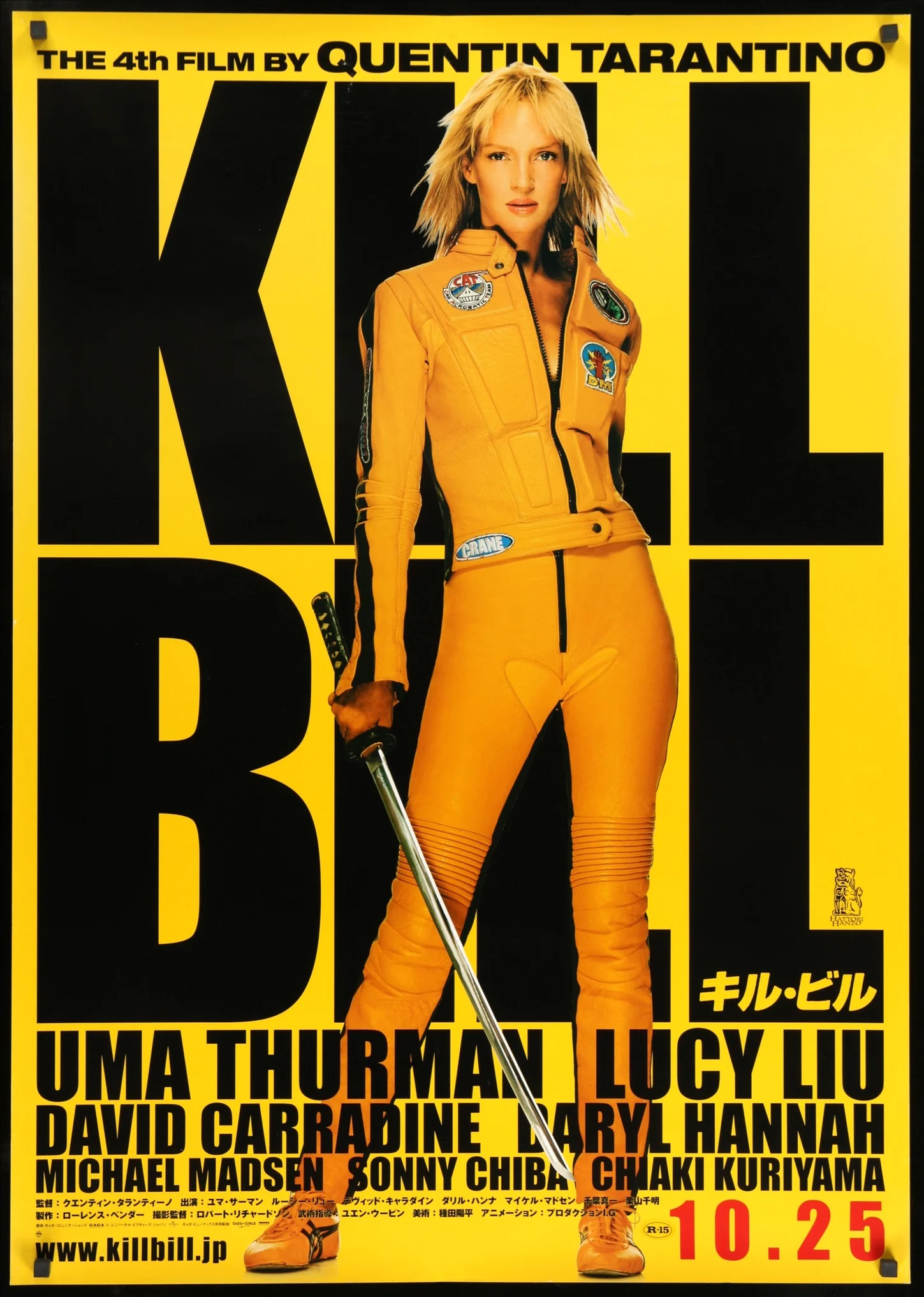
Kill Bill: Volume 1
A yellow jumpsuit, a long list of enemies and one woman who refuses to be finished.
Read the retrospective
→