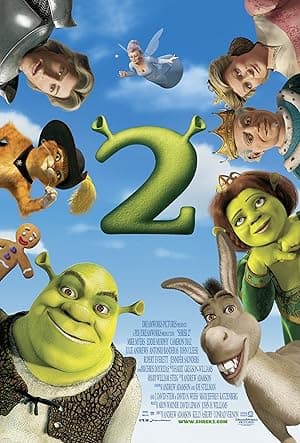
Shrek 2
Ogres, in-laws and a swashbuckling cat — a sequel that still knows how to wag its tail.
Feature presentation
Shrek 2 picks up with newlyweds Shrek and Fiona being dragged out of swamp life and into the polite chaos of Far Far Away. An invitation to meet Fiona’s parents turns a cosy domestic groove into a full-blown fairy-tale in-law crisis — and the film never wastes the comedic tension that follows. It’s the sequel that doubled down on character friction, introduced Puss in Boots and made ‘acceptance’ feel like the funniest thing on screen.
THE MOVIE
Shrek is still the reason this movie works
Shrek 2 begins with a small, brilliant switch: the messy, private life of two newlyweds is yanked into the bright, performative world of royalty. That invitation to Far Far Away — to meet Fiona’s parents — is the simple spark that pushes this sequel out of swamp comfort and into proper trouble.
At the centre of that trouble is Shrek, very much an ogre trying to be normal, suddenly anxious about whether he’ll be accepted by a kingdom that expects something very different. The film leans on that anxiety, and it’s why the jokes about manners, expectations and awkward introductions land so well.
Directors Andrew Adamson, Kelly Asbury and Conrad Vernon steer a tight 93-minute comedy-adventure that keeps the focus where it should be: on Shrek, his relationship with Fiona, and how the rest of the fairy-tale world reacts when they refuse to conform.
THE SETUP
The idea that sets Shrek 2 in motion
On paper the engine is tidy: a Fairy Godmother has a plan to break Shrek and Fiona up so her son, Prince Charming, can marry Fiona instead. That external threat gives the sequel stakes bigger than ‘keep the swamp tidy’ — suddenly it’s about a marriage and an entire kingdom’s expectations.
The movie uses a couple of bold mechanics to make that battle entertaining. There are big setpieces — think musical-show energy — and a potion plot device that temporarily alters appearances, which the story uses to ask who people are when they look different.
All of that sits inside a family/in-law conflict: this isn’t just a fairy-tale villain with power, it’s a clash of private loyalty versus public pressure. It’s a neat way to keep the humour while raising what’s at risk.
THE CHARACTER
Why Shrek matters
Shrek remains the emotional anchor because the sequel keeps returning to one simple truth: he’s an ogre who wants to belong. Mike Myers’s Shrek is no longer just grumpy loner material — he’s a husband facing in-laws, which makes his vulnerabilities funny and, crucially, human.
That anxiety — will Fiona’s family ever accept him? — isn’t abstract. It’s written into the plot and into Fiona’s own tug-of-war between loyalty and royal expectation, so every jab at manners or status hits back at the central relationship.
The movie smartly surrounds Shrek with friends who amplify those stakes. Donkey is the loud, loyal foil who helps push Shrek through the challenge, while the arrival of Puss in Boots gives the pair a new, theatrical ally whose allegiance eventually tips things in Shrek’s favour.
Put simply: Shrek matters because the film keeps its focus on him as someone squashed between who he is and what everyone else wants him to be — and it never forgets that the personal stakes should power the jokes.
UNDER THE SURFACE
Shrek 2 has more on its mind than the plot suggests
Beneath the pratfalls and parodies, Shrek 2 is quietly about acceptance and belonging. The whole royal visit is a test: do you change to be loved, or insist on being loved as you are?
That question folds neatly into the film’s interest in appearance versus identity. The potion device is more than a gag — it asks what remains of you when your look changes and whether true character survives a quick fix.
Friendship and loyalty thread through the story as well. The stakes are kept personal because Shrek doesn’t take on the kingdom alone; his friends back him, and that loyalty undercuts the Fairy Godmother’s glossy attempts at control.
And of course there’s the satire: the film delights in poking holes in fairy-tale expectations and pop-culture tropes, using jokes and showy sequences to remind the audience that these stories are made, not natural.
PURE 00s
Shrek 2 could not belong to any other decade
Shrek 2 sits squarely in the mid-2000s era of big-budget, star-fuelled animated sequels — it premiered at Cannes in May 2004 and opened wide that same month. That timing matters: sequels were becoming the place studios put heavy casting and big ideas.
DreamWorks leaned into star-driven voice lines and pop-culture pastiche, and this film is a tidy example of that strategy. The movie wears its references with a wink, which felt very of-the-moment in the early 00s mainstream animation landscape.
Behind the scenes that strategy had teeth: the returning leads negotiated much larger paydays for the sequel than they’d taken on the first film, reflecting how commercial stakes for named talent had risen in animation by then.
Put another way: Shrek 2 is a product of the 2000s not because of a fashion choice but because of how the business, casting and comic tone of studio animation were evolving at the time.
WATCHING IT NOW
What has aged — and what hasn't
The things that hold up are the story bones: family and in-law conflict, friendship and loyalty. Those are human and still land because the film keeps them specific — it’s not just ‘big stakes’, it’s Shrek trying to survive dinner with future in-laws.
The character additions also carry weight. Introducing Puss in Boots in this film gave the franchise a fresh angle, and that character’s later prominence shows he had enough narrative juice to keep going beyond this sequel.
Because Shrek 2 is, at heart, a family movie, its choices aim for clarity. That means the central emotional beats — loyalty, identity and acceptance — remain readable to a modern audience.
In short: the film’s themes and the way it deploys character remain serviceable today, even if some peripheral jokes are very of their era.
THE LEGACY
Why Shrek 2 still matters
For a time Shrek 2 became the highest-grossing animated film worldwide and remained DreamWorks’ biggest commercial success for years — which matters because it helped the franchise grow into more films and spin-offs.
The movie’s proudest creative footnote is Puss in Boots: a character introduced here who later earned his own lead film and continued presence in franchise media.
Shrek 2 also earned critical notice at the time, with two Academy Award nominations including Best Animated Feature and a nod for its original song.
All of that adds up: the film’s success allowed the story world to keep expanding, and some of the franchise paths trace directly back to what this sequel did.
THE VERDICT
Does Shrek 2 still hold up?
Yes — for the reasons you remember. The film takes a small domestic problem (newlyweds meeting the in-laws) and blows it up into a comedic, sometimes gloriously daft fairy-tale showdown. That keeps the stakes personal while giving the sequel room to play.
It keeps its focus on Shrek as someone caught between who he is and who others want him to be, and uses Donkey, Puss in Boots and the rest of the cast to make that fight entertaining rather than preachy.
If you watch it now you'll find the family/in-law conflict and the friendship beats still work; the setpieces and the potion device give the story shape and a few genuinely memorable sequences to boot.
So yes: watch it. It’s a tight 93 minutes of a sequel that understands you come for the jokes but stay for the characters.
Share this movie
Keep watching
More movies from the 00s
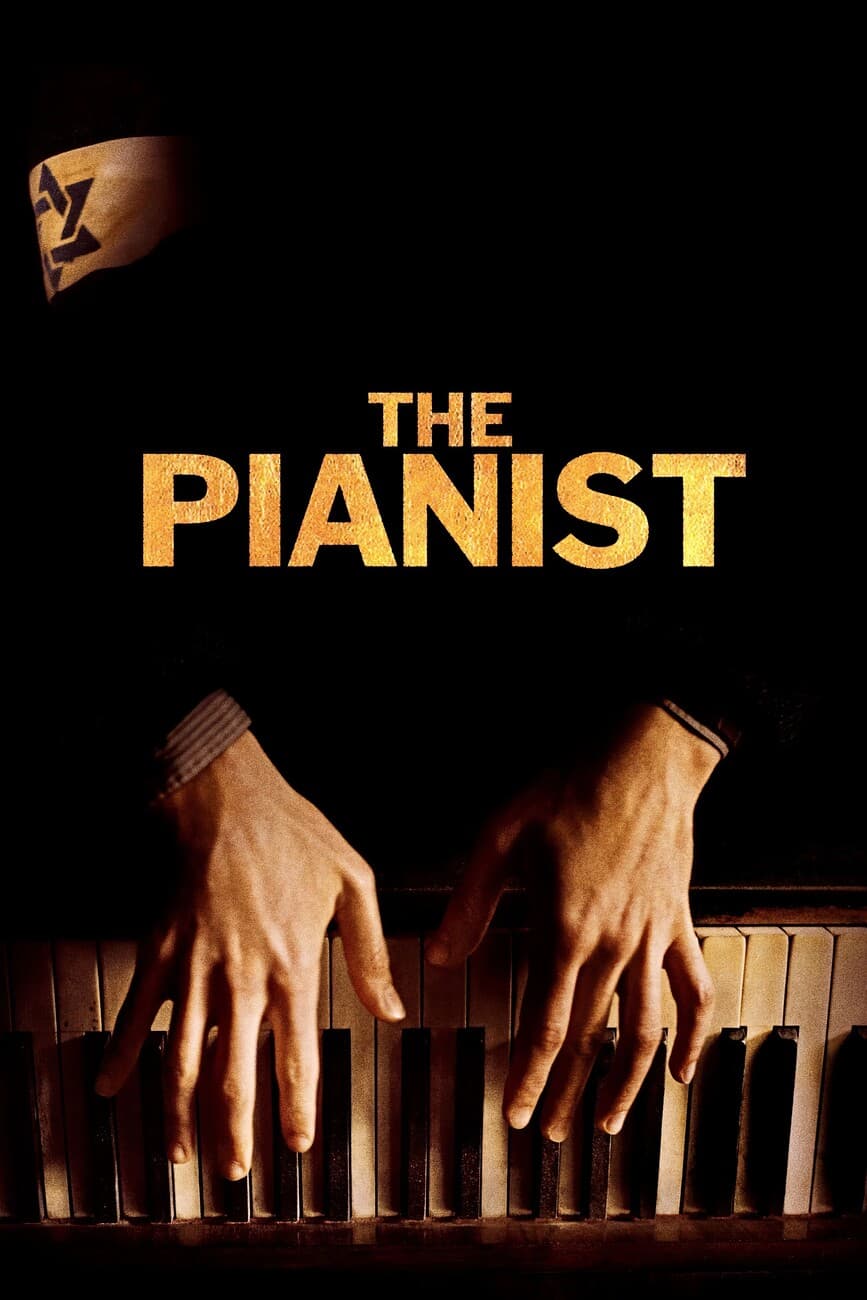
2002
The Pianist
A quiet life unmade by war — and a pianist who refuses to stop listening.
Read the retrospective
→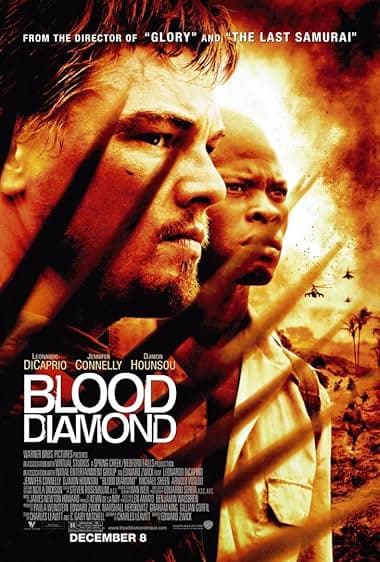
2006
Blood Diamond
A mercenary, a fisherman and a pink diamond — and a film that still asks who pays for our jewellery.
Read the retrospective
→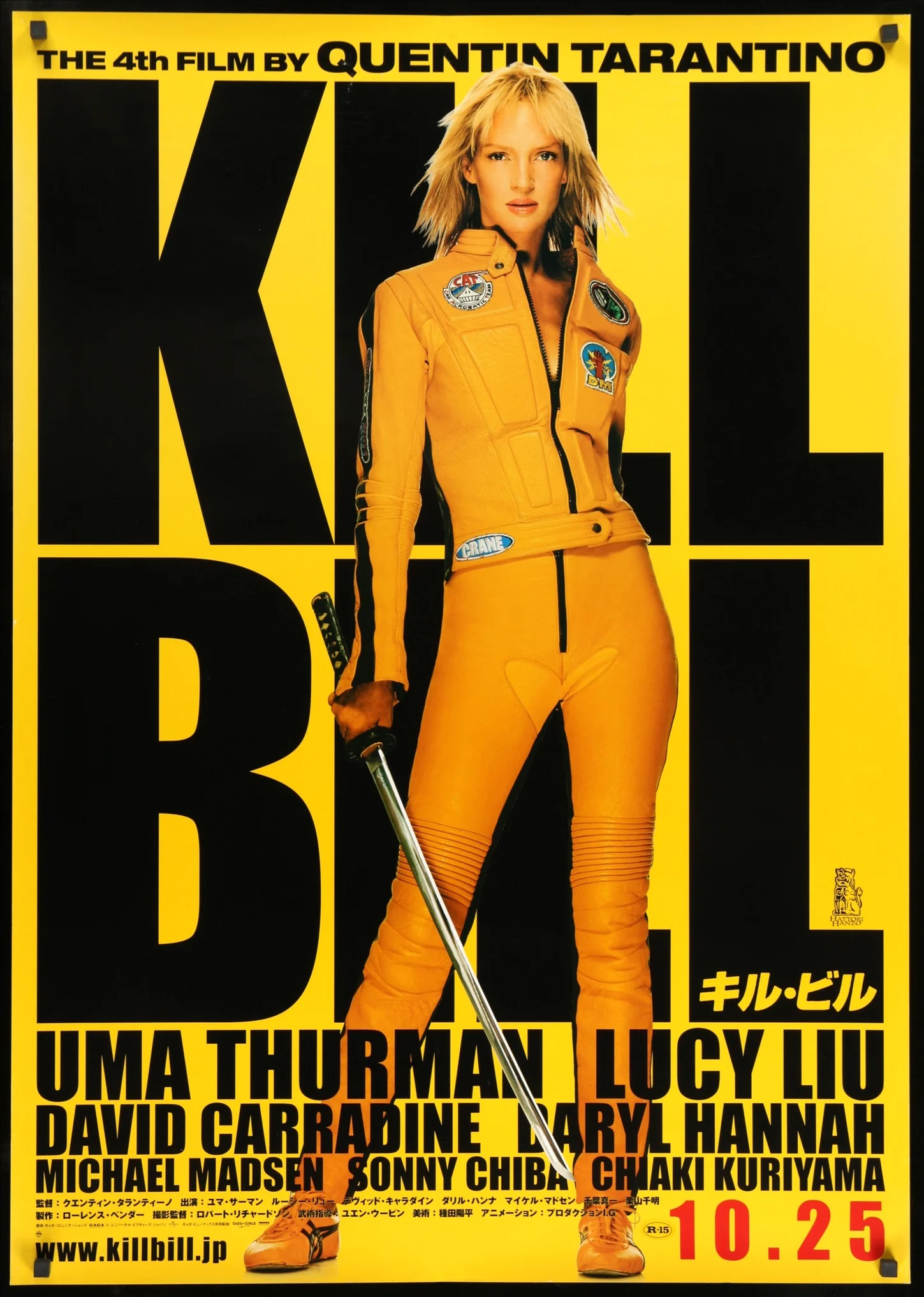
2003
Kill Bill: Volume 1
A yellow jumpsuit, a long list of enemies and one woman who refuses to be finished.
Read the retrospective
→