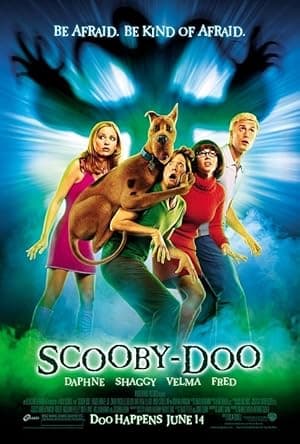
Feature presentation
Scooby-Doo is the sort of family movie that announces itself in the first five minutes: big, noisy, affectionate toward its own silliness and determined to make a cartoon dog look like a movie star. Raja Gosnell's 2002 take reunites a fractured Mystery, Inc. for one loud trip to Spooky Island, and underneath the gags there's a surprisingly steady interest in friendship, fame and whether the mask is more interesting than what's behind it.
THE MOVIE
Fred Jones is still the reason this movie works
There are worse ideas than handing a familiar cartoon to a summer-studio machine and asking it to make everything feel bigger. Scooby-Doo does exactly that: it takes Mystery, Inc. out of Saturday morning and drops them, one by one, into Spooky Island — a horror-themed resort where the gang are each invited to investigate a rash of paranormal incidents.
What keeps the film from being pure brand spectacle is that the central engine is the gang's relationships. Fred, Daphne, Velma and Shaggy have split up before the picture begins, and the movie rejoins them not just to hunt ghosts but to test how loyalty survives in the limelight. That tug between friendship and ego gives the jokes something to hang onto.
It’s a short ride — 86 minutes — and very much of its moment: a 2002 live-action/CGI family picture directed by Raja Gosnell that quite literally asks us to believe in a computer-generated Scooby-Doo while the human cast bickers about who gets top billing.
THE SETUP
The idea that sets Scooby-Doo in motion
The film’s premise is tidy by design: an outward mystery — spooky happenings at a theme-resort called Spooky Island — collides with an inward problem, namely that Mystery, Inc. have been drifting apart and carry a few bruised egos.
That collision is the movie’s practical trick. The spooky incidents provide spectacle and chase set pieces; the fractured friendships supply scenes where choices matter because the characters actually feel one another’s history.
It’s also a screenplay with identifiable hands on it: James Gunn is credited on the script, with Craig Titley sharing story credit. The result is a family mystery that keeps the plot clear so the interpersonal friction can breathe.
So you get both: a classic Scooby set-up — investigate a haunted place — and a small, modern wrinkle about fame and teamwork that explains why the gang’s reunion is worth watching.
THE CHARACTER
Why Fred Jones matters
Fred is the glue in this version of Mystery, Inc. He’s on-screen as the organiser, the one who tries to steer the group through traps, arguments and the occasional monster. That role matters because the movie’s drama is less about a single villain and more about whether the team can act like a team again.
Freddie Prinze Jr. plays Fred Jones, which is to say the character is centrally cast to carry those reunion beats. The script keeps pulling decisions back to him — how to mount a trap, when to forgive a stumble, who needs to be convinced to step into the spotlight.
Because the film foregrounds friendship and loyalty, Fred functions as the face of the group’s attempt to make peace with its own past. His choices often force the other characters to reveal whether they’ll stand together or drift back into private resentments.
There’s also a strain of contemporary coverage that noticed the movie’s ‘clash of egos’ among the team — and Fred is frequently where those tensions surface. He matters because he’s the person everyone else argues with and, eventually, the person who has to get them arguing in the same direction again.
THE PERFORMANCE
Why Sarah Michelle Gellar's performance matters
When contemporary reviewers picked out performances, Sarah Michelle Gellar's Daphne was one of the names they singled out. Roger Ebert, for example, noted both Gellar and Matthew Lillard as delivering energetic work.
That contemporary reaction matters less as a statement of objective quality and more as a reminder that Daphne’s role in the movie needed energy. She’s not merely a damsel in distress here; the film is conscious of her reputation and gives her room to push back.
Gellar’s presence helps balance the film’s cartoonish spectacle with a recognisable star energy, the sort of thing a family summer movie leans on to feel grounded even when the plot heads into nonsense.
So Daphne’s casting and the response it received are useful shorthand: the film needed someone who could both wink at the character’s history and play in the same comic key as the rest of the cast.
UNDER THE SURFACE
Scooby-Doo has more on its mind than the plot suggests
On the surface it’s a family mystery-comedy; underneath it’s interested in friendship and loyalty. Reuniting the gang lets the film stage small arguments and reconciliations that land because we already know these people.
Fame and ego are another running interest. The movie often treats the team as a brand that’s been away from the spotlight and must now figure out how to share the stage — who gets credit, who wants it, and who resents being reduced to a costume.
Then there’s skepticism versus spectacle: Scooby-Doo has always been about unmasking hoaxes, and this adaptation toys with that tradition by putting apparently supernatural events inside a themed resort. It’s less ‘is there a ghost?’ than ‘who’s manufacturing the scares — and why?’
Finally, the film performs a kind of nostalgia-and-adaptation exercise: it translates episodic cartoon habits into a single feature, keeping the tone recognisably Scooby while altering the mechanics for a theatrical audience.
THE FILMMAKING
How Scooby-Doo was put together
Making a live-action movie that still feels like a cartoon is a practical job. The production credits point to that intention: David Eggby is credited as director of photography and Kent Beyda as editor, and the design and effects teams were clearly tasked with turning Saturday-morning visuals into something that plays on a big screen.
That translation shows up in choices the film makes: punchy comedic rhythms, set pieces built around physical gags, and a visual language that prioritises clarity over subtlety so younger viewers follow what’s happening.
The result isn’t subtle filmmaking, nor does it pretend to be. It’s a carefully assembled piece of family entertainment meant to feel recognisably like the cartoon while obeying the logic of a feature film.
In short: the crew leaned into the movie’s combination of spectacle and story rather than trying to disguise its origins.
PRACTICAL EFFECTS
The effects work that gives Scooby-Doo its physical personality
Scooby himself is not a costume; he’s CGI. The production used a computer-generated Scooby-Doo and crucially had an on-set voice performer so the human actors had a live reference during shooting.
That decision shapes the film’s rhythm. Scenes with Scooby require a different kind of blocking and timing because the actors are reacting to a presence that will be added later, and having a voice performer on set helps keep those scenes feeling immediate.
So while the dog is digital, the filmmakers took practical steps to integrate him into the crew’s performance, which keeps the interactions from slipping into empty special-effects theatre.
It’s a small production detail that matters: Scooby’s believability depends as much on how the humans treat him as on the pixels.
PURE 00s
Scooby-Doo could not belong to any other decade
Scooby-Doo sits in a specific early-2000s moment when studios loved reworking old cartoons into live-action tentpoles. The film is a textbook example of that wave: a legacy property, refreshed with CGI and cast for summer family audiences.
Warner Bros. clearly treated it as a franchisable family release, positioned to do the reliable studio job of filling screens in a big season — which explains why the movie keeps its tone consistent and its running time brisk.
That industrial logic helps explain a lot of creative choices: big set pieces, recognisable character beats and an emphasis on spectacle that can be merchandised and repeated.
Put another way, it’s a film very much of 2002: nostalgic enough to attract parents, flashy enough to sell toys, and efficient enough to spawn a sequel.
WATCHING IT NOW
What has aged — and what hasn't
As a family film its commitment to clear, friendly storytelling still holds up. The beats about friendship and loyalty are straightforward and honest, which means the film still works as an amiable, watchable romp for mixed-age groups.
The CGI Scooby-Doo remains central to how the picture reads today. The dog is plainly digital, but because the production used an on-set voice performer, the human reactions keep those scenes feeling connected rather than hollow.
Where it feels a little more of its era is in the emphasis on spectacle over subtlety — the movie deliberately prioritises loud set pieces and obvious comedy rhythms. Contemporary critics often remarked on the film’s attempt to translate cartoon conventions into live action and the resulting ‘clash of egos’ among the characters, a trait that still defines its tone.
Ultimately, what ages better is the human material: the reunion narrative, the arguments and reconciliations between friends. The flashy stuff shows its production date more readily, but the emotional through-line retains its bite.
THE LEGACY
Why Scooby-Doo still matters
The film mattered enough commercially to generate a direct sequel in 2004 that returned several principal cast members and some of the creative team, which is a tidy measure of studio confidence.
Beyond the sequel, the movie’s Spooky Island imagery found a life in merchandising and park attractions tied to the film, which shows how the picture was designed with ancillary uses in mind.
So Scooby-Doo’s afterlife is practical: it created more product, more experiences and a brief live-action strand in the franchise, rather than reinventing the franchise’s core identity.
That’s not a small thing. Making a legacy property feel modern enough to sell toys, park rides and another film is a specific kind of achievement — exactly the studio aim this movie was built to hit.
THE VERDICT
Does Scooby-Doo still hold up?
Yes — if your yardstick is family entertainment that prioritises clear plotting, friendly character beats and loud spectacle. The film reunites a disbanded Mystery, Inc., invites each member separately to Spooky Island to investigate paranormal incidents, and builds a feature-length story out of that single set-piece environment.
What carries the movie is the human centre: Fred, Daphne, Velma and Shaggy are returned as collaborators whose interpersonal tensions and loyalties drive choices on screen. The narrative mixes an outward mystery with inward ego conflicts, and that combination gives the picture something to chew on beyond the gags.
Not everything will sit comfortably with every modern viewer. The picture wears its studio provenance proudly — it’s built to be a franchisable 2002 tentpole — and contemporary critics picked up on a ‘clash of egos’ that sometimes distracts from quieter character moments. Still, those very quarrels are what make the reconnections satisfying.
If you want a faithful, fast Scooby movie — one that translates the cartoon’s episodic logic into a single, Spooky Island-shaped feature and gives Fred a real job to do — this still does the trick. It’s not nostalgia pretending to be evergreen; it’s an energetic family movie that knows which parts of the cartoon to keep and which parts to remake for the big screen.
Share this movie
Keep watching
More movies from the 00s
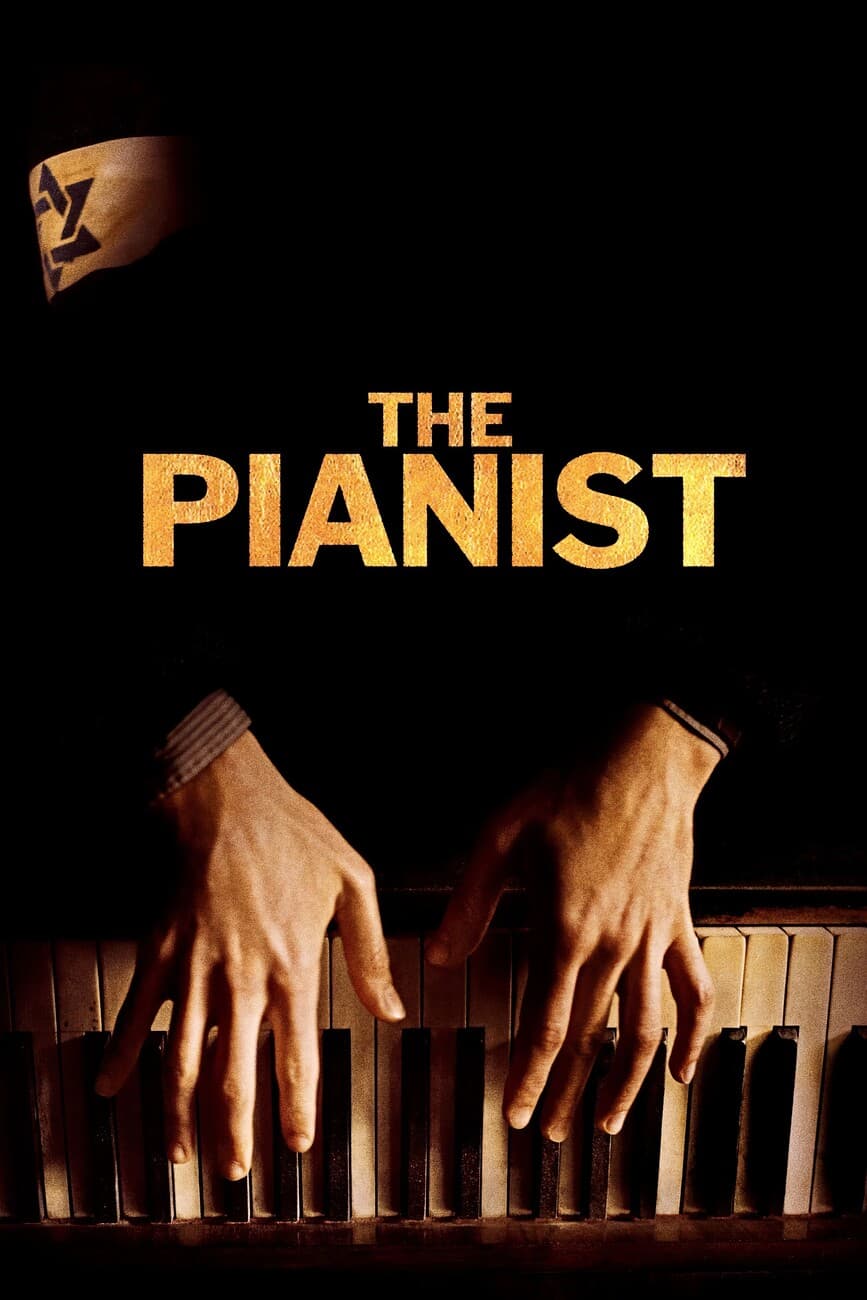
2002
The Pianist
A quiet life unmade by war — and a pianist who refuses to stop listening.
Read the retrospective
→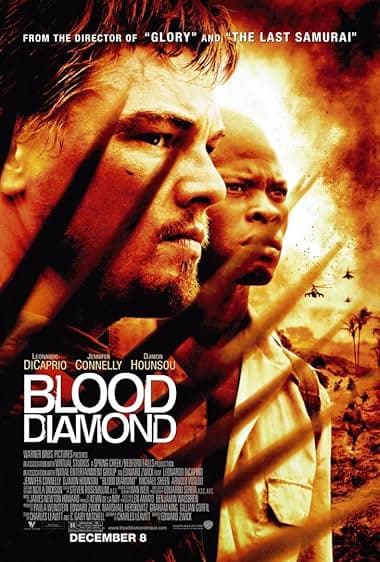
2006
Blood Diamond
A mercenary, a fisherman and a pink diamond — and a film that still asks who pays for our jewellery.
Read the retrospective
→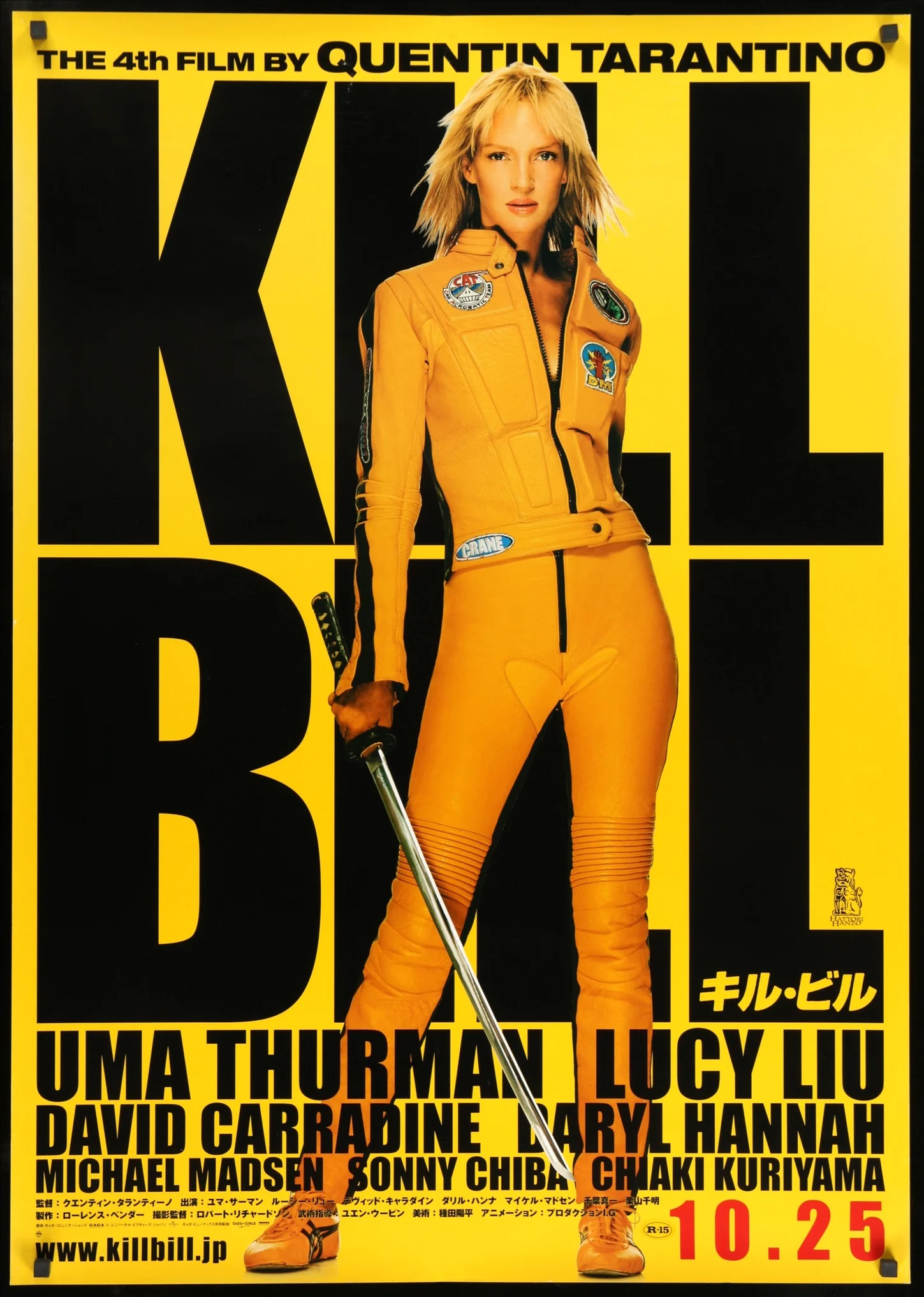
2003
Kill Bill: Volume 1
A yellow jumpsuit, a long list of enemies and one woman who refuses to be finished.
Read the retrospective
→