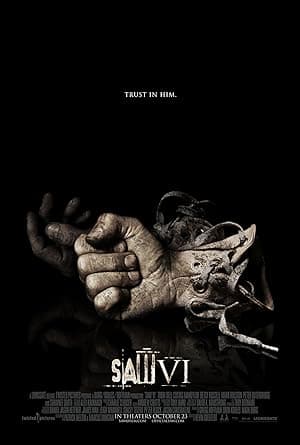
Saw VI
Saw VI: mortality and lifespan and mortality, and why this 2009 movie still matters.
Feature presentation
Saw VI arrived in 2009, directed by Kevin Greutert. Predatory lenders Eddie and Simone are locked in head harnesses with screws aimed at their temples, and have one minute to each cut flesh from their bodies and weigh the scale in their favor to survive. Decades later, it is worth looking at why the film still connects with audiences.
THE MOVIE
Jigsaw is still the reason this movie works
Saw VI was released in 2009 and directed by Kevin Greutert. Rather than simply retelling the plot, the film is worth revisiting for the characters, conflicts and ideas that give its story its identity.
Mortality and lifespan, Mortality and Parental protection emerge through what the characters face and the choices they make, giving the story more to explore beyond its immediate plot. Jigsaw, Mark Hoffman and Amanda Young do not begin the film seeing one another clearly, and watching those first impressions break down is a big part of why Saw VI still works.
THE SETUP
The idea that sets Saw VI in motion
Predatory lenders Eddie and Simone are locked in head harnesses with screws aimed at their temples, and have one minute to each cut flesh from their bodies and weigh the scale in their favor to survive.
Eddie, who is overweight, slices several chunks of fat from his stomach, but is killed after Simone chops off her arm and tips the scale before the timer expires. That detail matters because it shapes the way the characters initially see one another.
The game is observed by Mark Hoffman, who has just escaped from the trap that killed FBI agent Peter Strahm. From there, the film can concentrate less on explaining the setup and more on what happens between the people inside it.
He then uses Strahm's severed hand to plant his fingerprints at the scene.
The police and FBI agent Dan Erickson investigate alongside FBI agent Lindsey Perez, whose survival was concealed by Erickson for her protection.
During Eddie's autopsy, Dr. Heffner reveals that the blade used to cut the puzzle piece from his remains is the same blade used years earlier on Seth Baxter.
Perez and Erickson reopen the investigation, and analyze the videotape found at the scene.
Hoffman arrives at Jill Tuck's clinic and demands five envelopes containing photographs of the following game's test subjects from the box left to her in John Kramer's last request.
The game involves health insurance executive William Easton and his associates, whose company's dubious business policy turned down their clients' coverage for medical treatment, one of them being John Kramer.
UNDER THE SURFACE
Saw VI has more on its mind than the plot suggests
Saw VI has more on its mind than the basic setup suggests. mortality and lifespan sits close to the centre of the film, but it is explored through the characters rather than treated like a lesson.
mortality matters just as much. The film keeps challenging the assumptions its characters make about one another, which is where much of its emotional weight comes from.
There is also plenty here about parents protecting their children and family. Those ideas overlap rather than sitting in separate boxes, which helps the movie feel like a story about people rather than a checklist of themes.
PURE 00s
Saw VI could not belong to any other decade
Saw VI could hardly be separated from the decade that produced it. Released in 2009, it carries the attitudes, style and filmmaking rhythms of the 2000s without needing to announce them.
It also sits comfortably within the era's horror filmmaking, even if the movie itself is more interesting than any single genre label suggests. That is part of why it still appears in conversations about 2000s movies and 2000s horror movies. The film has become tied not only to its own story but to the wider memory of what 2000s movies felt like.
WATCHING IT NOW
What has aged — and what hasn't
Watching Saw VI now means seeing both what has lasted and what unmistakably belongs to 2009.
What still works best is the human material. Ideas around mortality and lifespan, mortality and parents protecting their children have not stopped being relevant simply because the clothes, language and cultural references belong to another era.
Some moments inevitably land differently for a modern audience. Revisiting an older film properly means enjoying what still works without pretending every choice has aged equally well.
THE LEGACY
Why Saw VI still matters
A large part of that staying power comes from the characters. Jigsaw, Mark Hoffman and Amanda Young are still useful shorthand for the personalities and pressures the film explores.
Saw VI has lasted because people continue to recognise something in it. Nostalgia helps, but nostalgia alone does not keep a movie in the conversation for decades.
THE VERDICT
Does Saw VI still hold up?
So, does Saw VI still hold up? Yes — although watching a film from 2009 honestly means accepting that not every moment will land exactly as it once did.
The film still has something recognisable to say about mortality and lifespan, mortality and parental protection, and its characters stop those ideas from feeling abstract. Saw VI remains worth revisiting because characters such as Jigsaw, Mark Hoffman, Amanda Young, Erickson and Jill still feel like people rather than labels once the film gets underneath the stereotypes.
Share this movie
Keep watching
More movies from the 00s

2002
The Pianist
A quiet life unmade by war — and a pianist who refuses to stop listening.
Read the retrospective
→
2006
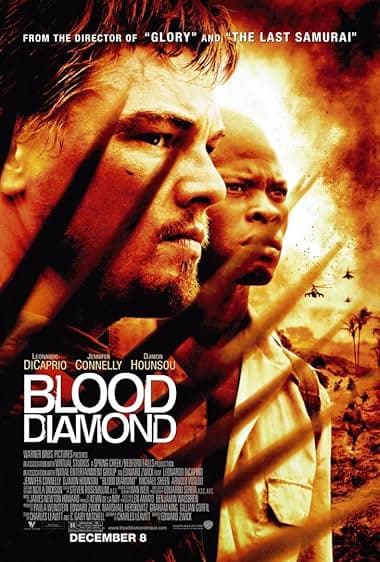
Blood Diamond
A mercenary, a fisherman and a pink diamond — and a film that still asks who pays for our jewellery.
Read the retrospective
→
2003
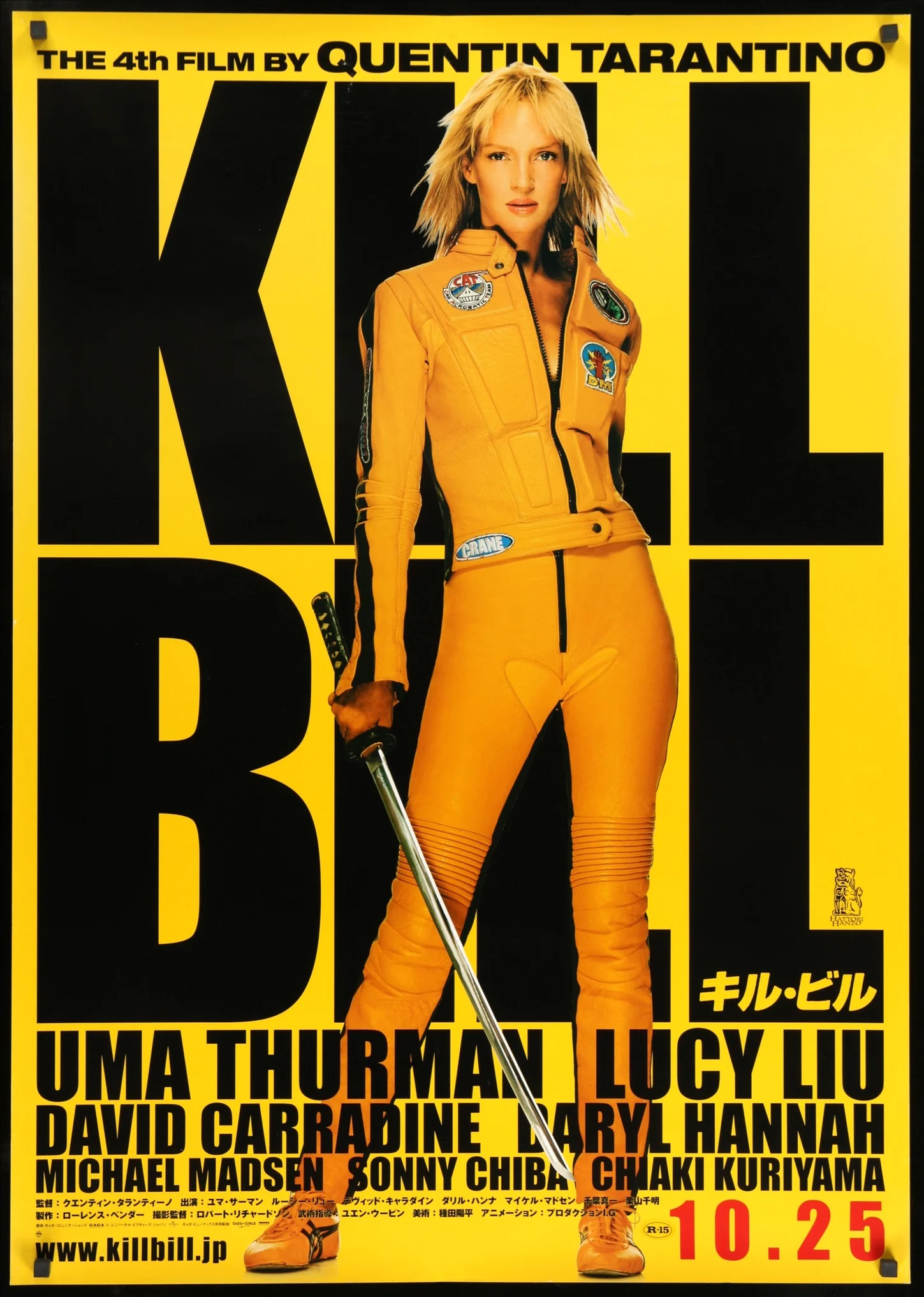
Kill Bill: Volume 1
A yellow jumpsuit, a long list of enemies and one woman who refuses to be finished.
Read the retrospective
→