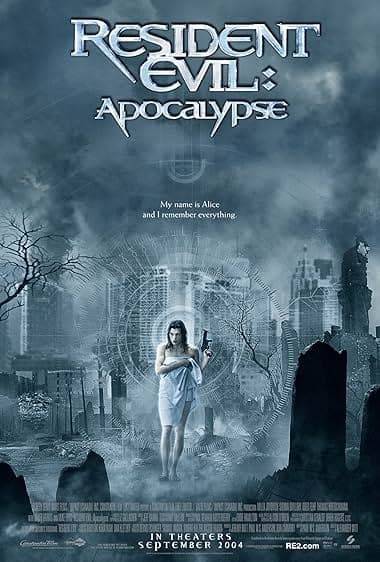
Resident Evil: Apocalypse
A biohazard blockbuster built around one woman and a corporation with very bad ideas.
Feature presentation
Resident Evil: Apocalypse is the loud, fast follow-up that drives its heroine straight into the ruined heart of Raccoon City. It’s less about subtlety and more about piling on monsters, corporate skulduggery and an unrelenting sense of urgency — and Alice is the engine that keeps it all moving.
THE MOVIE
Alice is still the reason this movie works
There’s a neat, stubborn logic to Resident Evil: Apocalypse: take the heroine who survived a secret underground disaster, drop her into a sealed Raccoon City and let the world burn around her. The film wastes no time making Alice the centre of the action — she reappears as the altered survivor from the Hive incident and becomes the person everyone follows when escape is the only sensible plan.
That setup lets the movie juggle a couple of things at once. On one level it’s a rush to the exits: Umbrella locks the city down, evacuates hand-picked staff and prepares a scorched-earth solution unless the survivors beat a ticking clock. On another level it’s a pleasure for fans, who get to see game favourites such as Jill Valentine and Carlos Oliveira sliding into the story alongside Alice.
All of this arrives with a 2004-era blockbuster attitude: Alexander Witt, directing his first feature after a long career in second-unit and camera roles, keeps the engine running for a quick, muscular 94 minutes of action, biopunk nastiness and one very persistent engineered antagonist.
THE SETUP
The idea that sets Resident Evil: Apocalypse in motion
The movie picks up where the last one left off: an experiment goes wrong in the Hive and the infection leaks out into Raccoon City. Umbrella responds the only way a morally bankrupt multinational can — by sealing the city and planning an extreme clean-up.
That decision creates a very simple dramatic engine. Survivors must reach the city’s exit before Umbrella’s containment plan turns the place into a tomb. It’s a race-against-time that keeps stakes obvious and immediate.
Apocalypse wears its videogame DNA proudly. The screenplay takes beats and set pieces from several Resident Evil titles — most visibly the Nemesis-driven arc of Resident Evil 3, with nods to other entries — and grafts them onto Alice’s cinematic story.
Because it’s a direct follow-up to the 2002 film, the shift to Raccoon City allows the sequel to expand scope while keeping the same central throughline: Alice, newly returned to the world, must get herself and a group of desperate people out before corporate containment becomes total annihilation.
THE CHARACTER
Why Alice matters
Alice isn’t a cipher. She’s the film’s door through which everything else arrives. Having survived the Hive, she returns altered and immediate — the naturally mobile protagonist who organises, fights and pushes the plot forward.
That forward motion matters because the sequel brings a cast of recognisable game characters into the same collapsing city. Jill Valentine reappears as a hardened former S.T.A.R.S. operative — someone whose knowledge and combat experience sit alongside Alice’s more experimental abilities and create a useful contrast.
Alice matters also because she gives the screenplay a single person to orbit. With Umbrella’s quarantine and eventual plan to erase the city, the film needs a steady point of decision and action. Alice supplies that: she isn’t merely reacting to events, she’s actively moving people toward escape.
And, of course, there’s Nemesis: introduced as an engineered supersoldier designed to hunt surviving S.T.A.R.S. members and pursue Alice, the creature is written as the physical expression of Umbrella’s problem-solving by violence — and a direct threat to everything Alice stands between.
THE PERFORMANCE
Why Milla Jovovich's performance matters
Contemporary reviewers consistently pointed to Jovovich as the film’s anchor. Even where opinions on the movie split, her continued presence as Alice was singled out as a reason the sequel keeps its momentum.
That matters in a franchise that could easily become a scatter of familiar monsters and borrowed moments. Having someone who holds the centre gives the audience a place to land amid the practical mayhem and the videogame callbacks.
Her role isn’t showy in the awards sense; it’s functional and central. The film leans on that ongoing screen presence as much as on plot mechanics and creature set-pieces.
Put simply: when the movie needs to convince you that escaping Raccoon City is possible, it’s Alice you’re willing to follow.
UNDER THE SURFACE
Resident Evil: Apocalypse has more on its mind than the plot suggests
On the surface it’s a monster movie; beneath that is a fairly unambiguous critique of what happens when profit-driven science gets to make the rules. Umbrella’s readiness to seal and, ultimately, destroy its own city frames the film’s biopunk world: corporate power plus biological experiment equals catastrophe.
That corporate malfeasance also turns authority into the antagonist. The immediate threat isn’t only the infected — it’s the people with the power to decide who lives and who’s expendable when containment becomes inconvenient.
Survival under quarantine is played both as practical logistics and moral pressure. The story treats civic breakdown and evacuation as part of the horror: getting out isn’t only dodging monsters, it’s beating a system that’s already written you off.
Finally, there’s the adaptation axis. By bringing game characters and set pieces into Alice’s cinematic arc, the film balances fan service with the needs of a lean, female-led action picture: it’s an attempt to satisfy both videogame recognition and a straightforward action-horror audience.
THE FILMMAKING
How Resident Evil: Apocalypse was put together
Apocalypse marks Alexander Witt’s first time directing a feature after a long career as a second-unit director and camera operator. That background shows: the film feels like work made by someone comfortable with large set pieces and technical coordination.
Cinematography credits are shared between Christian Sebaldt and Derek Rogers, while editing is credited to Eddie Hamilton — a team that keeps the movie brisk and focused on movement rather than lingering on mood.
Sound plays a larger role than you might expect for a popcorn sequel: the production’s technical audio work received industry recognition, which helps sell the impact of collapses, creature encounters and the general sense of a city falling apart.
Everything is assembled to favour clarity and pace. Witt and his department choices give the film a sense of forward propulsion: it’s rarely still, and that brio is the movie’s practical directorial identity.
PRACTICAL EFFECTS
The effects work that gives Resident Evil: Apocalypse its physical personality
The film leans on a mix of costume craft, animatronics, stunts and CGI rather than pretending one approach covers everything. Nemesis, for example, is a heavy, custom-built costume worn by a tall performer and deliberately filmed to feel larger than life.
Not every creature stayed practical; the Lickers were created in CGI after earlier animatronic tests didn’t meet the effects team’s aims. The result is a visible blend of physical and digital techniques throughout the movie.
There’s real physicality to the big sequences. For the demolition of City Hall the production built a large scale model and called in multiple effects houses to supply practical and optical elements, grounding the spectacle in tangible work rather than pure digital spectacle.
And on a smaller scale, the crowd scenes were standardised: actors portraying zombies went through a multi-day choreography boot camp to get movement and pacing consistent across the infected, which helps those scenes feel coordinated rather than chaotic.
PURE 00s
Resident Evil: Apocalypse could not belong to any other decade
This is very much a 2004 product: it arrives in the middle of a mid-00s run of videogame adaptations and at a moment when zombie cinema was, again, proving commercially viable. The movie wears that context openly — it’s made to play to game fans and to a wider audience who had recently warmed to modern takes on the undead.
The film’s sequel strategy is also telling. Paul W. S. Anderson stayed on as the series’ creative architect in a writer/producer capacity, expanding the continuity started in 2002 and signalling an early-00s appetite for franchising game properties into recurring cinema series.
By returning Milla Jovovich’s Alice and shifting the set-piece geography into Raccoon City, the film embraces the decade’s appetite for continuing stories and bigger, recognisable beats drawn from established source material.
Released in 2004, Apocalypse sits comfortably alongside other franchise-minded blockbusters of the period: brisk, deliberately referential to its origin and designed to keep a commercial engine running rather than re-invent the wheel.
THE LEGACY
Why Resident Evil: Apocalypse still matters
Apocalypse matters because it consolidated the film series as an ongoing franchise. As the second entry it carried enough commercial weight — opening at number one in the U.S. — to make sequels feel like the natural next step rather than a gamble.
The production’s technical work earned industry recognition too: Canadian awards attention for sound and several related nominations highlighted the craft behind the chaos.
Perhaps most importantly for fans, the film established a pattern: pulling beloved game characters (Jill, Carlos, Nemesis) into Alice’s movie world became a recurring habit for the series, signalling how the films would continue to trade on game recognition while diverging into their own continuity.
So its legacy is practical rather than purely critical. It showed the franchise could be commercially viable, technically competent in places, and willing to keep mining the Resident Evil games as a resource for future instalments.
THE VERDICT
Does Resident Evil: Apocalypse still hold up?
If you come for philosophical subtlety, this isn’t the movie for you. If you come for a compact, 94-minute survivathon that puts a determined heroine in the centre and then keeps throwing problems at her, it largely does the job.
The film’s strengths are straightforward: a clear race-against-time structure, direct borrowing of game set pieces such as the Nemesis arc, and Milla Jovovich continuing as the muscular focal point around whom the chaos spins. Those are not breathtaking virtues, but they’re exactly the things this sequel promised.
Technically it’s a mixed bag — direction from Alexander Witt leans on his second-unit instincts, the creature work blends costume and CGI, and the production values are constructed to favour pace and spectacle. Contemporary reviews singled out Jovovich as the element that most reliably pulled the film together, and that remains the clearest reason to watch.
So should you watch it now? Yes, if you want brisk, unapologetic videogame-to-film action with a female lead who drives the picture. It’s not art-house horror, but as a well-oiled sequel vehicle with some decent creature work and a relentless objective — escape before the city is erased — it still earns its keep.
Share this movie
Keep watching
More movies from the 00s

2002
The Pianist
A quiet life unmade by war — and a pianist who refuses to stop listening.
Read the retrospective
→
2006
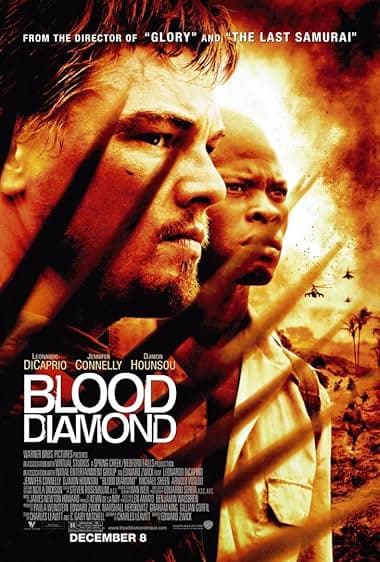
Blood Diamond
A mercenary, a fisherman and a pink diamond — and a film that still asks who pays for our jewellery.
Read the retrospective
→
2003
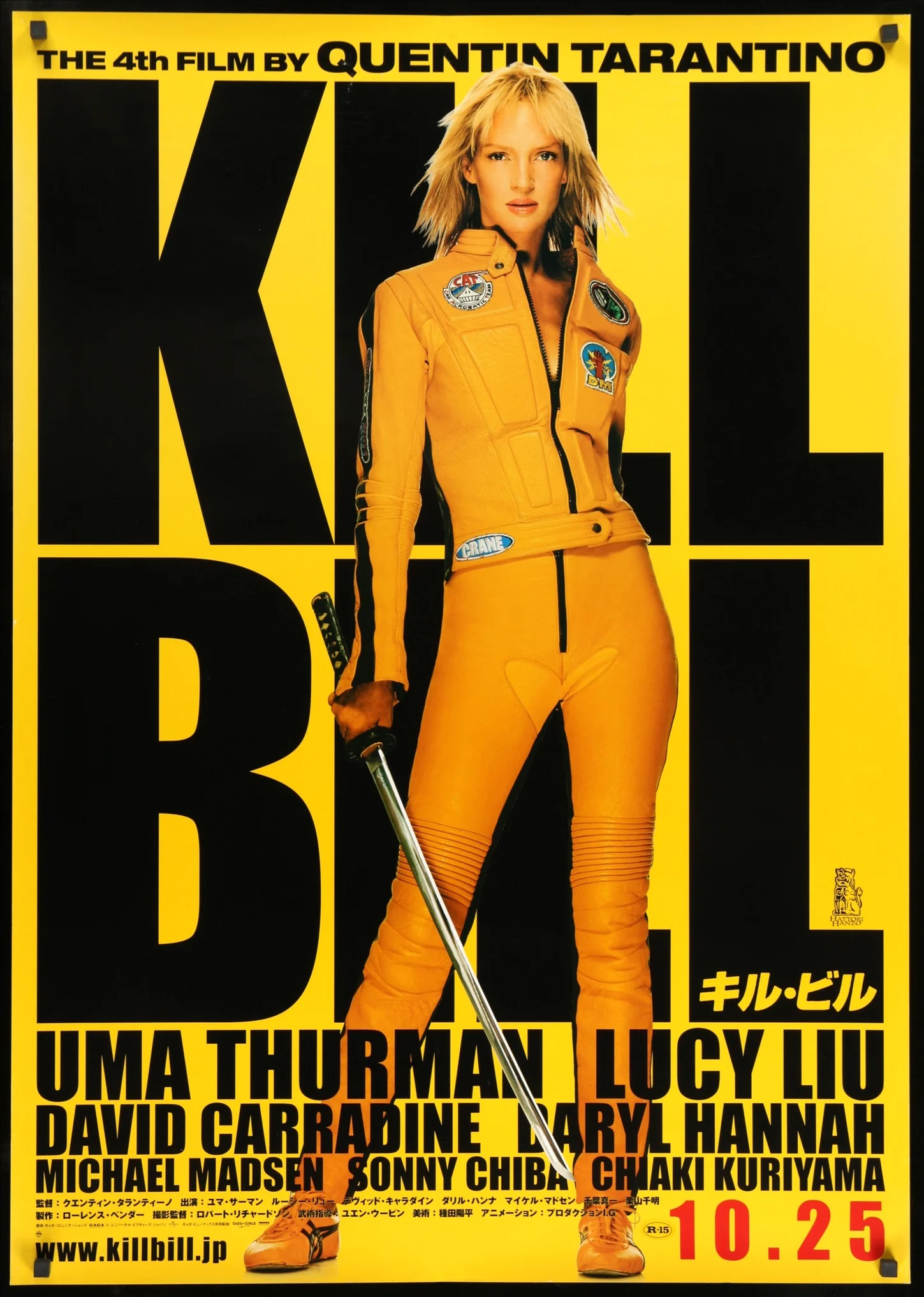
Kill Bill: Volume 1
A yellow jumpsuit, a long list of enemies and one woman who refuses to be finished.
Read the retrospective
→