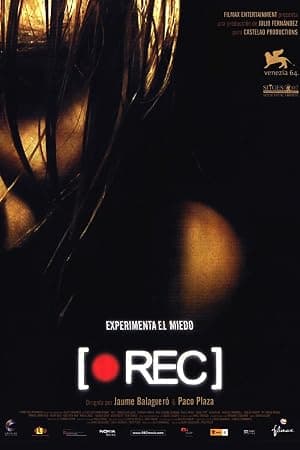
Feature presentation
Rec isn’t a film you meet at a comfortable distance; it’s one that stays close, breathing down your neck through a TV‑crew camera. Revisit it and you realise the movie’s fear isn’t just the thing behind the doors — it’s the person who keeps filming. That’s Ángela Vidal, and she’s why Rec still lingers.
THE MOVIE
Ángela Vidal is still the reason this movie works
Think about the last time a horror film made you squirm because someone kept doing the sensible thing for all the wrong reasons. That’s Ángela Vidal: a young local TV reporter who goes to an apartment call with a cameraman and a night‑shift fire crew, and whose job — to get the story on camera — steers her choices as the situation gets steadily worse.
What starts as routine reporting becomes a claustrophobic trap when police and health officials decide to quarantine the whole building, sealing residents and emergency personnel inside. The setup is simple and brutal: sealed doors, people stuck together, and rising panic in tight corridors.
Rec is compact — 75 minutes of diegetic footage — and it wears its found‑footage idea like a one‑way lens. Directors Jaume Balagueró and Paco Plaza tie the camera to a reporter’s professional instincts, so the movie asks an obvious but uncomfortable question: when the world is falling apart, why do we still point the camera at it?
THE SETUP
The idea that sets Rec in motion
Rec pivots on a straightforward, ruthless premise: a TV reporter and her cameraman tag along with firefighters to what looks like a single emergency in a Barcelona apartment block, and then everything changes. The film presents that change entirely through the crew’s camera, so we only ever see what the camera sees.
That found‑footage conceit isn’t window‑dressing. It defines how the story unfolds — discoveries are framed as if by a live report, scares arrive as handheld glimpses, and the audience is forced into the same narrow viewpoint as the characters. When authorities lock down the building, the quarantine becomes the engine of escalating danger: people trapped together, rumours spreading, and an unknown contagion doing the rest.
It’s a tidy engine for a 75‑minute shock machine: a recognised professional routine colliding with a public‑health response, then collapsing into panic. The directors keep the mechanics clear and immediate — no omniscient narrator, no cuts to safety — just the camera and the people it follows.
THE CHARACTER
Why Ángela Vidal matters
Ángela is not a detached investigator or a horror‑movie archetype. She’s a working TV reporter whose job is to capture a story on camera — that professional aim colours every risky choice she makes and gives the film its moral itch. The camera isn’t just a way to show events; it’s part of her remit, her identity in the chaos.
That tether matters because it keeps the film tightly focused. Ángela’s insistence on filming means the audience isn’t allowed easy emotional escape. The camera becomes an ethical device as well as a point of view: when she films, who is she serving — the public’s right to know, her career, or something else entirely?
Casting the film around that reporter axis changes the way the contained panic plays out. The story keeps coming back to her decisions, which is why the whole conceit works: the camerawork, the quarantine and the contagion are all seen through someone who’s thinking about the shot even while the building falls apart.
THE PERFORMANCE
Why Manuela Velasco's performance matters
There’s a concrete, industry‑level marker for what Velasco brought to Ángela: she won the Goya Award for Best New Actress and picked up festival acting prizes during the film’s initial run. Those recognitions are part of the record and tell you the industry saw something in her portrayal worth rewarding.
You don’t need hyperbole to accept that the role sits at the film’s centre. Ángela’s choices are the plot’s pivot, and the awards underscore that the performance was decisive enough to carry the movie in festival and national circles.
UNDER THE SURFACE
Rec has more on its mind than the plot suggests
On the surface Rec is about an infection spreading through an apartment block. Below that, it choreographs three ideas that keep nudging at the audience: our appetite to record, the pressure of being trapped together, and how quickly people unravel when contagion and panic take hold.
By making the story the footage of a reporter, the film makes media voyeurism central. The camera is not neutral; it’s an instrument of curiosity and ethic‑testing. That framing turns questions about survival into questions about shame, exposure and the compulsion to witness.
The quarantine amplifies claustrophobia: sealed exits and shared hallways sharpen friction between strangers and professionals. And because the narrative treats the threat as a rapidly spreading infection, panic becomes a behavioural contagion as well — panic infects in the same way the menace does, producing the social breakdown the film watches so closely.
THE FILMMAKING
How Rec was put together
Rec’s look and tempo come from practical technical choices. It was shot on digital videocameras (the production used Panasonic AG‑HV200 and Sony HVR‑A1E models) and presented as diegetic footage from a TV crew, which makes the format itself the storytelling instrument.
Pablo Rosso is credited both behind the camera as director of photography and in front of it as the on‑screen cameraman Pablo, which tightens the link between the production’s technical work and the film’s fictional camera. The directing and editing deliberately mimic television and reality formats, so the film feels like an extended live report turned nightmare.
All of that is to say the filmmakers didn’t just tack a handheld aesthetic onto a conventional horror script: the production choices — equipment, credits and editorial approach — were organised around the single idea that the camera belongs inside the story.
PRACTICAL EFFECTS
The effects work that gives Rec its physical personality
Rec’s production credits list both practical makeup and mechanical effects teams alongside separate digital visual‑effects personnel. The end result is a deliberately mixed workflow: the film blends hands‑on creature and makeup work with digital touches where needed.
That hybrid approach keeps the infection and its physical aftermath feeling tactile in the close confines of the building while still allowing the filmmakers to extend or enhance moments digitally. The credits make clear the effects weren’t purely digital or purely practical — they’re a combination designed to serve the film’s tight, immediate frame.
PURE 00s
Rec could not belong to any other decade
Rec arrived in 2007, at a point when found‑footage horror was having a genuine moment and Spanish horror was riding frequent festival attention. The film premiered on the festival circuit that year (Sitges among them) and came out into Spanish cinemas in November.
That timing matters because the movie both fed and benefited from conversations about shaky‑cam realism and intimate, low‑budget scares. Distributor materials and festival coverage flagged Rec as a Spanish entry in the found‑footage wave, and its festival success, including national recognition at the Goyas, placed it squarely in the mid‑00s horror conversation.
In short: Rec feels of its moment because it draws on the decade’s appetite for immediacy — a made‑for‑television aesthetic, tight running time, and a story that folds the camera into the panic rather than using it as a gimmick.
THE LEGACY
Why Rec still matters
There are a few simple, verifiable reasons Rec still gets mentioned. It launched a multi‑film series, with REC 2 directly continuing the first film’s events, and later entries expanding the franchise. It also received festival attention on release and national industry recognition; Manuela Velasco’s Goya win is part of that record.
And the film’s footprint extends beyond Spain: the official American remake adapted its format and story for a different audience, showing the premise had legs beyond its original language and market. Those concrete traces — sequels, a remake, awards — explain why Rec has a continued presence in horror conversations.
THE VERDICT
Does Rec still hold up?
Yes — but with a clarifier. Rec’s compact runtime and tight formal choices mean it still delivers the specific experience it set out to create: a claustrophobic, camera‑bound encounter that makes the viewer complicit in watching. The found‑footage device isn’t a trick; it’s the storytelling engine, supplying night‑vision moments, viewpoint limits and diegetic discoveries that keep the narrative immediate.
Ángela Vidal remains central to that success. The film relies on her being a reporter whose professional aim is to capture the story, and the record shows the performance was recognised (Goya and festival awards), which underlines how crucial that axis is to the film’s tension. Pablo, the on‑screen cameraman (played by the film’s director of photography), reinforces the conceit that we are watching what a working TV crew captured.
If you want a tight, purposefully narrow horror film that trades breadth for immediacy — sealed building, a rapidly spreading menace and a camera that never stops recording — Rec still does that very clearly in its 75 minutes. It’s not trying to be every kind of horror; it’s trying to be a distinct, unblinking report from inside a collapsing situation, and for what it sets out to do, it still works.
Share this movie
Keep watching
More movies from the 00s

2002
The Pianist
A quiet life unmade by war — and a pianist who refuses to stop listening.
Read the retrospective
→
2006
Blood Diamond
A mercenary, a fisherman and a pink diamond — and a film that still asks who pays for our jewellery.
Read the retrospective
→
2003
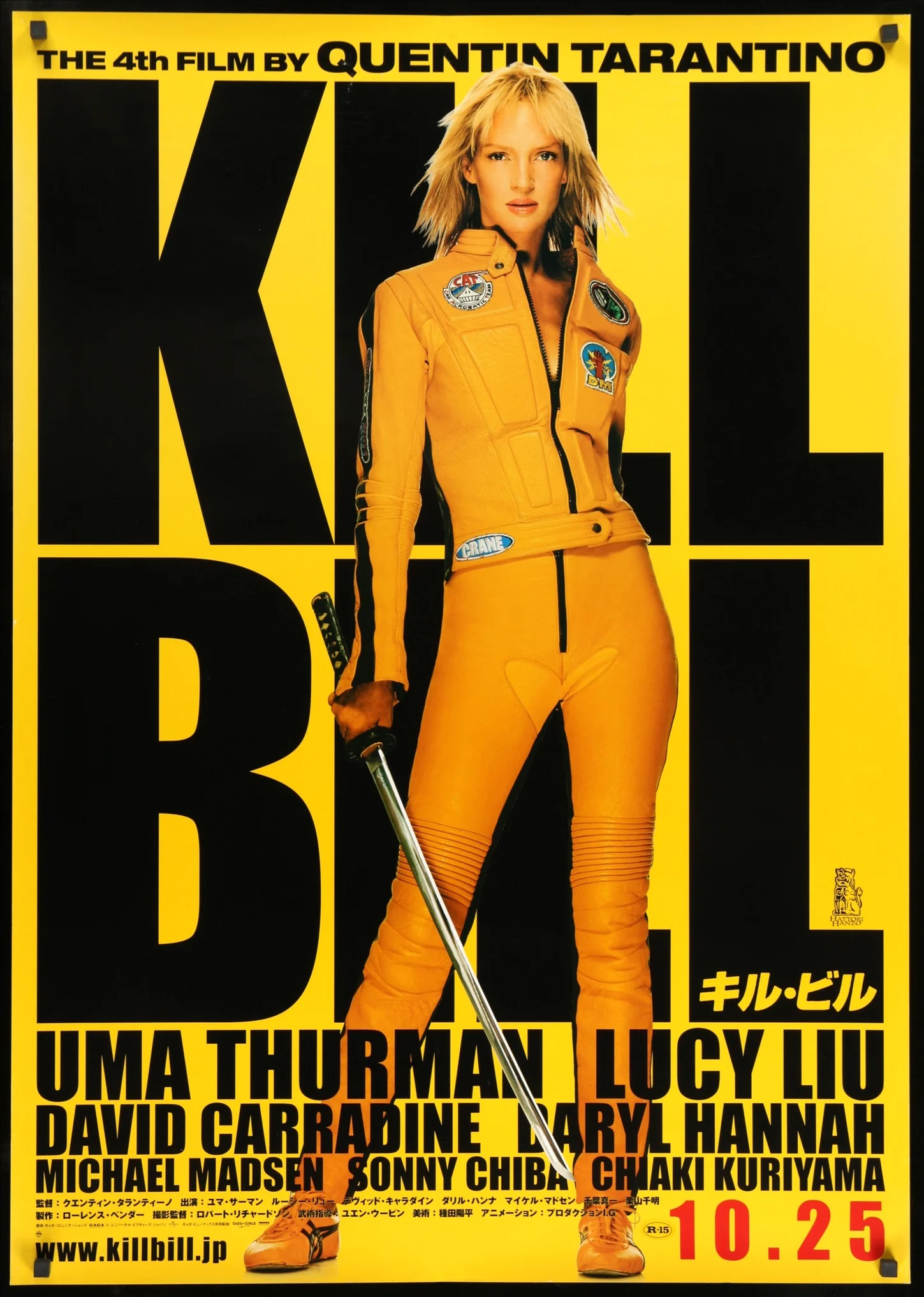
Kill Bill: Volume 1
A yellow jumpsuit, a long list of enemies and one woman who refuses to be finished.
Read the retrospective
→