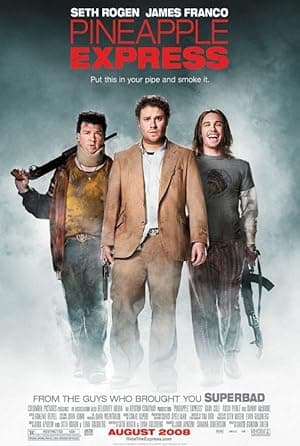
Pineapple Express
A roach, a terrible witness and a friendship that survives bullets and bad decisions.
Feature presentation
Pineapple Express still gets people laughing and arguing in equal measure because it never quite decides whether it wants to be a shaggy stoner comedy or a full-throttle action chase. That wobble — between two friends who shouldn't survive and a criminal world that really means business — is exactly why it keeps getting rewatched.
THE MOVIE
Dale Denton is still the reason this movie works
Remember the moment the pair realise they’ve seen too much? That small, stupid incident — a murder witnessed while the protagonists are mildly stoned — is the motor that drives Pineapple Express. It’s a neat, blunt idea: two very ordinary guys get dragged into something they don’t understand and have to learn to survive together.
At the centre is Dale Denton, a young process server and regular cannabis user whose accidental eyewitnessing of a violent crime forces him into flight. Seth Rogen is the film’s Dale, and the plot sets him and his dealer, Saul, on a collision course with a drug lord, a corrupt cop and a world of hitmen who take things far more seriously than the protagonists do.
Directed by David Gordon Green and running just under two hours, Pineapple Express marries buddy-movie warmth with escalating action and a crime plot that won’t let its comedic centre sit still. That unlikely mix — friendship tested under nonstop threat — is what still makes people talk about it.
THE SETUP
The idea that sets Pineapple Express in motion
The film’s premise is plain and effective: Dale and his pot-dealer Saul witness a murder, and because the unique strain they’d been smoking links them to the crime, they become targets. That single thread — a rare marijuana strain and a carelessly discarded roach — is the little breadcrumb that every pursuing thug follows.
From there the film sets up a classic ‘ordinary people in extraordinary danger’ situation. Dale and Saul are suddenly fleeing hitmen, dodging a corrupt police officer and bumping into criminal enforcers who want answers and blood.
What makes the setup work is how the screenplay keeps returning to that simple cause-and-effect. The roach isn’t just a joke; it’s the plot’s insistence that these two are now tied to something bigger than themselves, whether they like it or not.
And because the script comes from Seth Rogen and Evan Goldberg, with Judd Apatow on story/production duties, the film comfortably blends improvised comic beats with the mechanics of a chase picture — which is why the stoner-buddy parts sit alongside staged action sequences.
THE CHARACTER
Why Dale Denton matters
Dale is easy to underestimate. He’s a process server, he’s stoned a lot, he’s not a hero in the cinematic sense — and that’s the point. He’s an ordinary bloke who gets shoved into extraordinary trouble and has to stumble his way through it.
That ordinariness gives the film its moral gravity. When things go sideways, Dale’s choices feel human: panicked, hesitant, occasionally cowardly and sometimes surprisingly brave. Watching him try to survive the chaos is more interesting than watching an action archetype do the same thing.
Dale’s relationship with Saul changes the movie from a series of setpieces into something friendlier and sloppier. Their shift from supplier and customer to reluctant partners in survival makes the friendship the film’s emotional hinge — male loyalty tested at gunpoint.
You can trace some of the film’s buddy-dynamics back to older road-adventure and comedy pairings — the filmmakers themselves pointed to classics like The Blues Brothers — but Dale remains the anchor. Without a believable, unglamorous centre, the rest of the movie’s lunatic escalation wouldn’t land.
THE PERFORMANCE
Why James Franco's performance matters
Contemporary coverage made a clear note of James Franco’s turn as Saul: reviewers found him hard to ignore, and that attention translated into awards recognition with a Golden Globe nomination.
That nomination is useful shorthand for how the role read at the time — a scene-stealing presence who made the laid-back dealer into far more than background colour.
Equally important was the way the pair worked together. Critics and later commentators frequently pointed to the chemistry between Franco and Seth Rogen as the movie’s comic engine, the thing that lets a lot of absurd beats feel grounded.
Mentioning those two facts keeps the focus where it belongs: Saul’s performance matters because it shapes the film’s tone and helps sell the unlikely idea that two stoned guys can navigate a world of murder and corruption.
UNDER THE SURFACE
Pineapple Express has more on its mind than the plot suggests
On the surface it’s a stoner buddy flick that tumbles into increasingly large-scale violence. Underneath, though, the film is quietly preoccupied with male friendship — the ways mates become a lifeline when everything else collapses.
That bromance isn’t syrupy. It’s tested by fear, embarrassment and bad decisions. The humour often comes from how two ordinary blokes try to be brave and fail spectacularly, and then patch themselves together enough to keep going.
There’s also a tension between comedy and escalation. The movie lures you into relaxed, often ridiculous banter and then slams the door open on action setpieces and real danger. That imbalance — laughter one minute, bullets the next — is part of the thrill.
And finally the film toys with corruption and criminal networks: Dale and Saul aren’t hunting anything noble, but they end up embroiled with people who run violence as a business. It’s a reminder that ordinary mistakes can have serious, organised consequences.
THE FILMMAKING
How Pineapple Express was put together
The film’s look and rhythm lean on a collaboration between a director comfortable in indie realms and a comedy crew used to looser, improvisational work. David Gordon Green steered material that balances scripted comedy with staged action.
Tim Orr is credited as cinematographer, and contemporary reviewers often remarked on the cinematography in positive terms. That attention suggests the movie wasn’t content to be a flat-screen comedy — it aimed to be watchable as an action picture too.
Editing-wise, Craig Alpert sits in the credits as editor; the film’s pace depends on cutting between relaxed, improvised-feeling exchanges and tighter action sequences, which lets the humour and the setpieces breathe in turn.
In short, Pineapple Express feels like a hybrid: Apatow-style comic writing and improv rubbed up against planned stunt and action choreography. That mixture explains why it can shift gears from silly to urgent without losing the audience.
PRACTICAL EFFECTS
The effects work that gives Pineapple Express its physical personality
Pineapple Express leans on properly staged stunt work to sell its action moments. The credits list experienced stunt coordinators, and that shows in how the fights and driving beats feel grounded rather than cartoonish.
Stunt coordination and second-unit action work were significant to the production, with Gary M. Hymes and Mike Smith credited for major stunt responsibilities. Their involvement underpins the film’s move into action territory.
Those sequences give the movie an object-level physicality: when the buddies are in actual danger, you can see the craft that went into making stunts believable, which helps the tonal jump from comic pratfall to real peril.
So while much of the film’s personality comes from dialogue and chemistry, the stunt crew quietly do the heavy lifting whenever the movie needs to convince you that the stakes have risen.
PURE 00s
Pineapple Express could not belong to any other decade
This is very much a late‑2000s thing: a Judd Apatow production ecosystem picture that leans on conversational comedy and star-driven chemistry, then takes the slightly daring step of mixing that with action. That production context shaped its tone and audience.
The film’s marketing illustrates the period too. Its trailer made heavy use of M.I.A.’s 'Paper Planes', and that placement helped the single break further into the U.S. mainstream in 2008 — a neat example of a soundtrack moment becoming part of a film’s identity.
Released in August 2008 as part of a busy summer season, Pineapple Express fits alongside other comedies of the era that were happy to blend genres. The stoner-buddy baseline married to chase dynamics felt timely and commercially savvy.
Finally, the movie sits at a curious point in David Gordon Green’s career — a director known for earlier indie drama taking on a studio comedy that kept some indie touch while stepping into broader commercial territory.
WATCHING IT NOW
What has aged — and what hasn't
The basic friendship at Pineapple Express’s heart still reads well. Bromances about two blokes who bumble through danger have a straightforward human appeal, and the film’s focus on that bond helps it survive changing tastes.
A lot of the movie’s inspiration is old-school buddy cinema — the filmmakers pointed to things like The Blues Brothers — and that lineage gives it a sturdiness that doesn’t depend on passing trends.
Where the film feels more of its moment is in the way it blends conversational, improv-adjacent comedy with mainstream action beats. That mix was a hallmark of late‑00s comedy and will feel familiar — for better or worse — to viewers aware of the period.
So if you revisit it now, the friendship and the tonal gamble still work; some of the surrounding cultural flourishes are more time-stamped, but the core dynamic is what carries the film.
THE LEGACY
Why Pineapple Express still matters
Pineapple Express did well financially and kept an audience beyond its theatrical run, developing a cult following that kept the film in conversation on home formats.
Part of the film’s afterlife comes from its performances being noticed at the time — James Franco’s Golden Globe nomination remains a conspicuous piece of awards recognition connected to the movie.
There was enough interest in returning to the material that the filmmakers discussed a sequel after the initial success, and Sony even ran a faux Pineapple Express 2 trailer as an April Fools’ tie-in with the 2013 This Is the End release.
It’s also been kept available across home formats — from DVD and Blu-ray through to a 4K release — which matters: films that stay in rotation on shelves and streaming lists keep getting discovered and reappraised.
THE VERDICT
Does Pineapple Express still hold up?
Yes — on its own terms. If you come for a stoner-buddy comedy that unexpectedly turns into a thriller, Pineapple Express still delivers. The inciting idea — Dale witnessing a murder and a discarded roach tying them to the crime — keeps the plot moving and gives the comedy actual consequence.
The film’s central engine is the relationship between Dale and Saul: a customer-and-dealer rapport that becomes co-fugitive partnership. That shift from light chatter to survival mode is the movie’s biggest payoff.
Technically, the mix of improv-friendly comedy and staged action works more often than it doesn’t. The pacing that moves the picture from conversational beats into action setpieces is deliberate; cinematography and editing were noticed on release, and stunt work underpins the more physical moments.
So if you’re wondering whether it’s worth a watch today: yes, especially for the chemistry and the tonal gamble. It’s not flawless, but it’s a film that still pulls off the strange trick of making you laugh while reminding you that bullets are a real problem.
Share this movie
Keep watching
More movies from the 00s
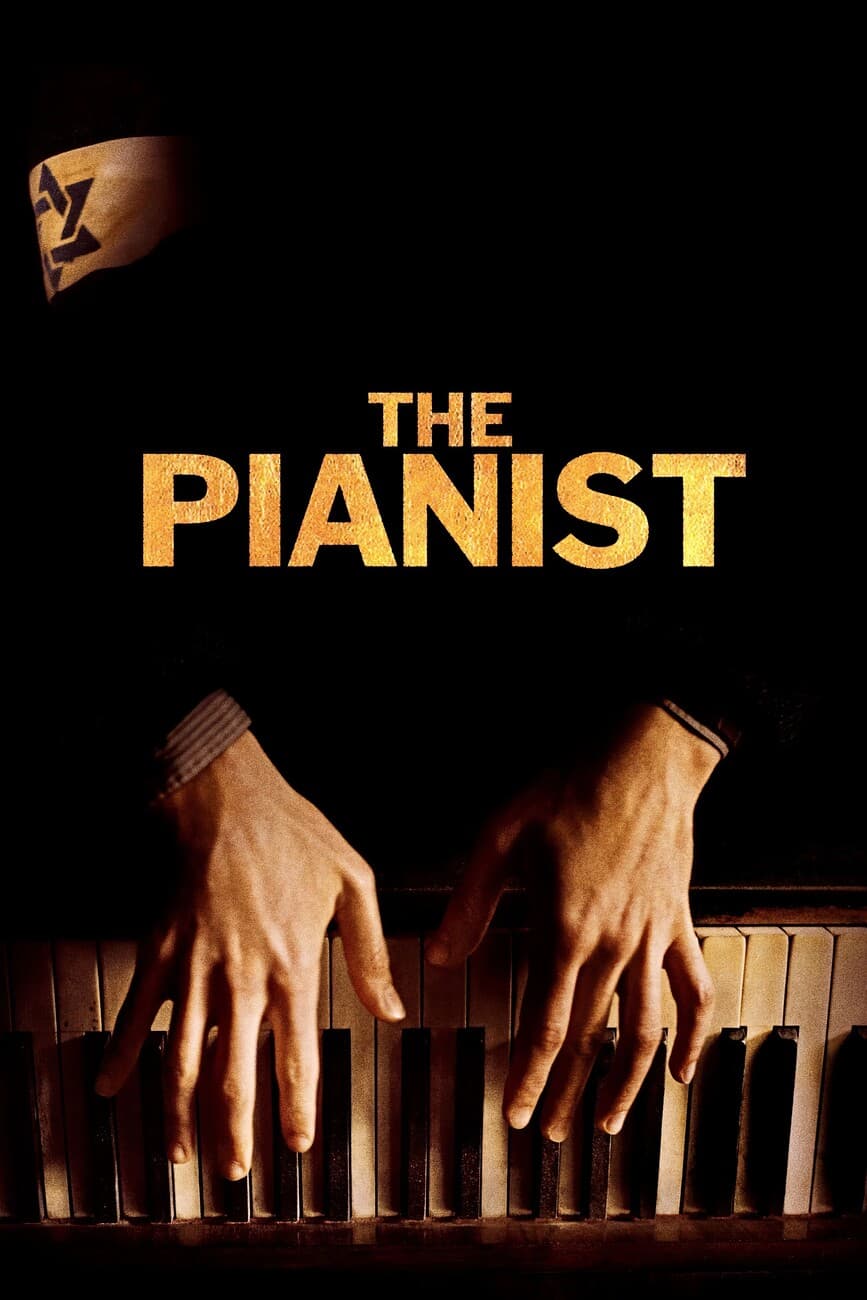
2002
The Pianist
A quiet life unmade by war — and a pianist who refuses to stop listening.
Read the retrospective
→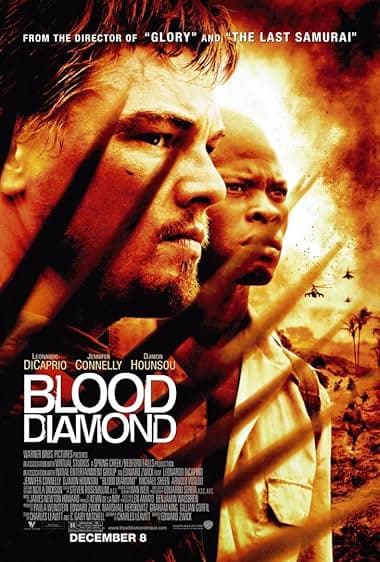
2006
Blood Diamond
A mercenary, a fisherman and a pink diamond — and a film that still asks who pays for our jewellery.
Read the retrospective
→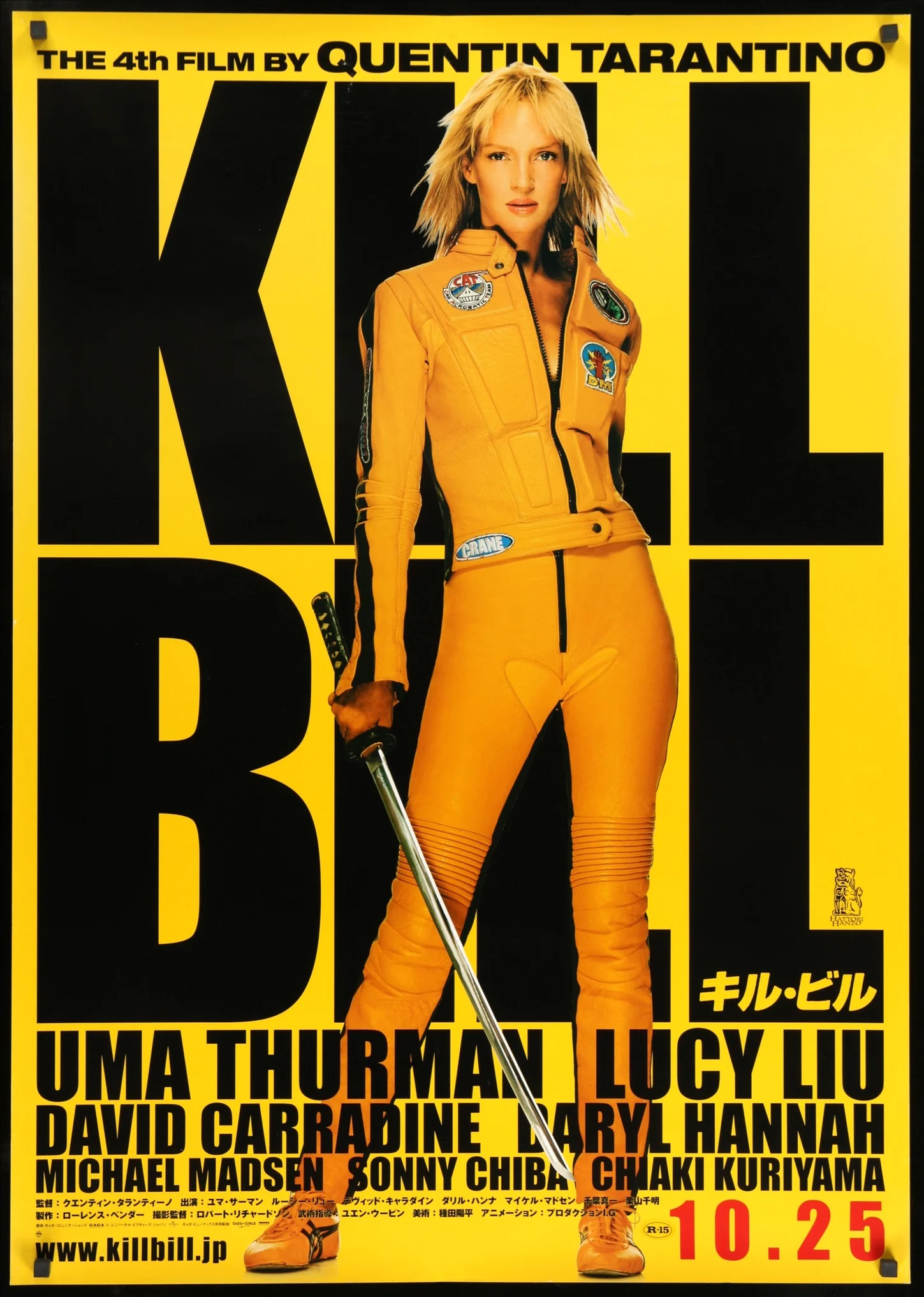
2003
Kill Bill: Volume 1
A yellow jumpsuit, a long list of enemies and one woman who refuses to be finished.
Read the retrospective
→