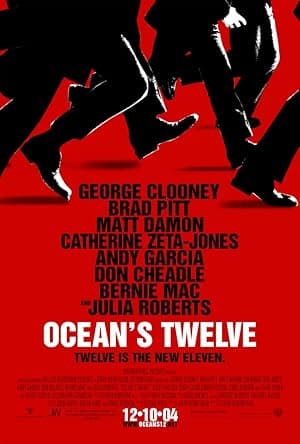
Ocean's Twelve
A slick European caper about debts, pride and pretending to be someone famous — led, of course, by Danny Ocean.
Feature presentation
Ocean's Twelve is the film that took the clean casino math of Ocean's Eleven and sent it across the Channel to complicate everything — money, reputation and even identity. Steven Soderbergh's follow-up leans hard into celebrity tricks, friendly rivalries and the logistics of repaying a very angry man. It's noisy, clever and defiantly theatrical in all the ways a mid-2000s heist movie enjoys being.
THE MOVIE
Danny Ocean is still the reason this movie works
People still talk about Ocean's Twelve because it changes the rules without losing the crew. The neat arithmetic of Ocean's Eleven — a gang, a plan, a payoff — becomes messier here: Benedict comes knocking and the crew owe him not just money but answers, so the stakes shift from a one-off score to a problem that must be fixed before it ruins everyone.
So Danny Ocean's plan is to keep the family intact. He leads a crew that leaves Las Vegas for Europe, chasing a sequence of big thefts and an answer to a boastful challenge from a rival thief. That relocation turns the sequel into something looser and more theatrical — a continent-hopping puzzle rather than a single-night operation.
And because Soderbergh is calling the shots, the film never quite settles for ordinary. It wants to be a heist, a comedy and a piece of showbiz all at once — which is why it folds celebrity into the caper: one of the jokes is literally about pretending to be a famous actress, a gambit that pushes identity and spectacle into the plot rather than leaving them as window dressing.
THE SETUP
The idea that sets Ocean's Twelve in motion
The engine of the story is embarrassingly simple: after the first film, the people they stole from want their money back with interest. Instead of a single precision job, the crew must answer a running debt — a pressure that forces them into a string of solutions rather than a single perfect plan.
That pressure pushes Danny's gang out of the Nevada night and into Europe, where the game is different and the players are flashier. A new antagonist arrives with a competitive streak and a challenge that turns theft into a contest of professional pride.
The sequel also doubles as a piece about performance. One of the caper beats hinges on Tess Ocean pretending to be a real-world movie star, which the film uses as a cheeky commentary on how identity can be manufactured and weaponised in the most public of spaces.
And yes, the film keeps the same musical hand on deck: its composer from the first entry returns, giving the sequel a familiar pulse even as the locations and the stakes change.
THE CHARACTER
Why Danny Ocean matters
Danny isn't just the plan-maker; he's the glue. The sequel reshapes the stakes around his instinct to protect the people who signed up for his life — the debt they must settle becomes his problem as much as theirs.
That sense of responsibility is the practical reason Danny remains central: when repayment is urgent and personal, you want a leader who thinks in terms of keeping the crew whole, not just finishing a job.
His role also lets the film juggle different tones. Danny's decisions anchor the more flamboyant diversions — the rival thief's one-upmanship, the celebrity farce — so the movie can flirt with spectacle without losing what matters to the team.
And because the script gives the crew personal ties and history (including Rusty's entanglement with the investigating detective), Danny’s choices often feel less like cold professional manoeuvres and more like attempts to stop this caper from becoming a disaster for people he cares about.
UNDER THE SURFACE
Ocean's Twelve has more on its mind than the plot suggests
On the surface it's a string of thefts. Underneath, the film is quietly occupied with what it means to be seen — and who gets to control that sight. The celebrity-impersonation gag actually asks a cheekier question: when you can manufacture fame-looking behaviour, who are you really?
The story is also a neat exercise in duty. The crew's obligation to make good on the first film's theft turns a glib, stylish pastime into something with consequences. Repayment isn't just financial; it's about loyalty to one another and to the rules they live by.
Then there’s the competitive itch. The Night Fox’s challenge reframes stealing as a sport of skill and reputation. It raises the stakes from 'can we get away with it?' to 'who is better at being a master thief?' — which, in a strange way, gives the movie an internal code of honour.
Put together, these ideas let Ocean's Twelve wobble between spectacle and profession: it’s about being flashy, yes, but also about taking pride in your work and keeping promises to the people who trust you.
THE FILMMAKING
How Ocean's Twelve was put together
One obvious production choice you can point to is that Steven Soderbergh remained at the helm and even took a direct hand in how the film looked — on many listings he’s credited under his long-used pseudonym for the cinematography. That kind of creative control matters because the sequel deliberately trades in a particular, confident sheen.
Keeping the director tightly involved gives the film a consistent personality even when it leaps from heist set-piece to celebrity gag. It’s the same creative voice steering very different moods: playful farce, tense competition and the odd sentimental beat.
For a film that is as much about performance as it is about planning, that unified authorship helps the movie feel like a single, if showy, evening’s entertainment rather than a string of disconnected sketches.
So yes: Soderbergh’s fingerprints are all over it, and that steadiness allows the caper to swing between sincerity and spectacle without losing its footing.
PURE 00s
Ocean's Twelve could not belong to any other decade
Ocean's Twelve is very much a product of 2004 and the early-00s appetite for glossy, star-stacked sequels. It sits in the period when studios loved assembling ensembles, moving them to luxury locations and selling spectacle as a primary feature.
That era favoured films that looked big and felt like events: sequels that doubled down on glamour, production values and the pleasure of watching famous faces play off one another. This film fits that bill — it’s designed to be watched as a social exercise as much as a narrative experience.
At the same time, the movie is the middle chapter in a trilogy, which means it has a particular job: to expand the world and complicate the crew's life without necessarily resolving everything. It’s content to be a detour that develops character and theme rather than a tidy conclusion.
That mixture — star power, continental set pieces and a willingness to be a bit playful with genre — is exactly the kind of movie the early-2000s studio system made with confidence.
THE LEGACY
Why Ocean's Twelve still matters
Part of the film’s afterlife is simply structural: it’s the middle chapter of a deliberately connected trilogy, which makes it essential for anyone tracing the whole story arc of Danny Ocean and his crew.
More interestingly, the film's meta moments — particularly the sequence that hinges on Tess impersonating a famous actress and the cascade of celebrity cameos that complicate that ruse — are the bits people still call out. Those choices made the sequel feel more playful and self-aware than its predecessor.
Those meta touches reposition the movie from straightforward sequel to a film willing to poke at fame itself, which is why they keep getting mentioned in conversations about the franchise.
So its legacy is less about changing the shape of cinema and more about how a mainstream heist movie can fold celebrity and self-reference into its own mechanics.
THE VERDICT
Does Ocean's Twelve still hold up?
Short answer: yes — if you're willing to accept a heist film that sometimes prefers showmanship to strict plotting. The movie is built around a single urgent problem (repaying Benedict) that pushes the crew into a European gauntlet of thefts and a contest with a rival who treats thievery like a sport. That premise gives Soderbergh room to be playful, which is exactly the film’s temperament.
It helps that the story keeps Danny at the centre as the one who cares about repayment and, crucially, about people. The personal knots — Rusty’s past with the investigating detective among them — make the stakes feel human even amid the spectacle. The meta set pieces (including Tess's impersonation and the unfortunate celebrity cameo that complicates it) can be divisive, but they are also what distinguishes this sequel from a straight remake of the first film’s formula.
If you like star-powered capers, the film rewards you: the central conflict with the Night Fox over an almost mythic prize and the obligation to settle the debt give the story a shape that’s more interesting than a series of disconnected stunts. It runs a little long at 125 minutes, and it revels in its own cleverness, but that’s part of the bargain — the movie wants to dazzle and tease, not always to explain.
So should you watch it now? Absolutely — as long as you go in expecting a sequel that loves its theatre. Ocean's Twelve is less a tidy successor and more a flamboyant middle chapter: a movie about keeping promises, proving skill and, occasionally, pretending to be someone famous. That sounds niche — and a little cheeky — but that mix is precisely why it still feels watchable.
Share this movie
Keep watching
More movies from the 00s

2002
The Pianist
A quiet life unmade by war — and a pianist who refuses to stop listening.
Read the retrospective
→
2006
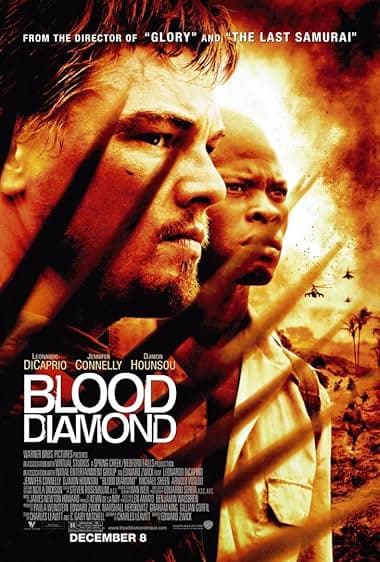
Blood Diamond
A mercenary, a fisherman and a pink diamond — and a film that still asks who pays for our jewellery.
Read the retrospective
→
2003
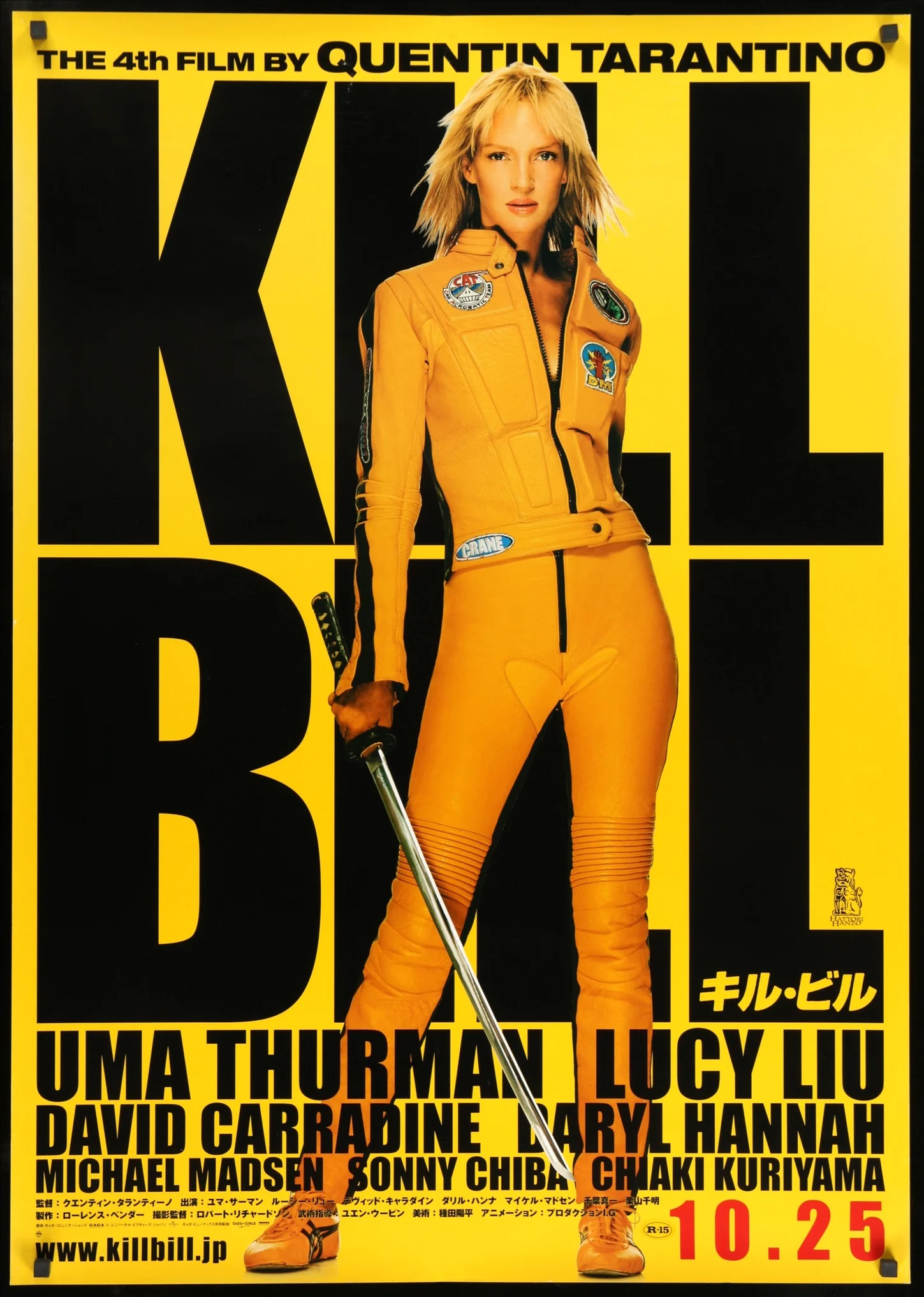
Kill Bill: Volume 1
A yellow jumpsuit, a long list of enemies and one woman who refuses to be finished.
Read the retrospective
→