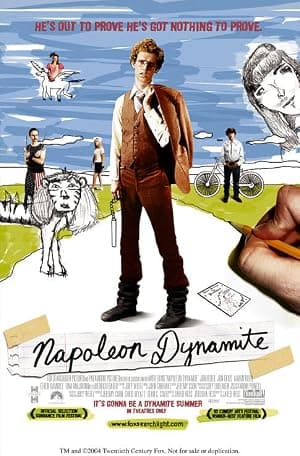
Napoleon Dynamite
An awkward teen, a 'Vote for Pedro' T-shirt and a very particular kind of quiet weirdness.
Feature presentation
Napoleon Dynamite still feels like meeting someone at the school gate who refuses to play the expected part and, somehow, is more interesting for it. Jared Hess turned a short-film oddity into a tight little comedy about small pleasures, strange rituals and the odd loyalty that holds a tiny community together. If you’ve not seen it since 2004, it’s worth asking whether the film’s peculiar rhythm still lands — and why the characters keep turning up in conversations long after the credits.
THE MOVIE
Napoleon Dynamite is still the reason this movie works
People still talk about Napoleon Dynamite because it centres on a character who refuses to be neat. At its simplest: it follows Napoleon, an awkward teenager in small‑town Preston, Idaho, whose day-to-day consists of private rituals — drawing, practising dance, tetherball — and an almost celebratory listlessness that gives the film its oddball pulse.
The plot that gives the film shape is straightforward: Napoleon helps his friend Pedro run for Student Body President. The campaign becomes more than a gag; it’s the public scaffolding that lets the quieter, stranger parts of the movie — friendship, humiliation, small acts of courage — show themselves.
Jared Hess built a comic world that favours deadpan and absurdist beats over broad punchlines, and that tone is the movie’s calling card. It arrived in 2004 as a tiny, handmade thing and, thanks to word‑of‑mouth, grew into a sleeper success with a surprising afterlife.
THE SETUP
The idea that sets Napoleon Dynamite in motion
Start here: an awkward teenager in a small town, trying to get through the social geography of high school without being flattened by it. That’s Napoleon — listless, particular and oddly proud of his private routines.
The engine that nudges the story forward is Pedro’s run for student president. It gives Napoleon a reason to move from private eccentricity into public life, and gives the film a string of scenes where popularity, ridicule and dignity collide.
Because the conflict is about fitting in, the campaign bits matter less as satire of elections than as a way to measure what belonging actually costs these characters. Hand‑made posters and small‑time politicking become the arena where personal loyalties are tested.
The setup works because it keeps the stakes intimate. It’s less about winning an election and more about two outsiders finding a way to be seen.
THE CHARACTER
Why Napoleon Dynamite matters
Jon Heder’s character is built from tiny, repeatable behaviours rather than grand gestures. Napoleon is a listless, eccentric outsider whose subjectivity is made visible through small pleasures and private rituals — the things that read as odd until you remember everyone has them.
That specificity is what makes him memorable. He isn’t a caricature of awkwardness; he’s a person defined by personal routines and small obsessions, which gives the jokes an honest, lived‑in feel.
The friendship with Pedro reframes Napoleon: by helping a soft‑spoken newcomer run for president, he moves out of his private world and into something public and, crucially, collaborative. The campaign gives Napoleon a way to act for someone else, not just react to the world.
Other characters — Kip, the brother preoccupied with online romance, and Deb, the shy classmate selling crafts who becomes an ally — form a little constellation around him. They’re not there to amplify a joke; they show different ways of being off‑beat in a small town.
THE PERFORMANCE
Why Jon Heder's performance matters
Contemporary reviewers homed in on a single thing: Jon Heder’s deadpan delivery. That quality became, for many, the film’s distinguishing sound.
There’s a difference between playing odd and embodying a steady, idiosyncratic rhythm. The film relies on Heder’s steadiness to let comic beats land without being signalled; the jokes breathe precisely because the performance doesn’t shout.
That restraint also keeps the character credible in quieter moments. When Napoleon acts out of loyalty or small kindness, those choices register because the performance never pulls the viewer into broad sentiment.
Put simply: the movie needed a consistent centre and contemporary coverage repeatedly pointed to Heder’s delivery as that axis.
UNDER THE SURFACE
Napoleon Dynamite has more on its mind than the plot suggests
Beneath the deadpan jokes and school‑election gags the film quietly values friendship and loyalty. Helping Pedro isn’t a punchline; it’s a moral move, a demonstration that small loyalties can be the most meaningful.
It’s also an outsider story — not a sweeping coming‑of‑age manifesto but a close study of what social alienation feels like in everyday life. The movie refuses tidy transformations; it prefers incremental shifts.
That approach is married to small‑town life: the community is narrow, its mechanisms rudimentary, but they’re enough to shape humiliation and grace alike. The setting focuses the stakes rather than inflating them.
Finally, deadpan and absurdist humour keep the film from becoming syrupy. The laughs come from commitment to the oddness of the world, which makes the moments of connection feel earned rather than engineered.
THE FILMMAKING
How Napoleon Dynamite was put together
The film was a hands‑on, small‑team affair — Jeremy Coon wore producer and editor hats, Munn Powell is credited as director of photography and Cory Lorenzen handled production design. That kind of compact crew often forces creative focus.
Having the editor also involved in production can tighten the storytelling instinct on set; it’s the sort of arrangement that helps a small comedy stay lean. The names attached point to a movie shaped by a practical, collaborative core rather than a sprawling studio apparatus.
Jared Hess’s direction and the crew’s compact roles kept the film to a particular tempo: deliberate, odd, and unhurried. The filmmaking choices favour character and beat over spectacle.
In short, the movie’s particular identity comes, in part, from being made by a small team with clear responsibilities — the sort of production where each decision bends directly back into the film’s personality.
PURE 00s
Napoleon Dynamite could not belong to any other decade
The film’s route from Sundance to a bigger release is quintessential 2000s indie theatre: it premiered at Sundance in 2004 and was picked up by Fox Searchlight, the exact kind of festival-to-specialty pipeline that defined the era.
It was also a very 2000s story of scale: made on a reported microbudget of around $400,000, it used that smallness as an advantage rather than a handicap. The decade had room for tiny, distinctive films to find big audiences.
The movie’s roots in Jared Hess’s 2002 short Peluca are another 00s pattern — shorts feeding feature ideas became a common way for new voices to break through during this period.
Even its release pattern — a limited opening in June 2004 that expanded in following weeks — fits the era’s strategy for turning festival buzz into mainstream attention.
WATCHING IT NOW
What has aged — and what hasn't
The film’s basic category — a teen comedy with a coming‑of‑age heartbeat — gives it a degree of timelessness. Teenage awkwardness hasn’t gone out of fashion, and the movie’s small, human loyalties still register.
At its core the story is about friendship and the quiet ethics that accompany it; that remains readable because it isn’t overly specific to a moment in pop culture. The emotional beats are local and human, not trend‑driven.
The fact the property later returned as an animated TV series in 2012, using many original cast members, is a reminder that the characters had sufficient life to be revisited in another form — a sign that the personalities created in the film endured beyond momentary meme value.
What dates more easily is the film’s modest scale of novelty: some of the joke rhythms were of their time, and the movie’s very specificity can feel slightly narrower to viewers who prefer broader comedic gestures. But for those who like quiet oddness, it still works.
THE LEGACY
Why Napoleon Dynamite still matters
The film became a sleeper commercial success and generated extensive merchandise and a durable cult following — a pattern that shows it connected beyond niche festival chatter.
Its afterlife, including the 2012 animated adaptation that brought back original voices, suggests the characters had a particular enough flavour to be revisited and marketed in different forms.
More broadly, the film is often pointed to as an example of early‑2000s indie filmmaking breaking into mainstream awareness: a microbudget picture reaching wide audiences through festival acquisition and word‑of‑mouth.
All of that means its legacy is less about a single ‘moment’ and more about a useful case study in how a tiny, unusual movie can quietly become part of the culture.
THE VERDICT
Does Napoleon Dynamite still hold up?
Yes — if you’re in the mood for a small, off‑centre comedy that values character over plot. The film follows Napoleon, an awkward teenager in Preston, Idaho, as he helps Pedro run for student president; that campaign structure gives the movie a public spine while the real interest remains in private oddness and personal loyalty.
The election mechanics — hand‑made posters, a T‑shirt and a speech — are the tidy framework that lets the film test friendships and dignity against high‑school popularity. What matters is how those little public acts reveal more private truths.
Because the movie keeps its focus narrow — preserving material and tone from the earlier short Peluca and expanding it into vignette‑style scenes — it never attempts to be more than it is. That modesty is its strength: the comedy comes from commitment to detail rather than spectacle.
If you’re put off by broad, fast gags, this one rewards patience. For anyone curious about a 2004 indie that turned microbudget ingenuity into a sleeper hit, Napoleon Dynamite remains worth revisiting for its peculiar rhythms and the stubborn human friendship at its centre.
Share this movie
Keep watching
More movies from the 00s
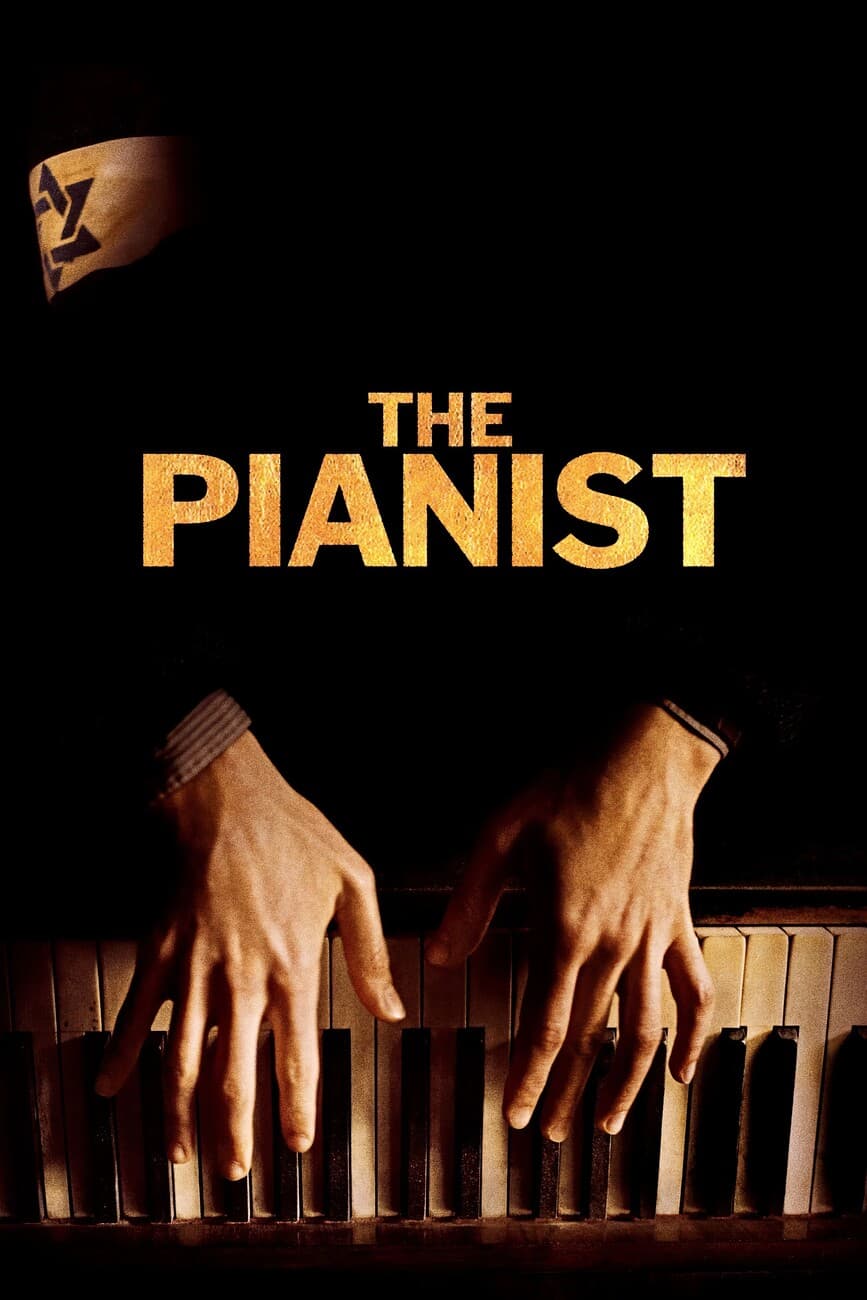
2002
The Pianist
A quiet life unmade by war — and a pianist who refuses to stop listening.
Read the retrospective
→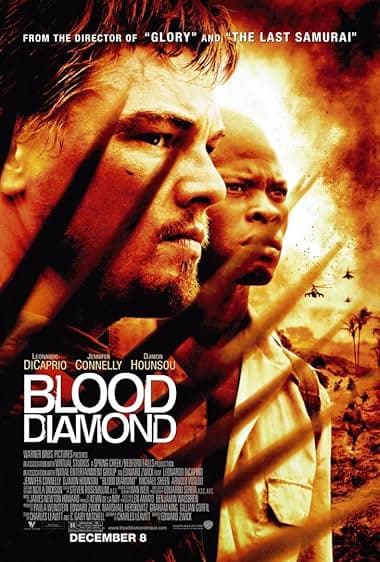
2006
Blood Diamond
A mercenary, a fisherman and a pink diamond — and a film that still asks who pays for our jewellery.
Read the retrospective
→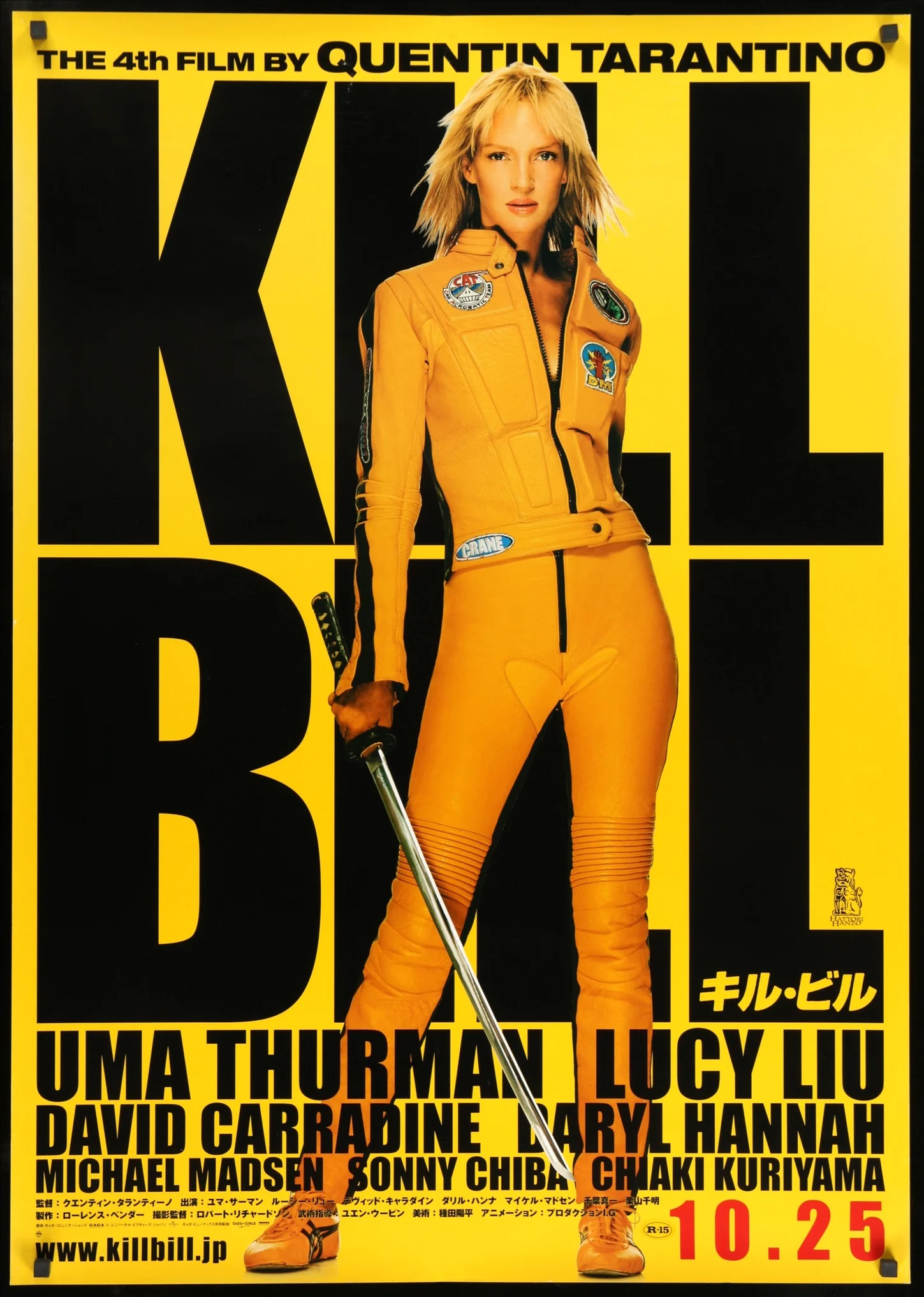
2003
Kill Bill: Volume 1
A yellow jumpsuit, a long list of enemies and one woman who refuses to be finished.
Read the retrospective
→