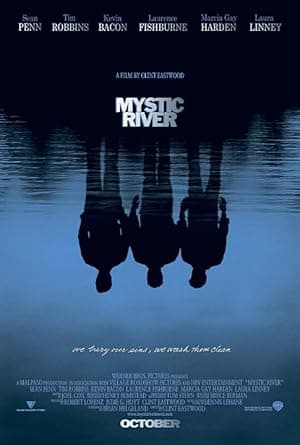
Feature presentation
Mystic River feels like a conversation that turns ugly and then honest — a neighbourhood grief that never quite settles. Clint Eastwood’s 2003 drama keeps returning to how a childhood wound reshapes every adult choice, and it’s Jimmy Markum who drags the rest of the film into the light and the dark.
THE MOVIE
Jimmy Markum is still the reason this movie works
If you remember one thing about Mystic River it’s easy to pick Jimmy Markum. He’s the man the story rolls toward — a protective, formerly criminal neighbourhood figure whose anger and hunger for retribution shape the film’s engine.
The movie begins with an almost casual horror: three boys playing in a working-class Boston corner in 1975, and one of them — Dave Boyle — taken away and returned damaged. Twenty-five years on, that shared childhood becomes the sticky thread tying Jimmy, Dave and Sean Devine together after the murder of Jimmy’s teenage daughter.
Clint Eastwood directs, Sean Penn plays Jimmy, and the whole film runs like something careful and unshowy that nevertheless refuses to be sentimental about grief. That restraint makes Jimmy’s fury feel less like melodrama and more like the only possible reaction left to a man whose world has been broken.
THE SETUP
The idea that sets Mystic River in motion
The film’s premise is clean and ugly: a childhood abduction that leaves an invisible, lasting scar, and a later crime that forces old wounds open. That early disappearance — Dave Boyle’s abduction in 1975 — is the question mark that haunts every adult choice in the story.
What follows is less a whodunnit puzzle than a collision between private history and public procedure. Sean Devine is the homicide detective on the case; he has to weigh his duties as an investigator against the fact that one of the key people involved is a childhood friend.
Meanwhile, Jimmy Markum is not content to wait for paperwork and process. His search for answers heads in a very different direction — and that contrast is where the movie’s tension lives.
The setup works because that tension forces characters to reveal themselves. Past and present keep nudging each other until every loyalty, memory and suspicion is examined.
THE CHARACTER
Why Jimmy Markum matters
Jimmy isn’t a neutral presence who happens to be grieving. He’s a formerly criminal figure, a neighbourhood man with a reputation and a temper, and his need for retribution is the motor of the story. The murder of his daughter turns private pain into public action.
That’s important because the movie isn’t content to let procedure resolve everything. Jimmy’s instincts pull the plot into morally messy territory where the audience must decide what to feel — sympathy, horror, both.
His relationships are the lens through which the film tests its questions. Sean Devine’s role as a homicide detective puts him between friendship and duty, and the wives — Celeste Boyle and Annabeth Markum — act as emotional anchors whose reactions map how families try, and often fail, to make sense of violence.
Jimmy also plugs Mystic River into a long-running interest of Clint Eastwood’s: what retribution does to people. That continuity gives the character weight beyond the plot — he’s part of a collection of stories about violence and consequence that Eastwood kept returning to.
THE PERFORMANCE
Why Sean Penn's performance matters
There’s one hard piece of evidence about the film’s reception: Sean Penn won the Academy Award for Best Actor for playing Jimmy Markum. The trophy is a blunt signal that his portrayal carried weight with audiences and the industry alike.
That recognition also anchors the film’s awards-season profile and helps explain why the movie was talked about at festivals and during awards season after its Cannes premiere.
You don’t need to translate the win into a list of adjectives to understand its effect: the Oscar gave the picture a centre to orbit around, and it clarified that the film was being noticed for how it treated its central character.
Put plainly, Penn’s accolade became part of Mystic River’s identity in the early-2000s conversation about literary crime adaptations.
UNDER THE SURFACE
Mystic River has more on its mind than the plot suggests
On the surface it’s a murder story. Below that is a study of childhood trauma and the ways a single violent event reshapes memory and behaviour for decades. The film makes that wound feel like a structural part of the neighborhood.
From there it moves naturally into revenge and vigilantism. Jimmy’s search for justice doesn’t always follow the law, and the movie stages the moral discomfort that comes when private vengeance competes with public process.
Guilt and memory tangle through the characters. The past isn’t neatly filed away; it leaks into adult lives and colours how people judge one another. That slippage is what keeps the mystery from feeling purely procedural.
And threaded through all of this is an interrogation of masculinity and violence: a small community where men carry reputations, grudges and the idea that force can solve things. Those strands are why Mystic River reads as more than a plot — it’s a portrait of how place and past shape choices.
THE FILMMAKING
How Mystic River was put together
Mystic River’s look and pace are a product of steady, traditional craftsmanship. Tom Stern is credited as director of photography and Joel Cox as editor; the production used Panavision cameras and Kodak film stocks printed through Technicolor. Those are choices that aim for clarity rather than flashy excess.
Clint Eastwood’s direction here is often described as restrained and character-focused. That restraint keeps the story from tipping into melodrama and lets the actors and material carry the emotional weight.
The technical side isn’t showy on purpose. The camera and editing serve storytelling; they’re a background scaffolding for the moral conflicts taking place in the foreground.
In short, the film’s production choices underline the sorts of stories Eastwood wanted to tell in the 2000s: intimate, deliberate and centred on consequence.
PURE 00s
Mystic River could not belong to any other decade
Mystic River sits squarely in an early-2000s moment when serious, literary crime novels were being adapted into prestige films. Studios were hungry for weighty material that could carry festival play and awards-season attention.
The movie’s Cannes premiere and its place in Clint Eastwood’s late-career output made it feel like part of a deliberate artistic move — a director known for tough moral dramas returning to that territory at a time when audiences and critics were paying attention.
It was also part of a small cluster of Boston-set stories that dug into regional codes of justice and local histories. Shooting on-location around the Mystic River area helped anchor the narrative in a specific place and its social logic.
All of that ties Mystic River to the 2003 moment: a literary adaptation made for the season where prestige cinema and crime fiction intersected.
WATCHING IT NOW
What has aged — and what hasn't
Eastwood’s steady focus on violence, retribution and consequence gives the film a sturdiness now. The story refuses easy answers, and that refusal still feels deliberate rather than a genre trick.
The central conceit — three friends linked by a 1975 abduction whose ties are tested by the murder of a teenage daughter — keeps the stakes personal. Because the plot is about relationships as much as clues, the drama doesn’t depend on contemporary trimmings that might date it.
Contemporary critics singled out the performances and Eastwood’s restrained direction when the film arrived, and those elements remain the parts that carry across time: the film is still recognisably built around people making terrible, human choices.
Put simply: because Mystic River trades on character and consequence rather than headline shocks, it still plays as a tough, thoughtful piece of crime drama.
THE LEGACY
Why Mystic River still matters
The film’s awards tally is part of its afterlife: it received six Academy Award nominations and won two Oscars, including Best Actor and Best Supporting Actor. Those wins kept the conversation about the movie alive after its festival run.
It’s also repeatedly cited when people discuss successful literary-to-film crime adaptations; the picture works as an example of how to transfer hard-nosed, character-driven fiction onto screen without flattening its moral complexity.
Finally, Mystic River remains one of the more-discussed dramatic works Eastwood made in the 2000s. Between the Cannes premiere and the awards-season profile, it arrived with a seriousness that encouraged long-form discussion.
All of that means the film has a clear place in early-2000s film culture: not merely a crime thriller, but a prestige picture that invited argument and attention.
THE VERDICT
Does Mystic River still hold up?
Yes — but with a clear rider. If you want clever puzzles, twists and the adrenaline of a plot-first thriller, this isn’t that film. If you want a story where past violence sits on people like a stain and every decision has a moral weight, then it still hits home.
The movie’s structure threads the mystery through overlapping perspectives: a homicide detective who has to balance loyalty with procedure, a father whose need for retribution propels the action, and a man whose childhood abduction makes him an uneasy focus of suspicion. That structure keeps the drama intimate and the stakes human.
Small details — an anonymous 911 call, a blood-splattered car that reconnects the characters to their shared past — are not cheap shocks but triggers that reopen history. The screenplay also chooses restraint in handling the childhood abuse: it uses selective flashback rather than explicit depiction, which keeps the emphasis on aftermath and memory.
So should you watch it now? Yes, if you’re interested in a crime film that is less about solving and more about how a community and its men respond when old wounds surface. Mystic River still works because it refuses tidy closure — and because it makes the cost of vengeance uncomfortably clear.
Share this movie
Keep watching
More movies from the 00s
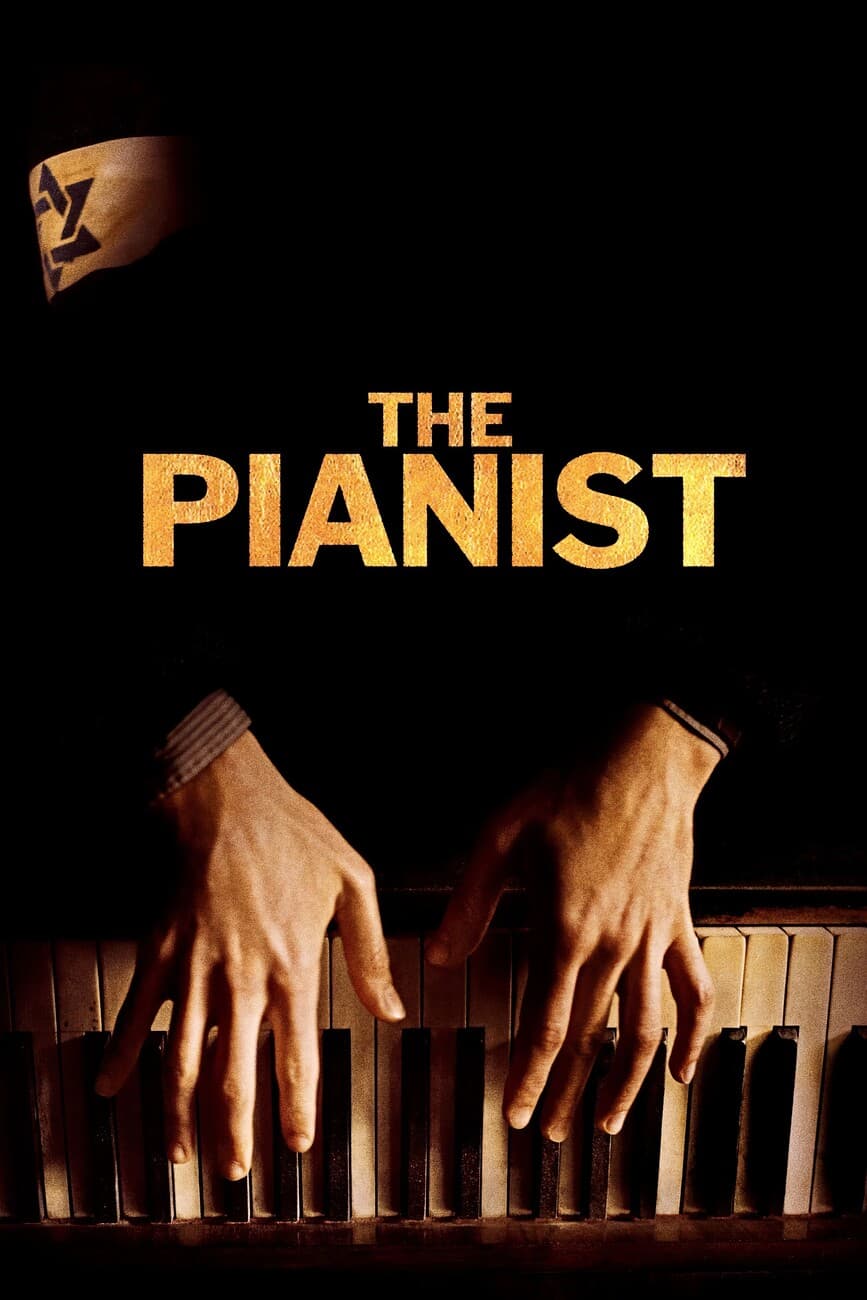
2002
The Pianist
A quiet life unmade by war — and a pianist who refuses to stop listening.
Read the retrospective
→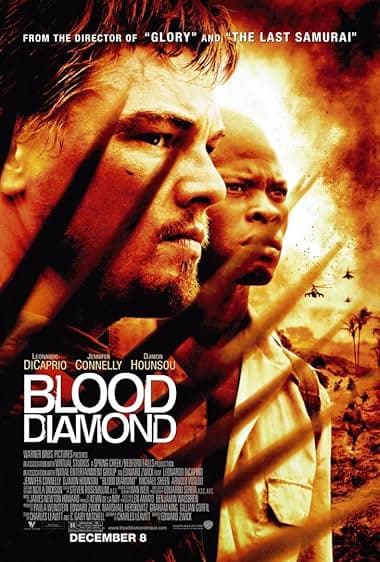
2006
Blood Diamond
A mercenary, a fisherman and a pink diamond — and a film that still asks who pays for our jewellery.
Read the retrospective
→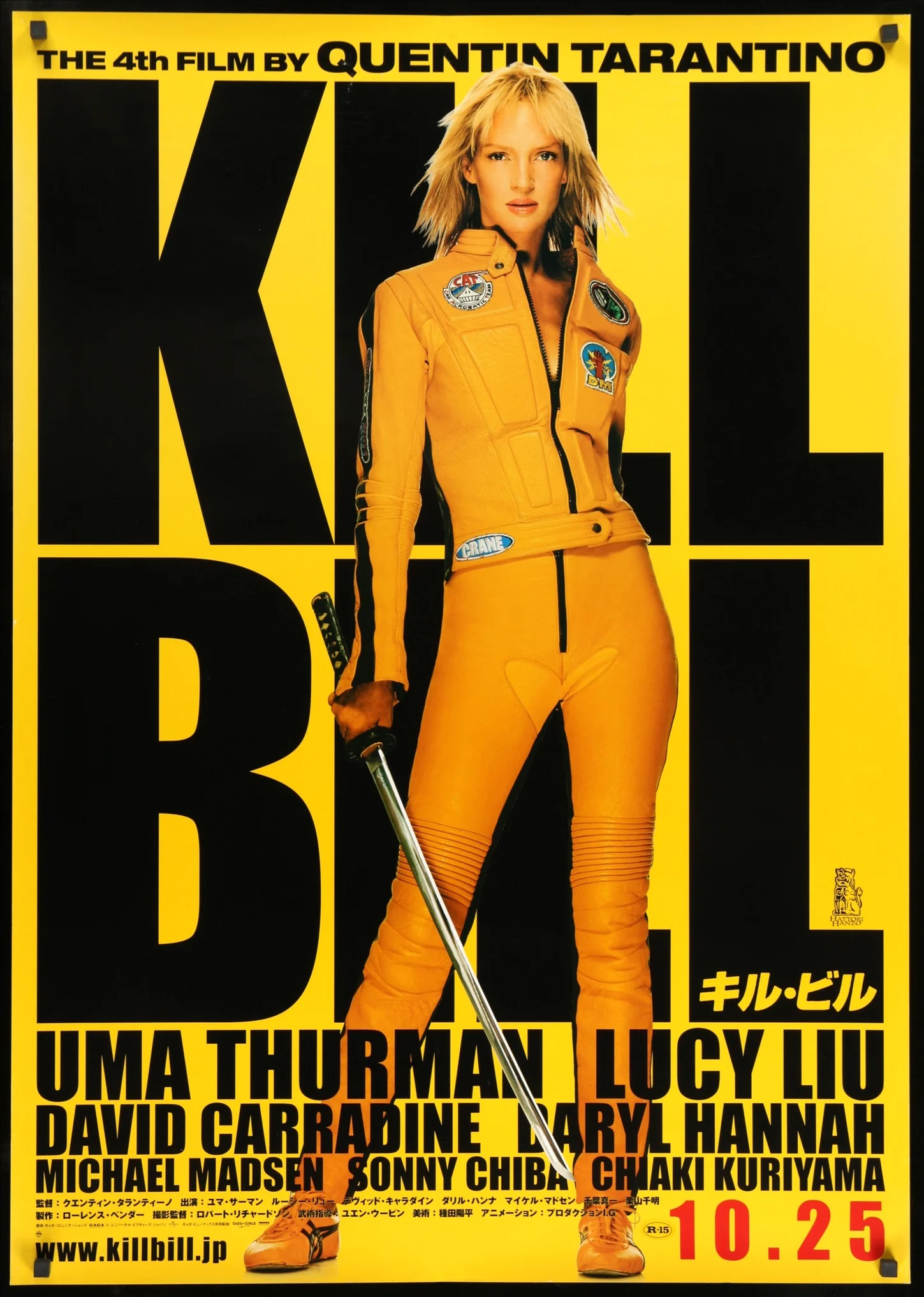
2003
Kill Bill: Volume 1
A yellow jumpsuit, a long list of enemies and one woman who refuses to be finished.
Read the retrospective
→