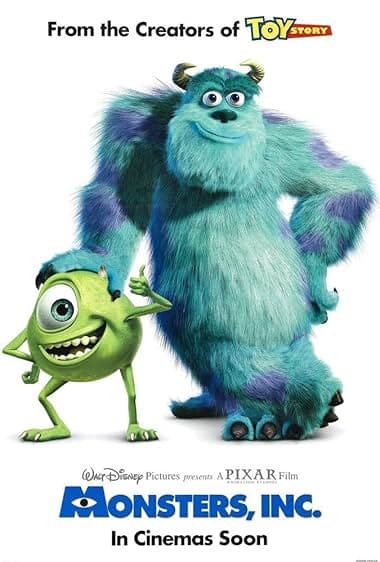
Monsters, Inc.
Sulley, Mike and a lost toddler prove monsters can teach adults a thing or two about work and kindness.
Feature presentation
Monsters, Inc. feels like the kind of film you could walk into blind and still come away singing the end-credits song. It’s a workplace comedy, a buddy movie and, crucially, a picture that treats childhood as a power source in more ways than one. Revisit it to remember how a simple premise — monsters slipping through doors to harvest screams — becomes a surprisingly human story about friendship and choices.
THE MOVIE
James P. 'Sulley' Sullivan is still the reason this movie works
The hook is deliciously plain: Monstropolis runs on screams. Monsters step through manufactured doors into children's bedrooms and bring the energy back to power a city. That clever conceit does the heavy lifting — it gives the screenplay a ruleset, a workplace to poke fun at and a practical source of jeopardy when those rules are broken.
What breaks the rules is the inciting surprise: a human child appears inside the monster world. Children are meant to be toxic to monsters; that taboo is what turns a high-concept gag into a crisis that matters to everyone on the factory floor. Suddenly this factory comedy has a ticking clock and a tender centre.
At the centre of it all is James P. 'Sulley' Sullivan, the company's top scarer. His job, reputation and instincts push the story forward — and they’re balanced by a friendship that keeps the film warm. Pete Docter directs with an eye for the workplace and for pairing Sulley’s muscle with Mike Wazowski’s chatterbox energy, which is why the film still feels like a very particular, gently roomy world rather than an idea stretched thin.
THE SETUP
The idea that sets Monsters, Inc. in motion
On the surface the story is tidy: top scarer Sulley and his long‑time partner Mike have their routine upset when a human child turns up in the monster world. That single mistake reveals bigger stakes than a misplaced kid — it exposes company rules, hidden hierarchies and the consequences of touching the one thing every monster fears.
The factory itself supplies both the comedy and the tension. Its door-based delivery system is not just a backdrop; it’s the narrative engine. Doors give the film a maze of logistics, opportunities for slapstick and a very literal way to show how one small breach can ripple through an entire institution.
Because monsters believe children are dangerous, the presence of a toddler is not merely embarrassing — it’s contamination. That taboo forces Sulley and Mike into protection mode and turns the pair’s personal scramble into a matter that reaches from the scarer’s station to the executive offices.
The screenplay credits and original story team reflect the care behind that setup: the film builds its world with enough clarity that both the workplace jokes and the emotional beats land without needing a blow-by-blow explanation.
THE CHARACTER
Why James P. 'Sulley' Sullivan matters
Sulley matters because he is written and staged as a professional at the top of his trade. The film treats his competence and reputation as real things — they affect how other characters treat him and they force him into decisions that feel earned, not just plot-motivated.
That competence is matched by a simple emotional throughline. Sulley’s reactions to the child upend his comfortable expertise and show a side of him that the factory never required. The contrast between job-focused scarer and reluctant caregiver gives the story its sweet engine.
He’s not a lone wolf. Mike Wazowski is explicitly his business partner and long-time best friend; their relationship supplies the comic counterpoint and the workplace pragmatism that keeps Sulley honest. The pair’s interdependence stops the film from becoming a solo hero tale and makes Sulley’s choices feel communal.
On a practical level, the character’s presence is anchored by the voice casting: John Goodman provides Sulley’s vocal lead, which ties the character to a recognisable human tone and helps sell the idea of a monster who’s very good at his job and very soft when it matters.
THE PERFORMANCE
Why John Goodman's performance matters
One of the things critics noticed when Monsters, Inc. arrived was the interplay between the vocal leads — the chemistry between Sulley and Mike didn’t read as two separate funny voices glued onto a picture, it felt like a working partnership translated through performance.
That pairing matters because the script depends on it. When Sulley and Mike argue, plan or panic, the vocal rapport makes those beats feel lived-in. The casting of John Goodman and Billy Crystal as the principals gives the characters an immediate conversational rhythm that the film uses as much for comedy as for character.
John Goodman’s vocal presence anchors Sulley’s authority and warmth. In a film where body language is rendered through pixels, the voice becomes a main channel for personality — and the contemporary response singled out that chemistry as one of the movie’s strengths.
Put simply: the performances make a workplace buddy movie believable even when the workplace is a scream-harvesting factory and one partner is, anatomically, a giant fuzzy thing.
UNDER THE SURFACE
Monsters, Inc. has more on its mind than the plot suggests
On the surface it’s a caper about a mislaid child. Below that, the film fusses with friendship and partnership: Sulley and Mike aren’t just pals, they’re a functioning workplace unit whose trust is tested when routine meets chaos.
Childhood innocence works like a tiny philosophical hammer throughout the film. The toddler’s lack of fear upends monster assumptions and forces grown monsters to reassess what they think they know. It’s a neat flip: children are presumed dangerous, but the child’s presence ends up exposing adult misconceptions instead.
There’s also a running concern with corporate behaviour. The factory’s response to the contamination problem exposes institutional secrecy and the choices leaders make when a system is threatened. That keeps the stakes from feeling purely personal and gives the comedy a sharper edge.
Finally, identity and empathy thread through the whole thing. Monsters learn to look past labels and prejudices, and the film underlines that reassessing your assumptions can be as powerful as any physical rescue.
THE FILMMAKING
How Monsters, Inc. was put together
A big part of the film’s personality comes from production design. The factory and its elaborate door-delivery system were conceived as a densely detailed industrial workplace — the kind of place where gags, logistics and character interactions can all coexist without one feeling shoehorned in.
That attention to the workplace as a set-piece gives the film room to breathe. The door system isn’t just a visual trick; it’s a storytelling device that creates movement, jokes and escalating complications that the characters must navigate.
Technically, Pixar leaned on advanced character-rendering for the time. The studio wanted monsters that read as tactile, expressive and present inside that industrial world, which makes later moments of tenderness register as physical as well as emotional.
All of those choices — the design, the character work and the way the factory functions as both joke machine and plot engine — combine to give Monsters, Inc. a specific identity rather than a generic animated gloss.
PURE 00s
Monsters, Inc. could not belong to any other decade
Released in 2001, Monsters, Inc. arrived at a moment when computer animation was settling into mainstream family cinema, and Pixar was establishing itself as the studio that could reliably blend grown-up wit with child-friendly warmth.
It was also Pixar’s fourth theatrical feature and the studio’s first feature not directed by John Lasseter, which quietly marked a moment of transition: the company was demonstrating it could sustain its voice across different directors while keeping a clear creative identity.
That early‑00s consolidation matters because it let the film push a workplace concept — a factory that runs on screams — without losing general audiences. The era was ready for animated films that treated adults as well as kids, and Monsters, Inc. sits neatly in that slot.
In short: the film belongs to the period when computer animation moved from novelty to reliable storytelling tool, and it wears that advantage well rather than relying on tech-showcase spectacle alone.
THE LEGACY
Why Monsters, Inc. still matters
There are a few tidy markers that show the film stuck around: it won the Academy Award for Best Original Song — Randy Newman’s 'If I Didn't Have You' — and Pixar later reissued the picture in 3D, which points to continuing interest in the title.
Pixar didn’t stop at theatrical reissues. The studio expanded the world with a prequel in 2013 and a Disney+ series in 2021, moves that underline the film’s capacity to sustain characters and ideas beyond a single 92‑minute running time.
But those downstream projects are practical evidence rather than grand claims. What truly keeps Monsters, Inc. present is its mix of workplace invention and the emotional motor provided by Sulley, Mike and a very small human who disrupts everything.
Put another way: the film’s afterlife is sensible — a hit that proved narratively useful and merchandise-ready enough to generate more stories — and those follow-ups are the clearest proof that the original still had stories worth telling.
THE VERDICT
Does Monsters, Inc. still hold up?
Yes. Monsters, Inc. still holds up as a 2001 family film because its premise is rigid enough to generate jokes and complications while remaining human at its centre. The door-based economy of Monstropolis gives the plot shape, and the taboo around children supplies legitimate urgency.
The emotional engine is straightforward and effective: Sulley and his partner Mike have to protect a preverbal toddler whose fearlessness rewrites monster assumptions. That dynamic keeps the stakes both practical and touching, and the chemistry between the lead vocal pair was singled out by critics for good reason.
Technically and tonally the film sits comfortably in its era — a Pixar picture that uses production design and rendering to sell monsters as expressive, physical characters inside a believable factory world — but those elements serve the story rather than eclipse it.
If you’re deciding whether to watch it today, think of Monsters, Inc. as a tidy, warm workplace-buddy picture with a surprising amount to say about assumptions, responsibility and friendship. Sulley is still the reason it works; Mike is still the perfect foil. And the toddler? She’s the small, stubborn heart everyone needed.
Share this movie
Keep watching
More movies from the 00s

2002
The Pianist
A quiet life unmade by war — and a pianist who refuses to stop listening.
Read the retrospective
→
2006
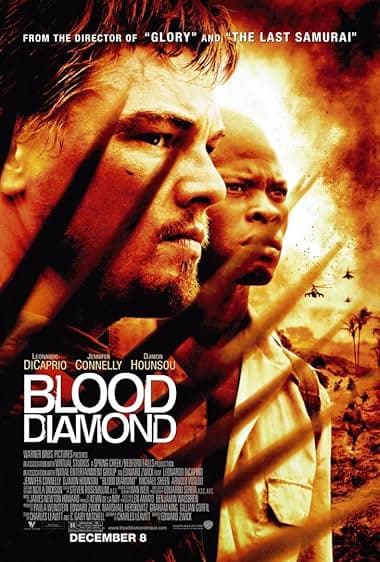
Blood Diamond
A mercenary, a fisherman and a pink diamond — and a film that still asks who pays for our jewellery.
Read the retrospective
→
2003
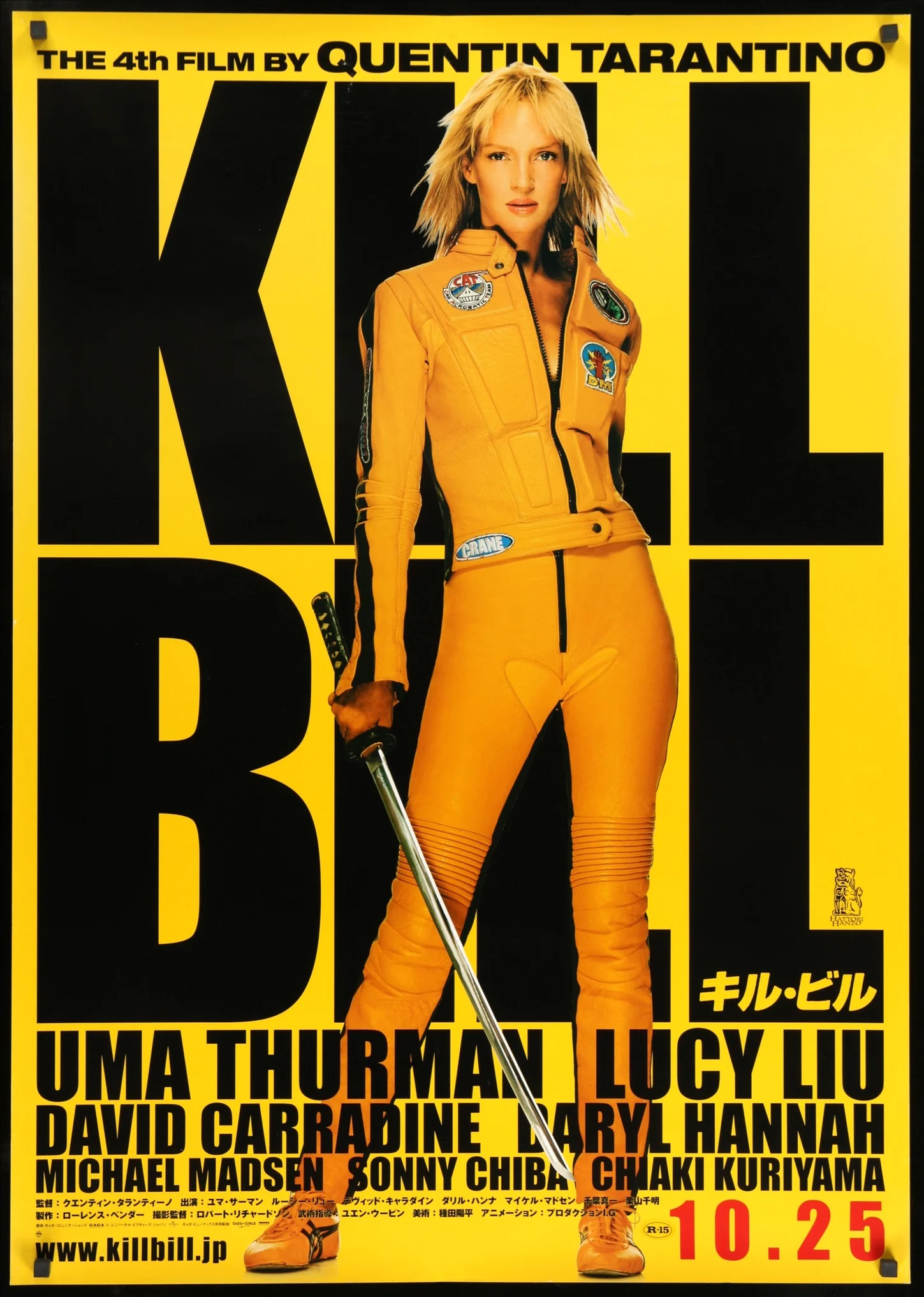
Kill Bill: Volume 1
A yellow jumpsuit, a long list of enemies and one woman who refuses to be finished.
Read the retrospective
→