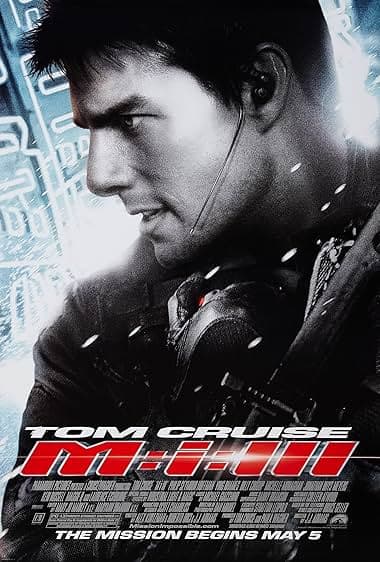
Mission: Impossible III
Ethan Hunt goes home — and the world refuses to leave him alone.
Feature presentation
Mission: Impossible III is the one in the series where Tom Cruise's spy is living a domestic life and somehow still has the worst luck. J. J. Abrams took the franchise's spectacle instincts and braided them with proper personal stakes, so the film spends as much time on who Ethan wants to protect as on who he must stop.
THE MOVIE
Ethan Hunt is still the reason this movie works
What makes Mission: Impossible III worth revisiting isn’t just the fancy locations or the clever mechanics of a heist‑type story. It’s that Ethan Hunt has been pulled out of the field and into a quieter life — training others, consulting, trying to be normal — and then forced back into the brutal, uncompromising world he thought he might have left behind.
That tug — a trainee vanishing, a confrontation with a dangerous black‑market dealer named Owen Davian, and the personal price Hunt is asked to pay — gives the movie sharper teeth than a straight spectacle picture. The plot literally yanks him from domestic routines into violent necessity, and the contrast is what keeps the film ticking.
J. J. Abrams directs, Tom Cruise plays Hunt, and Philip Seymour Hoffman turns up as the kind of antagonist who makes the stakes feel immediate. Around that centre the film layers themes about duty, protection and the cost of bringing others into a dangerous life.
THE SETUP
The idea that sets Mission: Impossible III in motion
The engine here is simple and efficient: a trainee disappears, and that disappearance drags Ethan Hunt back into doing what he does best. What starts as a rescue becomes tangled with something much bigger when the trail leads to Owen Davian and his interest in a mysterious object known as the Rabbit’s Foot.
That double bind — a private rescue mission that intersects with a global threat — lets the film combine pulse‑quickening action with proper emotional stakes. You care about the mechanics because the mechanics are threatening people Hunt cares for.
Abrams organises the story around an attention‑grabbing trick: the film opens on a later, high‑stakes moment and then fills in how the characters arrived there. It’s a neat way of keeping the tension taut while moving between personal urgency and the wider danger.
Because Ethan’s domestic life is foregrounded, the plot’s pressure points land differently than in a pure globe‑spanning thriller; the missing trainee and the Davian threat are not just plot devices, they’re what collapse Hunt’s private and professional worlds together.
THE CHARACTER
Why Ethan Hunt matters
Tom Cruise’s Ethan Hunt is no longer just a lone operative pulling off impossible stunts; he’s a man juggling professional duty with a real desire to keep the people around him safe. That internal tug — duty versus protection of a partner and trainees — gives his choices weight.
The supporting team around him are not window dressing. They’re competence resources and emotional anchors: the people whose safety and trust matter, who remind the audience that Hunt’s job brings real consequences for other people.
Placing a domestic relationship at the centre of the story changes how we watch action scenes. They’re not just about spectacle; they’re about what Ethan is prepared to risk and who he is willing to put between himself and danger.
So what makes Hunt memorable here is the fact that he’s operating on two levels at once — the professional and the personal — and the movie keeps sliding him between them until the choices feel like the only possible way forward.
THE PERFORMANCE
Why Philip Seymour Hoffman's performance matters
Philip Seymour Hoffman’s Owen Davian is the kind of antagonist that critics at the time kept returning to. Contemporary notices singled out his portrayal as a striking, menacing presence within the film.
That matters because Davian isn’t just an obstacle to be outwitted; he’s the human face of the threat, which makes the personal stakes feel credible. A dangerous dealer with clear intentions focuses the plot in a way a faceless conspiracy rarely can.
Having an antagonist that consistently registers in reaction and coverage gives the film an emotional fulcrum opposite Ethan: one side trying to protect loved ones, the other pushing people into impossible choices.
So even when the story swings between rescue and global danger, the presence of Davian keeps the danger specific and immediate.
UNDER THE SURFACE
Mission: Impossible III has more on its mind than the plot suggests
At face value the film is an action thriller. Underneath, it’s juggling several ideas: the friction between personal stakes and global threat; the real costs of a life in espionage; and the responsibilities of mentorship when trainees get hurt.
Teamwork and mentorship show up not as cosy afterthoughts but as narrative drivers. Hunt’s involvement with trainees makes their losses and dangers land harder because he brought them into that orbit.
Identity and deception — the old bread and butter of spy films — are present too, but they’re reframed through relationships. Masks and lies have consequences because they endanger the people who trust him.
All of these themes give the film an emotional texture beyond chases and gadgets: it’s an action movie that keeps remembering the human tally.
THE FILMMAKING
How Mission: Impossible III was put together
Mission: Impossible III was J. J. Abrams’s first theatrical feature after a high‑profile television career, which is noticeable in the way the film balances character beats with setpiece momentum.
That television sensibility — an economy of storytelling married to glossy production values — gives the movie a pace that likes to keep the viewer on their toes while still making room for quieter scenes.
Abrams’s move into a big studio tentpole here exemplifies a mid‑2000s pattern of television talent being tapped to steer large films, bringing a slightly different narrative rhythm to franchise filmmaking.
So the film feels like a hybrid: a director used to compact TV arcs trying his hand at a larger canvas without losing the knack for character moments.
PRACTICAL EFFECTS
The effects work that gives Mission: Impossible III its physical personality
The movie relies heavily on large‑scale stunt choreography and on‑location action set pieces to stage its principal sequences.
That approach keeps the action feeling grounded: when sequences are built around stunt teams and physical choreography rather than being wholly manufactured in post, the movement and danger tend to read as more immediate.
Using real locations and full stunt setups also helps connect the action to characters — the sequences exist in the same world as Hunt’s domestic scenes rather than feeling like separate attractions.
In short: the film’s personality is as much about how its action is staged as about what the action does for the story.
PURE 00s
Mission: Impossible III could not belong to any other decade
This is a mid‑2000s franchise instalment through and through: it was released in 2006 and made during a period when studios were keen to hire high‑profile TV creators to direct big studio tentpoles.
That casting choice — a television‑savvy filmmaker stepping up to spectacle — is part of what gives the film its rhythm and emphasis on character alongside action.
It was also produced as an international picture with production partners and sequences tied to multiple countries, a common mid‑2000s practice for tentpole filmmaking.
Put together, those facts make the film feel of its moment: a franchise entry trying to broaden its emotional range while still delivering the globe‑trotting thrills audiences expected.
THE LEGACY
Why Mission: Impossible III still matters
Part of the film’s ongoing interest is simply its place in the series: it’s the third theatrical entry and sits chronologically between the 2000 sequel and the later franchise films.
It’s also notable for introducing Simon Pegg’s Benji Dunn to the theatrical line‑up — a character who returned in subsequent franchise instalments, giving the series a useful recurring technical and comic foil.
Because it tightened the franchise’s focus on Ethan’s personal life while still delivering big action, the film is often referenced as the point where the series began to blend domestic stakes with its established global thrills.
So its legacy is less about upending the franchise and more about quietly reshaping the kinds of stakes the series was willing to explore.
THE VERDICT
Does Mission: Impossible III still hold up?
Yes — with a couple of important qualifiers. If you want a Mission movie that combines big stunt work and on‑location action with an insistently personal centre, this one delivers. The plot is set up by a trainee’s disappearance that forces Ethan Hunt out of domestic life and toward a confrontation with Owen Davian, a villain who leverages harm to someone close to Hunt to demand the Rabbit’s Foot.
That personal leverage—an implanted, timed threat used as bargaining power—keeps the stakes intimate even as the film touches on wider danger, and it frames the central conflict as both rescue and prevention of a larger catastrophe.
The film’s structure, opening on a later high‑stakes moment and then working backwards, keeps the tension taut, while the presence of a solid supporting team gives Hunt people to care about and to fight for. Contemporary reactions repeatedly singled out Hoffman’s Davian as a menacing element, which helps keep the threat vivid and focused.
So if you’re in the mood for a spy movie that remembers to care about who its hero is protecting, Mission: Impossible III is worth a watch. It’s the instalment where the franchise asks: how far will a professional go when the danger hits home?
Share this movie
Keep watching
More movies from the 00s

2002
The Pianist
A quiet life unmade by war — and a pianist who refuses to stop listening.
Read the retrospective
→
2006
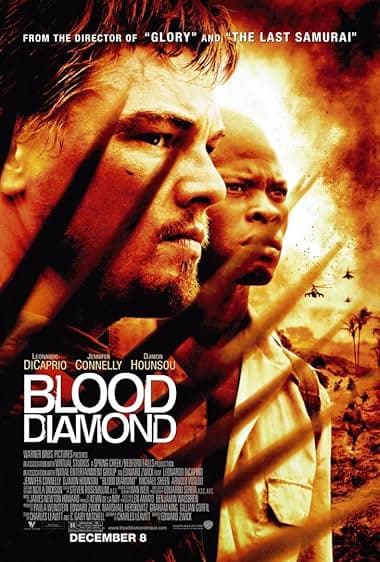
Blood Diamond
A mercenary, a fisherman and a pink diamond — and a film that still asks who pays for our jewellery.
Read the retrospective
→
2003
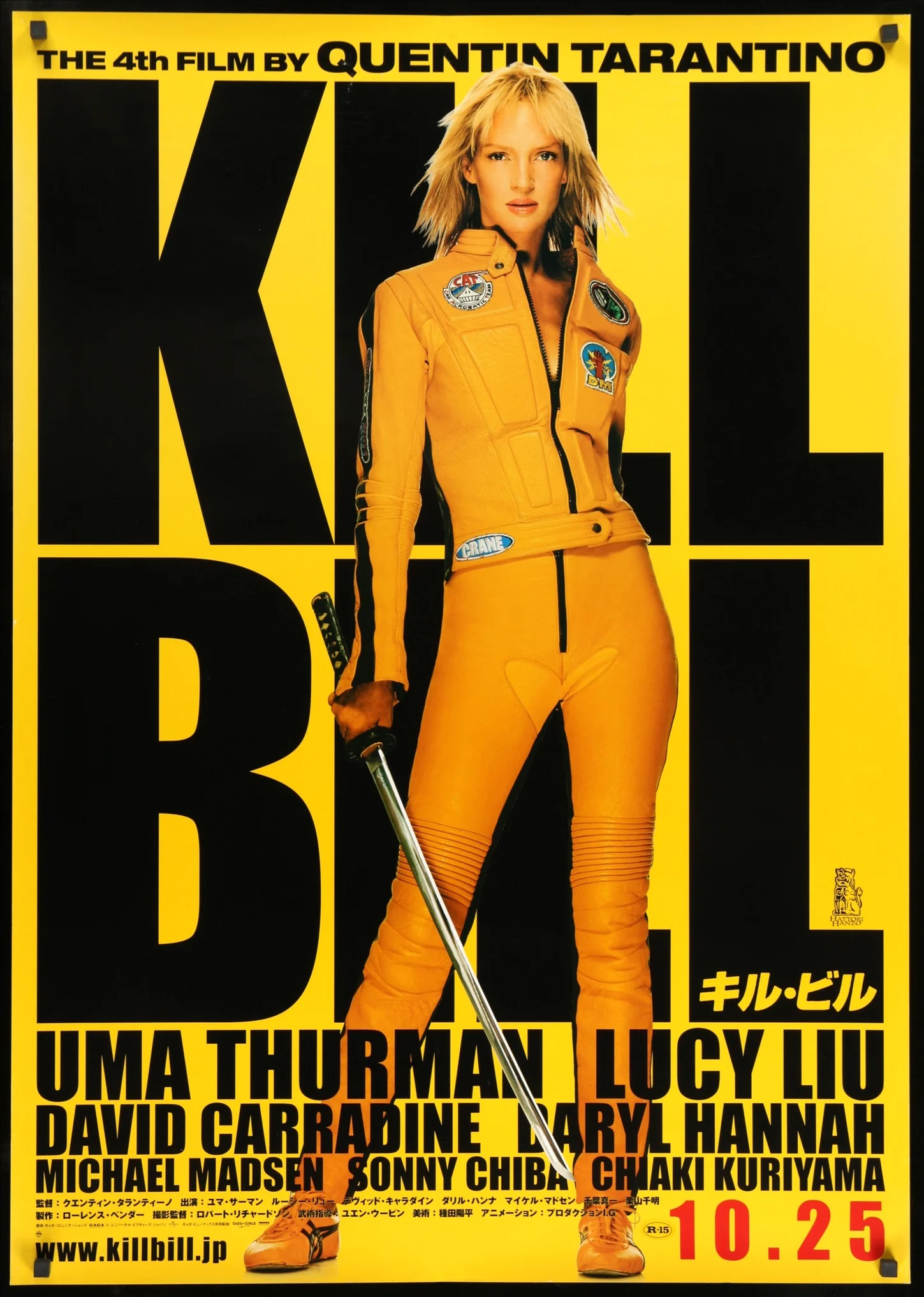
Kill Bill: Volume 1
A yellow jumpsuit, a long list of enemies and one woman who refuses to be finished.
Read the retrospective
→