Mission: Impossible 2
Duty, danger and stunt-savvy spectacle — Ethan Hunt goes personal, and the world holds its breath.
Feature presentation
Mission: Impossible 2 is the loud, leather-jacketed sequel that turned containment into drama and set-piece bravado into a full-time personality. John Woo took the franchise's globe-trotting spy game and asked a simple question: what happens when the mission asks you to risk everything for one person? If you remember the film at all, you probably remember Ethan Hunt doing exactly that.
THE MOVIE
Ethan Hunt is still the reason this movie works
Say the title and people picture a very particular kind of summer action movie: big set pieces, a conspicuous director’s stamp, and an impossible-seeming problem that needs fixing. Mission: Impossible 2 gives you all three. At its centre is Ethan Hunt — the IMF agent whose job, this time, is blunt and terrifying: track down an engineered virus called Chimera and secure its antidote, Bellerophon, before it becomes a public-health catastrophe.
John Woo arrives with a different sensibility for the franchise; he turns the story into a series of bold action moments rather than a slow, technical spy puzzle. That choice makes the film a louder, faster kind of Mission: Impossible, one where spectacle drives story choices as much as tradecraft.
What keeps the whole thing from becoming nothing but noise is Ethan himself: a committed operative balancing duty and personal risk, dragged into a situation where loyalty means choosing between the mission and a complicated human tie. That tension — duty versus personal loyalty — is the movie's engine.
THE SETUP
The idea that sets Mission: Impossible 2 in motion
The plot is straightforward in a useful way: a stolen engineered virus, a limited antidote and a race to keep either from falling into the wrong hands. Ethan Hunt’s brief is blunt — recover and destroy Chimera and secure Bellerophon — and most of the film follows the practical work required to do that.
Instead of plumbing tradecraft in minute detail, the screenplay strings the story through a series of high-stakes retrievals and infiltrations. You move from one set-piece to the next; each mission is a new escalation, and the plot advances by doing rather than explaining.
That structure suits the film’s intentions. It’s less interested in procedural puzzle-solving and more intent on making each operation into a dramatic, physical event — which is why the set pieces feel like the spine of the movie.
On paper the film’s scripting credits look like a meeting of different television and film voices, but the result is uncomplicated: a summer-action story that uses spectacle to carry its beats rather than longueurs of espionage exposition.
THE CHARACTER
Why Ethan Hunt matters
Ethan Hunt exists here as the professional who will carry the moral weight of the plot. Tom Cruise plays him, and the film frames Hunt as someone whose priority is stopping a public-health disaster — even when that duty forces uncomfortable personal choices.
What makes him memorable in this film is less about mystery and more about commitment: he’s the person who will go after a contagion, negotiate the logistics of a cure, and put himself in the line of fire to keep something devastating from spreading.
The plot complicates that commitment by introducing a human element. Ethan recruits Nyah, a thief with a past link to the villain, and that recruitment opens up a question that the film keeps returning to: how far will you bend mission rules when feelings are involved?
As part of the franchise’s early sequel experiment, Ethan remains the anchor tying together globe-trotting spectacle and a recognisable moral backbone — the professional who must also be willing to weigh personal risk against duty.
THE PERFORMANCE
Why Tom Cruise's performance matters
Contemporary notices landed on one clear point: Cruise’s star presence is central to how the film reads. He’s the fulcrum around which the spectacle and the moral choices balance.
That matters because this Mission is not a puzzle box; it’s a personality-driven action movie. When the film needs the audience to care about a race to contain a virus, it leans on its lead to carry the sequence from urgent to human.
Seen that way, Cruise’s role is less decorative and more functional — he’s the reliable figure that keeps the film’s louder impulses tethered to a recognisable human purpose.
If you’re watching for the mission’s stakes to feel real, the production trusts his presence to do the heavy lifting.
UNDER THE SURFACE
Mission: Impossible 2 has more on its mind than the plot suggests
On the surface it’s a race: virus stolen, antidote scarce, clock ticking. Underneath that simplicity sit a few recurrent ideas. The film repeatedly asks whether duty must always trump personal loyalty, and whether a single attachment can upend an otherwise tidy mission.
There’s also an ethical current running through the action: Chimera and Bellerophon turn the usual spy MacGuffin into something with real-world consequences. Containment isn’t just plot convenience; it’s a moral problem about how dangerous science should be policed and who gets control.
The choice to favour spectacle over procedural detail pushes those themes into sharper relief. Without endless exposition, the moral questions arrive in big, dramatic gestures — a decision that makes the movie feel like moral theatre as much as it does a spy thriller.
Finally, the romantic thread — recruiting Nyah into the mission despite her past with the villain — turns the central conflict inward. Romance collides with mission logic, and the film often measures itself by how those two forces pull Ethan in opposite directions.
PRACTICAL EFFECTS
The effects work that gives Mission: Impossible 2 its physical personality
The film leaned hard on real-world stunt work, and that commitment is baked into how the action reads. Live-action sequences — climbing, rappelling and extended chase work — provide a physicality that the production used as a selling point.
Contemporary publicity leaned on those stunts, and the production highlighted Tom Cruise’s involvement in practical sequences as part of the film’s appeal. That emphasis shapes the movie’s personality: it’s designed to convince you things are happening for real.
When a sequence needs to feel dangerous, the choice to go practical rather than purely constructed puts pressure on the performances and the choreography in a way that you can sense while watching.
In short, the film’s physical choices are not background texture; they are front-and-centre, and they frame the movie’s action-first identity.
PURE 00s
Mission: Impossible 2 could not belong to any other decade
Released over the Memorial Day weekend of 2000, the film is a textbook early-2000s summer picture: big budget, a franchise name attached, and marketing built to make a loud weekend splash. Its timing matters — this was a film designed to be an event.
The soundtrack and promotional strategy leaned on contemporary rock and crossover singles, which was a familiar way for big studios to reach younger audiences at the turn of the millennium. The music tie-ins were part of the film’s personality as much as its stunts.
Box-office success at release underscored that strategy: the film opened strongly and went on to be the highest-grossing film worldwide for the calendar year 2000, evidence that the package — franchise, spectacle and marketing — hit its intended mark.
Taken together, those elements make the film feel of its moment: a franchise sequel built as a summer blockbuster, packaged for mass attention and unapologetic about making spectacle the selling point.
THE LEGACY
Why Mission: Impossible 2 still matters
Part of the film’s afterlife comes from being the franchise’s first sequel — it proved the series could continue Ethan Hunt’s story beyond the original film and still earn a global audience.
Its commercial footprint at the time was significant: the movie finished the year as the highest-grossing film worldwide for 2000, which helped cement its place in discussions about the franchise’s early years.
The soundtrack and its lead single remain associated with the film’s promotional identity; that music tie helped the movie live on in memory as a specific kind of turn-of-the-century blockbuster.
Finally, the production and publicity have been revisited in franchise retrospectives that emphasise the series’ stunt and practical-effects traditions — the movie is often cited within the franchise story as a moment when spectacle became an explicit selling point.
THE VERDICT
Does Mission: Impossible 2 still hold up?
If you want meticulous spycraft, this isn’t the Mission for you. The film is structured around a clear, urgent problem — recover Chimera and secure Bellerophon — and it chooses bold action over procedural patience. That decision gives it energy, even when it sacrifices explanation.
Where it does work is in its trade: spectacle bought with stakes that actually matter. The antagonist is an ex-agent who intends to exploit the virus and its cure, which turns the chase into more than posturing; there are real-world implications behind the action.
The human choices give the spectacle a point of focus. Recruiting Nyah, who has a past with the villain, forces Ethan into a personal dilemma: duty to contain a public-health threat versus the pull of a complicated relationship. That tension is what redeems some of the film’s louder excesses.
So should you watch it? Yes — if you’re up for a summer blockbuster that favours big, physical set pieces and a star at the centre of morally awkward choices. Mission: Impossible 2 is not subtle, but it is purposeful: it wants you watching Ethan choose, and it wants those choices to feel expensive.
Share this movie
Keep watching
More movies from the 00s
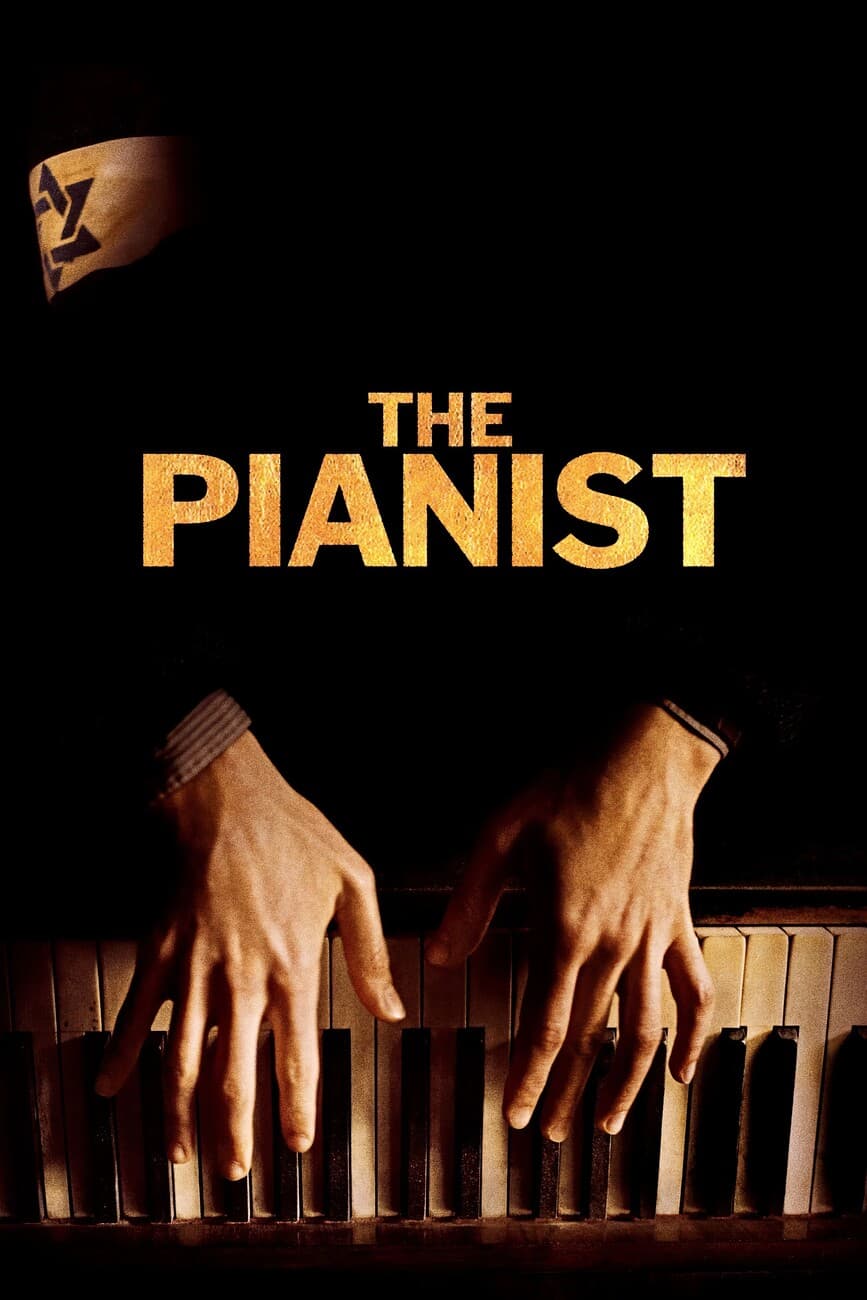
2002
The Pianist
A quiet life unmade by war — and a pianist who refuses to stop listening.
Read the retrospective
→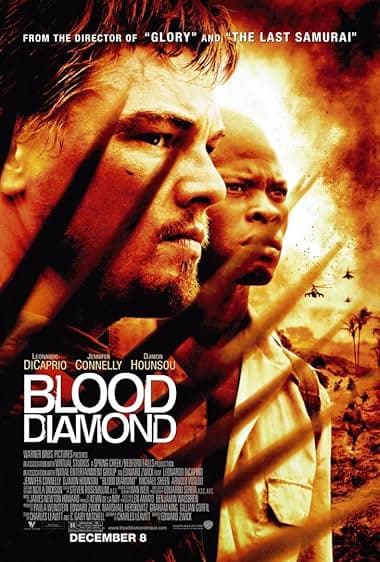
2006
Blood Diamond
A mercenary, a fisherman and a pink diamond — and a film that still asks who pays for our jewellery.
Read the retrospective
→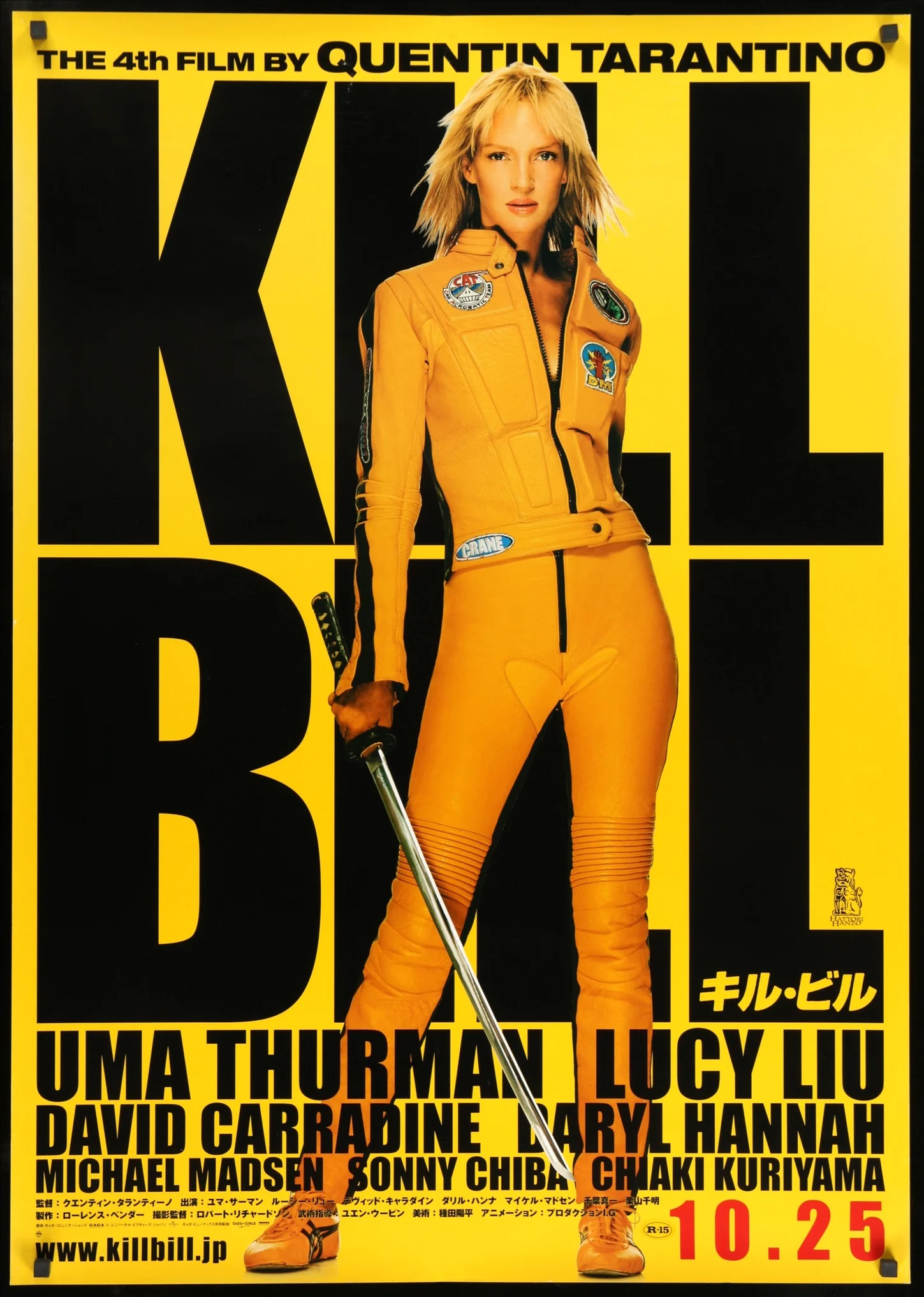
2003
Kill Bill: Volume 1
A yellow jumpsuit, a long list of enemies and one woman who refuses to be finished.
Read the retrospective
→