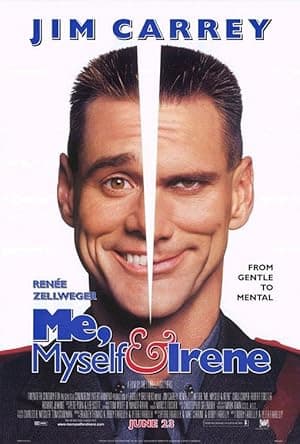
Me, Myself & Irene
A split self, a frantic road trip and more than a few very Farrelly laughs.
Feature presentation
Me, Myself & Irene isn’t polite company. It’s a summer comedy that delights in shutting up your better manners and letting something loud, rude and oddly tender take over. At its heart is Charlie Baileygates — and the other bloke living in his head — which is exactly why the film still gets talked about.
THE MOVIE
Charlie Baileygates / Hank Evans is still the reason this movie works
If you remember Me, Myself & Irene at all, you probably remember the switch — the polite, doormat state trooper who suddenly becomes someone else entirely. That gulf between the two states is the engine. The movie sets up Charlie as a soft‑spoken, overly accommodating trooper who, after years of repressing anger, develops a second, aggressive personality called Hank.
What pushes the film forward is practical and straightforward: Charlie is tasked with escorting Irene P. Waters, a woman who claims she’s been framed and is being chased by a mob‑connected ex. The assignment turns into an on‑the‑run road movie, and the plot mostly exists to dump Charlie and Irene into one outrageous situation after another.
Directors Peter and Bobby Farrelly wrote the sort of R‑rated slapstick the pair were known for at the time, and they leaned into it here — gross‑out jokes, black comedy beats and a structure that rewards set pieces more than careful plotting. Jim Carrey plays both halves of Charlie; Renée Zellweger plays Irene; the result is loud, at times uncomfortable, often very funny.
THE SETUP
The idea that sets Me, Myself & Irene in motion
At base, the film is a simple premise dressed up in escalating lunacy: a state trooper who can’t get angry suddenly has a personality that can, and that personality becomes useful — and destructive — as they try to stay ahead of real‑world threats. The internal tug‑of‑war over control is the movie’s central conflict.
The Farrellys don’t pretend to be writing a psychological case study; instead the story signals Charlie’s history with extended flashbacks and a fairly long first act that explains how he got to this point. That backstory is blunt but serviceable: it makes the switch feel earned enough for the film to proceed to the crazy stuff.
From there the plot is a vehicle. Corrupt agents and mob connections chase Irene, and those external pressures force Charlie and Irene into a road‑movie pattern of escapes, set pieces and confrontations. The encounters are deliberately episodic — the film staggers gross‑out laughs and physical gags into the journey rather than building a tightly wound thriller.
THE CHARACTER
Why Charlie Baileygates / Hank Evans matters
The movie rides or falls on one idea: what happens when a man who spends a life saying ‘yes’ suddenly has a version of himself that says ‘no’ with force. Charlie’s gentleness and the sudden arrival of Hank’s aggression do more than supply gags — they set up a moral and comic tension that the film keeps returning to.
Charlie and Hank are two poles the script exploits. Charlie’s suppressed anger gives Hank room to be something outrageous, vulgar and physically dominant; Hank’s presence solves problems but also creates chaos. That oppositional relationship is where the film’s best moments live.
Secondary players rarely get space to breathe as people; they’re mostly comic foils or plot motivators — the federal agents, the mixed‑race 'sons', the troopers on the chase. But that’s partly the point: the story is focused tightly on Charlie’s split, and everything else exists to throw him into situations where the split matters.
THE PERFORMANCE
Why Jim Carrey's performance matters
Contemporary reviewers singled out Carrey’s physical expressiveness and his ability to switch between Charlie and Hank. That switch is the movie’s spectacle: it’s a sound cue, a posture, a whole comic economy that lets the Farrellys push the script into extreme territory.
Mentioning reviewers isn’t a shrug; it’s a description of how the film is built. The script gives Carrey room to populate two extremes, and that capacity to flip registers repeatedly is what keeps many of the set pieces functioning.
Put simply: if the movie’s conceit is a man who can be two different people, you need an actor who can make both states feel like recognisably one person and recognisably another — contemporary reaction focused on that exact trick.
UNDER THE SURFACE
Me, Myself & Irene has more on its mind than the plot suggests
On the surface the film is a string of gross‑out and shock set pieces. Underneath, those same shocks act as shorthand for the characters’ pressures — especially Charlie’s. The humour often comes at the expense of subtlety, but the bluntness reveals a consistent throughline: someone trying to stop being walked over.
Split identity is the obvious theme — the Jekyll‑and‑Hyde device gives the Farrellys a way of testing masculinity by literalising repressed anger. Hank is the part Charlie can’t let out in polite company, and the movie stages that tension as both comic and consequential.
And then there’s the road element: being on the run forces choices and exposes how fragile social roles can be. When the plot stops binding the characters to rules, their true colours come out, and the humour follows.
PRACTICAL EFFECTS
The effects work that gives Me, Myself & Irene its physical personality
The movie’s physical personality owes something to real‑world, hands‑on effects. Practical make‑up and animatronics are credited to Alterian Studios and Tony Gardner, giving some of the gross‑out moments a deliberately tactile quality.
Likewise, the film’s physical comedy and action rely on a credited stunt department. Stunt performers and a stunt coordinator handled doubling and stunt work for the lead’s more demanding sequences, which is important when the film repeatedly leans on pratfalls and violent slapstick.
All of this keeps the humour feeling immediate — the sort of thing that looks and sounds like it happened in the moment rather than being glued together in post‑production.
PURE 00s
Me, Myself & Irene could not belong to any other decade
The film sits squarely in a moment when mainstream summer comedies could still be R‑rated and unabashedly gross. It was the Farrellys’ follow‑up terrain with Jim Carrey — a continuation of what the pair had done together in the 1990s — and it reflects that late‑1990s/2000 trend of broad, adult slapstick finding a big audience.
Opening wide on 23 June 2000, the film came out at a time when studios still banked sizable summer releases on this brand of rowdy comedy. That release strategy matters: it’s a comedy made to be loud in a big multiplex, not whispered about in a small art‑house.
Which is to say, this is not a twelve‑tone, modernist comedy. It’s squarely of its era, and it wears that era’s appetite for R‑rated, in‑your‑face laughs like a badge.
THE LEGACY
Why Me, Myself & Irene still matters
The film arrived as a clear commercial success: it opened at number one in the U.S. and went on to make a substantial haul domestically and worldwide. That box‑office performance kept the Farrellys’ brand of mainstream gross‑out comedy very much in play.
It also prompted conversation. The National Alliance on Mental Illness publicly objected to the film’s depiction of dissociative identity disorder around the time of release, which meant the movie wasn’t just another obnoxious comedy — it became part of a wider discussion about how mental illness is portrayed on‑screen.
Finally, the film remains a staple in the Farrelly–Carrey section of most filmographies. Whether you admire it or wince at it, it’s regularly mentioned when people map that chapter of American comedy.
THE VERDICT
Does Me, Myself & Irene still hold up?
If you watch Me, Myself & Irene expecting subtlety you’ll be disappointed. The film’s structure favours episodic set pieces and shock comedy over a tight thriller plot; it exists to shove Charlie into situations where Hank can do the heavy lifting and the laughs can be as gross as the gag requires.
But if you accept that bargain — that the movie trades finesse for blunt, sometimes shocking comedy — then it still works. The central conceit remains oddly compelling: a man whose suppressed anger becomes a resource and a liability, and who has to learn which side to trust when it matters.
So should you watch it now? Yes, if you want a loud, aggressive comedy from 2000 that’s unapologetically built around a dual‑identity joke and knows how to stage physical, sometimes vulgar set pieces. If you’re seeking nuance or a sensitive treatment of mental health, look elsewhere. Me, Myself & Irene is a product of its makers and its moment: messy, energetic and unmistakably Farrelly.
Share this movie
Keep watching
More movies from the 00s
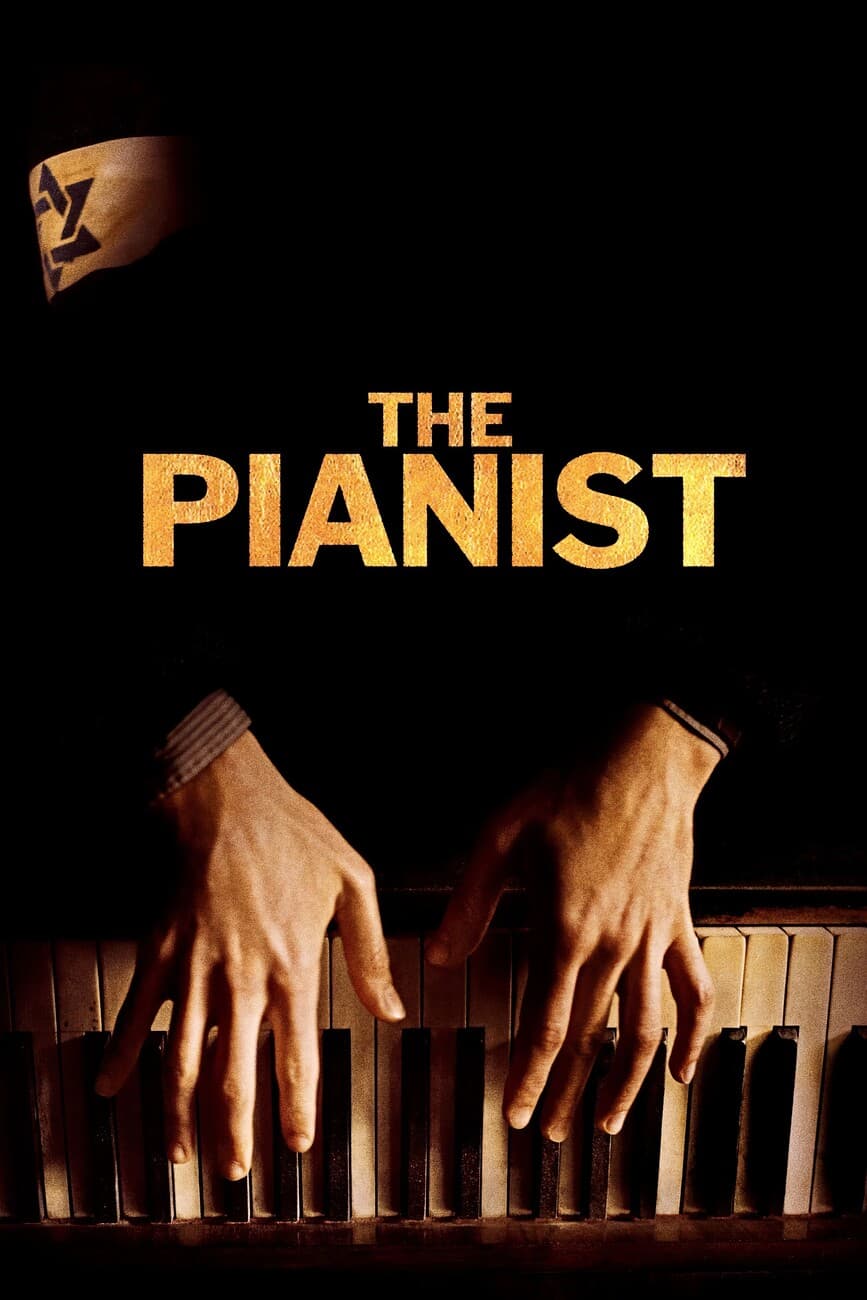
2002
The Pianist
A quiet life unmade by war — and a pianist who refuses to stop listening.
Read the retrospective
→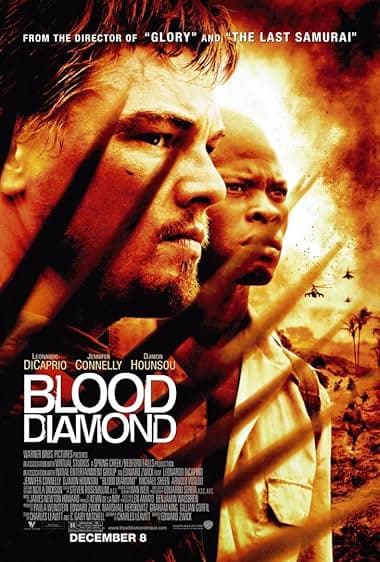
2006
Blood Diamond
A mercenary, a fisherman and a pink diamond — and a film that still asks who pays for our jewellery.
Read the retrospective
→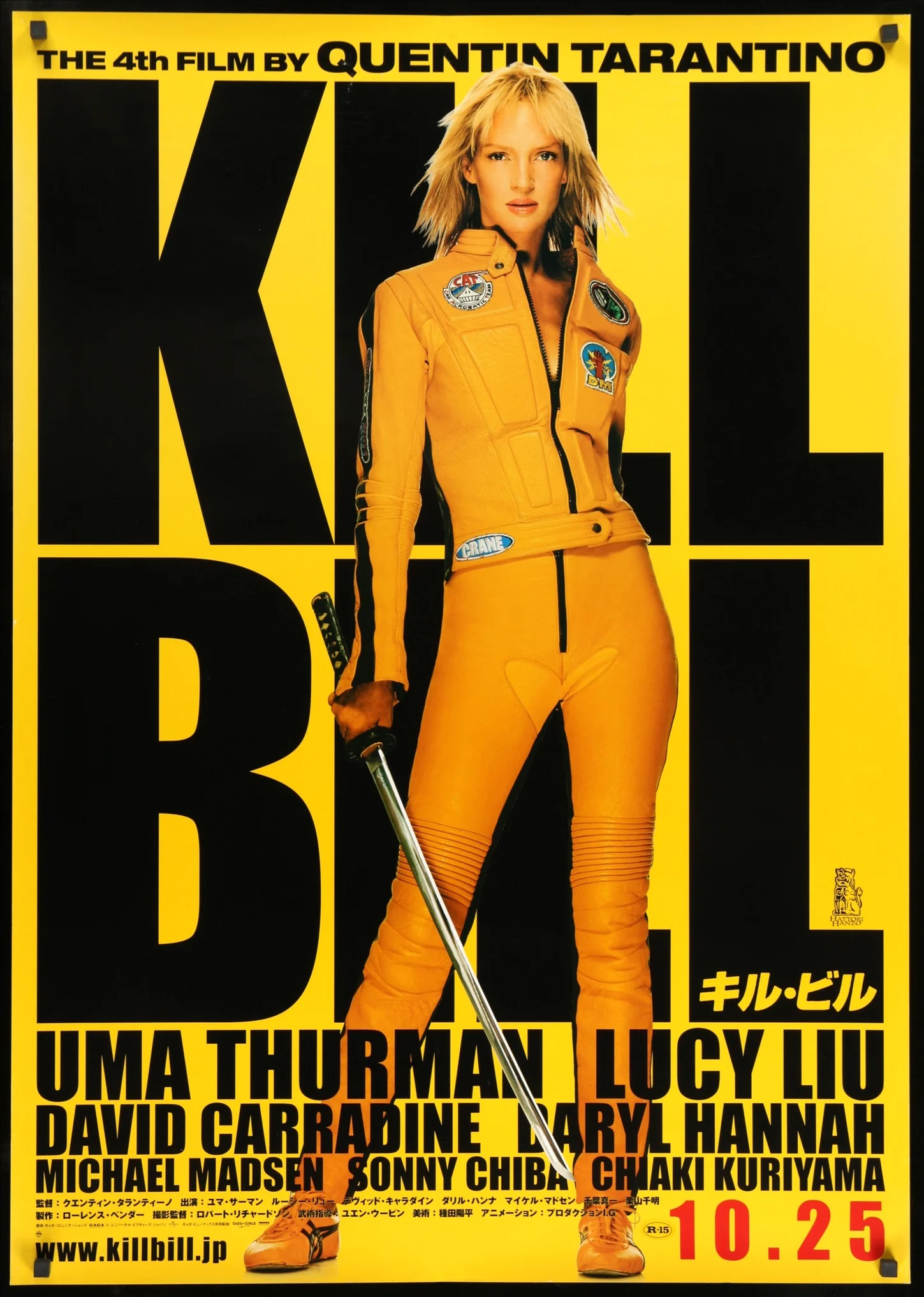
2003
Kill Bill: Volume 1
A yellow jumpsuit, a long list of enemies and one woman who refuses to be finished.
Read the retrospective
→