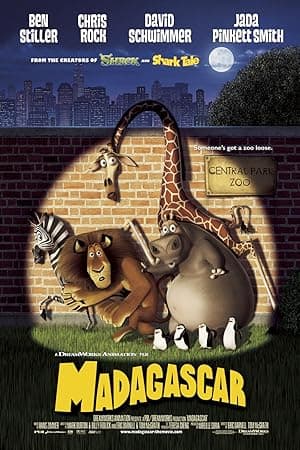
Madagascar
A showman lion, escape‑minded penguins and a lemur king — friendship, identity and the pull of the wild.
Feature presentation
Remember the bit where the animals sprint for the exit and the city suddenly feels too small? Madagascar hooks you on that one clear idea: four zoo pals who have made performance into who they are are thrust into a life that expects something else. It's loud, playful and—crucially—Alex the lion gives the whole thing a centre.
THE MOVIE
Alex (lion) is still the reason this movie works
Madagascar sells itself immediately on a very simple mismatch: animals whose whole lives have been built around entertaining people suddenly find themselves dumped somewhere that won't accept an encore. The setup is as tidy as it is combustible — a lion, a zebra, a giraffe and a hippo who accidentally leave the Central Park Zoo and end up stranded on Madagascar.
The spark that lights the fuse is Marty the zebra deciding he wants to see the wild. That choice — one character wanting more than his zoo life — sends the group hurtling out of the city and forces everyone to reassess who they are when the audience disappears.
At the heart of that reassessment is Alex. He isn't just the lead character on paper; he's the one whose identity is literally built from performing for visitors. That attachment to being adored at the zoo creates the emotional friction the film uses for jokes and, yes, for moments of real feeling.
THE SETUP
The idea that sets Madagascar in motion
At its cleanest, Madagascar is powered by a single what‑if: what happens to animals who have learned to be spectators' favourites when they must survive without an audience? That premise lets the comedy breathe — it's not just about escaping a zoo, it's about the identity shock that follows.
The story gathers its energy from its ensemble. The film keeps the four leads as a unit — think of them as the 'Zoosters' — and lets their different attachments and fears play off one another. That ensemble structure makes the movie feel like a proper buddy adventure, rather than a solo hero's tale.
Running alongside the main quartet is a recurring comic subplot: a small, absurdly capable group of penguins with an escape plan of their own. Their subplot does more than supply jokes; it keeps the film moving when the bigger characters need to sit with the implications of being free.
Those mechanics — a tight premise, a buddy ensemble and the penguin caper — are what turn a straightforward animated escape story into something with more bounce and appetite for variety.
THE CHARACTER
Why Alex (lion) matters
Alex matters because he carries the film's question in his mane. Ben Stiller provides the voice, but more importantly Alex is written as a star attraction: his routine, his identity and his friendships are all wrapped up in performing for zoo visitors.
That setup does two things. First, it gives Alex a believable reason to panic when the group leaves the zoo — losing the audience is losing a role he has rehearsed every day. Second, it forces the story to put a spotlight on how much of our behaviour is performance and how much is the self underneath.
As a family film, Madagascar keeps Alex accessible: he's arrogant and charismatic when it's easy, vulnerable when the situation demands it. The character helps the film land both the bigger laughs and the smaller, quieter notes about loyalty.
Put bluntly: remove Alex and you lose the film's measuring stick. He's the one whose struggle to redefine himself makes the group's adventure feel meaningful rather than just decorative.
THE PERFORMANCE
Why Ben Stiller's performance matters
Madagascar arrived at a moment when DreamWorks leaned on well‑known comic voices to give animated characters instant personality. The principal voice cast — Ben Stiller alongside Chris Rock, David Schwimmer and Jada Pinkett Smith — is deliberately star‑driven.
That casting choice works for this story because the film is about roles. Having recognisable voices animate animals who are themselves performers creates a neat echo: we hear celebrity voices giving life to characters who crave an audience.
Stiller's casting anchors Alex in that star system. The movie routinely leans on the cast's energy to tell jokes quickly and make the ensemble feel like a group of colleagues rather than anonymous cartoon creatures.
So if you find yourself remembering the character as much as the gags, that's partly the point: the film uses its vocal ensemble to make each animal feel like a distinct, theatrical presence.
UNDER THE SURFACE
Madagascar has more on its mind than the plot suggests
On the surface Madagascar is a breezy adventure. Underneath, it keeps returning to a handful of tidy ideas: friendship, identity, and the tug-of-war between freedom and the security of a role you've grown into.
The film stages that tug as a conflict between performance and authenticity. The zoo life asks Alex and the others to inhabit versions of themselves specially tuned for visitors; the island life demands they be something else entirely. It's a familiar storytelling beat, but one the movie uses to make emotional stakes feel immediate for a family audience.
Friendship and group loyalty are the glue. The characters are constantly negotiating whether leaving the zoo means leaving each other — the film repeatedly tests the group's bonds through episodic encounters on the island.
And then there's culture clash: these New York animals meet a natural world that doesn't speak their language. That clash propels comic set pieces and forces the characters to learn in ways the zoo never required.
THE FILMMAKING
How Madagascar was put together
Madagascar looks and feels like mid‑2000s computer animation in the way it stages characters and colours its world. The production design goes for big, bright choices and broad character modelling that read clearly to children and deliver visual punch on every beat.
That bright, bold approach feeds the film's tone: it never asks viewers to squint at subtle textures or tiny gestures. Everything is scaled for clarity and immediacy — a sensible choice for material that moves quickly between jokes, set pieces and quieter relationship moments.
The directors, Eric Darnell and Tom McGrath, lean into that clarity. The filmmaking choices favour easily readable actions, which helps the ensemble energy land — you always know who is speaking, scheming or panicking.
Put another way: Madagascar's filmmaking is built around making the comedy and character beats unmistakable, even when the story gallops along at a brisk pace.
PURE 00s
Madagascar could not belong to any other decade
The film arrived in 2005 during a period when American CGI animation was expanding fast, and studios were experimenting with salable ensembles and loud personalities. Madagascar fits that moment neatly: it's a product of DreamWorks with production services from PDI/DreamWorks, and it wears that mid‑decade energy on its sleeve.
Part of the movie's personality comes from DreamWorks' strategy at the time: assemble a star‑led vocal lineup and pepper the script with pop‑referential humour to keep adults entertained while children chase the slapstick.
Hans Zimmer provided the score, a detail that underlines how studios were investing big names even in family fare. The involvement of recognisable composers and actors was as much a selling point as the animation itself.
So when you watch Madagascar you see a film that is of the 00s not just because of surface style but because it was made within a particular industrial rhythm — star voices, broad humour and a push for multi‑audience appeal.
WATCHING IT NOW
What has aged — and what hasn't
If you queue this up today, the first thing you'll notice is how recognisable its character designs and comedic rhythms are as mid‑2000s DreamWorks. That familiarity is comfortable: the film still feels like a specific kind of family movie rather than an anonymous piece of animation.
At the same time, some of the joke timing and pop references are time‑stamped to the era that produced them. A few gags land as period material — not broken, but clearly rooted in a 2005 sensibility.
Where the film endures is in its central relationships. The friendship between the four leads and the way they test and repair one another's loyalties still reads as clear and watchable for modern families.
Finally, the fact that the film spun out multiple sequels and a penguin spin‑off shows there was durable appetite for these characters — and that the story world had parts worth expanding.
THE LEGACY
Why Madagascar still matters
Madagascar established a franchise that kept returning to the same quartet of zoo animals, and that continuity is part of why the first film still matters: it was the seed for two theatrical sequels and a wider family of spin‑offs.
Equally important is what started as a small supporting joke — the penguins — becoming a genuine breakout. Those characters proved durable enough to headline shorts, a television series and a spin‑off movie.
So the movie's legacy is not a single towering claim of influence; it is, instead, a practical one: it built a world and a cast of characters that other projects could return to and expand.
That kind of character‑led longevity is a tidy kind of success for a mid‑2000s family film: memorable enough to revisit, useful enough to keep working as franchise material.
THE VERDICT
Does Madagascar still hold up?
Yes — but with a few sensible caveats. Madagascar's premise is clean and lively: four Central Park Zoo animals accidentally leave the zoo and must figure out who they are when the audiences vanish. That premise still makes for satisfying family entertainment.
The film's strengths are structural and character‑based. Marty’s decision to seek the wild sets the plot in motion, while the group's need to reconcile comfortable, captive identities with sudden freedom gives the story emotional muscle without overcomplicating things.
The ensemble design — the Zoosters and their escape‑minded penguins — keeps the movie moving between set‑piece comedy and episodic island encounters. It balances spectacle with small character moments instead of leaning on a single villain or contrivance.
So if you're deciding whether to watch: go for the brisk energy, the clear character stakes and the way Alex's crisis of identity turns a cartoon caper into something with actual heart. It's 86 minutes of bright, mid‑00s animation that still knows how to make being free feel complicated and funny.
Share this movie
Keep watching
More movies from the 00s

2002
The Pianist
A quiet life unmade by war — and a pianist who refuses to stop listening.
Read the retrospective
→
2006
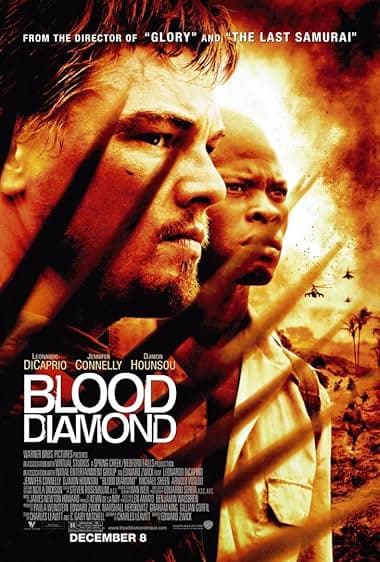
Blood Diamond
A mercenary, a fisherman and a pink diamond — and a film that still asks who pays for our jewellery.
Read the retrospective
→
2003
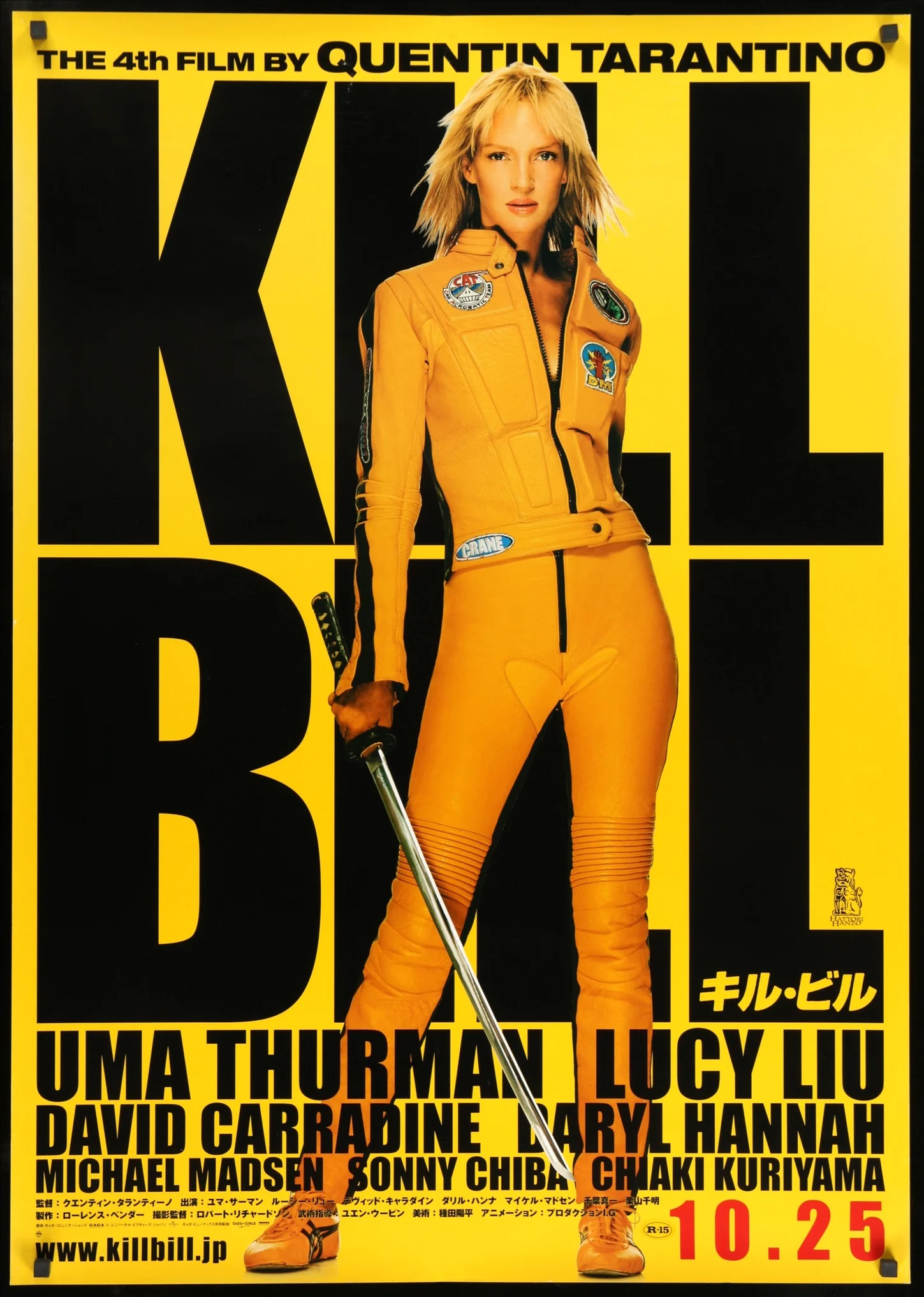
Kill Bill: Volume 1
A yellow jumpsuit, a long list of enemies and one woman who refuses to be finished.
Read the retrospective
→