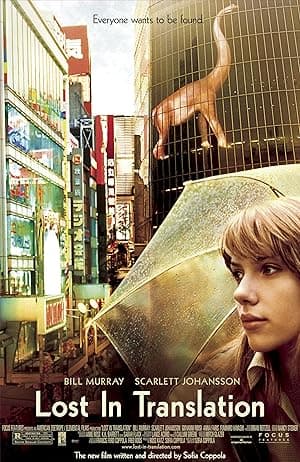
Lost in Translation
Two lonely people, one hotel — and a movie that still knows how to listen.
Feature presentation
There are films that talk at you and films that sit with you. Lost in Translation belongs to the latter: a small, careful movie about two strangers who meet in a place that refuses to make sense to them. Sofia Coppola's Tokyo-set study of midlife drift and fragile connection remains the kind of film you notice in quiet rooms.
THE MOVIE
Bob Harris is still the reason this movie works
Lost in Translation quietly sets two very different kinds of dislocation against each other. Bob Harris arrives in Tokyo to shoot a whisky commercial, a professional detour that doubles as a private retreat from a life that feels frayed around the edges.
Opposite him is Charlotte, a recent graduate staying at the same luxury hotel while her husband works, equally adrift and embarrassingly alone in a city that hums with other people's certainty. Their shared loneliness is the movie’s operating currency — an odd, humane thing to trade in.
Sofia Coppola wrote and directed this 2003 picture with an economy that favours little moments over big scenes; across 102 minutes Bill Murray and Scarlett Johansson anchor a film that makes room for silences to mean something.
THE SETUP
The idea that sets Lost in Translation in motion
On paper the film's setup is simple: a fading American movie star is in Tokyo to film a whisky spot, while a young wife-and-husband pair share the same hotel and the same sense of mismatch. That simplicity is the point — the plot isn't mechanics, it's atmosphere.
What the story trades in is emotion rather than action. Both protagonists are working through loneliness, marital distance and an unsure sense of where they belong. Those are not tidy problems, so the film doesn't insist on tidy answers.
Sofia Coppola stages the story as a series of recurring small scenes — late-night conversations at the hotel bar, quiet wanderings, short shared outings — and lets them accumulate. It’s how small talk becomes something that feels, improbably, meaningful.
Because the film trusts those tiny moments to add up, what matters is the space the movie creates for connection rather than any single scene pushing the plot forward.
THE CHARACTER
Why Bob Harris matters
Bob Harris is a strange, quiet sort of anchor: a world-weary actor whose trip to Tokyo is simultaneously a job and an escape hatch. Bill Murray plays him; the character is written as inward and unsettled, the kind of person whose public life looks better fixed than it feels.
We care about Bob because he is honest about what he doesn't have — family closeness, creative certainty, an easy self-image. The whisky commercial is a comic, almost absurd backdrop that only emphasises how out of step his life feels.
His conversations with Charlotte work because they're built from the flimsiest common ground — boredom, curiosity, a recognition of each other's distance from home — rather than from dramatic confessions. That makes their bond feel fragile and, pointedly, plausible.
The movie lets Bob be ordinary and exhausted; that ordinariness is what makes his moments of warmth land. It is not a performance trait, but a character choice that keeps the film human.
THE PERFORMANCE
Why Bill Murray's performance matters
Contemporary critics singled out Bill Murray's turn as unusually tender for an actor known for deadpan comic instincts. The discussion at the time framed the role as a moment where Murray let vulnerability sit beside his humour.
That recognition wasn't empty praise: awards-season attention followed, and both lead actors picked up major prizes. The movie's reception helped underline that this was a performance people thought worth noticing.
It's not hyperbole to say Murray gave the film a particular gravitational pull. When he quiets down, the scenes around him feel more honest; when he jokes, the jokes carry weight because they come from a place of fatigue rather than performative brightness.
In short, the performance matters because it makes the character plausible — a middle-aged man who could easily be a caricature, but isn't.
UNDER THE SURFACE
Lost in Translation has more on its mind than the plot suggests
At a glance the film looks like a quiet character piece; underneath it's working through a handful of very human conditions: loneliness, cultural dislocation and the strange flatness that sometimes arrives in middle age.
The setting — a foreign city where language and signs refuse immediate sense — isn't just pretty wallpaper. It sharpens the feeling that experience doesn't always translate, that people can be near one another and still entirely unreachable.
Marital estrangement is another recurring note: both leads are nominally partnered but emotionally distant, which makes their episodic intimacy feel like both consolation and complication.
All of these themes are modestly handled. The film doesn't preach; it merely observes how fragile connections form when the usual routines fall away.
THE FILMMAKING
How Lost in Translation was put together
A lot of the movie’s personality comes from how it's filmed and cut. Lance Acord's cinematography likes to linger: Tokyo exteriors and hotel interiors are allowed to breathe, which turns ordinary spaces into emotional landscapes.
That visual patience is matched by Sarah Flack's editing, which preserves a slow, observational rhythm. The film trusts quiet beats — a held glance, a pause in conversation — and edits around those moments so they keep their weight.
Sofia Coppola's choices as writer-director lean into mood and music rather than plot mechanics. The result is a film that feels designed to hold a particular mix of melancholy and warmth.
Put together, those filmmaking choices create a mood that is intimate without being intrusive; you watch as if you're listening from the next room.
PURE 00s
Lost in Translation could not belong to any other decade
Released in 2003, the film is a very early-2000s independent success story — made on a modest budget and finding both critical attention and mainstream crossover. That career arc was a hallmark of that moment in cinema.
It also helped raise Sofia Coppola's profile as a writer-director and reminded audiences that Bill Murray could carry quietly dramatic material as well as comic roles. Those reputational shifts were part of the decade's storytelling texture.
Musically and tonally the film sits comfortably alongside other indie pictures of the era that favoured mood and carefully curated soundtracks over propulsive plot.
Seen in that context, Lost in Translation feels like a crystallisation of an early-2000s taste for small, character-led films that let atmosphere do a lot of the heavy lifting.
WATCHING IT NOW
What has aged — and what hasn't
The film’s central relationship — two strangers finding a private, conversation-driven bond — still reads as tender and plausible. The movie's restraint gives those moments room to breathe even after years of repeated viewings.
At the same time, modern commentary has picked at parts of the film that lean on Japan as an exotic backdrop. Some scenes that treat culture-as-exotic-other have aged less comfortably than the private story between the leads.
That doesn't erase the movie's achievements, but it does complicate how we watch it now: the intimacy at the centre remains compelling, while certain cultural framings invite a more critical eye.
In practice that means Lost in Translation still offers a lot to viewers who come for its quiet human core, but it's reasonable to watch it with an awareness of the elements that haven't dated as well.
THE LEGACY
Why Lost in Translation still matters
Sofia Coppola won the Academy Award for Best Original Screenplay for Lost in Translation, and the film earned multiple major nominations at the 76th Academy Awards, including Best Picture, Best Director and Best Actor.
That awards recognition helped the film cross from indie curiosity into a wider cultural conversation without turning it into something it wasn't: a small, personal film that reached a big audience.
It became one of those early-2000s independents that managed both box-office success and critical respect, a bridge between arthouse taste and mainstream visibility.
The screenplay itself has continued to be noted in later industry lists of notable 21st-century scripts, which speaks to the film's lasting reputation as a well-crafted piece of writing.
THE VERDICT
Does Lost in Translation still hold up?
Yes — but with nuance. If you come for a spare, human film about two people figuring out what they want from each other and themselves, this one still rewards patience. The inciting hook — a fading movie star in Tokyo meeting a young woman who feels adrift — remains a strong, believable premise.
The movie's quiet insistence that connection can be small and episodic still feels honest. Repeated hotel-bar and late-night scenes let conversational fragments become meaningful in a way that more plotty films rarely allow.
There are elements that sit less comfortably today: some uses of the foreign city as exotic backdrop deserve a sharper view. But the central emotional material — loneliness, cultural dislocation, midlife drift and marital estrangement — is intact and resonant.
So go back to Lost in Translation for the way it listens. It’s a 102-minute reminder that movies can do a lot by saying very little, and when it works, you notice every pause.
Share this movie
Keep watching
More movies from the 00s
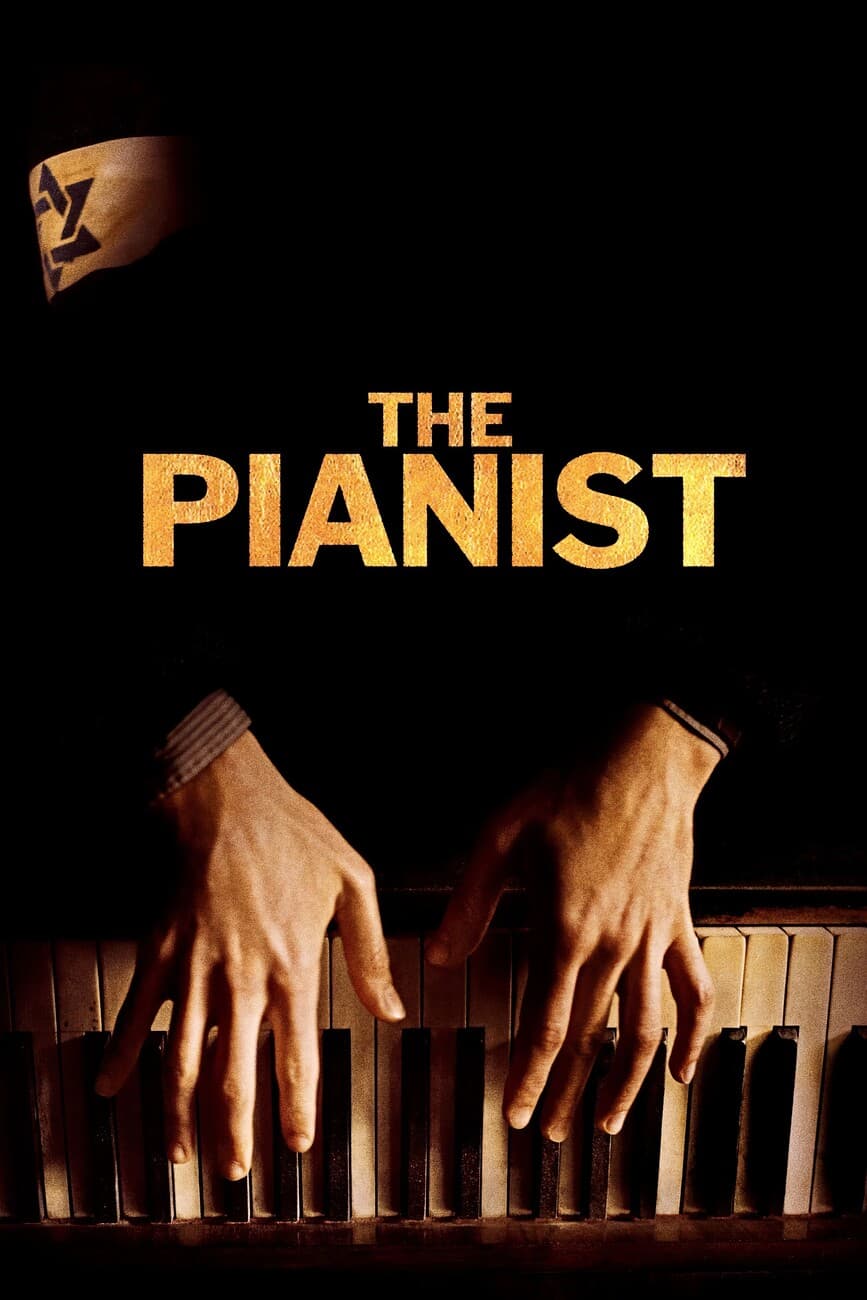
2002
The Pianist
A quiet life unmade by war — and a pianist who refuses to stop listening.
Read the retrospective
→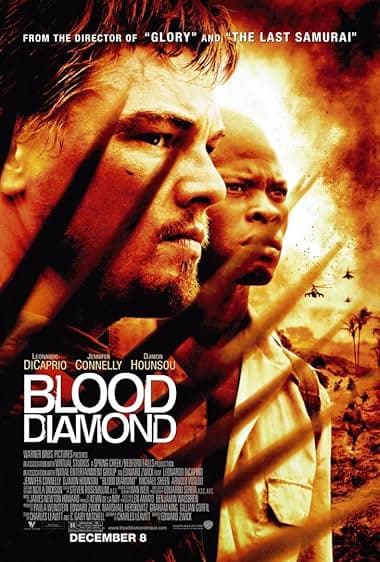
2006
Blood Diamond
A mercenary, a fisherman and a pink diamond — and a film that still asks who pays for our jewellery.
Read the retrospective
→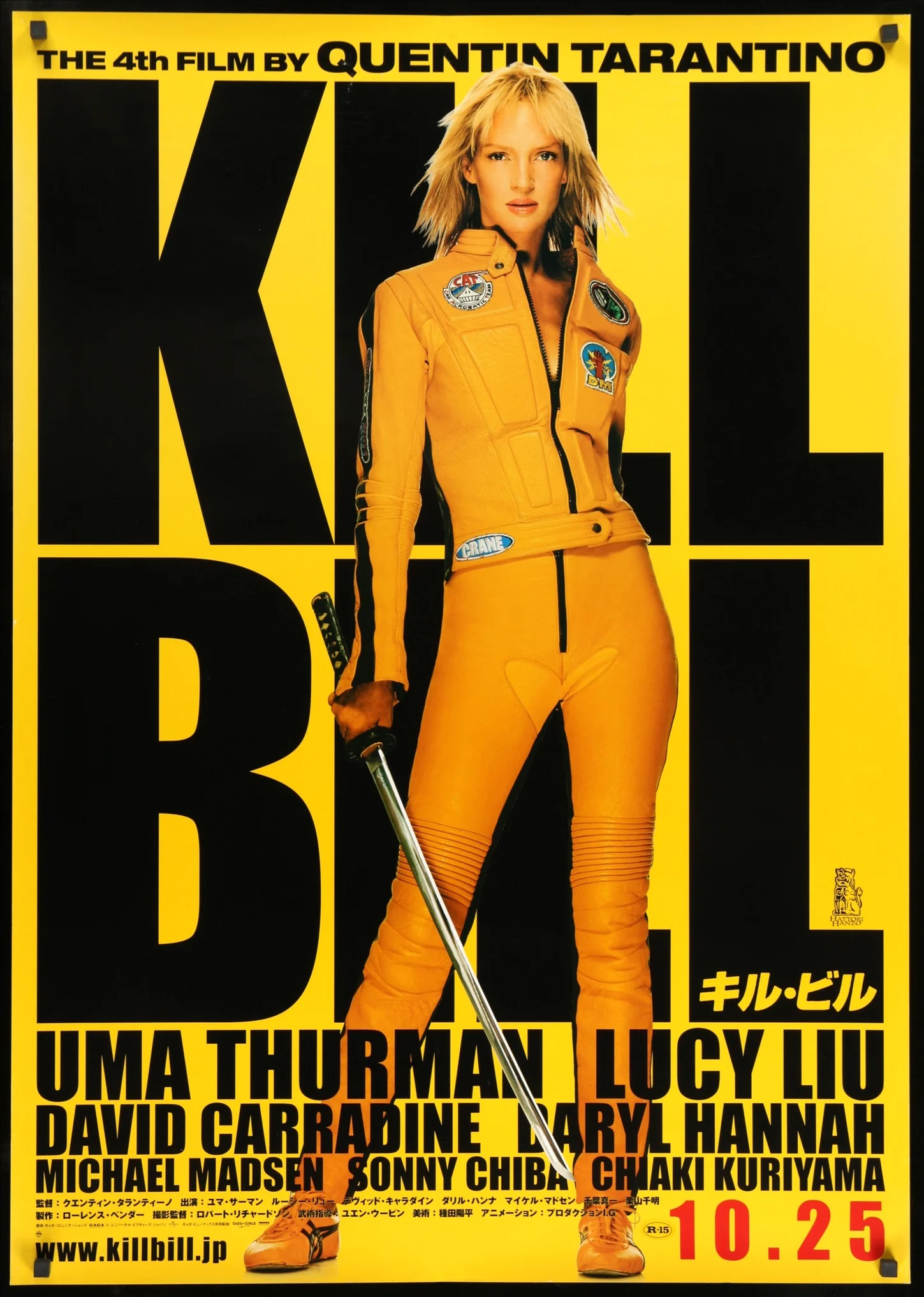
2003
Kill Bill: Volume 1
A yellow jumpsuit, a long list of enemies and one woman who refuses to be finished.
Read the retrospective
→