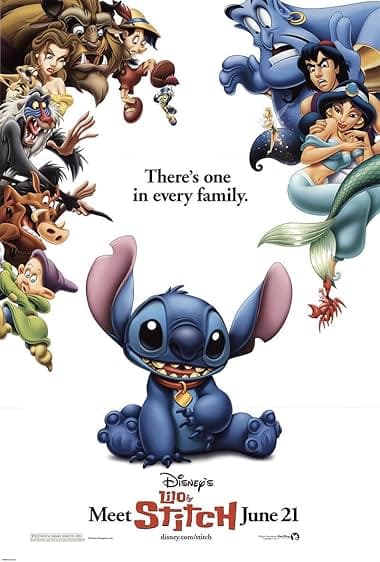
Lilo & Stitch
A tiny girl, a chaotic alien and a very awkward attempt at family — and it still makes you care.
Feature presentation
There are plenty of reasons people return to Lilo & Stitch: the daft alien, the surf-and-Elvis flavour, the surprising tenderness. But at its heart the film hangs on one clear idea — Lilo Pelekai, a lonely kid who adopts a misfit creature and, by refusing to let him go, insists that family can be chosen as well as born.
THE MOVIE
Lilo Pelekai is still the reason this movie works
Lilo & Stitch kicks off with a small, quietly stubborn human at the centre. Lilo Pelekai — played by Daveigh Chase — is a kid who adopts an escaped genetic experiment after it crashes to Earth, and she names him Stitch.
That choice sends the film in two directions at once: a science‑fiction chase involving Stitch's creator and a Galactic Federation operative, and a down‑to‑earth domestic problem about Lilo’s place in a family. The external scramble and the internal pressure bounce off one another neatly.
Underneath the comedy and the capers is a blunt, comforting idea: ʻohana, the notion that family includes the people you decide to keep. Directors Chris Sanders and Dean DeBlois keep the story tight — an 85‑minute run that never forgets it’s following a child who wants a friend.
THE SETUP
The idea that sets Lilo & Stitch in motion
The premise is straightforward and economical: an alien experiment crashes to Earth, is mistaken for a dog, and is adopted by an odd little girl. That mismatch — a destructive-engineered creature lodged inside a child’s longing for companionship — is the engine that drives the film.
On paper you get a science‑fiction chase: Stitch has escaped exile and Jumba plus Pleakley are on his trail. Those pursuit beats supply the action set pieces and comic moments.
Running alongside the chase is a very human problem: Nani, Lilo’s older sister, faces a child‑welfare investigation that threatens her legal guardianship. That domestic pressure keeps the stakes emotional and immediate.
The script stages familiar beats — escape, mistaken identity, capture attempts and a final decision by an authority — but it’s careful not to smother the personal conflict with spectacle.
THE CHARACTER
Why Lilo Pelekai matters
Lilo is not a generic cartoon child; she’s a particular, prickly presence who insists on being seen. Daveigh Chase provides the voice, and the script gives Lilo specific quirks — a love of hula and Elvis and the feel of someone who’s often left to her own devices.
Because the film is framed as a family story, Lilo’s loneliness matters more than any flashy set piece. Her decision to take in Stitch turns the film from a sci‑fi gag into a story about who counts as family.
That specificity helps the movie avoid feeling sentimental. Instead of telling us that chosen family is noble, Lilo behaves in ways that make the idea believable — she simply refuses to let a friend go.
Even the production choices — the hand‑drawn animation and the watercolor backgrounds — give her world a softer, more intimate texture, which suits a film rooted in a child’s point of view.
THE PERFORMANCE
Why Chris Sanders's performance matters
Stitch’s voice comes from an unusual place: co‑director Chris Sanders supplies the sounds, and the production leaned on that direct creative link between character design and vocalisation.
Contemporary critics picked up on how the voice work and the animation fit together — they noticed Daveigh Chase’s Lilo and the expressive animation of Stitch as central to the film’s emotional pull.
That pairing matters because Stitch isn’t a chatty foil; he’s mostly grunts and exclamations, which means the voice shapes how we read the animation rather than competing with it.
So Sanders’s contribution isn’t just a name on the credits — it’s part of how the character’s personality was built on screen.
UNDER THE SURFACE
Lilo & Stitch has more on its mind than the plot suggests
At a glance it’s a family film with a silly alien; under the surface it’s a story about belonging and identity. Stitch is literally engineered to be destructive, and the film spends its time asking whether someone designed to do harm can choose otherwise.
ʻOhana — chosen family — is threaded through every decision. Lilo’s insistence that nobody gets left behind forces other characters to reckon with who belongs and why.
Sibling responsibility is another key strand: Nani’s practical struggle to keep custody of Lilo while holding down work and fending off institutional intervention provides the emotional friction the film needs.
Together these themes let the movie handle redemption and outsider status without turning into a lecture; the ideas are tested through choices and consequences, not speeches.
PRACTICAL EFFECTS
The effects work that gives Lilo & Stitch its physical personality
Lilo & Stitch’s texture comes from old‑fashioned, hands‑on art rather than CGI showmanship. The production relied heavily on hand‑painted watercolor backgrounds instead of a flatter gouache finish.
That decision wasn’t purely aesthetic; it was a stylistic choice that required background artists to work differently, and it contributes a tactile, intimate look to the film’s world.
At the same time the film didn’t reject digital tools entirely. Because of budget and style, only a few computer‑generated elements were used — chiefly for spacecraft or tidy technical bits — with the emphasis kept on 2D animation.
The result is a film that feels like a deliberate small‑scale animation piece rather than a CG spectacle.
PURE 00s
Lilo & Stitch could not belong to any other decade
Released in 2002, Lilo & Stitch belongs to a moment when Disney was quietly trying smaller, more personal hand‑drawn projects while the animation landscape was tilting towards CG.
Part of its character comes from being made away from the loudest studio oversight — a smaller, more sheltered production where a lot of experimental choices could be taken without headline scrutiny.
That context helps explain the film’s low‑key ambitions: it feels less like a corporate tentpole and more like a compact, carefully chosen story about a child and an outsider.
And because it landed where it did, the film became the seed for several follow‑ups — a direct follow‑up in 2003 that doubled as a TV pilot, later direct‑to‑video sequels and a TV series that expanded the world.
WATCHING IT NOW
What has aged — and what hasn't
A lot of the film’s staying power is visual and tonal: retrospectives point to that watercolor look and the film’s slightly idiosyncratic, character‑first storytelling as parts that still feel distinct within Disney’s catalogue.
Those textures matter because they let the emotional beats breathe. The film doesn’t need big CGI or blockbuster length to make you care about Lilo and her choices.
The themes — chosen family, belonging, the awkward responsibilities of caring for a sibling — continue to read naturally, because they’re embedded in what the characters do rather than what they say.
So while some aspects of 00s franchise culture followed on afterward, the core of the film — its style and its insistence on ʻohana — remains what people return to.
THE LEGACY
Why Lilo & Stitch still matters
Part of the film’s afterlife is simply practical: its success generated a multi‑part franchise — more films, a TV series and a television film — that kept the characters in circulation for years.
It also earned formal recognition at the time, receiving an Academy Award nomination for Best Animated Feature for the year it was released.
And with the property reappearing in a live‑action reimagining in 2025, the original continues to be the point of reference whenever people want to talk about why those characters worked in the first place.
THE VERDICT
Does Lilo & Stitch still hold up?
Yes — if you want a compact, character‑driven family film that balances a daft sci‑fi premise with genuine emotional pressure, this still does the job. The plot pairs a globe‑hopping pursuit with a very local problem: Nani fighting to keep custody while holding a life together.
The film’s central move — tying Stitch’s destructive programming to Lilo’s need for a friend — feels simple but honest, and the resolution hinges on whether a found family can be recognised, not just declared.
Critics at the time identified the pairing of voice work and animation as central to the emotional effect, and that remains true: Sanders’s vocal work for Stitch and Daveigh Chase’s Lilo are part of how the picture communicates without overexplaining.
Lilo & Stitch runs tight, trusts its characters and wears its themes lightly. If you’re deciding whether to watch it now, go for the stubborn little girl at the centre — she’s still the reason it matters.
Share this movie
Keep watching
More movies from the 00s
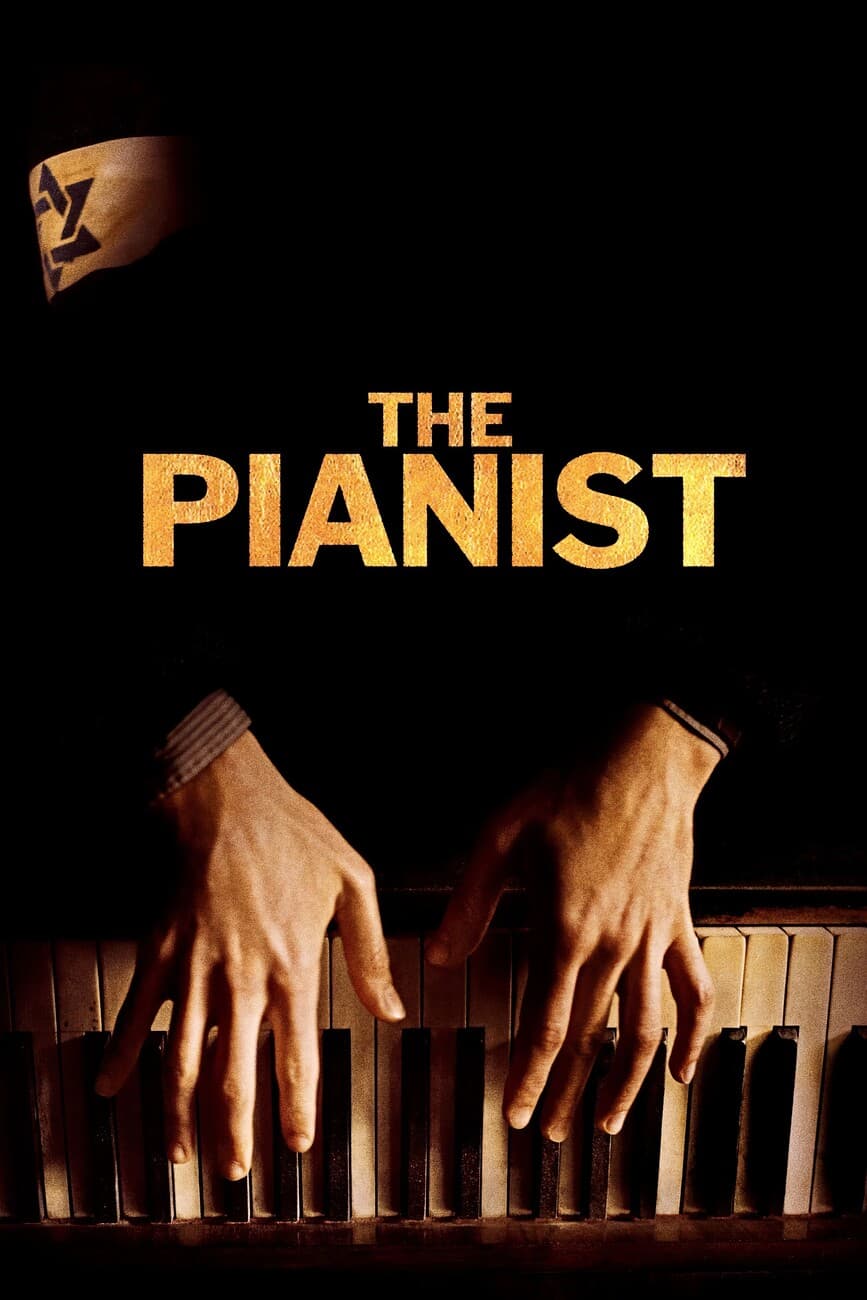
2002
The Pianist
A quiet life unmade by war — and a pianist who refuses to stop listening.
Read the retrospective
→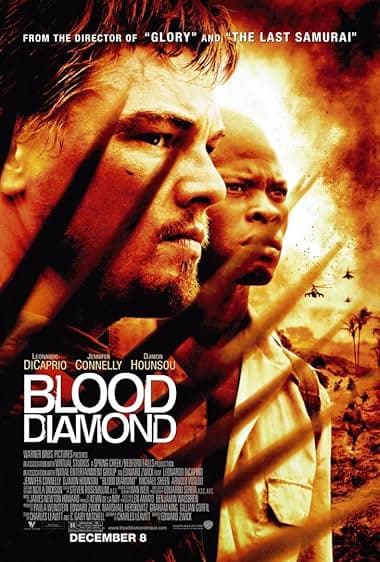
2006
Blood Diamond
A mercenary, a fisherman and a pink diamond — and a film that still asks who pays for our jewellery.
Read the retrospective
→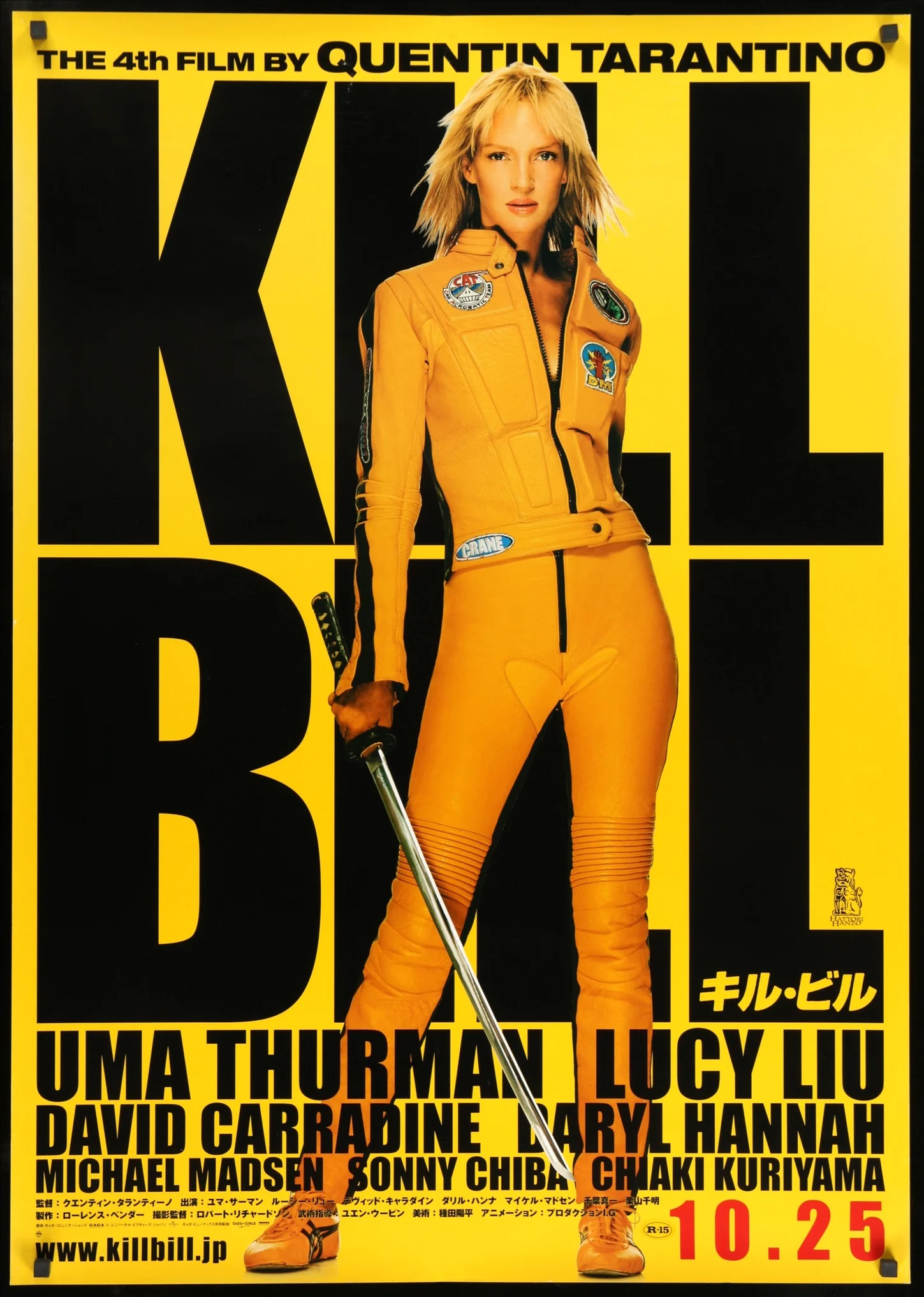
2003
Kill Bill: Volume 1
A yellow jumpsuit, a long list of enemies and one woman who refuses to be finished.
Read the retrospective
→