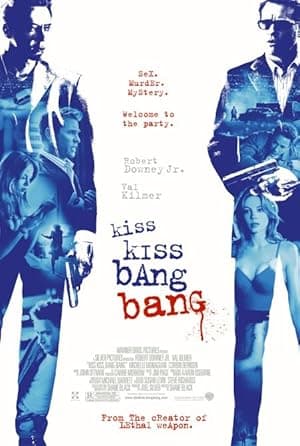
Kiss Kiss Bang Bang
A crime caper that’s part whodunnit, part self-aware love letter to noir — and utterly carried by one small‑time thief with a mouth.
Feature presentation
Kiss Kiss Bang Bang arrived like a smart-arse present on Christmas morning: loud, clever and a little too knowing for its own good. Shane Black’s debut as a director grafts hard‑boiled detective gestures onto Hollywood satire, then hands the whole mess to a guilt‑prone burglar who gets to pretend he’s someone else and perhaps, finally, be better.
THE MOVIE
Harold "Harry" Lockhart is still the reason this movie works
This film’s elevator pitch is deliciously daft: a small‑time burglar is misidentified as an actor at an audition, gets flown to Los Angeles for screen tests and, because of course he does, winds up in the middle of a real murder investigation. That mismatch — a man who has spent his life running from consequence suddenly thrust into a plot that demands honesty — is the engine.
Harry Lockhart arrives as an opportunist who carries guilt around like a spare coat. The Hollywood set‑up gives him something he’s rarely had: proximity to reinvention. It’s not just a contrivance for jokes; it’s the thing that forces him to face old failures and try, awkwardly and sometimes painfully, to change.
Shane Black directs with one eye on old detective fiction and another on modern Hollywood. Kiss Kiss Bang Bang is deliberately winked at as a neo‑noir pastiche — chapters named after Chandler and a self‑aware narrator — but it’s Harry’s human wobble that keeps the pastiche from becoming mere fan service.
THE SETUP
The idea that sets Kiss Kiss Bang Bang in motion
You don’t need a PhD in plot mechanics to enjoy the film; the set‑up does most of the work for you. A burglar pretending to be an actor is a neat, funny mismatch — and because he’s in the wrong place at the wrong time, he ends up entangled in a crime that won’t let him go.
From that premise the story gives you a compact, readable problem: linked deaths, a suspicious inheritance and a private mental institution all orbit the mystery. Harry, the private eye Perry and Harmony push and pull at this knot, trying to reveal the truth while avoiding the people who want the truth buried.
The movie constantly draws attention to the fact it’s a story. It uses first‑person, self‑conscious narration and chapters that nod to Raymond Chandler, which keeps you aware of genre rules even as it toys with them.
Crucially, some of the plot’s moving parts aren’t mechanics to be admired so much as emotional levers: Harry’s unreliable telling of events, Perry’s role as a protective mentor and Harmony’s revelations about her family supply motive and stakes — they make the mystery feel personal, not merely procedural.
THE CHARACTER
Why Harold "Harry" Lockhart matters
Harry is memorable because he’s not trying to be a mythic hero. He’s a small‑time crook who keeps tripping over his better instincts. That contradiction — someone who wants escape but is haunted by what he’s done — gives the film its emotional pull.
The movie sets Harry in relationship to others who shape him. With Perry there’s mentorship and a rough professionalism that acts like a map for how Harry could behave; with Harmony there’s an awkward, half‑formed romantic thread and the sense that both of them are guarding wounds.
Those relationships do practical work in the story: they motivate Harry, complicate choices and turn a standard mystery into an argument about whether people can actually change.
Put simply: remove Harry and you lose the story’s reason to care. He’s the lens through which the noir pastiche becomes human.
THE PERFORMANCE
Why Robert Downey Jr.'s performance matters
Contemporary reviewers focused on Robert Downey Jr.’s narration — the brash, sardonic voice that steers you through the story. That voice is the film’s tonal compass: it’s flinty, self‑aware and quick, and it keeps the movie from settling into sentimentality.
The same reviews also pointed to the chemistry between the leads, noting Val Kilmer’s comic persona as Gay Perry as a counterpoint. The back‑and‑forth between Harry’s rueful confessions and Perry’s detached professionalism is the film’s conversational motor.
So the performance matter is less about star turns and more about how that narration and interplay give the film its pace and attitude. It’s what turns noir pastiche into something you can laugh with and care about at the same time.
That balance — humour that still respects the stakes — is a big part of why the movie found an audience among critics who appreciated sharp dialogue and lead chemistry.
UNDER THE SURFACE
Kiss Kiss Bang Bang has more on its mind than the plot suggests
On the surface it’s a neo‑noir comedy built from genre riffs — Chandlerian chapter headings, a first‑person narrator and a private eye archetype. But the homage is only the wrapping; inside the film is quietly doing different things.
At its heart the story is about reinvention. Characters keep trying to start over, to manufacture clean slates in an industry that encourages reinvention and in lives that rarely allow it. That tension — wanting to be new while baggage remains — gives emotional weight to otherwise jokey scenes.
There’s also a meta strand: the film never pretends you’re not watching a constructed narrative. The unreliable narrator and the film’s self‑conscious moves invite the audience to play along — to notice the tricks and still be moved by them.
Finally, friendship and mentorship are what stop the movie from becoming merely a clever trick. Those bonds — the protection, the awkward affection, the attempts to steer one another to better choices — are what make the mystery feel meaningful.
THE FILMMAKING
How Kiss Kiss Bang Bang was put together
Shane Black’s move into directing is framed visually by Michael Barrett’s cinematography, which the team used to aim for a neo‑noir look that tip‑toes toward 1960s detective movies. It’s a deliberate aesthetic choice that reinforces the script’s pastiche without flattening it into imitation.
On the props and set dressing front, production designer Aaron Osborne commissioned pulp‑style artwork for the fictional detective novels you see in the film. That small detail keeps the world playful and self‑referential; the movie looks like the genre it’s parodying while still being its own thing.
Technically, the film’s construction is straightforward: Jim Page handled editing and John Ottman composed the score, with the soundtrack released alongside the film. Those elements serve the tone rather than call attention to themselves.
Taken together, the choices are economical: they give the picture an affectionate nod to noir while keeping the focus on characters and dialogue.
PURE 00s
Kiss Kiss Bang Bang could not belong to any other decade
The film premiered at Cannes in May 2005 and opened in limited release later that year, which is telling. It’s a mid‑2000s movie in how it blends genre playfulness with a smart‑aleck sensibility that audiences and critics were starting to reward.
Kiss Kiss Bang Bang also represented Shane Black’s return to the centre of things as a writer‑director and helped reposition Robert Downey Jr. for bigger studio consideration. That repositioning matters: the film sits at a moment when established names were being reshaped by daring, smaller projects.
It’s also part of a broader pattern from the decade: a wave of neo‑noir and postmodern detective pictures that mixed classic genre conventions with overtly self‑aware comedy. The film’s tone and appetite for pastiche place it squarely in that conversation.
Filmed in Los Angeles in 2004 and released in 2005, it feels of its time not because of aesthetics alone but because of the way it married star reboots, genre affection and a willingness to be a bit wonky with form.
THE LEGACY
Why Kiss Kiss Bang Bang still matters
The film’s Cannes screening in 2005 put a spotlight on a movie that otherwise might have been a modest genre curio. That early attention helped conversations about the film land in the right places.
On release it received positive critical attention, and it has kept appearing in later lists and retrospectives that reassess mid‑2000s genre movies. People who enjoy clever, talky mysteries tend to find it a useful example of that strain of filmmaking.
Practically, the picture mattered for careers: it marked Shane Black’s move back into directing and raised Robert Downey Jr.’s profile in ways that fed into bigger casting opportunities afterward.
So its legacy isn’t grandiose; it’s specific. It’s a film that helped reshape a director’s path and gave a leading actor the kind of credit that opened new doors — and it kept being mentioned when critics and fans looked back at that decade’s take on noir and comedy.
THE VERDICT
Does Kiss Kiss Bang Bang still hold up?
Yes — but with a small rider. If you go for quick, witty dialogue, a self‑aware twist on the detective picture and a lead who’s as much confession as comic device, this still sings. The premise — a petty thief miscast as an actor who falls into a murder investigation — gives the film permission to be both playful and worrying in equal measure.
Its storytelling flourishes — the first‑person, self‑conscious narration and Chandler‑referencing chapter headings — keep the camera wobbling between pastiche and sincerity. Those are not tricks for trickiness’ sake; they let the movie talk about storytelling while telling a story worth caring about.
The central trio’s dynamics matter: Harry’s chance at reinvention, Perry’s mentor‑detective steadiness and Harmony’s personal stakes keep the mystery grounded. Contemporary reviews highlighted the brash narration and the chemistry between the leads, which is exactly what the film asks of its audience.
So should you watch it today? If you like a neo‑noir that knows it’s a show and delights in the banter without losing sight of motives, then absolutely. It’s a compact, 102‑minute piece of mid‑2000s mischief that still makes a convincing case for giving a small‑time crook a shot at being better.
Share this movie
Keep watching
More movies from the 00s
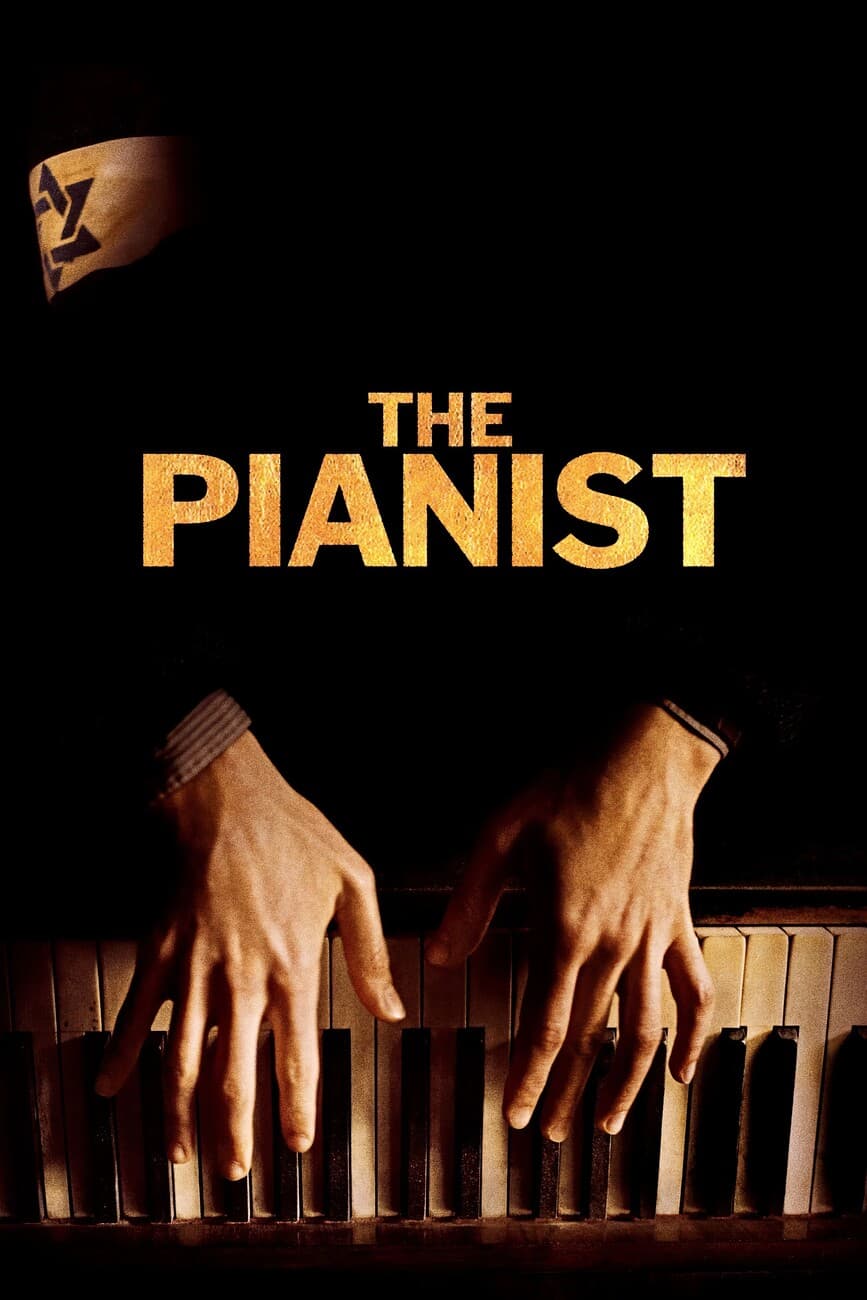
2002
The Pianist
A quiet life unmade by war — and a pianist who refuses to stop listening.
Read the retrospective
→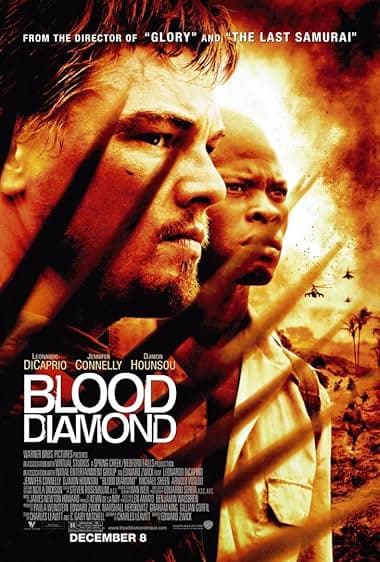
2006
Blood Diamond
A mercenary, a fisherman and a pink diamond — and a film that still asks who pays for our jewellery.
Read the retrospective
→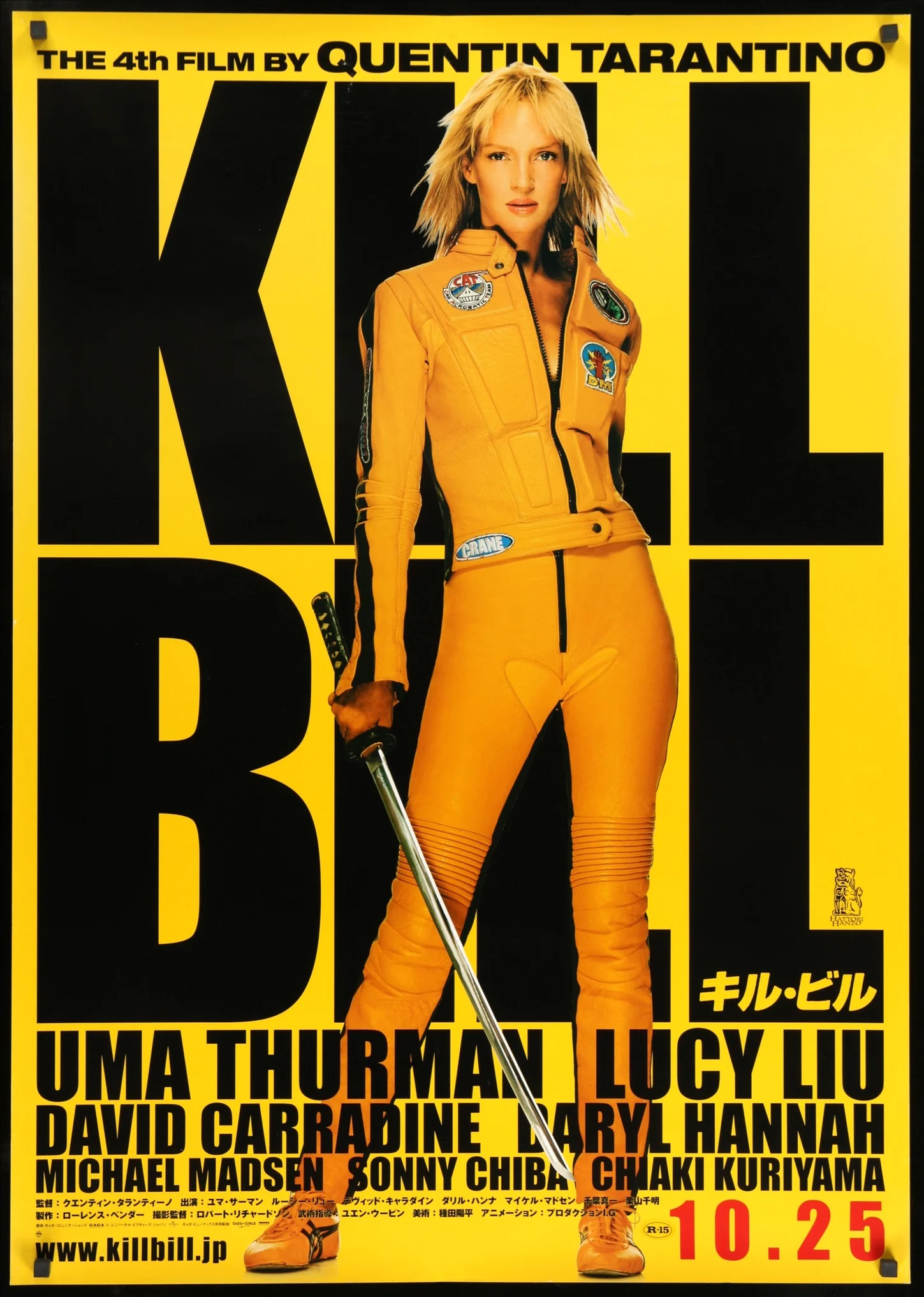
2003
Kill Bill: Volume 1
A yellow jumpsuit, a long list of enemies and one woman who refuses to be finished.
Read the retrospective
→