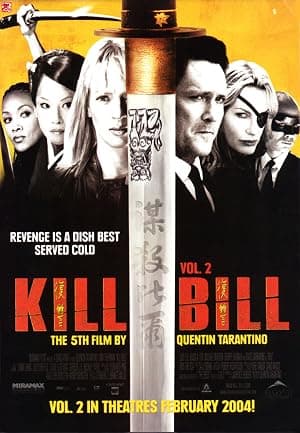
Kill Bill: Volume 2
A road of broken vows, samurai schooling and a very particular kind of motherhood.
Feature presentation
Kill Bill: Volume 2 is the quieter, stranger half of Tarantino’s two-part vendetta — the one where the movement slows down, the backstory fills in and the person at the centre stops being only a weapon. It keeps the blood and the jokes, but the movie’s real muscle is the Bride: a woman who wants answers, and a very specific kind of reckoning.
THE MOVIE
Beatrix Kiddo / the Bride is still the reason this movie works
You might remember the yellow jumpsuit and the samurai sword first, but the thing that keeps Kill Bill: Volume 2 together is Beatrix Kiddo — the Bride — and why she’s doing all of it. This film picks up her campaign of revenge after the massacre at her wedding rehearsal and spends almost as much time explaining who she is as it does showing her dispatching the people who wronged her.
Volume 2 opens with a tidy reminder of Volume 1, then deliberately pulls the camera back into long flashbacks. Those sequences — most famously her training with Pai Mei and the horror of being buried alive — don’t just show how she learned to fight; they explain her stubbornness, her skills and why she refuses to let the past rest.
Quentin Tarantino made the film, and he made it as the second half of a single, much longer project. Released in 2004, Volume 2 is gentler in tempo than its predecessor but no less interested in the same ideas: revenge, what it costs you and how motherhood changes the score.
THE SETUP
The idea that sets Kill Bill: Volume 2 in motion
The basic spark is simple: the Bride is finishing a list. She survived an attempt on her life at her own wedding rehearsal and now methodically works through former members of the Deadly Viper Assassination Squad to get to Bill, their leader.
Rather than marching forward in a straight line, the film prefers to fold time. A short recap drops you in from Volume 1, then the narrative unravels through extended flashbacks that show the training and the trauma that made her who she is.
That backstory matters because it changes what the revenge feels like. The film doesn’t treat the list as a series of action set-pieces alone; it uses those flashbacks — including the Pai Mei sequence — to show how the Bride’s skills and obsessions were formed.
Mechanically it’s a non-linear revenge movie that also introduces an outside child character to remind us of consequences. The presence of that child is the kind of detail that turns a cold vendetta into a story about what a violent life leaves behind.
THE CHARACTER
Why Beatrix Kiddo / the Bride matters
At its centre is a character who’s both avenger and, crucially, a mother. Uma Thurman plays Beatrix Kiddo, but the important thing to say about the Bride is what she’s after: not just blood, but answers and a reckoning tied to the child she lost and the life that was taken from her.
Her relationship with Bill complicates the usual revenge template. He’s not only the man who led the attack; he’s her former lover, and that history reframes the hits on her list as a personal confrontation rather than pure payback.
That mix — a trained killer with a powerful maternal grievance — is what makes her memorable. The movie asks you to hold two ideas at once: she’s dangerous, and she’s grieving. That tension is the engine of the film.
There was recognition for the role at awards time too, with Thurman earning a Golden Globe nomination, which is worth noting because it points to how the part was seen beyond just genre thrills.
THE PERFORMANCE
Why Uma Thurman's performance matters
There’s a simple piece of evidence here: Uma Thurman received a Golden Globe nomination for her work as the Bride. That kind of recognition from a major awards body underlines that this part was being judged on more than stunt work or costume.
A nomination doesn’t tell you everything — it doesn’t describe choices in a scene — but it does mark the role as one that landed beyond the action. The film asks Thurman to move between stillness and violence, and that range is what brought the part to the attention of awards voters.
Seen another way, the nomination confirms the movie’s gamble: to make a revenge saga that also hinges on personality and private history, not only public spectacle.
So, even if you came for the swordplay, the film treats its lead as someone worth listening to. The award nod is the industry’s shorthand for that ambition.
UNDER THE SURFACE
Kill Bill: Volume 2 has more on its mind than the plot suggests
On the surface it’s a revenge picture. Underneath, Tarantino keeps steering us toward questions: what does revenge do to the person who pursues it, and how does a violent past ripple into the present? Those moral consequences are part of what the film keeps returning to.
Motherhood shifts the stakes. The Bride’s assault while pregnant and the fate of her child aren’t incidental details; they change the emotional mathematics of every confrontation. Revenge here is tangled up with loss and responsibility.
The movie is also a love letter to styles it admires. Tarantino drew from samurai and spaghetti-western traditions — the film knowingly borrows their rhythms and beats — which lets it play with genre expectations while staying readable as a personal story.
Finally, there’s a quieter theme of reconciliation. The narrative’s non-linear structure and its flashbacks — including the long Pai Mei training sequence — are there to show how the past built the present, and, for the Bride, whether closure is about killing or understanding.
THE FILMMAKING
How Kill Bill: Volume 2 was put together
If you look at the credits, two names matter for how the film feels on a page: Robert Richardson shot it and Sally Menke edited it. Those are the official hands listed against what you see and how the film moves from scene to scene.
The production company credited is A Band Apart and the U.S. distributor was Miramax Films. Those production details place the film within Tarantino’s usual collaborators and the studio systems that handled its release.
Tarantino’s decision to treat the project as a two-part exercise — shooting it as a single, longer film and then releasing it in volumes — is part of the filmmaking story even if the physical craft is in those credited names. The split shaped how the second instalment could slow down and dig into backstory.
All of this is less about technique and more about intention: the people and companies attached signalled that this was a significant, deliberately framed work, not a throwaway action picture.
PURE 00s
Kill Bill: Volume 2 could not belong to any other decade
There’s a particular early-2000s logic to how Kill Bill was released. The two films were produced as one long movie and then split into two volumes for theatres — a release strategy that belongs to the period’s appetite for event cinema and home-video planning.
Miramax’s delayed release of Volume 2 from February to April 2004 — reportedly tied to marketing and DVD timing for Volume 1 — is a reminder of how studio calendars and the DVD market shaped what audiences saw and when.
Stylistically, Volume 2 leans into spaghetti-western and samurai references, which fits with an early-2000s auteur tendency to wear pastiche on the sleeve: directors were openly riffing on film history and asking viewers to recognise the pieces.
So yes, it’s of its moment — a film that used the distribution rules and cinephile appetite of the 00s to present a sprawling, referential revenge saga in bite-sized theatrical pieces.
THE LEGACY
Why Kill Bill: Volume 2 still matters
Tarantino has spoken about presenting the two volumes together in screenings and in conversation, which underlines that the films were always intended as parts of a whole. That combined identity is part of how people continue to think about them.
For Tarantino’s reputation, the Kill Bill films are a clear example of his love of genre collage: they show him mixing samurai, western and grindhouse elements and assembling them around a single, persistent character.
That mix — an unforgiving revenge plot with moments of intimacy and backstory — is what keeps Volume 2 present in retrospectives and lists of notable 21st-century films. It’s the movie people return to when talking about Tarantino’s genre play.
Put simply: Volume 2 matters because it shows a director bending film history toward a personal story, and because the Bride’s arc gives that exercise emotional ballast.
THE VERDICT
Does Kill Bill: Volume 2 still hold up?
Yes — if what you want is a revenge movie that stops to ask why. The Bride’s hunt for Bill after surviving that wedding-rehearsal massacre remains a tidy, emotionally charged through-line, and the film uses its flashbacks — including the Pai Mei training and the buried-alive episode — to make that pursuit feel earned.
Volume 2 isn’t merely a series of fights. The central conflict is personal: the Bride must reach Bill, but she also has to confront what her past has done to her and to the life she once hoped for. That mixture of vengeance and maternal motivation gives the movie a weight many action pictures avoid.
The structure helps. Non-linear sequencing and extended flashbacks let the film reveal character and consequence at a measured pace, and the inclusion of an external child character keeps the stakes human rather than purely stylistic. The surviving squad members — Budd and Elle Driver among them — present different kinds of obstacles that underline the Bride’s single-mindedness.
If you’re the sort of viewer who likes style with an argument and action with a reason, Kill Bill: Volume 2 still rewards you. It’s the quieter half of a larger project, and that room to breathe is exactly what lets the Bride stop being a symbol and become a person you follow to the end.
Share this movie
Keep watching
More movies from the 00s

2002
The Pianist
A quiet life unmade by war — and a pianist who refuses to stop listening.
Read the retrospective
→
2006
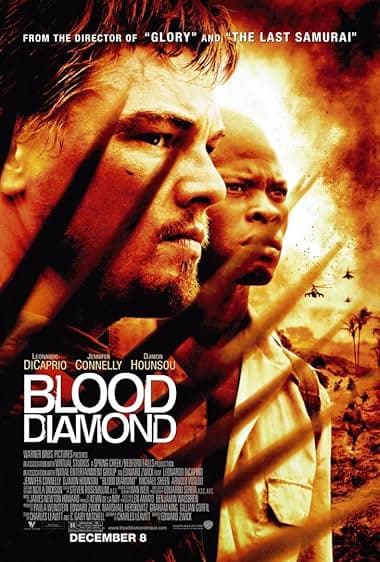
Blood Diamond
A mercenary, a fisherman and a pink diamond — and a film that still asks who pays for our jewellery.
Read the retrospective
→
2003
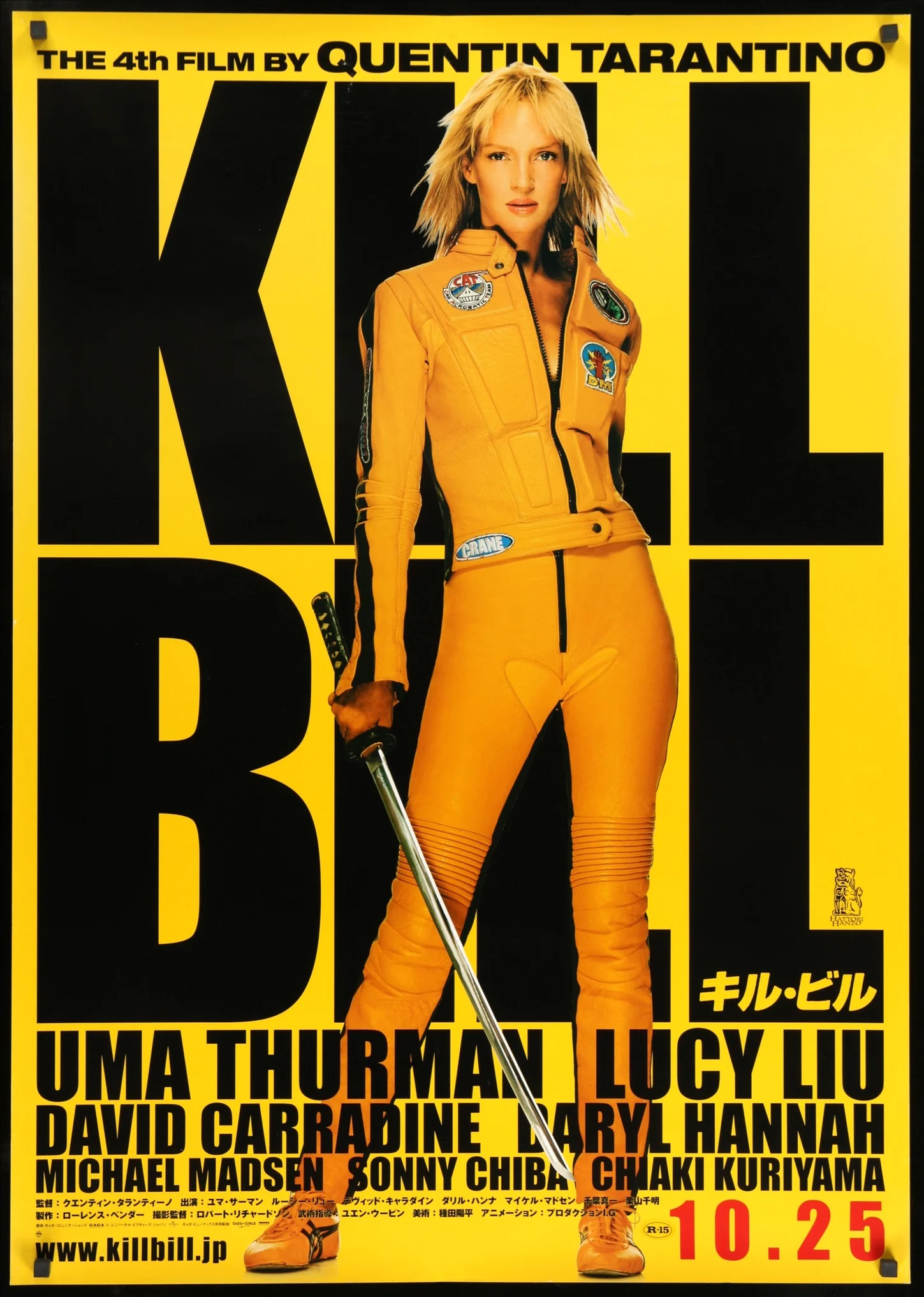
Kill Bill: Volume 1
A yellow jumpsuit, a long list of enemies and one woman who refuses to be finished.
Read the retrospective
→