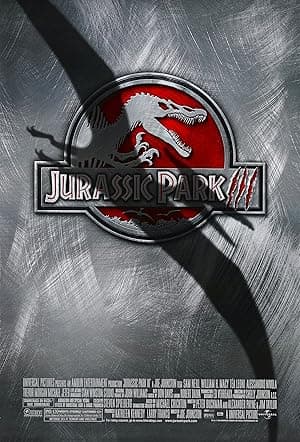
Jurassic Park III
A compact, teeth-first rescue movie that still belongs to Sam Neill's stubborn, sensible Dr. Alan Grant.
Feature presentation
Jurassic Park III doesn't pretend to be the thoughtful techno-horror of the first film. It arrives like a bright, tight adventure: Sam Neill's Dr. Alan Grant dragged back to Site B under false pretences, and everyone running for their lives. It's lean, loud and oddly affectionate about the trouble humans make when they think they can control nature.
THE MOVIE
Dr. Alan Grant is still the reason this movie works
The simplest sell for Jurassic Park III is an old-school movie-hook: Sam Neill's Dr. Alan Grant, who has very publicly vowed never to go back to the islands, gets tricked into returning. That deception—Paul and Amanda Kirby recruiting Grant under false pretences so they can search for their missing son—gives the whole picture a wooden stake through the heart of any polite plan and straightaway makes survival personal.
This is not a sprawling tonal experiment; it's a compact, set-piece-driven adventure. The film wastes no time dropping the party onto Isla Sorna and turning the dial to 'predator.' Grant is the reluctant veteran at the centre of it, the sensible counterweight to a rescue mission that was never as tidy as the Kirbys promised.
Joe Johnston directs a brisk 92-minute ride that leans into immediacy—fast decisions, repeated ambushes, and one new enormous antagonist that rearranges the rules of the island. Put simply: you watch it because a familiar face is placed in a nasty, very specific kind of trouble, and the film mostly honours that gamble.
THE SETUP
The idea that sets Jurassic Park III in motion
At its core the movie is gloriously simple: a divorced couple persuades Dr. Grant to help find their missing son by disguising the trip as an aerial tour. The trick is the engine—what begins as a personal deception becomes a survival problem the moment the plane touches down on Site B.
That survival problem is immediate and tangible. The island refuses to be treated like a petting zoo; predators are everywhere and the environment itself is unstable, so the tension is less about mystery and more about staying alive while moving from one danger to the next.
The filmmakers structure the film as a compact rescue mission: light-plane crash, jungle pursuit, raptor stalking and a handful of sharp predator-versus-human set-pieces that keep the stakes high without requiring subplots to slow things down.
A small, character-based subplot also raises the ante: Grant's young colleague Billy takes an anatomical raptor model, which later draws raptor interest and causes internal conflict. It's a tidy device that turns curiosity into trouble—one of the film's recurring engines.
THE CHARACTER
Why Dr. Alan Grant matters
Dr. Alan Grant is the movie's moral compass and practical lifeline. He's the sensible veteran paleontologist who has explicitly refused to go back to the islands, which makes his presence on Site B feel earned when duty and deception collide.
His reluctance matters because it gives the film a steady centre. The people who drag him back are fumbling and emotional; he is the person who knows what the threats actually look like and what can keep a group alive. That distinction keeps the story from dissolving into random terror.
Jurassic Park III is also playing with continuity. Grant isn't a cameo or a name-drop—he's the continuation of a character introduced in the 1993 original, and the film uses that connective tissue to shortcut exposition and build immediate audience investment.
Finally, this is the franchise in transition: the film is the first in the series not directed by Steven Spielberg and the first not directly adapted from Michael Crichton. Keeping Grant at the centre helps the movie feel like a proper chapter rather than an unrelated thrill ride.
UNDER THE SURFACE
Jurassic Park III has more on its mind than the plot suggests
On the surface it's an adventure about staying alive. Underneath, the film keeps returning to the blunt question of man versus nature: people think they can walk back into an engineered ecosystem and come away unscathed. The island disagrees.
It also carries a steady thread about the consequences of genetic engineering. The creatures on Site B are not metaphors in the abstract; they're the literal, biological outcomes of human choices. That makes each ambush feel like a scientific bill arriving with a heavy surcharge.
Parental desperation is another through-line. The Kirbys’ entire trip is driven by a frantic need to recover their son, which gives the rescue structure an emotional urgency that differentiates these gambits from a simple sightseeing disaster.
Connected to all of this is human hubris and its unintended results. The film stages a sequence of choices—deception, curiosity, and overreach—that cascade into immediate, sometimes brutal consequence. It's an old cautionary tale, told in short, sharp bursts.
THE FILMMAKING
How Jurassic Park III was put together
The movie's crew gives it a solid technical backbone. Shelly Johnson handled cinematography while Robert Dalva edited the picture; those credits matter because the film depends on brisk visual storytelling and editing that keeps the momentum tight.
Production design was led by Ed Verreaux, and the production partnerships—Universal Pictures and Amblin Entertainment—place the film in the same studio ecosystem as its predecessors, even as the franchise shifts creative hands.
Joe Johnston's direction steers the movie toward clarity: short runtime, focused sequences and a preference for direct cause-and-effect in every scene. The filmmaking choices make the picture feel like a compact adventure rather than a sprawling epic.
Technically, the credits read like a group tasked with delivering a fast, serviceable action-adventure: competent crew, clear chain of command, and a run-time that refuses to dawdle.
PRACTICAL EFFECTS
The effects work that gives Jurassic Park III its physical personality
One reason the film feels tactile is that Stan Winston Studio built large practical dinosaur pieces for the production. That went beyond faceplates and close-ups: a full-scale Spinosaurus leg prop was used for the airplane-crush sequence, bringing real weight to a violent moment.
Practical work progressed from small maquettes up to a large 'from-the-knees-up' puppet used in close-ups, which then combined with computer-generated full-body shots to produce the complete creature on screen. The mix meant actors could react to something physical in key moments.
Those practical pieces were deliberately integrated with ILM's digital work so the creatures could sit convincingly in live-action lighting and interact with people and sets. The result is a hybrid approach where puppetry informs the digital performance.
That physical personality keeps the movie grounded: when a character is crushed or stalked, there is often an actual object on set that generates genuine responses and a sense of bodily danger.
PURE 00s
Jurassic Park III could not belong to any other decade
Jurassic Park III arrives in 2001 at a clear moment of transition: it's the franchise's first film not directed by Spielberg and the first not directly adapted from a Michael Crichton novel. That change in leadership gives the movie a slightly different factory-floor personality.
It also shows the early-2000s standard for big-studio effects: hybrid workflows. Large animatronics and puppets were still central to creature work, but CGI was relied on for full-body movement and shots that practical pieces couldn't manage.
The film's production context—different director, retained franchise DNA, hybrid VFX—makes it feel like a bridge between two eras: the practical-heavy '90s and the increasingly digital 2000s.
In short, it's a movie of its moment: borrowing from the established franchise while adapting to new production norms and a changing creative team.
WATCHING IT NOW
What has aged — and what hasn't
One of the clearest things that still works is continuity. Bringing Dr. Alan Grant back gives the film a familiar centre: a face you already understand in danger tends to sharpen the dramatic economy, and that hasn't dated.
What marks the film as different—its status as the first entry not directed by Spielberg and not taken from Crichton—also explains why it feels distinct from its predecessors. That creative shift is part of why viewers regard it differently now than the original two films.
The movie's brevity helps it pass the years: at 92 minutes it rarely overstays its welcome, which keeps the momentum brisk even when the script skates over deeper character work.
Ultimately, the film ages as a compact, character-tethered action picture: it still tells the simple story it set out to tell, even if some expectations derived from the earlier films don't fully align with its priorities.
THE LEGACY
Why Jurassic Park III still matters
One legacy detail that stuck is the Spinosaurus. Introduced here as the primary large theropod antagonist, it has remained a distinct and divisive addition to the franchise’s roster of monsters—different enough to be memorable.
The film's mixed reception on release and its position as the middle link of the original trilogy also shaped how audiences and creators approached later sequels. That middling placement in the trilogy's hierarchy affected expectations for where the franchise could go next.
So Jurassic Park III matters not because it rewired cinema, but because it left a couple of unmistakable fingerprints: a new, loudly-present predator and a creative waypoint that forced future instalments to reassess tone and authorship.
In short, it’s remembered for being the film that tried some different things inside a familiar box—and for doing so loudly.
THE VERDICT
Does Jurassic Park III still hold up?
Yes—if you approach it on its own terms. Jurassic Park III is a tight rescue movie built around an immediate survival problem: Grant is duped into returning to Isla Sorna so a couple can look for their missing son, and the island promptly makes life very difficult for everyone involved.
Its strengths are straightforward: a compact, linear mission structure full of predator ambushes, the dramatic novelty of a new on-screen antagonist in the Spinosaurus, and the simple power of Sam Neill's returning presence as Dr. Alan Grant to give events a grounded centre.
The film is short, economical and focused on movement rather than long moral digressions. If you want a measured revisit to this corner of the franchise, it delivers: rescue beats, bad decisions with immediate consequences, and a series of set-pieces that do what they say on the tin.
So watch it for the ride, not the thesis. Jurassic Park III still works when you treat it as the lean, teeth-first chapter it was always meant to be.
Share this movie
Keep watching
More movies from the 00s
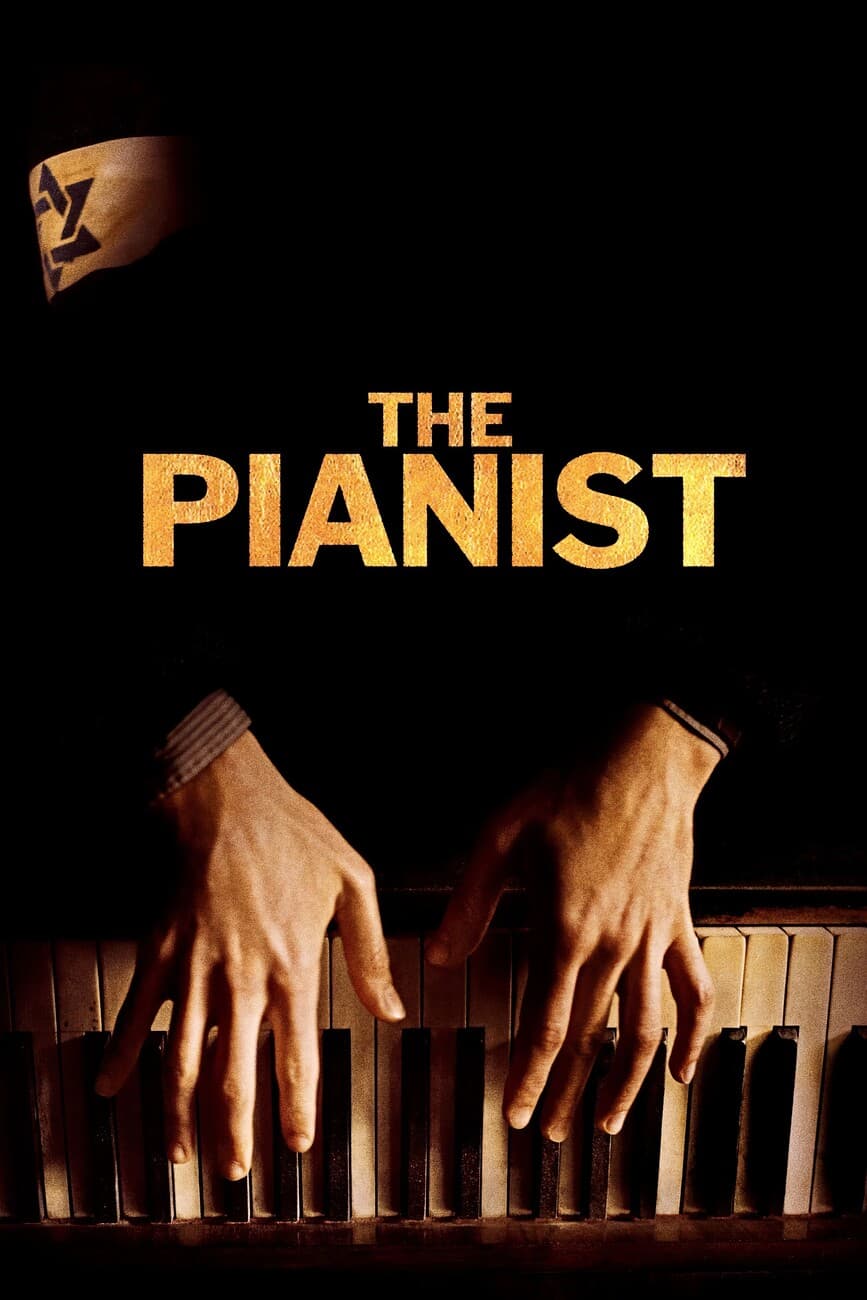
2002
The Pianist
A quiet life unmade by war — and a pianist who refuses to stop listening.
Read the retrospective
→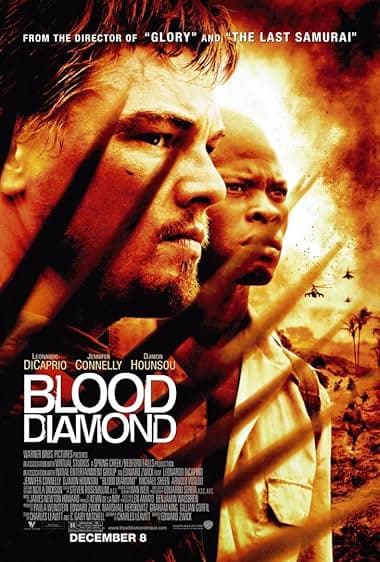
2006
Blood Diamond
A mercenary, a fisherman and a pink diamond — and a film that still asks who pays for our jewellery.
Read the retrospective
→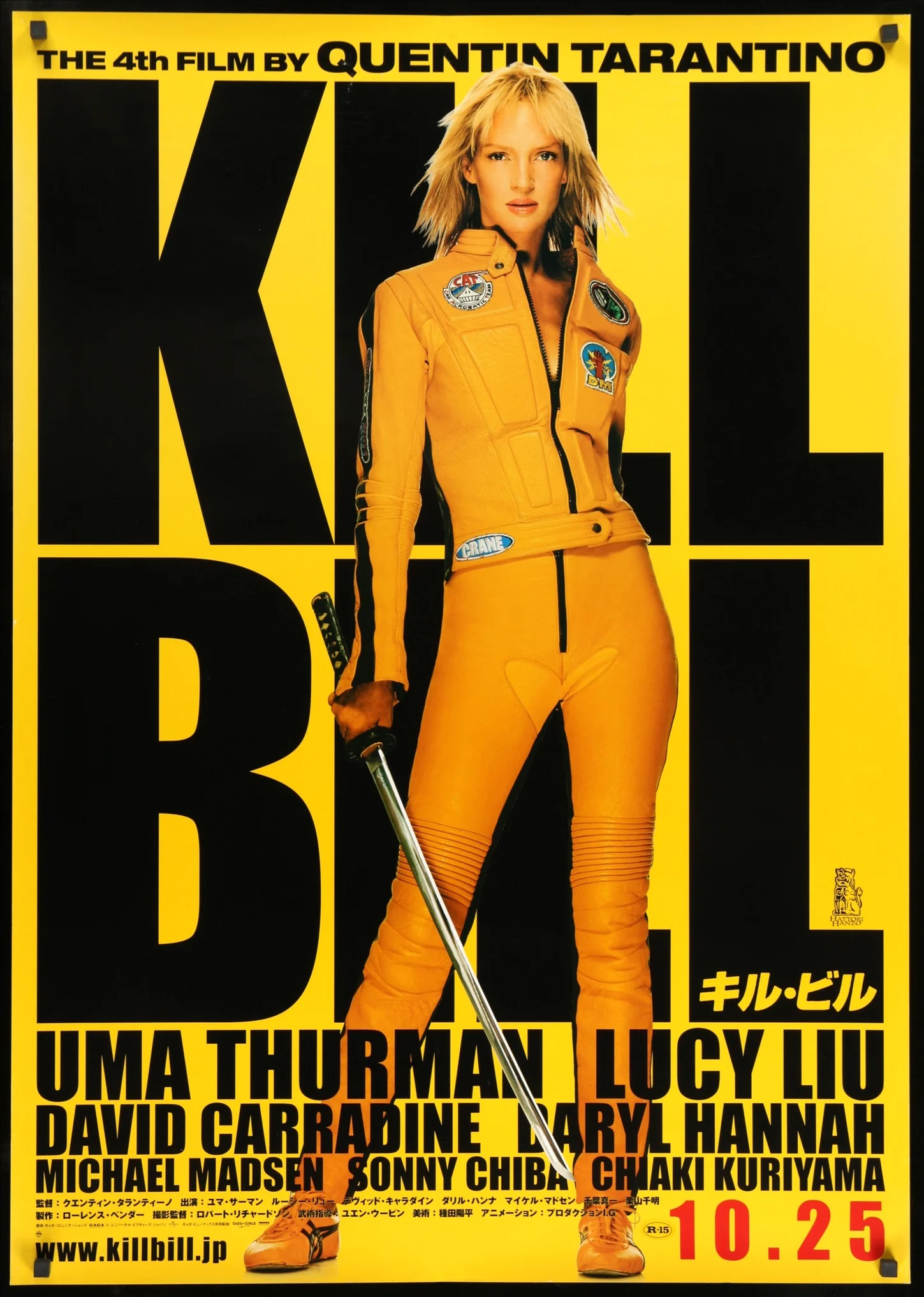
2003
Kill Bill: Volume 1
A yellow jumpsuit, a long list of enemies and one woman who refuses to be finished.
Read the retrospective
→