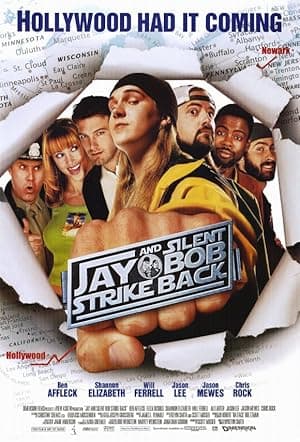
Jay and Silent Bob Strike Back
A loud-mouthed best mate, a silent straight man and a Hollywood that can't stop looking at itself.
Feature presentation
You remember Jay first: loud, horny, and in a hurry to get into trouble. Jay and Silent Bob Strike Back takes that energy and turns it into a revenge-road movie aimed squarely at Hollywood, celebrity culture and the internet's nascent habit of policing everything. It's Kevin Smith's most cameo-packed, self-referential romp — and yes, Jay is still the reason the whole thing moves.
THE MOVIE
Jay is still the reason this movie works
What keeps people talking about Jay and Silent Bob Strike Back isn't a clever satire or its parade of famous faces so much as the motor that drives it: Jay. The film kicks off when the duo learn a comic drawn from their lives, Bluntman and Chronic, is being turned into a movie that uses their likenesses while cutting them out of the profits — and the internet chatter about it adds insult to injury.
From that discovery springs a very particular kind of chaos. Jay's talkative, sexually blunt, easily excitable temperament is written as the combustible element that drags Silent Bob along into one escalating misadventure after another, and Smith frames the whole thing as a metafictional poke at Hollywood and celebrity self-mythologising.
Directed by Kevin Smith and clocking in at a brisk 104 minutes, the film is equal parts buddy-road movie, parody set-piece and industry roast — and it leans on Jay's relentless forward motion to stitch those parts together.
THE SETUP
The idea that sets Jay and Silent Bob Strike Back in motion
The engine of the story is deliciously simple: Jay and Silent Bob discover a comic based on them — Bluntman and Chronic — is being adapted into a film and they've been cut out of the profits. That's all the rope the script needs.
Out of that grievance comes the central conflict: a road trip to Hollywood with the explicit goal of sabotaging the production and reclaiming whatever dignity or cash they feel entitled to. It's revenge, in the most sitcom-friendly sense of the word.
Because the movie is a road picture, it can string together a series of outrages and parodies. We move from town to studio lot, which lets Smith stage a bunch of set-piece jabs at recognisable movie franchises and the chaos of on-set hijinks.
There are also production curiosities that remind you this is a movie about movies: an extended Scooby-Doo dream sequence with a working animatronic was reportedly shortened or cut over legal concerns, which underlines how far Smith pushed the gag-heavy premise.
THE CHARACTER
Why Jay matters
Jason Mewes's Jay is written as kinetic mischief: talkative, sexually forward and constantly wound up. Those are not neutral traits in a comedy — they're the springs and the short circuits that make scenes either land or combust.
Because Jay repeatedly behaves like a live wire, he supplies the plot with momentum. When a small band of women use Jay and Silent Bob as patsies for a robbery, it's Jay's trusting, bluster-first instincts that make the pair vulnerable and push the story toward Hollywood in the first place.
More than a comic foil, Jay is the film's combustible heart. The movie's themes — male friendship and arrested development — depend on him to remind us why these two are still stuck in the same loop and why they keep choosing each other.
Put simply: without Jay's loudness, the film loses its forward thrust. The cameos, the set pieces and the satire hang off how his behaviour compels each new mess.
UNDER THE SURFACE
Jay and Silent Bob Strike Back has more on its mind than the plot suggests
On the surface it's a stoner buddy movie and parody, but under that party face Jay and Silent Bob Strike Back is busy satirising Hollywood's appetite for itself. The picture riffs on how the industry recycles and monetises subcultures, and it does so by literally turning a comic-born street act into studio property.
It's also deeply metafictional. The film loves reminding you it's a movie about movies: characters play versions of themselves, actors double roles from earlier View Askewniverse entries, and the soundstage becomes a playground for self-reference.
Celebrity and self-mythologising are central too. The plot treats fame as a game with slanted rules — the studio can cash in on a likeness while the originators are left arguing on message boards and at diners. That mismatch fuels much of the film's anger and humour.
Finally, the story's fascination with fan culture and online criticism was oddly timely: early-2000s message boards and internet scoops get woven into the plot, showing Smith's interest in how new forms of fandom and public commentary can wound as well as praise.
THE FILMMAKING
How Jay and Silent Bob Strike Back was put together
If you want to know who visually framed this send-up, Jamie Anderson is credited as director of photography, and Kevin Smith co-edited the film with Scott Mosier. That combination keeps the movie feeling like a Smith picture even when the action moves onto studio backlots.
Smith wearing the writer-director-co-editor hat means the film's rhythm is very much his rhythm: quick, gag-led beats that favour immediate payoff over slow-burning development. It helps the movie move briskly through its many set pieces.
The editing credit also explains the film's sketch-like structure. Segments lean into a punchline and then the narrative flexes to the next parody; the cuts are designed to keep momentum rather than linger on any single gag.
So while Jay and Silent Bob Strike Back is technically a studio comedy, the named creative roles keep it anchored to Kevin Smith’s particular sense of timing and the View Askewniverse shorthand audiences expect.
PRACTICAL EFFECTS
The effects work that gives Jay and Silent Bob Strike Back its physical personality
One of the movie's more peculiar production footnotes involves a Scooby-Doo dream sequence. The team built a working animatronic for the bit, which tells you they planned to lean into tangible, physical creature work rather than rely solely on quick gags.
That sequence was reportedly shortened or cut after legal concerns, so what remains of the practical creature work in the finished film is a reminder of how far Smith was prepared to push a joke into the realm of the bizarre.
Even the existence of a finished animatronic suggests a hands-on approach to at least some of the film's set spectacles. When a comedy is built from sight-gags and parodic touches, that physicality makes a difference.
In short: the movie flirted with proper practical creature work, but legal and studio realities meant much of that ambition was kept at arm's length from the theatrical cut.
PURE 00s
Jay and Silent Bob Strike Back could not belong to any other decade
The film wears its early-2000s DNA openly: it's the fifth View Askewniverse picture and arrived at a moment when indie-minded auteurs were still being absorbed into studio distribution with varying results. Smith’s voice travels into that system while keeping his recurring characters intact.
Crucially, the plot uses the then-new presence of film message boards and internet scoops as a story element. That specific cultural moment — when online communities were becoming a force but weren't yet fully mainstream — gives the movie a timestamp you can feel in the jokes.
The heavy reliance on celebrity cameos and in-jokes also lines up with a broader Hollywood trend back then: the industry was happy to turn the camera on itself and treat celebrity as both the target and the tool of satire.
And for home viewers, the title's afterlife reflects the era's physical-media habits: a two-disc DVD in early 2002 and a Blu-ray in 2006, with reissues following as catalog ownership shifted — the way people consumed the film was as 00s as the message-board plots inside it.
WATCHING IT NOW
What has aged — and what hasn't
The friendship at the centre of the film — two guys who haven't exactly grown up — is a thread that stays readable. The arrested-development dynamic still explains why Jay and Silent Bob keep making the same mistakes and why that loop is, for better or worse, funny to watch.
Where the film is more vulnerable to age is in its reliance on cameo spectacle. Jay and Silent Bob Strike Back is the most cameo-dense entry in Smith’s Askewniverse, which means parts of it can feel like an era-specific roll call rather than jokes that stand entirely on their own.
That said, the movie's self-referential impulses and the ways it folds other View Askewniverse characters back into the narrative still reward viewers who know the universe — and those recurring links are part of why the film has stuck around for fans.
Finally, its home-media journey — the early two-disc DVD, a 2006 Blu-ray and later reissues — helped keep the film discoverable through changing ways of watching, so it hasn't simply been left on a shelf.
THE LEGACY
Why Jay and Silent Bob Strike Back still matters
Part of the film's afterlife is plainly structural: it remains the most cameo-dense Askewniverse entry, which means it gets mentioned whenever people summarise that phase of Smith's career as a particular kind of noisy, self-involved party.
That density of guest appearances gives the picture a peculiar usefulness as a barometer of where Smith and his circle were at that time — a way of measuring the askew universe's appetite for in-jokes and self-mythologising.
The decision to return to the characters years later in Jay and Silent Bob Reboot also underlines the pair's persistence in Smith's catalogue; the film didn't get folded away and forgotten, it was explicitly continued.
And for viewers, the multiple home-video releases — DVD, Blu-ray and later reissues — have kept the movie in circulation, so its reputation has been negotiated over time by rewatching and reappraisal.
THE VERDICT
Does Jay and Silent Bob Strike Back still hold up?
If you're asking whether to watch Jay and Silent Bob Strike Back now, the short answer is: if you enjoy a gag-first, cameo-saturated roast of Hollywood and value Jay's unfettered energy, it's worth a re-watch. The film's central conflict — the pair's road trip to sabotage a Bluntman and Chronic movie that used their likeness without compensating them — is a tidy premise that fuels a lot of quick, silly payoffs.
The road-movie structure suits Smith's approach: it strings together parody set pieces and on-set hijinks rather than building a slow-burn story, so viewers wanting tight plotting might feel short-changed. But those who like sketch-like comedy will appreciate how each beat lands.
Jay's behaviour — loud, horny, and impulsive — still makes the film tick. That kind of character-driven disorder is the movie’s primary asset, and the metafictional jabs at Hollywood and fan culture sharpen the humour for anyone who enjoys in-jokes and industry satire.
So yes: it holds up as a self-aware, occasionally crude time capsule of its moment. It's not trying to be subtle, and its pleasures are specific — loud mates, cameos, and a gleeful poke at the machine that turns real people into IP. If that sounds like your sort of evening, bring popcorn and a willingness to let Jay do the talking.
Share this movie
Keep watching
More movies from the 00s
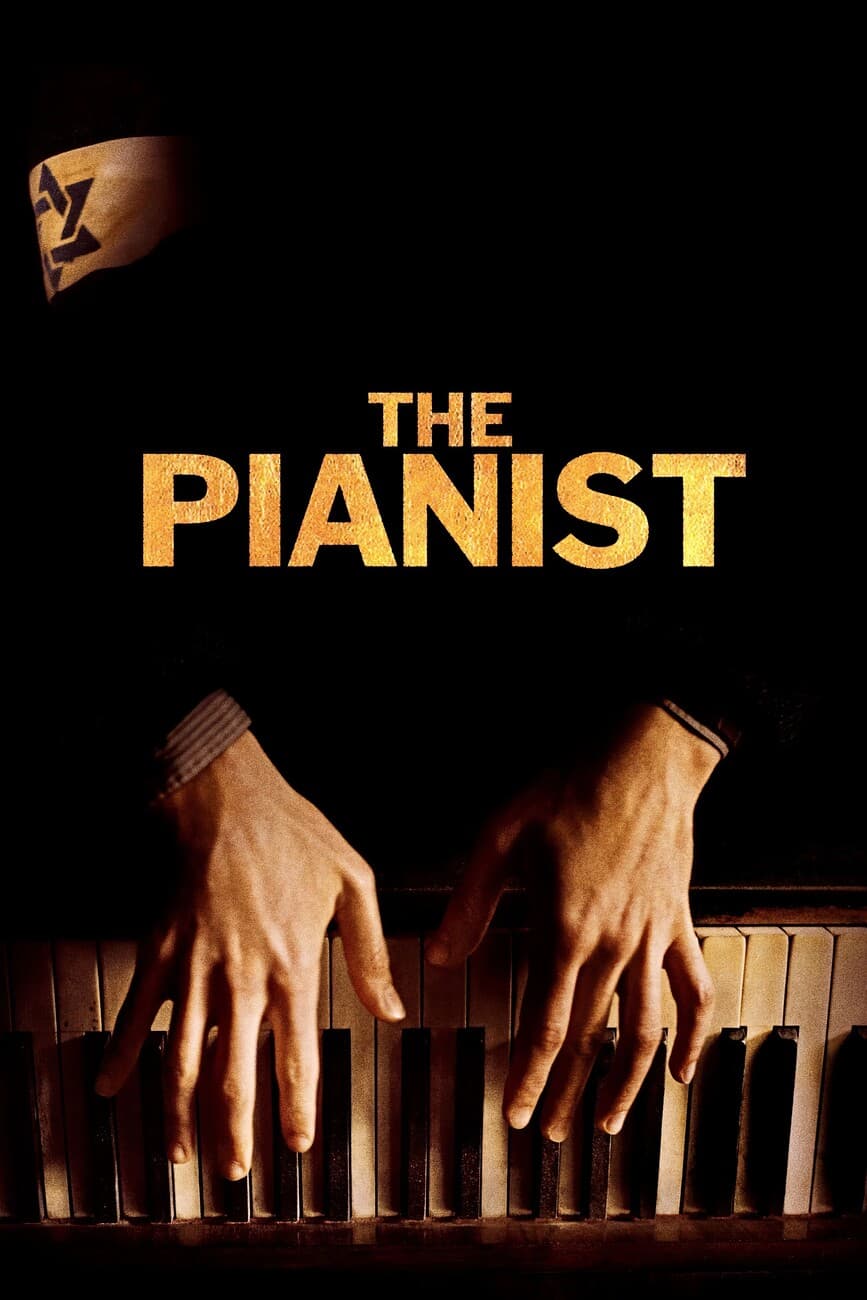
2002
The Pianist
A quiet life unmade by war — and a pianist who refuses to stop listening.
Read the retrospective
→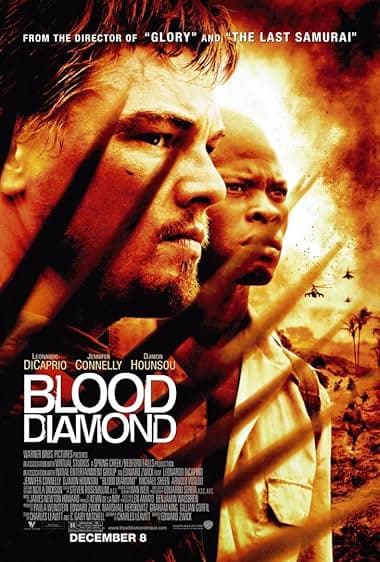
2006
Blood Diamond
A mercenary, a fisherman and a pink diamond — and a film that still asks who pays for our jewellery.
Read the retrospective
→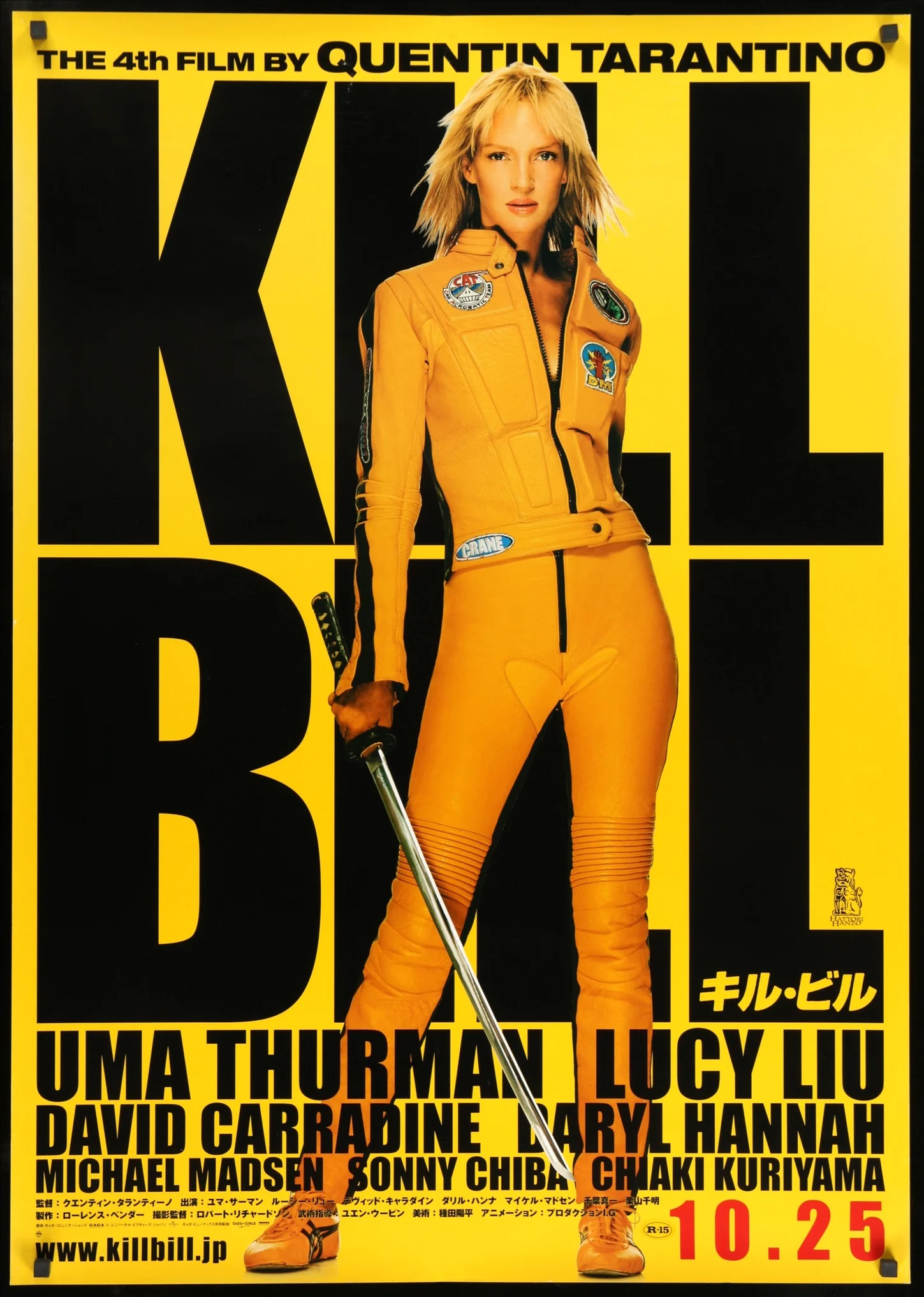
2003
Kill Bill: Volume 1
A yellow jumpsuit, a long list of enemies and one woman who refuses to be finished.
Read the retrospective
→