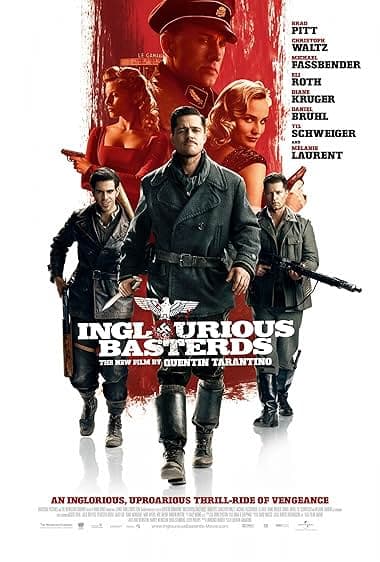
Inglourious Basterds
A bloody fairy tale about cinema, language and getting even — with Lt. Aldo Raine leading the charge.
Feature presentation
Quentin Tarantino's Inglourious Basterds isn't a conventional war film; it's a long, chaptered fable that stages revenge as spectacle. It lines up two very different plots — a guerrilla squad led by Lt. Aldo Raine and a Parisian cinema owner with her own score to settle — and then asks how language, film and brutality shape who wins the day.
THE MOVIE
Lt. Aldo Raine is still the reason this movie works
Inglourious Basterds announces itself like a story told round a fire: it literally begins with 'Once upon a time in Nazi-occupied France,' and then decides to act like a tall tale rather than a history lesson. That decision — to be fable first, wartime chronicle second — lets the film play with ideas of justice and spectacle in a way that still feels... flagrantly Tarantino.
At its centre are two revenge tracks: a squad of Jewish‑American fighters assembled by Lt. Aldo Raine, and a Parisian cinema owner, Shosanna Dreyfus, nursing a personal plan against the Nazi leadership. The tension comes from watching those opposites spring toward the same furious endpoint.
Lt. Aldo Raine (played by Brad Pitt) is the visible engine: he’s the man who puts together a team whose goal is to terrorise the enemy. That blunt, almost theatrical cruelty is exactly the tone the movie needs — it makes revenge feel like a tactic and also like a performance, which is why the film keeps working as a provocation rather than settling into easy comfort.
THE SETUP
The idea that sets Inglourious Basterds in motion
Tarantino stages the film as a set of chapters rather than a single, continuous skein of action. That structure lets him linger in rooms, stretch awkward silences and build scenes as little miniature dramas — which is the whole point: this is less about battle plans and more about confrontation.
On one side you have Lt. Aldo Raine assembling a guerrilla unit whose job is to unsettle and punish. On the other is Shosanna Dreyfus, a Parisian cinema owner carrying a private vendetta. Both strands are driven by the same emotion — revenge — but they approach it in radically different ways.
Those threads are not separate novellas; Tarantino ties them together by centring the final act on a single cinema event. The building of that event — and its eventual unspooling — is what turns small personal grudges into a public reckoning framed inside a picture house.
Because the film uses alternate‑history as a storytelling device, the beats feel deliberately constructed: the fable framing gives Tarantino licence to bend outcomes toward poetic justice rather than documentary fidelity.
THE CHARACTER
Why Lt. Aldo Raine matters
Lt. Aldo Raine matters because he is the movie’s blunt instrument and its moral counterweight at once. He’s the organiser: the man who picks people, supplies a mission and sets a tone where terror is a legitimate tactic.
That mix of practicality and performative menace is crucial. Raine’s purpose isn’t to philosophise about war; he exists to make the enemy afraid. In a film that delights in conversation and theatre, Raine supplies constant, straightforward pressure.
He also functions as a kind of audience proxy for the film’s more physical fantasies of retribution. When the narrative needs to turn principle into action, Raine is the conduit — practical, direct and relentlessly operational.
So the reason he’s memorable isn’t spectacle alone; it’s that he embodiment an ethic the movie wants to test: sometimes vengeance is organised, almost bureaucratic, and watching that machinery work is part of the film’s dark fun.
THE PERFORMANCE
Why Christoph Waltz's performance matters
Christoph Waltz’s portrayal of Col. Hans Landa was a major talking point from the very first festivals and awards seasons. The role’s reception — including top acting honours at Cannes and later an Academy Award — marked Landa out as more than a supporting interlocutor: he became a centre of gravity for the film.
Those prizes tell you something simple and useful: the character is written and staged in a way that compels attention, and the performance landed with both critics and institutions. That attention matters because Landa’s scenes often set the emotional stakes for everyone else.
You can therefore read the awards as shorthand for the role’s significance in the movie’s architecture: Landa is the predator whose presence raises the temperature of ordinary scenes into life-or-death contests of wits and language.
In short, the accolades are evidence that the film’s risk — giving a villain long, leisurely stretches of dinner-table dialogue — paid off in a way the industry recognised.
UNDER THE SURFACE
Inglourious Basterds has more on its mind than the plot suggests
On the surface Inglourious Basterds is a revenge story, but it repeatedly layers that revenge inside ideas about images and speech. The film treats revenge as both a moral act and a staged event — retribution performed so others can see it.
Language is another recurring tool: conversations in German or French are not just for authenticity, they are mechanisms of power and survival. Who can speak, when, and in what tongue frequently decides whether a scene ends in disaster or escape.
Then there’s cinema itself. Tarantino makes the picture house a place where propaganda and spectacle collide: film becomes a way of assembling viewers, focusing attention, and, crucially, shaping what people feel at the same moment. It’s revenge staged through projection.
Finally, the film’s deliberate use of revisionist, alternate history lets it convert moral pain into narrative catharsis. Because the story chooses fable over documentary, it can answer outrage with a fantasy of justice — and that choice forces the audience to decide whether satisfying fiction is ever a legitimate substitute for historical reality.
THE FILMMAKING
How Inglourious Basterds was put together
Tarantino built Inglourious Basterds with a very European backbone: major production work and locations were centred in Germany and Studio Babelsberg. That grounding gives the film a physical authenticity that underpins its fable-like flights.
The decision to anchor so much of the work on-location in Europe matters because the movie frequently depends on small, personal scenes — tense visits, whispered betrayals — and those scenes land more convincingly when the surroundings feel lived-in.
This European production base also made the multilingual ensemble feel natural rather than decorative; the choices around where and how the film was made directly support its claim to inhabit occupied France, even while the story remains intentionally revisionist.
Put simply: the way the movie was put together — rooted in Germany and working with local facilities — keeps the set pieces and the quieter scenes connected to a particular place, which helps the louder, more stylised moments sing.
PRACTICAL EFFECTS
The effects work that gives Inglourious Basterds its physical personality
The film’s physical world was shaped by specialist practical effects teams. Special make‑up and prosthetic work was overseen by Gregory Nicotero and Howard Berger, which helped the film sell the physical toll of its violence.
Beyond make‑up, the production employed practical stunt teams and doubles for key physical sequences. That on-set physicality keeps moments — punches, chases, close-quarters violence — feeling immediate and contained.
Those behind-the-scenes choices mean the film’s shocks and scars are often tactile rather than purely digital; the result is a bodily clarity to violent moments that complements the story’s theatrical ambitions.
In short: the movie’s commitment to hands-on make‑up and stunts anchors some of its more stylised set-pieces in a recognisable physical reality.
PURE 00s
Inglourious Basterds could not belong to any other decade
Arriving in 2009 at Cannes and then in cinemas that summer, Inglourious Basterds sits at a particular late‑2000s moment: Tarantino was back in the feature groove after his 2007 work, and this felt like a director reasserting a big, personal cinematic project.
It also belongs to a period when mainstream films were more willing to trust international casts and to use non‑English languages as story devices. Tarantino’s use of long stretches in French and German showed that subtitles could carry big, tensiony scenes without alienating a wide audience.
The timing matters because the film capitalised on that growing comfort with multilingual storytelling, making its language play feel fresh on a mainstream scale rather than niche or art‑house.
So while the film wears many influences, its arrival in 2009 helped it stand as a late‑00s example of mainstream filmmakers taking bigger formal and linguistic chances.
THE LEGACY
Why Inglourious Basterds still matters
Part of the film’s afterlife comes from the way it brazenly borrows and repurposes older material: the nod to Castellari’s 1978 film is explicit, and that wink at genre history helped the movie sit comfortably between homage and invention.
Another reason it remains talked about is the reception of Col. Hans Landa: Christoph Waltz’s award haul — from Cannes to the Academy — made Landa one of the most discussed screen villains of the era and signalled how a supporting part could dominate conversation.
Critically, Inglourious Basterds also marked the start of a visibly revisionist phase in Tarantino’s work and provided a high-profile example of a mainstream, international cast carrying subtitle-heavy storytelling — a notable mainstream shift at the time.
Taken together, those elements explain why the film continues to come up in conversations: it’s remembered for its formal gambits, its central performances and its willingness to rework history as a kind of cinematic revenge fantasy.
THE VERDICT
Does Inglourious Basterds still hold up?
Yes — but with a clear rider. Inglourious Basterds succeeds when you accept its terms: it’s a multi-chapter, alternate‑history fable that asks you to enjoy cinematic justice more than historical accuracy. If you’re willing to ride that switch from history to tale, the film’s pleasures remain immediate.
The film’s two revenge arcs — Aldo Raine’s guerrilla squad and Shosanna Dreyfus’s private plan — still offer a satisfying contrast between organised intimidation and theatrical retaliation. The way these strands are drawn together around a single cinema event is audacious, and that audacity is the movie’s point.
Tarantino’s choice to arrange the picture into discrete chapters and to linger in long, high-tension scenes is not for viewers wanting nonstop action. It rewards patience: the film builds small, verbal confrontations into explosive outcomes, and the early Landa visit to the Dreyfus farmhouse remains one of the story’s clearest pivots.
So should you watch it now? If you like films that play with language, power and cinematic spectacle — and if you’re curious to see a revenge story staged as a fable — then absolutely. Inglourious Basterds still smartly mixes the theatrical and the brutal; it’s a movie that wants you to feel its justice as much as you understand it.
Share this movie
Keep watching
More movies from the 00s
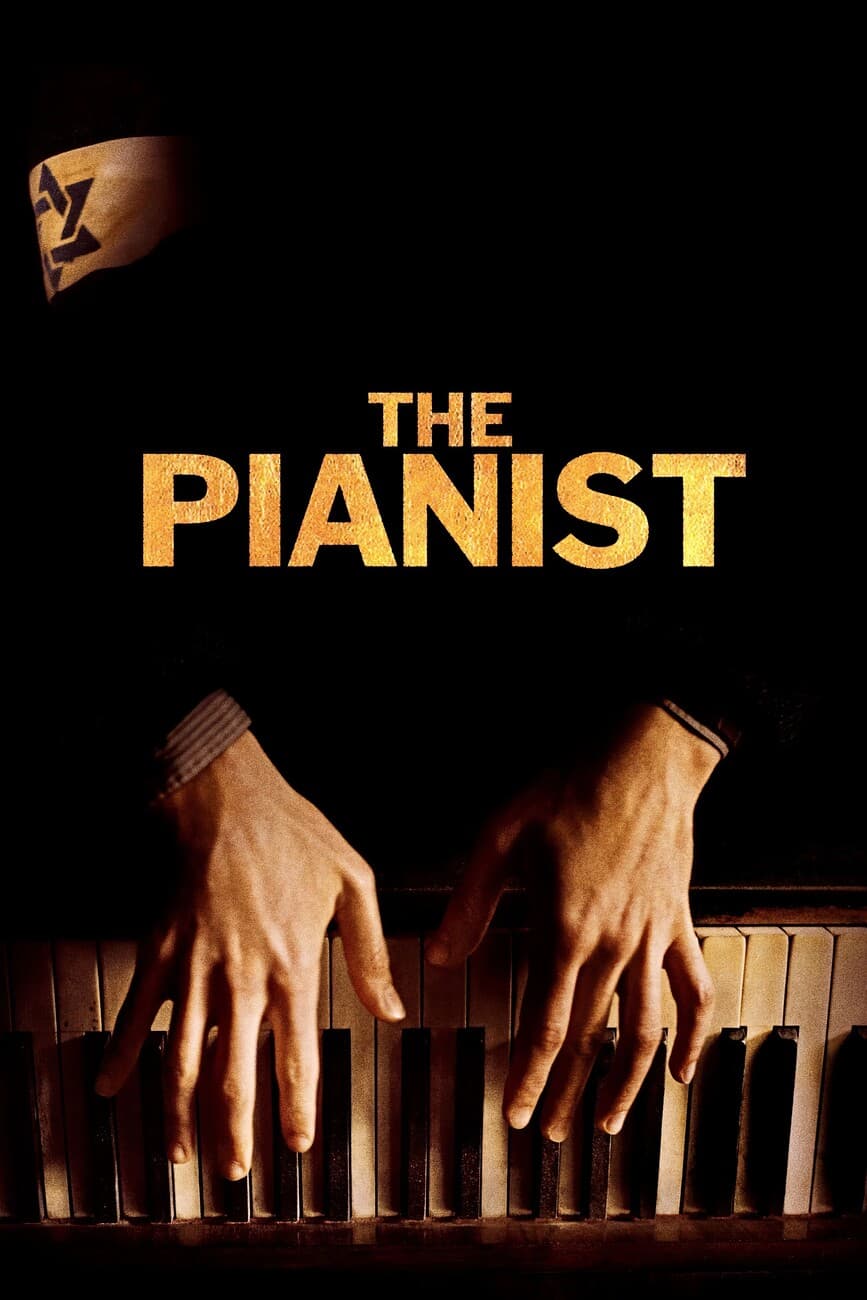
2002
The Pianist
A quiet life unmade by war — and a pianist who refuses to stop listening.
Read the retrospective
→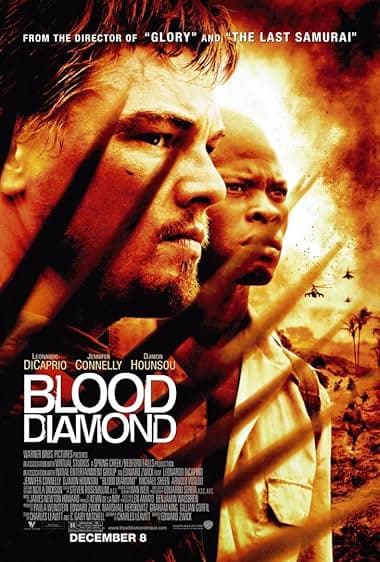
2006
Blood Diamond
A mercenary, a fisherman and a pink diamond — and a film that still asks who pays for our jewellery.
Read the retrospective
→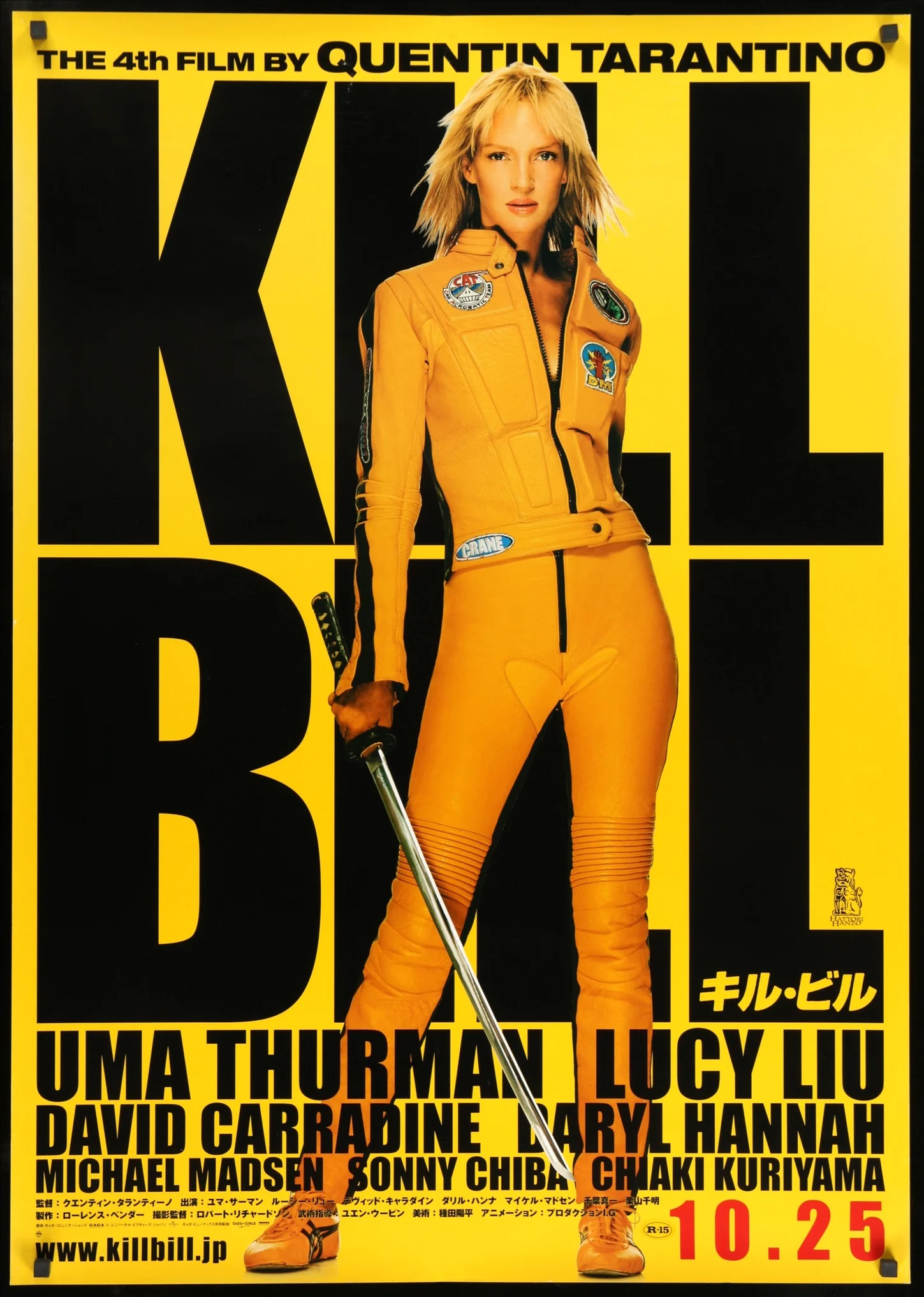
2003
Kill Bill: Volume 1
A yellow jumpsuit, a long list of enemies and one woman who refuses to be finished.
Read the retrospective
→