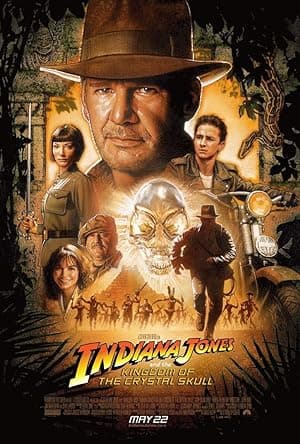
Indiana Jones and the Kingdom of the Crystal Skull
An ageing hero, Soviets, a spooky skull and 1950s sci‑fi swagger — Indiana Jones back in the Atomic Age.
Feature presentation
People still argue about the fourth Indiana Jones film because it asks an odd, specific question: what happens when a serial‑era adventurer walks into Cold War paranoia and ancient‑astronaut ideas? Spielberg returns Indy as an older professor, and that collision — not just the skull — is what keeps the film worth revisiting.
THE MOVIE
Indiana Jones is still the reason this movie works
The first thing to say is straightforward: this is an Indiana Jones picture, with Spielberg steering the ship. It opens by dropping Indy into a Cold War incident — he’s captured by Soviet agents — and from that early beat the movie makes its tone clear: it wants the old serial thrills but it’s thinking in 1957.
That shift in time matters. The film relocates the franchise from 1930s pulps to an Atomic‑Age landscape where Roswell rumours and Soviet paranoia sit beside Amazonian legends. It's a recipe that lets Spielberg mix adventure serial set pieces with the slightly bonkers flavour of 1950s sci‑fi.
And at the centre of it all is an older Indiana Jones: a wartime veteran turned college professor whose past losses and questions about who he’ll leave his story to are threaded through the action. People keep talking about this one because it tries to be both a return and a reckoning — and because Spielberg chose to put those two ideas in the same scene.
THE SETUP
The idea that sets Indiana Jones and the Kingdom of the Crystal Skull in motion
If you want the mechanics in one sentence: it's a MacGuffin race. Indy and his allies are chasing a mysterious crystal skull while Soviet forces, led by Irina Spalko, try to get it first because of its supposed psychic or otherworldly abilities.
From there the movie runs through a familiar Indiana Jones toolkit — chain‑reaction chase sequences, set‑piece action and riddle beats — but traded into new settings: a college free‑for‑all, a desert sequence tied to a nuclear test, and then a jungle expedition that follows clues to South America.
That structure works because it keeps the film moving; each set piece hands Indy a fresh problem to solve and a new direction to travel. The skull is never more than a reason to put characters into motion, which is precisely the point of such franchise adventures.
And alongside the chases the story drops in personal stakes: Indy reconnects with Marion Ravenwood and is given a younger companion in Mutt Williams — someone who forces the film to ask about family and what Indy might pass on.
THE CHARACTER
Why Indiana Jones matters
This movie treats Indiana Jones as more than an action puppet; he’s a man with history. He’s back at work as a professor — older, evidently carrying wartime scars and reputational weight — and that version of Indy shapes nearly every decision he makes on screen.
That age and experience give the familiar beat‑calling a different inflection. When the plot asks him to run, puzzle, bluff or sacrifice, the answers come from someone who has already lived through stakes like these before. It’s the franchise hero asking a quieter question: what do you do when your greatest adventures are now your past?
Also: the film foregrounds family. Indy’s reconnection with Marion and his entanglement with a younger companion position him as a figure whose story isn’t just about treasure hunting anymore — it’s about what he leaves behind.
Put simply, the movie works when Indy’s past and future collide with the plot. The skull might kick off the chase, but it’s Indy’s history that gives the chase any real gravity.
UNDER THE SURFACE
Indiana Jones and the Kingdom of the Crystal Skull has more on its mind than the plot suggests
On the surface it’s a treasure hunt, but the movie keeps pulling attention to time: the era, the hero’s age, and the passing of stories from one generation to the next. ‘Aging and legacy’ isn’t a background note — it’s threaded into who Indy is and what the plot demands of him.
The setting lets the film wear a second coat of ideas: 1950s Cold War paranoia gives the chase an edge. The antagonists are Soviet agents, and the plot places Roswell rumours and atomic anxieties beside mythic Amazonian clues, so the film constantly asks whether the unknown is scientific, political or mystical.
That tension — science versus myth — is the film’s deliciously weird centre. It borrows the look and mood of 1950s B‑movies, and in doing so invites the audience to enjoy a collision between rational Cold War fear and outright ancient‑astronaut silliness.
Finally, nostalgia and serial homage are on show. The movie wears its affection for the original adventures openly, but it’s not just nostalgia for nostalgia’s sake; the homage reframes those old thrills against these new questions about what Indiana Jones will mean when he’s no longer the fresh‑faced hero.
PRACTICAL EFFECTS
The effects work that gives Indiana Jones and the Kingdom of the Crystal Skull its physical personality
The production deliberately mixed hands‑on stunt work and location practical effects with Industrial Light & Magic’s digital compositing rather than leaning entirely on CGI. That choice was meant to echo the tactile feel of the earlier films while accepting modern visual effects where they were needed.
In other words, the movie keeps a physical personality. Practical stunts and on‑set effects provide the connective tissue in action sequences, while ILM supplied the big compositing and visual work that would have been impossible — or unsafe — to do completely in camera.
Colour grading and digital intermediate work were also performed by established post facilities, which helped the film find a consistent photographic look once the practical and digital elements were combined.
So the movie’s feel comes from an explicit blend: old‑school stunts and the new tools of ILM, used together rather than in opposition.
PURE 00s
Indiana Jones and the Kingdom of the Crystal Skull could not belong to any other decade
Coming out in 2008, the film arrived as a conscious revival of an older blockbuster franchise. It’s not a cheap nostalgia exercise; it’s the original creative team — Spielberg directing, Lucas producing, Williams composing — reassembling to reintroduce a familiar hero to a new mainstream audience.
That timing matters because the 2000s were a decade of revivals and reworkings: older properties were being dusted off and repackaged for contemporary multiplexes. This movie is very much part of that movement — a big studio attempting to bridge generations.
The Cannes premiere and the fanfare around the release made the point explicit: this was meant to be a major return to form, a way to put Indiana Jones back in the public eye while acknowledging that the public had moved on and the hero had aged.
Put simply, the film reads as a 2000s blockbuster in both ambition and method: a careful reassembly of franchise DNA for a modern crowd.
THE LEGACY
Why Indiana Jones and the Kingdom of the Crystal Skull still matters
Part of the film’s afterlife comes from its place in the franchise: it’s the fourth theatrical Indiana Jones film and reunited the series’ key collaborators, which alone makes it a necessary stop for franchise completists.
The movie’s technical work was also recognised by industry groups in the 2008–2009 awards season with nominations in visual‑effects categories, which underlines that the production’s craft was noticed even when opinions about the story diverged.
Finally, its status as the bridge between the classic trilogy and later entries means it gets talked about whenever the series is discussed — not always fondly, but always as the chapter that tried to steer Indy into mid‑century anxieties.
In short: Crystal Skull matters because it’s both a reunion and a rerouting. It kept the franchise alive in the 21st century and forced a conversation about what an older Indiana Jones should look like.
THE VERDICT
Does Indiana Jones and the Kingdom of the Crystal Skull still hold up?
Short answer: yes — with caveats. If you come for a Spielberg‑directed ride that shifts the action into 1957 Cold War territory and stages a MacGuffin race against Soviet antagonists, the film delivers exactly that: chases, set pieces (college scrambles, a desert/nuclear‑test sequence, a jungle expedition) and serial beats that keep momentum moving.
The movie works best when it remembers what made the originals fun: repository clues, cliffhanger energy and a hero who still has courage and resourcefulness despite his years. That blend — old conventions placed in a new era — is what gives the film its liveliness.
Where it’s trickier is when the script asks the audience to accept too many tonal collisions at once. The central conflict over the crystal skull deliberately mixes science‑fiction ideas with mythic archaeology, and that gamble lands for some viewers and not for others. Still, critics like Roger Ebert noted that the film will please many fans by feeling recognisably Indiana Jones.
So should you watch it today? If you want an action‑adventure that explicitly treats Indy as a man carrying his past and questioning his legacy, then yes. It’s imperfect, occasionally odd, but it’s also a bold attempt to let a serial‑era hero bump up against atomic anxieties — and that specific collision is worth seeing.
Share this movie
Keep watching
More movies from the 00s
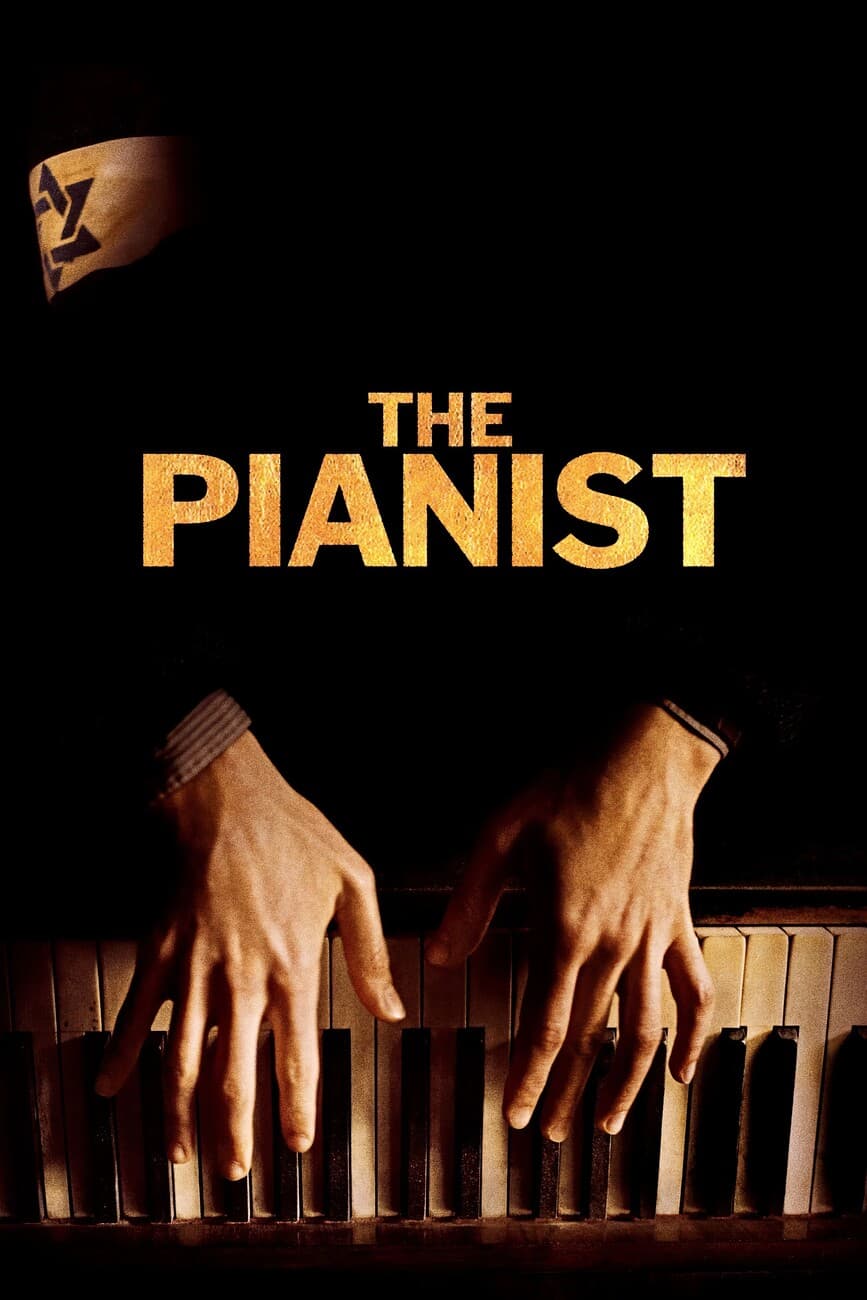
2002
The Pianist
A quiet life unmade by war — and a pianist who refuses to stop listening.
Read the retrospective
→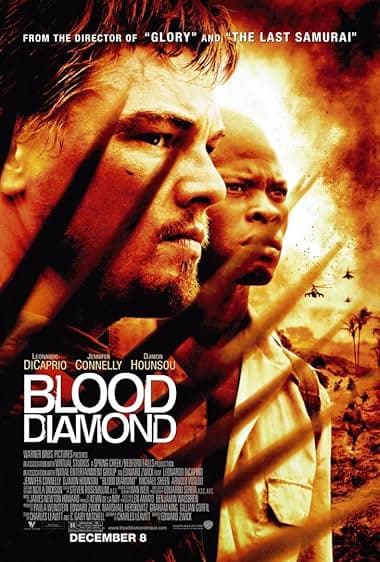
2006
Blood Diamond
A mercenary, a fisherman and a pink diamond — and a film that still asks who pays for our jewellery.
Read the retrospective
→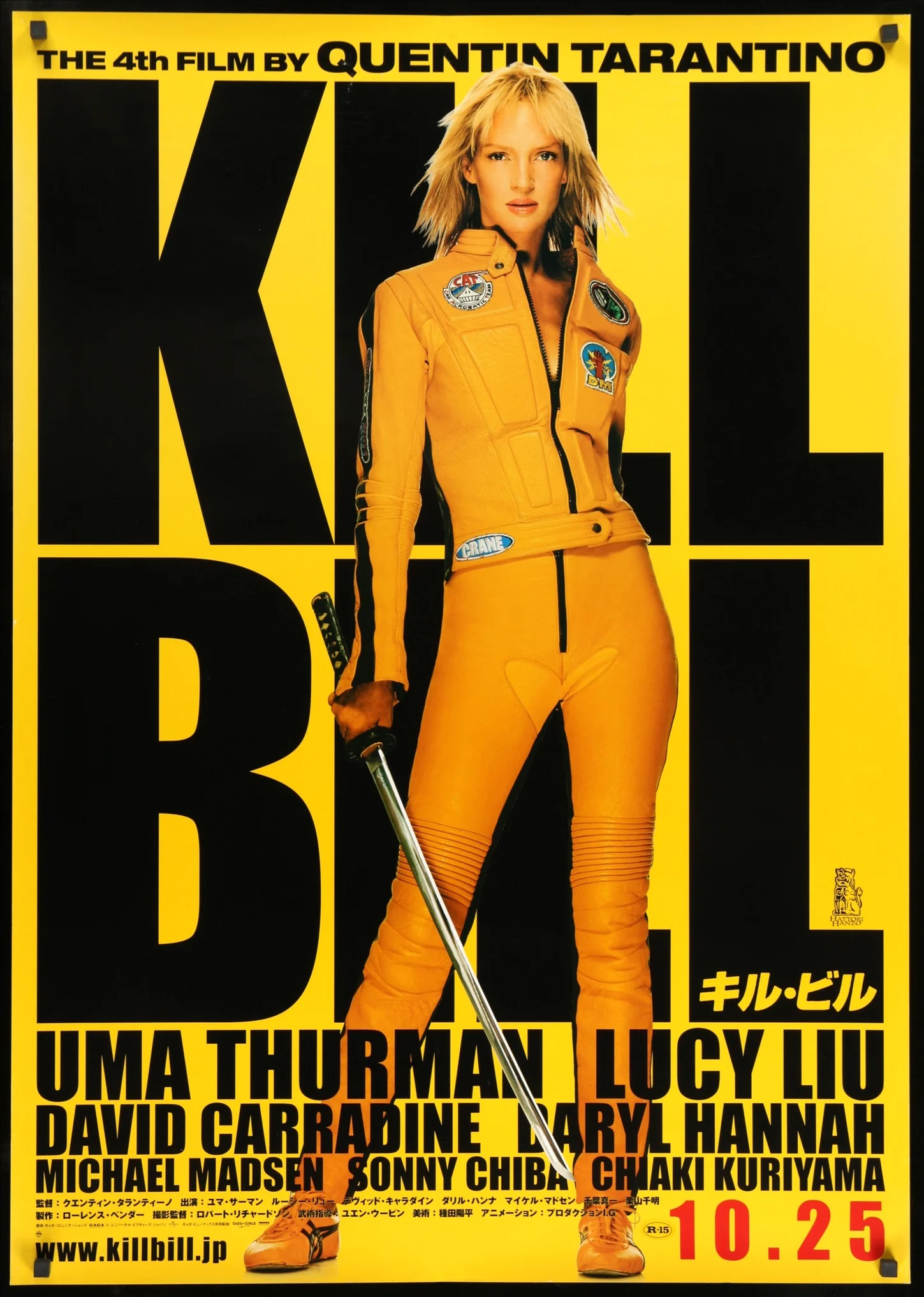
2003
Kill Bill: Volume 1
A yellow jumpsuit, a long list of enemies and one woman who refuses to be finished.
Read the retrospective
→