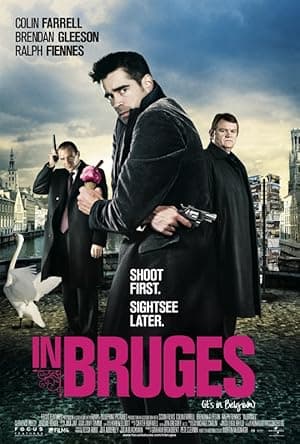
Feature presentation
In Bruges still hits because it’s small and sharp where it needs to be: a buddy picture about two killers forced to live with their choices in a fairy-tale town that refuses to be just a backdrop. Martin McDonagh’s first feature made a habit of mixing filthy jokes with very serious questions — and Ray, the younger man with nowhere to hide from himself, is why you care about both.
THE MOVIE
Ray is still the reason this movie works
In Bruges begins with a simple but combustible setup: two hit men sent to lay low in the medieval city of Bruges after a London job goes wrong. It’s classic ‘fish out of water’ on paper, and the film gets mileage because the ‘fish’ include a younger man who cannot stop looking at the water and at what he’s done.
That botched job — the accidental death of a seven‑year‑old outside a confessional — isn’t background noise. It is the event that haunts Ray, the engine of his panic and the reason he lashes out, sulks, obsesses and tries to leave. The guilt is not decorative; it runs the film.
Martin McDonagh directs the piece with the confidence of someone moving from shorts and theatre into a fuller canvas, and he keeps the story tight at 107 minutes. Put simply: you’re in Bruges with Ray and Ken, and Ray’s trouble makes everything that follows feel urgent rather than clever.
THE SETUP
The idea that sets In Bruges in motion
The movie places its two leads in Bruges to wait for instructions from their off‑screen boss. That wait is the premise: hiding in plain sight forces conversation, small incidents and the slow unspooling of character. Ken finds the city’s history and art beguiling; Ray sees it as an ugly trap.
The contrast between Ken’s enchantment and Ray’s disgust is not just comic; it’s the film’s dramatic motor. Those opposing reactions turn a quiet holiday into a moral testing ground — small local oddities and encounters take on the weight of judgment.
McDonagh’s screenplay mixes dark comedy set pieces — the bizarre theatre world of a dwarf actor, an awkward art‑film production — with a creeping sense that consequences will arrive. The city’s landmarks keep recurring, not as postcards but as places where decisions are enforced and revealed.
And then, as promised, the boss stops phoning. When Harry arrives in person the stakes go from hypothetical to immediate: orders come through that force Ken and Ray into a life‑or‑death moral dilemma.
THE CHARACTER
Why Ray matters
Ray is not merely the film’s viewpoint; he’s its dilemma rendered as a person. He’s a young hit man who cannot live with what happened in London, and that inability makes him volatile — one moment petulant, the next ashamed, always restless.
That restlessness is what stops In Bruges from being a moral thought experiment. Ray wants out, because leaving feels like not living inside the thing he did. His attempts to escape — emotionally and physically — create friction with Ken and with the town itself.
Ken’s calm appreciation of Bruges acts as a foil: where Ken sees refuge and beauty, Ray sees accusation. The friendship between them matters because it’s not cosy; it’s loyalty tested by guilt and by orders from a boss neither can fully ignore.
The film also smartly uses secondary characters — from the local hotel owner to a dwarf actor and other figures — to throw Ray off balance. They’re not there just for colour; they force him into choices that reveal who he is when he’s pushed.
THE PERFORMANCE
Why Colin Farrell's performance matters
The clearest piece of evidence about how Farrell’s turn landed at the time is the awards response: he won the Golden Globe for Best Actor in the comedy/musical category for this role. That says something about the film’s tonal balance — the part is funny and deadly serious at once.
You don’t need a laundry list of credits to understand why the award matters: the part asks an actor to be petulant, guilty and approachable in equal measure, and accolade recognition is a simple marker that the industry noticed that mix.
More than that, the film’s tight structure gives the actor room to be the centre of the moral hurricane. Ray’s mood swings and need to be forgiven are built into the writing, and the award is a straightforward sign that the performance carried the script’s demands.
Put another way: the Golden Globe is a factual shorthand for the part’s impact — audiences and awards bodies saw a role that required both comic timing and an ability to make remorse feel urgent.
UNDER THE SURFACE
In Bruges has more on its mind than the plot suggests
On the surface it’s a crime‑comedy about men in exile. Underneath, the film keeps turning on guilt — not as a passing emotion but as an unavoidable presence that reshapes behaviour and conversation.
Redemption is offered but always questionable. The possibility of atonement is teased through relationships and through Ray’s interactions with Chloë, but the screenplay refuses easy absolution; the search for forgiveness is messy and incomplete.
Friendship is another anchor: Ken and Ray’s bond is less about shared taste and more about loyalty under pressure. Their relationship provides the film’s humane centre because it shows how people behave when one of them collapses under the weight of what they’ve done.
Finally, Bruges itself acts like another voice in the movie. The town is not just a tidy set of locations — it becomes a moral stage where private guilt meets public history, and its presence amplifies the characters’ inner reckoning.
THE FILMMAKING
How In Bruges was put together
McDonagh’s move to features is visible in the film’s rehearsal-led preparation: principal actors worked together for weeks before cameras rolled, which helps explain the easy rhythm in their exchanges and the sense that these two men have a lived history.
On location work was handled in a way that keeps Bruges feeling intimate rather than postcard‑perfect. The team relied often on handheld camera work for exterior scenes, which lets the town feel immediate and keeps the film close to its characters.
The credits point to a compact, skilled crew: Eigil Bryld shot the film, Jon Gregory edited it, Michael Carlin was production designer and Carter Burwell supplied original music. Those practical credits translate to a film that feels precise and controlled even when its scenes are darkly comic.
All of that adds up to a film that sounds and moves like a play reimagined for the screen: carefully blocked in rehearsal, then captured in streets with a camera that wants to follow messy human moments rather than stage them for a postcard.
PURE 00s
In Bruges could not belong to any other decade
Arriving in 2008, In Bruges sits comfortably with a late‑00s strand of Anglophone cinema that liked its violence sharp, its dialogue literate and its comedy black. It’s a film that feels at home in the period’s appetite for crime stories that also ask moral questions.
For McDonagh it was a crucial bridge from stage and short‑film acclaim into mainstream features. Opening at Sundance that January, the film announced a writer‑director who could take theatrical sensibilities and make them screen‑friendly without losing edge.
The timing helped: audiences and festivals were receptive to pictures that mixed tone — the era rewarded filmmakers who could balance laughs with moral weight, and In Bruges did exactly that.
So while the town might look ancient, the movie’s sensibility — dark, chatty, theatrical and morally interested — is very much of its late‑00s moment.
WATCHING IT NOW
What has aged — and what hasn't
The friendship at the film’s core has aged well because it’s written as a human relationship under strain, not as a series of quips. That steady undercurrent of loyalty still feels recognisable and affecting.
Bruges as a place continues to function as more than scenery: treating environment as an active force in the story remains a useful choice, and the film’s use of real locations keeps the setting engaging for modern viewers.
Tone can be trickier — the film’s dark humour and blunt language are deliberate and won’t be for everyone today — but they’re integral to the moral questions the story asks, not cheap shock tactics.
Overall, the elements that survive best are the ones grounded in human tension and place: the bond between the men and the town’s reluctant role in their reckoning.
THE LEGACY
Why In Bruges still matters
The screenplay’s recognition is concrete: McDonagh won the BAFTA for Best Original Screenplay and the script earned an Academy Award nomination. That’s a measured piece of evidence that the writing — its structure, dialogue and moral complexity — was widely respected.
Colin Farrell’s Golden Globe win for the role is another marker: his turn drew industry attention and reinforced that the film balanced comedy and drama in a way that invited serious consideration.
The screenplay’s later inclusion on the Writers Guild of America’s list of the 101 Greatest Screenplays of the 21st Century (so far) in 2021 provides a further, specific note that the writing has been valued by peers.
There’s also a local afterlife: Bruges itself has leaned into the film in tourist materials, and the production’s use of real city sites contributed to the movie’s visibility as a location picture — a small but tangible legacy.
THE VERDICT
Does In Bruges still hold up?
Yes — but with a small rider. In Bruges remains worth watching because its strengths are built around character conflict and moral curiosity rather than flash. The central premise — two hit men in Bruges with one of them wrecked by an accidental killing — keeps the stakes intimate and immediate.
The film’s balance of darkly comic set pieces and escalating moral consequences still reads well: when the boss shifts from off‑screen calls to face‑to‑face orders, the movie moves from philosophical to urgent, and that transition feels earned.
Ray and Ken still make a compelling pair: Ray’s guilt‑riddled desperation and Ken’s steadier, almost fatherly presence create a relationship that holds the film together even as events get nastier. Secondary figures and the town itself continue to complicate decisions in satisfying ways.
If you’re after a polished, tone‑perfect piece that asks whether remorse can change a life while making you laugh in the same breath, In Bruges is exactly that. It’s a late‑00s film that aged into something like a short, sharp parable — uncomfortable, funny and hard to forget.
Share this movie
Keep watching
More movies from the 00s
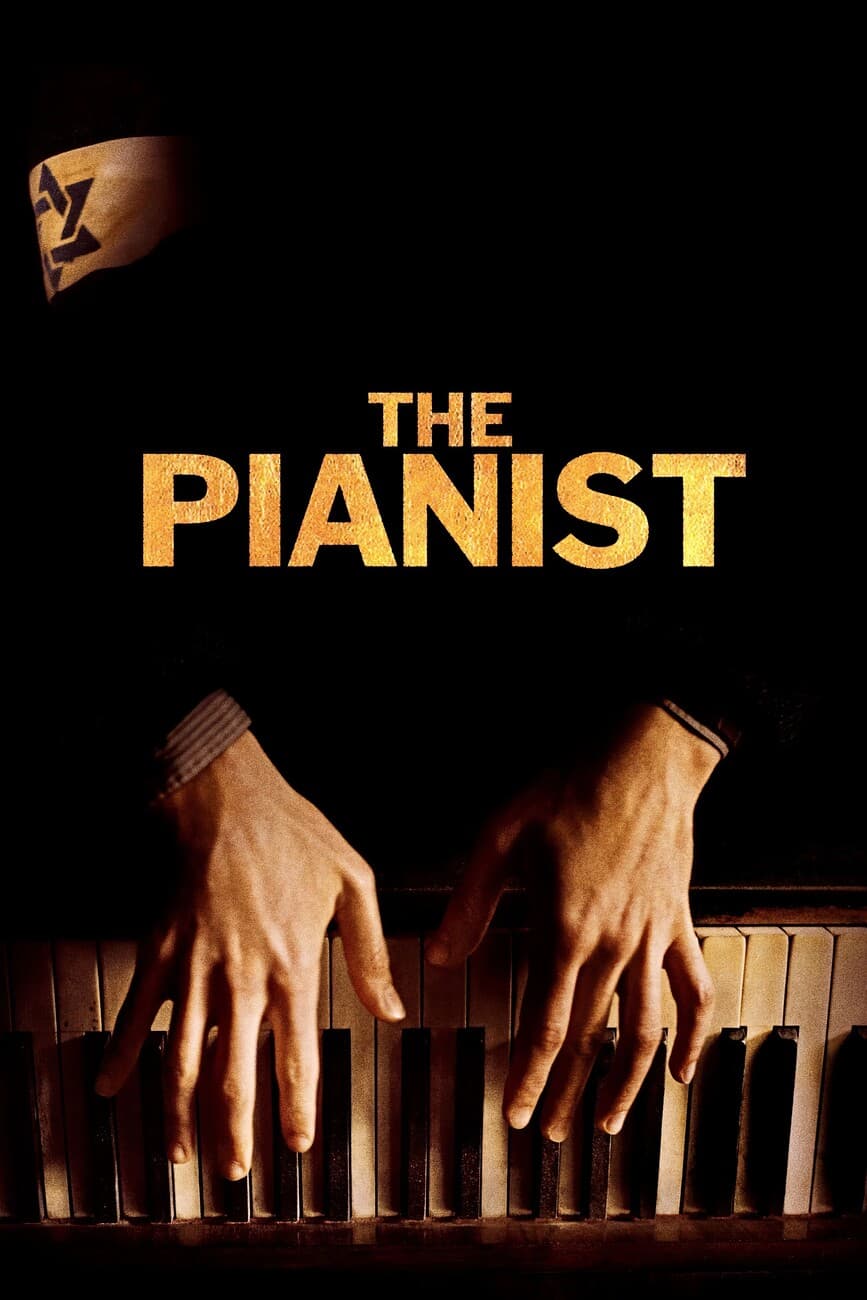
2002
The Pianist
A quiet life unmade by war — and a pianist who refuses to stop listening.
Read the retrospective
→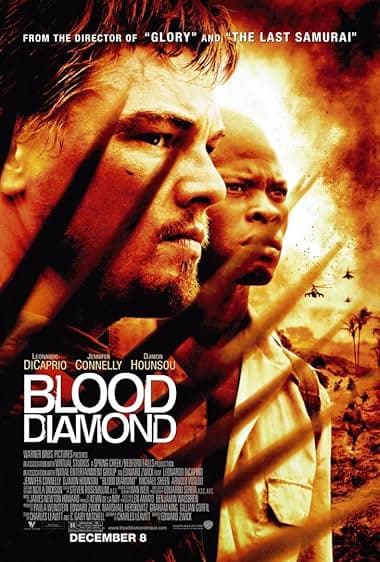
2006
Blood Diamond
A mercenary, a fisherman and a pink diamond — and a film that still asks who pays for our jewellery.
Read the retrospective
→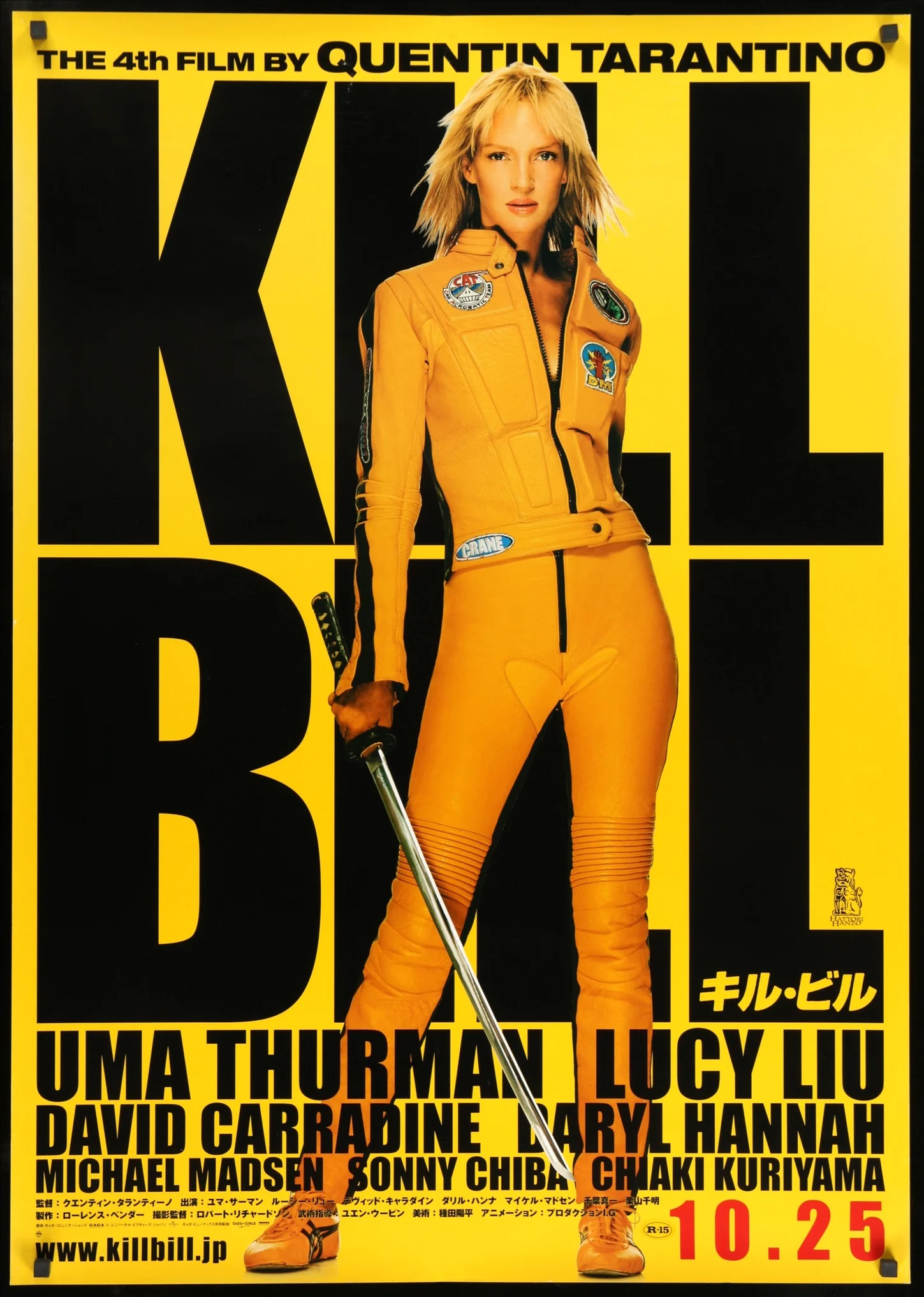
2003
Kill Bill: Volume 1
A yellow jumpsuit, a long list of enemies and one woman who refuses to be finished.
Read the retrospective
→