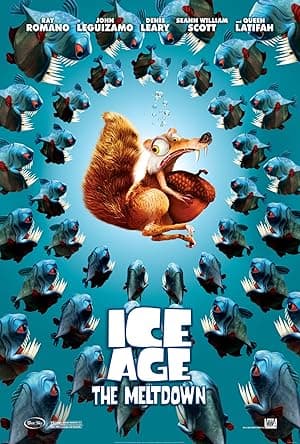
Feature presentation
Ice Age: The Meltdown straps the original trio into a moving, noisy evacuation — literally. Carlos Saldanha’s 2006 sequel pairs a high-stakes flood story with a surprisingly tender mammoth who’s still working through loss, and it’s that odd little mix of spectacle and heart that keeps the film worth revisiting.
THE MOVIE
Manny (Manfred), the woolly mammoth is still the reason this movie works
Remember that moment when a chunk of ice falls away from the wall and everything clicks into urgency? Ice Age: The Meltdown is built on exactly that kind of simple, escalating idea: the ice surrounding the valley isn’t scenery — it’s a dam, and if it breaks the herd’s home will be washed away.
That premise gives the film permission to be big and busy — geysers, thawed predators, and a race for a single boat — but it never forgets that this is, at its core, a story about one stubborn, lonely mammoth. Manny is still carrying grief and the real fear that he might be the last of his kind, and that weight keeps the motion of the movie anchored to something human.
Carlos Saldanha directs the sequel solo, and he knows how to juggle the noisy set pieces with quieter emotional beats. Meanwhile, Scrat — the acorn-obsessed distraction running alongside the main plot — keeps turning up to steal the show and remind you why these movies were as much about quick laughs as they were about big feelings.
THE SETUP
The idea that sets Ice Age: The Meltdown in motion
The plot is gloriously straightforward: the ice wall around the valley is actually a dam holding a huge reservoir, and when a piece of that wall breaks the animals suddenly have a single, very urgent problem — get everyone to safety before the water comes.
That urgency gives the movie a clear mechanical spine. Manny, Sid and Diego must convince the valley to leave and then shepherd their ragged procession to one possible escape: a boat. It turns a family film into a road — or rather, a float — movie, with plenty of set pieces built around the clock ticking down.
Interleaved with the migration are short visual gags starring Scrat, which run as their own mini-show between the main beats. Those acorn sketches are practically punctuation marks: they reset the tone and keep the momentum bouncing between peril and comedy.
Underneath this action is a quieter subplot: Manny’s fear about being the last mammoth and how that changes his choices, especially after he meets Ellie and the mischievous opossum pair who claim her as a sister. The found-family angle gives the whole evacuation a human — or mammoth — scale.
THE CHARACTER
Why Manny (Manfred), the woolly mammoth matters
Manny is the film’s emotional barometer. He’s not just the biggest creature on screen; he’s the one who’s still tied to loss. The whole evacuation feels weightier because he’s not moving for the hell of it — he’s wrestling with the idea that moving on might mean giving up what he believes was lost.
That grief shapes his decisions in scenes that might otherwise be played as pure spectacle. It’s why his hesitations matter, and why his gradual softening when Ellie and her adoptive brothers turn up feels earned rather than convenient.
The presence of Crash and Eddie — an opossum double-act who behave like a pair of livewire younger brothers — sets up a neat contrast. Their mischief bounces off Manny’s melancholy and keeps the tone from tipping into gloom; in other words, they make Manny’s seriousness readable and sometimes funny.
As a family movie, Ice Age: The Meltdown uses those relationships to talk about belonging. Ellie’s upbringing and the way she and her adoptive brothers slot into the herd underline the film’s found-family idea, and Manny’s place in that makes him memorable beyond his size.
THE PERFORMANCE
Why Ray Romano's performance matters
Critics and coverage at the time noted that the vocal trio from the first film — Ray Romano, John Leguizamo and Denis Leary — maintain the comic dynamics that audiences liked. That continuity matters because it keeps the sequel feeling familiar while allowing new story elements to breathe.
What that observation implies is simple: the film isn’t trying to reinvent its leads so much as give them new emotional beats to play against. Manny’s gloom sits against Sid’s goofiness and Diego’s more practical cynicism, and the interplay is what keeps the character moments readable for families.
So the casting here is less about novelty and more about steadiness. Romano’s Manny is the hook you recognise, the character whose internal struggle gives everything else a place to land.
UNDER THE SURFACE
Ice Age: The Meltdown has more on its mind than the plot suggests
On the surface it’s a survival story: environmental change forces a migration, and a cast of animals have to move or drown. That gives the movie its propulsion, but it’s not the only thing it’s doing.
There’s a clear throughline about grief and the difficulty of moving on. Manny’s reluctance to accept new attachments frames much of the emotional action, which stops the film from being mere spectacle and makes the stakes feel personal.
Alongside that is a found-family strand centred on Ellie and her adoptive brothers. The film makes a gentle case for families that aren’t blood-related: identity can be chosen or mistaken, and belonging is something characters learn rather than simply inherit.
All of this plays against environmental change — the flood is a tangible crisis, but it’s also a backdrop that forces characters to ask who they are and who they’ll be if they survive. It’s quietly thoughtful for a film that’s often busy making you laugh.
THE FILMMAKING
How Ice Age: The Meltdown was put together
Carlos Saldanha stepped up to direct this sequel solo after co-directing the first film, and one of the things he leans into is rhythm: big migration sequences are regularly broken up by short, comic Scrat vignettes.
That structural choice — alternating a main migration plot with silent, acrobatic acorn gags — keeps the film moving and gives younger viewers a steady supply of payoff. The Scrat pieces act like palate cleansers between longer stretches of plot.
Chris Wedge remains involved as an executive producer and continues to voice Scrat, so there’s a clear throughline from the first film in tone and comic set-piece design.
Put together, those choices make The Meltdown feel like a carefully calibrated family movie: large-scale action tempered by quick laughs and a director who knows when to let the characters breathe.
PURE 00s
Ice Age: The Meltdown could not belong to any other decade
Released in 2006, The Meltdown arrived at a moment when big CGI animated franchises were establishing themselves as perennial box-office players. Sequels were starting to feel like part of the landscape rather than rare events, and this film sits squarely in that trend.
It’s also a clear example of a sequel that keeps enough of the first film to be familiar while expanding outward — Carlos Saldanha had helped steer the original and now helmed the follow-up, which keeps the tonal continuity intact.
There’s a mid-2000s production stamp to the whole enterprise: an emphasis on broad family appeal, a mix of high-energy set pieces and celebrity vocal casting, and a score by John Powell that ties into the era’s animated soundworlds.
Taken together, those elements make the film feel like an archetypal mid-2000s studio animation: engineered for multiple audiences, designed to entertain kids and keep grown-ups amused with sharper comic beats.
THE LEGACY
Why Ice Age: The Meltdown still matters
The Meltdown helped solidify Ice Age as a franchise that studios could return to. It’s the second instalment in a series that carried on with further sequels, and that continuation matters when you think about how animated franchises grew in the 2000s.
Beyond sequels, the film’s commercial success made it a reliable vehicle for Blue Sky and 20th Century Fox, which in turn fed more merchandising and follow-ups. In short: it proved there was an audience for more of these characters.
But the film’s memory isn’t only corporate. For many viewers the mix of frantic set pieces, the found-family story with Ellie and her adoptive brothers, and those relentless Scrat moments is what keeps people coming back.
THE VERDICT
Does Ice Age: The Meltdown still hold up?
Yes — if you’re after a family movie that mixes popcorn spectacle with a surprising emotional pulse, The Meltdown still works. The central idea — that the ice is a dam and a chunk of it falling triggers an evacuation — gives the film a tangible, escalating threat that keeps the plot moving and supplies plenty of visual invention.
Manny’s personal storyline — his grief and worry about being the last of his kind, and then his slow opening to Ellie — gives the film a seriousness that stops it from being all quick jokes. That emotional thread is what makes the migration feel meaningful rather than just a flashy chase.
At the same time, the comic dynamics are intact: the existing vocal trio preserves the familiar rhythms of the first film, Crash and Eddie supply chaos, and Scrat’s nonverbal acorn sketches keep delivering the slapstick short-form laughs audiences expect.
So whether you want something reliably entertaining for kids, a bit of grown-up emotional ballast, or just the comfort of familiar characters racing a flood for 91 minutes, this 2006 sequel directed by Carlos Saldanha still does the job.
Share this movie
Keep watching
More movies from the 00s

2002
The Pianist
A quiet life unmade by war — and a pianist who refuses to stop listening.
Read the retrospective
→
2006
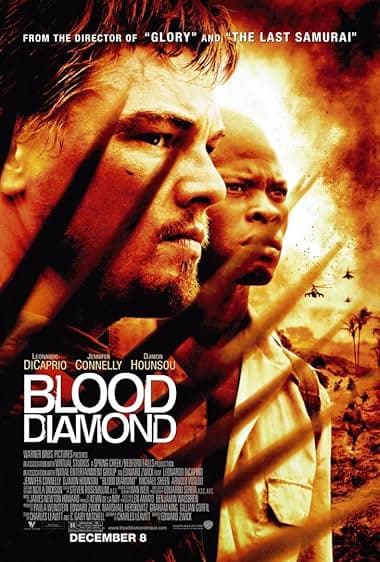
Blood Diamond
A mercenary, a fisherman and a pink diamond — and a film that still asks who pays for our jewellery.
Read the retrospective
→
2003
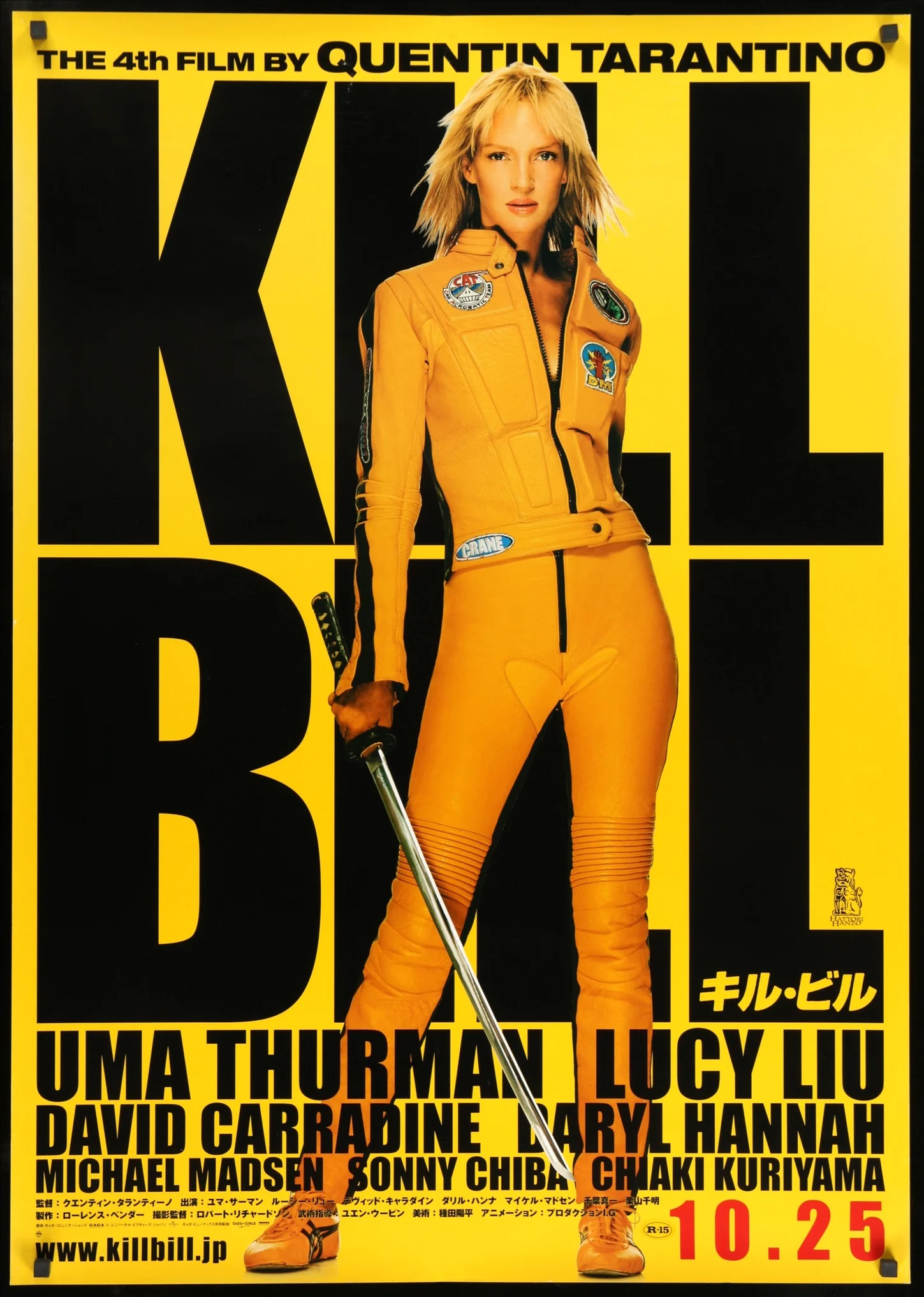
Kill Bill: Volume 1
A yellow jumpsuit, a long list of enemies and one woman who refuses to be finished.
Read the retrospective
→