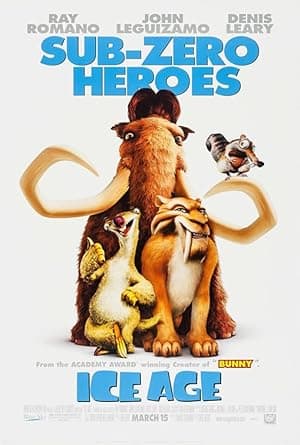
Ice Age
A grumpy mammoth, a chatty sloth and a secret-smirking sabre-tooth — family, but not as you know it.
Feature presentation
Remember the bit where a lumpen mammoth sighs and somehow you understand him? Ice Age trades on an oddly specific kind of warmth: big, blunt feelings handled with small, sharp jokes. Chris Wedge's 2002 film pairs a stoical loner with two wildly different companions and a found-baby quest, and that mismatched trio still makes the whole thing click.
THE MOVIE
Manfred "Manny" is still the reason this movie works
Ice Age starts with a tidy, irresistible idea: three unlikely animals — a mammoth, a sloth and a smilodon — stumble across an abandoned human infant and set off to get him home. It’s the kind of set-up that invites comedy and adventure, yes, but also a surprisingly tender logistical problem: who looks after the baby on the way?
At the heart of that road is Manfred — Manny — a solitary mammoth carrying real baggage. Flashbacks of hunters killing his family give him a guardedness that explains, without spelling it out, why he’s slow to trust anyone. That reluctance shapes the whole film: Manny is the one who makes the found-family idea feel earned rather than cute.
Chris Wedge directs with an eye for bright, economical storytelling; the movie runs at a brisk 81 minutes and knows what beats to hit. The result is a family adventure that still feels purposefully assembled rather than merely crowd-pleasing.
THE SETUP
The idea that sets Ice Age in motion
The engine of the film is simple and sturdy: Manny, Sid and Diego find a human baby after his mother becomes separated at a waterfall, and they decide to return him to his tribe. That single obligation — get the kid home — keeps the story moving and gives the characters something practical to argue about.
Not everything is what it seems. Diego is carrying a secret assignment to bring the child back to his saber-toothed pack, which slips a thin thread of danger and betrayal under the otherwise cosy journey. That tension is the movie’s pivot: trust has to be negotiated, not assumed.
Running alongside the main plot are Scrat’s wordless capers — a silent-comedy throughline about a toothy squirrel and his acorn. Those sequences were added early to bring forward the film’s first snow and ice moments, and they give the picture a counterpoint of pure physical humour.
Big set-piece moments — avalanches, ice caves and a final showdown with Soto’s saber-tooth pack — provide the practical stakes. They stop the film from becoming just a chatty road movie and let the trust-and-redemption arc earn its payoff in a way that feels like an actual adventure.
THE CHARACTER
Why Manfred "Manny" matters
Manny is the sort of character who makes the film stop being just a sequence of jokes and set-pieces. He arrives as a stoic, solitary mammoth with a clearly established reason to keep his distance: flashbacks show hunters killing his family, and that trauma explains his emotional armour.
That guardedness matters because it gives every tiny kindness weight. When Manny softens, it doesn’t feel like a plot convenience; it looks like a gradual compromise of a defence mechanism. For a family film, that slow thaw keeps the emotional beats credible rather than contrived.
Ray Romano supplies the voice of Manny, which anchors him as a recognisable presence in the trio. The filmmakers also used observational study of animals to inform character movement, which helps Manny feel like a creature with real physical habits rather than a walking allegory.
Put simply: Manny is the movie’s steady point. While Sid and Diego bring noise and sparks, it’s Manny’s reluctance and eventual willingness to care that turns a decent cartoon into something warmer.
UNDER THE SURFACE
Ice Age has more on its mind than the plot suggests
Beneath the slapstick and the chase scenes, the film is quietly preoccupied with the idea of found family — how people who are not related end up depending on one another and, in doing so, become kin. The trio’s shared responsibility for the baby is the clearest way the movie dramatizes that idea.
There’s also a neat redemption arc threaded through Diego’s story: someone sent to betray the group chooses loyalty after forming real attachments. That flip from deception to sacrifice gives the journey real moral motion, and it keeps the stakes personal rather than generic.
Grief and emotional guardedness are foregrounded through Manny. The film doesn’t sermonise about trauma; it places it in the foreground as a practical reason for behaviour. That keeps the emotional notes simple but resonant — understandable to children and intelligible to adults.
Finally, Ice Age is about survival and cooperation. The characters are forced into dependence by circumstance, and the movie makes a small, persuasive case that cooperation — even between strangers — is both a practical and moral choice.
PRACTICAL EFFECTS
The effects work that gives Ice Age its physical personality
Ice Age is fully computer-animated, so its ‘practical’ production choices are digital ones. Rather than relying on miniatures or prosthetics, the team relied on careful observation — for example, studying real squirrels to shape Scrat’s movement — to give the characters believable physical behaviours.
That kind of animal observation matters because it makes the ridiculous feel tactile. When Scrat goes through a sequence of pratfalls, there’s a logic to his motion rooted in real-world reference, which helps the comedy land.
Blue Sky also used an in-house ray-tracing renderer during production — the same rendering roots that director Chris Wedge had used on his earlier short. That pipeline gave the film a consistent visual approach at a time when many studios were still finding their way in full-CGI features.
All of which is to say: the movie’s physical personality comes from careful digital craft rather than analogue trickery. The choices are practical in the sense of being workmanlike and attentive to movement and surface.
PURE 00s
Ice Age could not belong to any other decade
Ice Age premiered in March 2002, right when feature CGI animation was moving from novelty to mainstream. Blue Sky transformed itself from a VFX outfit into a feature animation studio, and this film announced that shift in no uncertain terms.
Its wide March opening set a new benchmark for animated releases at the time and helped mark Blue Sky and Fox as serious players in the growing animation market. That commercial punch mattered: it showed a smaller studio could compete in the CGI boom.
Development for the film actually started in the late 1990s, with production formally getting under way in mid-2000. That timing put the movie squarely in the period when studios were reorganising and experimenting with how to make full-length CGI stories.
The film’s nomination for Best Animated Feature is another period detail: it was part of the early years of awards recognising this new commercial and artistic terrain for computer animation.
WATCHING IT NOW
What has aged — and what hasn't
As a family film, Ice Age keeps things direct and accessible, which helps it play to modern viewers. It doesn’t rely on confusing irony or jokes solely for adults; its emotional throughlines are straightforward and therefore remain watchable across ages.
The found-family theme is a durable one. The idea of strangers becoming a ‘herd’ through shared responsibility is still an effective, humanisable premise that doesn’t date in the way a topical gag might.
Practical choices made during production — like studying animals to inform movement — also help. Those small grounded decisions make the characters move in ways that feel natural enough to survive repeated viewings.
If anything dates the film, it’s not the story. The compact runtime and clear themes mean Ice Age still functions as a crisply told family adventure rather than an indulgent confection.
THE LEGACY
Why Ice Age still matters
There are a few concrete reasons Ice Age remains in the conversation. It earned a Best Animated Feature nomination, which marked it out among the early-2000s crop of CGI releases.
Its commercial success — grossing in the region of $380 million worldwide — underwrote sequels, merchandise and wider franchise ambitions. That success turned a modest studio gamble into a long-running property.
More than business, the characters stuck. The central trio and Scrat’s wordless set-pieces created recognisable moments that the franchise could build around.
So Ice Age matters partly because it proved a formula could support a franchise, but also because it packaged plain-speaking emotional beats with broad comedy in a way that was easy to expand.
THE VERDICT
Does Ice Age still hold up?
Yes — and not in some sentimental, category-five nostalgia way, but because the film’s choices were economical and character-led. The simple mission (return an abandoned baby) gives the movie focus, and Diego’s secret assignment that flips into loyalty supplies a neat emotional motor for the plot.
Manny’s arc from guarded loner to someone who accepts responsibility keeps the film anchored. That emotional logic is straightforward and persuasive: you don’t need elaborate psychology to feel why he changes, only the clear evidence of what he’s been through.
Scrat’s silent-comedy sequences still land as quick, reliable palate cleansers — and they help balance the film’s heavier notes with pure, physical laughs. The whole picture runs lean at 81 minutes, which keeps it moving and prevents the themes from overstaying their welcome.
If you’re deciding whether to watch Ice Age now, think of it as a compact, well-made family adventure. It’s not the most ambitious animated film of the era, but its blend of found-family warmth, a tidy redemption arc and sharp set-pieces still adds up to something worth revisiting.
Share this movie
Keep watching
More movies from the 00s
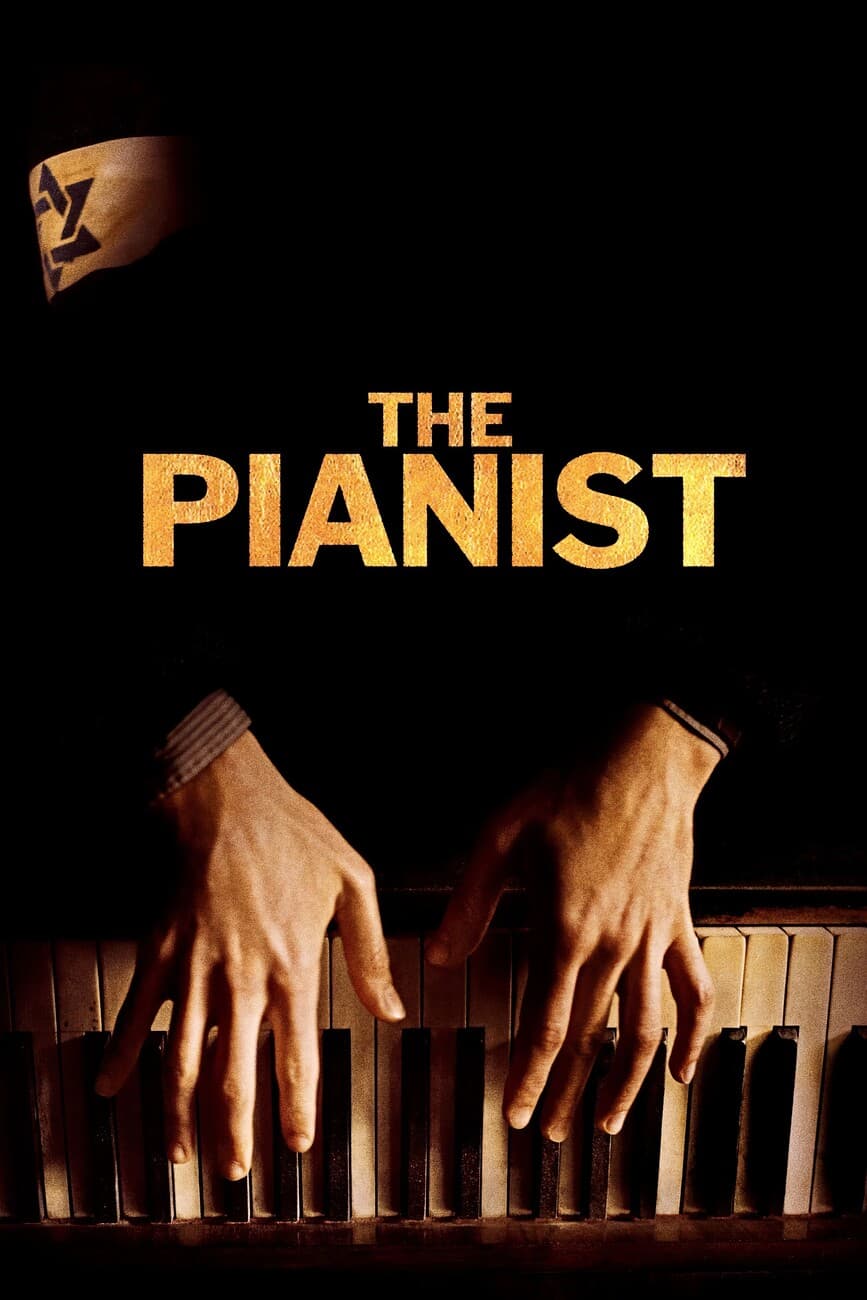
2002
The Pianist
A quiet life unmade by war — and a pianist who refuses to stop listening.
Read the retrospective
→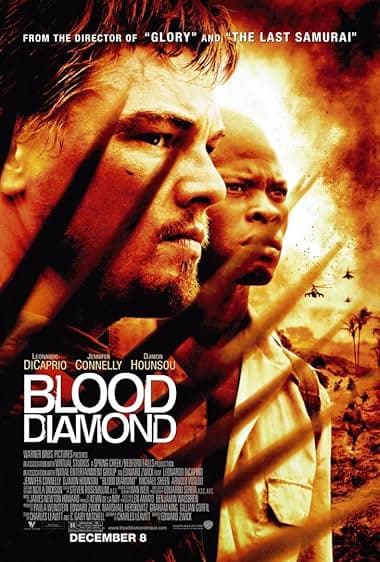
2006
Blood Diamond
A mercenary, a fisherman and a pink diamond — and a film that still asks who pays for our jewellery.
Read the retrospective
→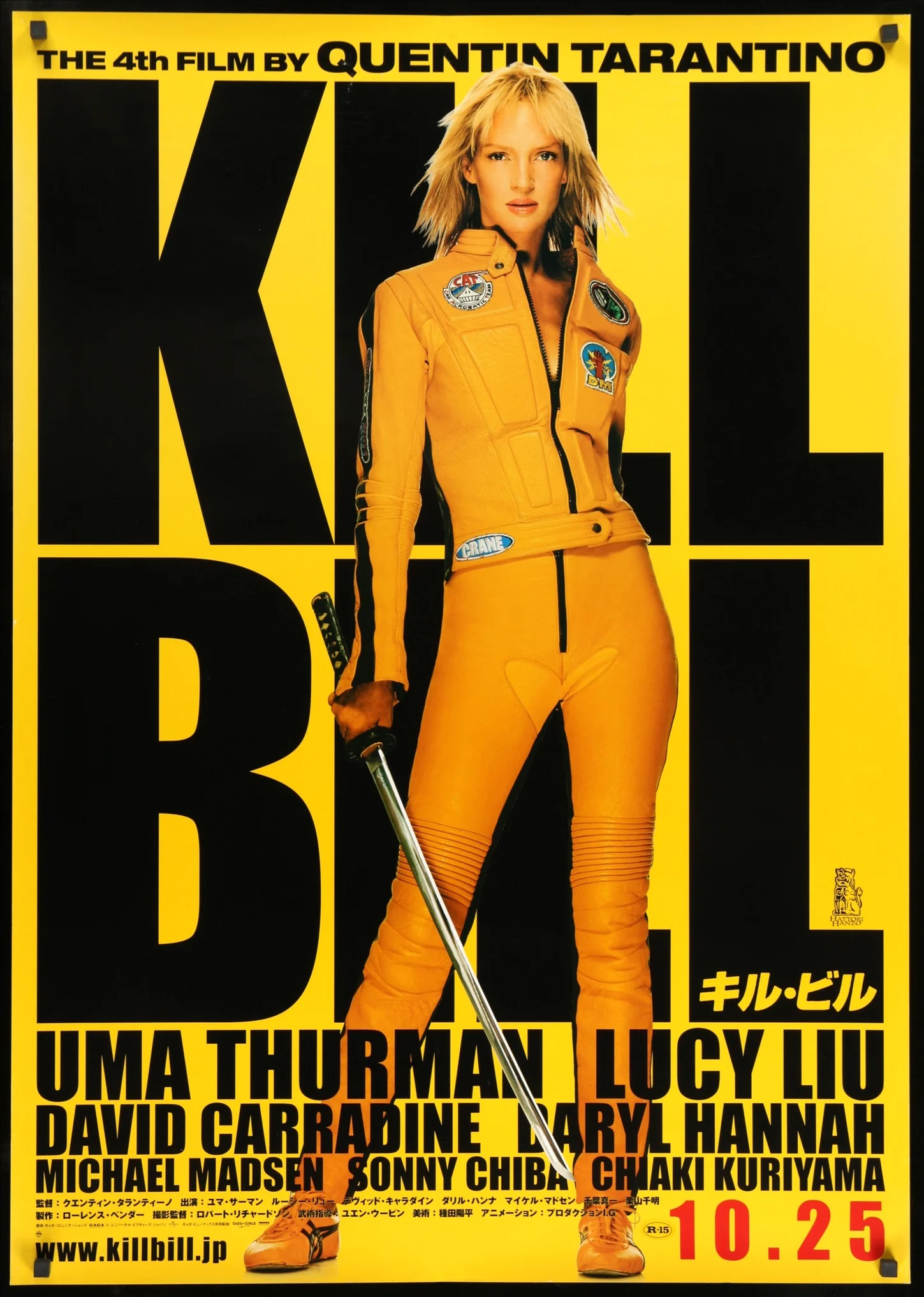
2003
Kill Bill: Volume 1
A yellow jumpsuit, a long list of enemies and one woman who refuses to be finished.
Read the retrospective
→