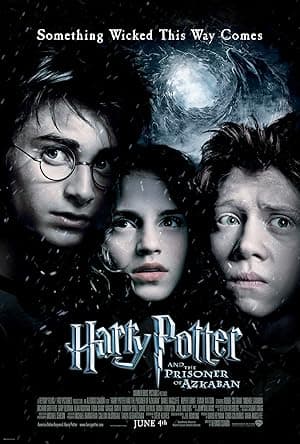
Harry Potter and the Prisoner of Azkaban
A darker, wiser Hogwarts year: friendship, fear and a Time‑Turner that still makes the stomach flip.
Feature presentation
Alfonso Cuarón's third Potter film turned the series sideways — quieter, spikier, less picture‑book and more adolescent. It keeps the central pleasures (the trio, the school, the set‑pieces) but treats Harry's third year as a proper coming‑of‑age story with a real chill down its spine.
THE MOVIE
Harry Potter is still the reason this movie works
This is the chapter where Hogwarts stops feeling like a cosy refuge and starts to look like a place that remembers harm. The third instalment adapts J.K. Rowling's tale of Harry's third year and sets a simple, taut hook: a convicted prisoner, Sirius Black, has escaped from Azkaban and is believed to be heading straight for Harry and the school.
Alfonso Cuarón took over the director's chair and used the opportunity to give the series a different tone — darker, more unsettled, more adolescent. Harry is shown in a more conflicted register than before: how he reacts to the Dementors and the looming threat from Sirius shapes nearly everything he does that year.
So yes, it's still a family fantasy with the usual wonders. But it’s also the film where the story starts asking sharper questions about who gets judged, who gets punished and how friends hold one another together.
THE SETUP
The idea that sets Harry Potter and the Prisoner of Azkaban in motion
At its simplest: the film revolves around an escaped convict presumed to be after Harry. That premise does a neat trick — it turns the past into a present danger and gives the year at Hogwarts an edge of real peril.
Cuarón’s script also leans on a clever mechanical device: Hermione’s Time‑Turner. The screenplay uses it to stage a set of events that the audience has already seen, then revisits and alters them. It’s tidy, neat and it keeps the tension honest without tilting into gimmickry.
There are other physical threats, too. Werewolf transformation — through Remus Lupin — and the hippogriff Buckbeak are woven into the story as concrete risks that push characters into difficult choices.
Those elements together — the escaped prisoner, the time device, the animal danger — give the film a clear engine. It’s not merely about mystery; it’s about how people respond when the past rubs up against the present.
THE CHARACTER
Why Harry Potter matters
Daniel Radcliffe’s Harry is the axis the whole film turns on. This instalment places him in a darker, more conflicted register than earlier entries; we see a teenager whose fears are not only external but lodged in his own body.
The Dementors are the clearest expression of that: their presence affects Harry physically and emotionally, so the threats he faces aren’t just plot problems — they’re things that happen to him. That makes his reactions feel personal, not merely procedural.
Then there’s Sirius Black: his escape reframes Harry’s family history as immediate and dangerous, which forces Harry to think of his past in new, harder ways. The arrival of that threat changes what Harry believes about who he is and who he can trust.
And through it all the trio’s friendship — Harry, Ron and Hermione — remains the film’s emotional axis. Their loyalty is what carries decisions and set‑pieces to their conclusion; if the movie succeeds, it’s because those relationships still feel like something you’d defend.
UNDER THE SURFACE
Harry Potter and the Prisoner of Azkaban has more on its mind than the plot suggests
On the surface the film is a fantasy adventure. Underneath it’s mostly about growing up. This is Harry’s first distinctly adolescent year — less wand‑work tuition, more questions about who’s to blame and what you can live with.
Wrongful accusation and justice thread through the story. The narrative repeatedly asks whether the system that imprisoned someone like Sirius was reliable, and whether vengeance and punishment are the same thing.
Fear, trauma and recovery are given a concrete shape in the Dementors. They operate as repeated reminders that fear can be a physical state and that coping is sometimes the work of others as much as oneself.
Memory, time and agency turn up most clearly in the Time‑Turner sequence. The film foregrounds the ethics of going back to change events — not for spectacle, but to protect people — and that makes the fantasy device feel weighty rather than fanciful.
THE FILMMAKING
How Harry Potter and the Prisoner of Azkaban was put together
A few production names help explain why the film feels different. Michael Seresin is credited as director of photography, and the cinematography is regularly pointed to as a big reason the franchise’s tone changed here.
Stuart Craig returned as production designer; the physical sets give the film a grounded, lived‑in quality that makes the darker moments land. The spaces feel like real places where the characters have history, not just backdrops for action.
Alfonso Cuarón’s arrival as director also matters in practical terms: his visual instincts were applied to a mainstream family franchise, which is why this entry reads as both a Potter film and something with a distinct stylistic personality.
Creature and make‑up effects sit alongside those production choices. Practical elements were part of the plan from the start, so the movie’s look is a mix of physical craft and digital work rather than a single technical approach.
PRACTICAL EFFECTS
The effects work that gives Harry Potter and the Prisoner of Azkaban its physical personality
The film didn’t treat creatures as purely digital ideas. The creature and make‑up team, led by Nick Dudman, built practical animatronic models and props — Buckbeak is the example that gets mentioned most — so actors could interact with something real in close‑up.
That approach matters. Close‑up interactions with physical models change how a scene plays; it keeps the performance grounded and the moment believable in a different way than a purely CGI render.
At the same time the production used a hybrid method. When Buckbeak needed to fly or do complex action that a model couldn’t manage, digital versions were blended with the animatronics so the creature could be both present in the frame and convincingly dynamic.
The result is a film where mechanical craft and computer work are friends rather than rivals — creature moments feel tactile because the production chose to make them so.
PURE 00s
Harry Potter and the Prisoner of Azkaban could not belong to any other decade
Released in 2004, this film sits squarely in a moment when big family franchises began pushing into more grown‑up territory. Cuarón’s direction is a clear example of that tonal shift in the 00s — a mainstream fantasy made with a slightly harsher eye.
Technically, the movie also wears the decade on its sleeve. The visual effects pipeline involved multiple major vendors working together; that kind of multi‑house, hybrid production was typical of early‑2000s studio blockbusters as effects capacity expanded.
So the film is of the 00s both because of its mood and because of how it was made: a franchise learning to look and feel more cinematic while still serving a family audience.
That positioning helped the series grow up without abandoning what made it popular in the first place.
WATCHING IT NOW
What has aged — and what hasn't
Viewed now, the film still reads as a family movie with teeth. Its genre positioning keeps it accessible: it’s fantasy and adventure written for families rather than for adults only.
The themes are part of why it holds up. The way it treats fear, trauma and recovery — especially through the recurring presence of the Dementors — remains emotionally clear and doesn't rely on throwaway thrills.
Likewise, the central friendship and loyalty of the trio still function as the film's heart. Those relationships are simple and direct, so they survive changing audience tastes.
In short: the story and themes retain their force because they were never just surface ornament; they were the mechanics of the plot from the start.
THE LEGACY
Why Harry Potter and the Prisoner of Azkaban still matters
The film earned two Academy Award nominations — for its score and its visual effects — which is a tidy marker that industry peers noticed its craft at the time.
On the technical side, the project brought together several major VFX houses and became a practical testing ground for techniques they later refined. In that sense the movie helped push effects workflows forward during the decade.
Critics and later retrospectives also singled the film out as the point where the franchise’s cinematic style took a noticeable turn. It’s frequently brought into discussions about the series’ artistic development.
All of that adds up to a film people return to because it represents a clear change in direction: not a reboot, but a re‑tune.
THE VERDICT
Does Harry Potter and the Prisoner of Azkaban still hold up?
Yes — it’s worth watching. The central situation (an escaped prisoner believed to threaten Harry and the school) gives the film genuine stakes, and the recurring presence of the Dementors keeps the atmosphere properly uneasy rather than merely moody.
The Time‑Turner sequence gives the screenplay a clever structural trick: it lets the film revisit its own events in a way that feels consequential, not just neat. And elements like Buckbeak and Lupin’s werewolf transformation keep the story’s dangers concrete.
Crucially, the film treats Harry differently: this is a darker, more conflicted iteration of the boy at the centre, and the trio’s friendship remains the emotional backbone that carries the story through its scarier moments.
If you’re deciding whether to rewatch it or introduce it to someone new, think of it as the Potter film that taught the series to be adult without losing the things families loved in the first place.
Share this movie
Keep watching
More movies from the 00s
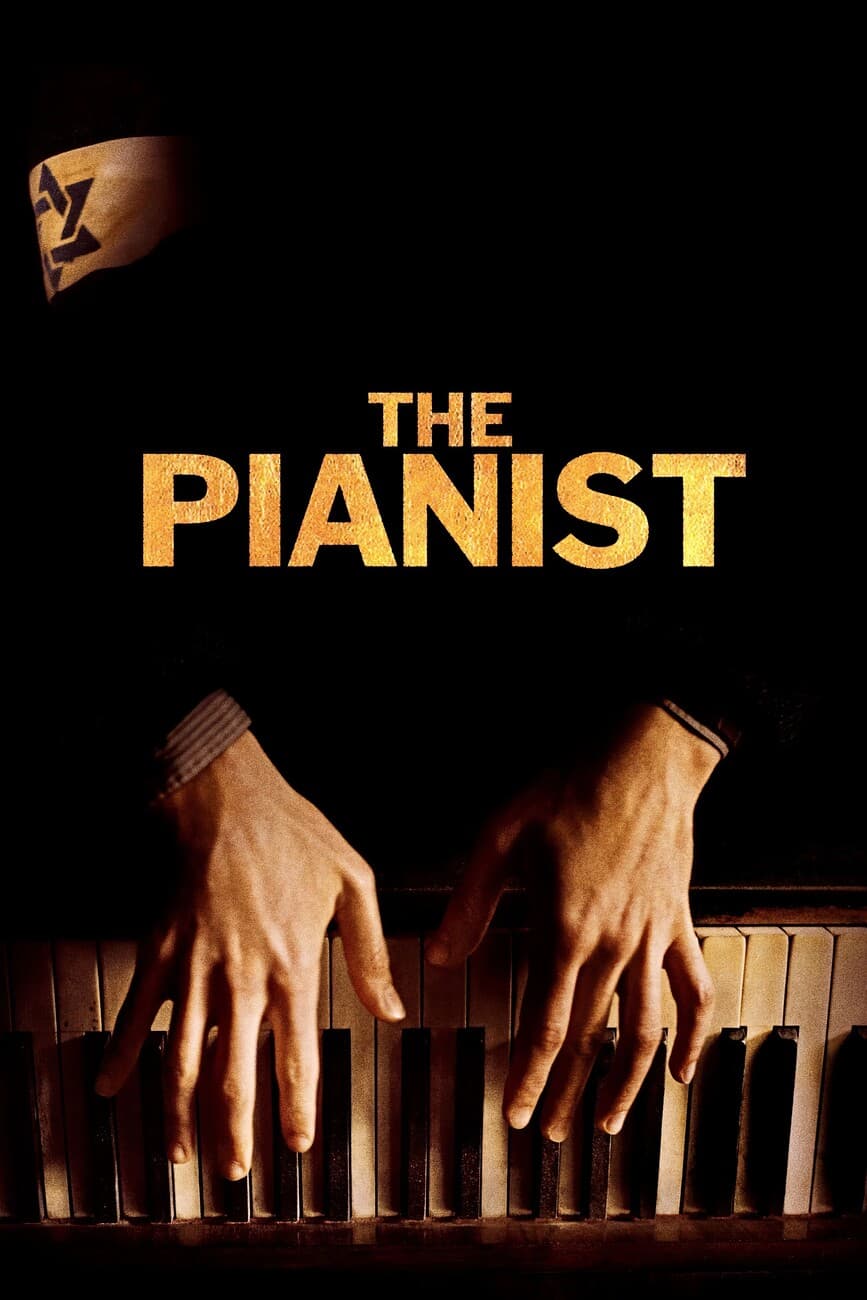
2002
The Pianist
A quiet life unmade by war — and a pianist who refuses to stop listening.
Read the retrospective
→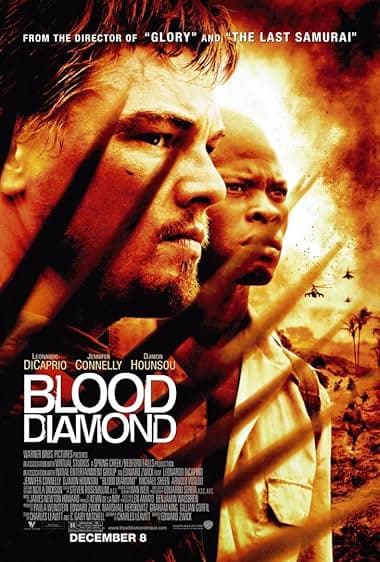
2006
Blood Diamond
A mercenary, a fisherman and a pink diamond — and a film that still asks who pays for our jewellery.
Read the retrospective
→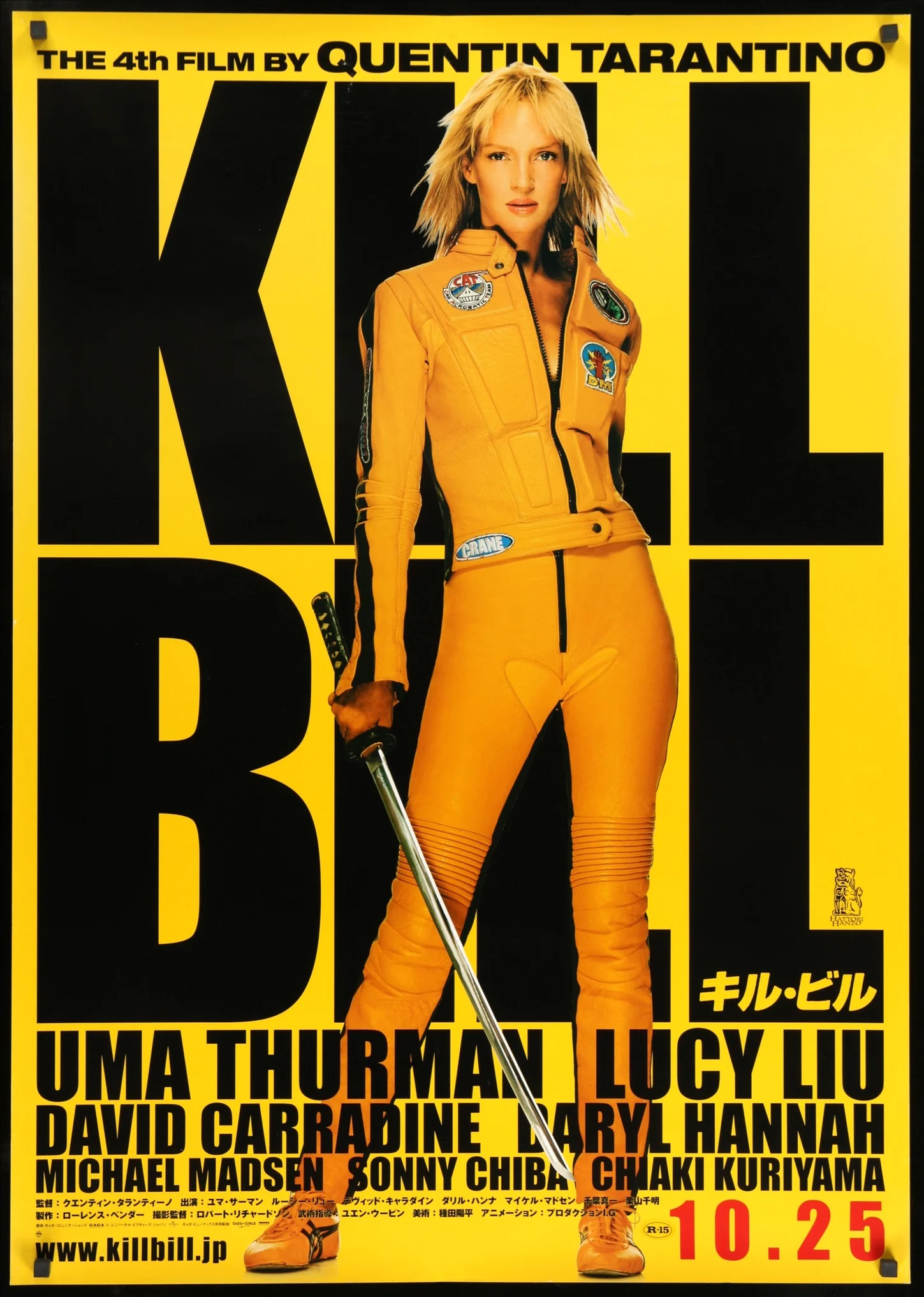
2003
Kill Bill: Volume 1
A yellow jumpsuit, a long list of enemies and one woman who refuses to be finished.
Read the retrospective
→