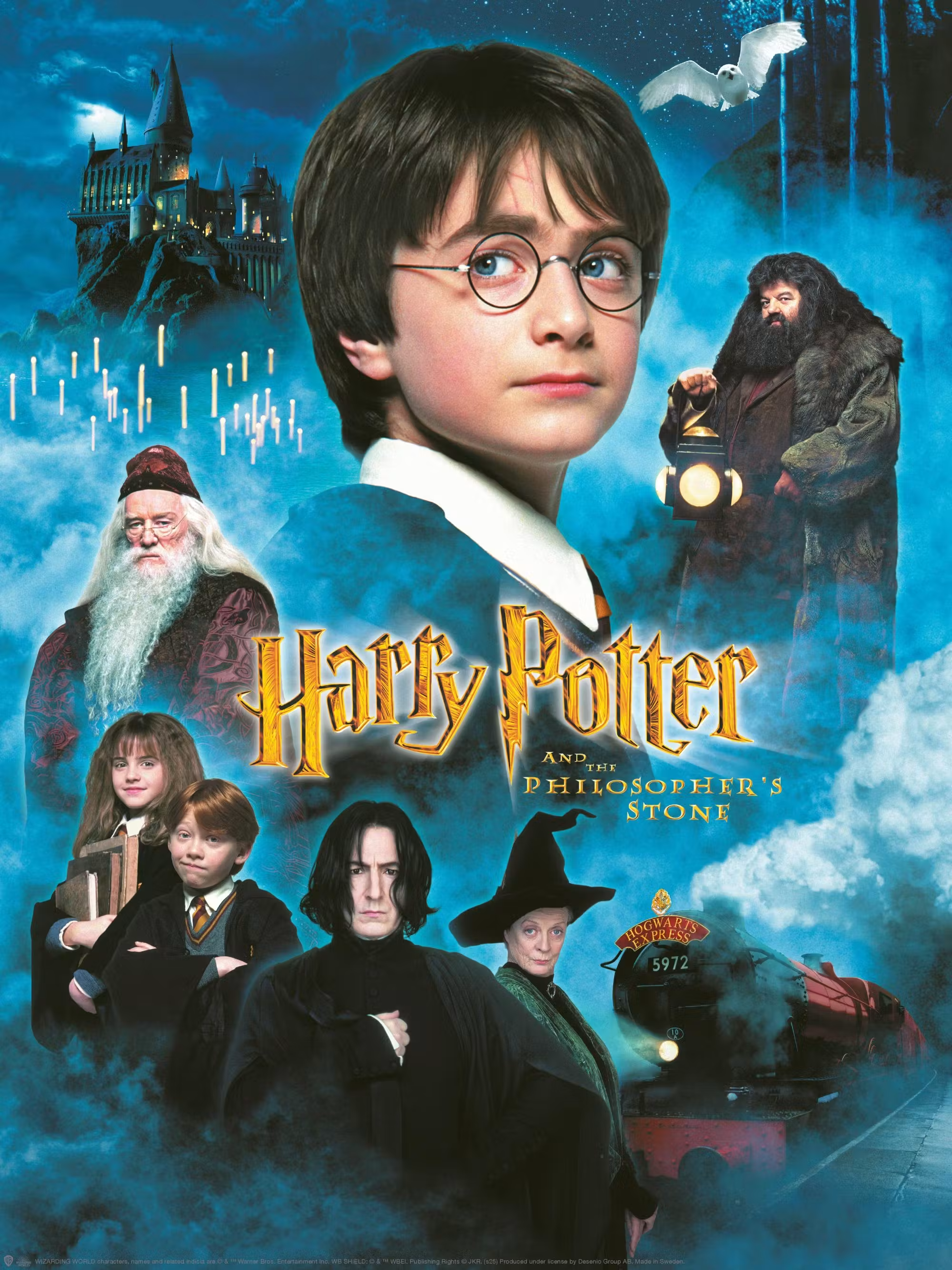
Harry Potter and the Philosopher's Stone
An eleven-year-old outsider, a letter that changes everything, and the first-year magic that introduced a generation to Hogwarts.
Feature presentation
There are films you remember for a single shot; Harry Potter and the Philosopher's Stone is different — you remember who it made you root for. Chris Columbus's 2001 adaptation turns J.K. Rowling's opener into a proper introduction: an orphan who suddenly belongs, a school that feels like a world, and the friendships that start in the very first term. If you’re wondering whether the movie still plays, the short answer is: it mostly does, because it never loses sight of Harry as the reason to care.
THE MOVIE
Harry Potter is still the reason this movie works
At its heart the film is simple: an eleven-year-old boy living a miserable life with his aunt and uncle discovers he’s a wizard and is pulled into a world that finally recognises him. That discovery — a letter, Hagrid arriving to deliver it, a single entrance into something new — is the movie’s ignition switch.
Chris Columbus stages that ignition as a passage from being an outsider to being known. The way Harry’s arrival at Hogwarts is framed makes his search for identity feel like the whole point; everything else — the sorting, the lessons, the Quidditch — spins out from that one human want.
And yes, the casting matters. Daniel Radcliffe is the face of that search, with two reliable allies beside him in Rupert Grint and Emma Watson, and a supporting line-up that fixes the film in a very particular British-fantasy register. For the first time on screen, Rowling’s first-year world feels lived-in rather than simply described.
THE SETUP
The idea that sets Harry Potter and the Philosopher's Stone in motion
The film’s premise is economical: an overlooked boy learns he belongs to another world and is sent to a school that will define him. That discovery — and Hagrid’s arrival to make it — does the heavy lifting as an inciting incident.
Once at Hogwarts the movie uses school life as storytelling scaffolding. The sorting hat, classes and school sport do more than decorate the pages; they introduce people, rivalries and rules that matter later on.
Running alongside the school-year rhythm is a puzzle: the Philosopher’s Stone, an object kept at Hogwarts with dangerous promise. That mystery gives the film momentum, because it’s not just an artefact — it’s a test of what characters will do with power.
So the setup keeps things busy but clear. The structure moves from introduction to investigation to a set of escalating trials, which makes the final sequence feel earned rather than tacked on.
THE CHARACTER
Why Harry Potter matters
Harry works because he’s written and staged as someone you want to see belong. The movie is careful to pitch him as an outsider whose arrival at Hogwarts feels like relief rather than instant triumph.
That search for identity makes him a useful focal point for a family film: his choices and reactions are the lens through which the fantasy becomes human-scaled.
He isn’t meant to do it alone either. Ron becomes the first friend who gives Harry a sense of a family he didn’t have, and that loyalty is built into the story from the start.
Even the teachers matter as mirrors to Harry’s situation: some, like Snape, are openly hostile, which keeps suspicion and danger breathing close to the school’s comforts.
THE PERFORMANCE
Why Warwick Davis's performance matters
Warwick Davis appears in two capacities in the film’s fabric: as Professor Filius Flitwick and as the (uncredited) voice of Griphook. That dual presence is a reminder that the production mixes distinct performer contributions across roles.
Listing those parts is useful because they show how casting doubled up in small ways for the first instalment: a familiar face performing a named professor while also supplying a character voice elsewhere.
For a film establishing a large ensemble, having dependable performers in multiple roles helps the world feel populated without needing to name every background player.
So Davis’s involvement is one of those small, practical things that quietly fills out Hogwarts as a place with recurring faces.
UNDER THE SURFACE
Harry Potter and the Philosopher's Stone has more on its mind than the plot suggests
Strip away the enchantments and the film keeps returning to a simple set of concerns: growing up, finding friends and figuring out who you are. The coming-of-age thread is the spine that holds the spectacle together.
That spine is strengthened by the friendships at the centre. Harry, Ron and Hermione forming a trio early on turns every corridor conversation and classroom spat into something weighted with loyalty.
There’s also a straight clash of values running through it: guardianship of the Stone sets Hogwarts against forces aligned with Voldemort, and that clear good‑versus‑evil polarity gives the story shape and urgency.
Finally, power and responsibility sit behind the plot’s MacGuffin: the Stone’s promise prompts characters to choose whether to use or deny power, and the choices they make say more about them than the object itself.
THE FILMMAKING
How Harry Potter and the Philosopher's Stone was put together
A large part of the film’s identity comes from physical choices: Stuart Craig built major, usable sets — the Great Hall and the corridors among them — and those constructions established a consistent visual vocabulary that the series would return to.
Those tangible sets matter because they let the cast move through real spaces rather than simply reacting to greenscreen. That solidity helps the movie feel like a place you could remember long after the credits.
The production was mounted in the UK starting in 2000, which anchored the film in a distinct production tradition and a particular approach to scale and detail.
The Academy recognised those craft choices: the film received nominations for Art Direction, Costume Design and Original Score, which flags how much of its identity rests in design and music as much as in plot.
PRACTICAL EFFECTS
The effects work that gives Harry Potter and the Philosopher's Stone its physical personality
The film mixes practical creature work and animatronics with digital effects rather than relying on one or the other. That blend allows characters and magical elements to register as present in the frame.
Equally important is that many of the sets were large practical constructions used on camera. Choosing to build spaces the actors could inhabit keeps interactions feeling tactile.
Those choices aren’t a statement that old ways are always better; they’re simply practical ones that give the film a physical personality — a sense that the world is assembled out of material things, not only pixels.
For a family film introducing so many unfamiliar elements, that physical grounding makes the magical feel tangible rather than purely conceptual.
PURE 00s
Harry Potter and the Philosopher's Stone could not belong to any other decade
The movie arrived at a moment when film adaptations of big-idea children’s books were becoming mainstream and, in doing so, launched a franchise that would dominate much of the decade’s family cinema.
It’s very much an early‑00s phenomenon: a blockbuster-sized fantasy that treated a children’s novel as the basis for a long-term screen series rather than a one-off. That approach set a tone for how studios handled similar properties.
The production began in the UK around 2000 and leaned on major practical set work, which helped it feel like a serious film version of a beloved book rather than a television-style condensation.
Released in 2001, it sits at the decade’s start as one of the films that helped normalise large-scale fantasy adaptations for wide audiences.
WATCHING IT NOW
What has aged — and what hasn't
The film’s family orientation remains its strongest card. As a family movie it aims for clarity and warmth, and those qualities still make it easy to recommend to viewers looking for something that’s both adventurous and readable.
Core themes like friendship and loyalty still land cleanly because they’re shown through relationships that start small — a shared dormitory, a risky decision, a promise kept — not grand speeches.
Harry’s status as someone searching for belonging is also surprisingly resilient. That emotional through-line is simple but durable: feeling known is a motif that travels well across time.
So if you’re watching today, expect the emotional bones to feel familiar and serviceable even if some production choices read of their era; the elements the story invests in — friends, identity, responsibility — remain the film’s durable heart.
THE LEGACY
Why Harry Potter and the Philosopher's Stone still matters
Beyond being a faithful screen version of a best-selling novel, the film’s lasting footprint comes from launching the eight-film series and establishing a recurring creative team — the producer, the production designer and John Williams on the first scores.
That attention to production continuity is part of why the film’s look and sound felt consistent enough to support sequels: viewers returned to familiar spaces and motifs rather than a wholesale reset each time.
The Academy recognised the craft on display with nominations for Art Direction, Costume Design and Original Score, which reminds us the film was built with craft intentions, not only franchise calculations.
Warner Bros. has also revisited the film in later exhibition windows, including a 2016 retrospective reissue in IMAX, which demonstrates how the movie continues to circulate in new contexts.
THE VERDICT
Does Harry Potter and the Philosopher's Stone still hold up?
Yes — mostly. The film does exactly what a first instalment should: it introduces who matters, shows why they matter and gives the story a tidy engine to run on — the mystery of the Stone and a school-year structure full of rituals that teach us about the characters.
That structure — sorting, classes, Quidditch and eventually a sequence of escalating challenges — still makes for satisfying first-year storytelling. It keeps the stakes legible and the emotional beats straightforward.
Production choices also help the film survive repeat viewings: Daniel Radcliffe as the central presence, the sense of a realised Hogwarts built by Stuart Craig, and John Williams’s early musical motif all combine to give the movie a recognisable personality. Contemporary reviewers also noted that the three child leads read convincingly as first-time film performers, even as Radcliffe’s early screen work could feel more reserved than some expected.
So if you’re returning or watching for the first time, expect a film that’s solid on character and theme even if some of its surface choices belong to the era. Watch it for the beginning of the friendships and for the first time the story makes you want to see where those friendships go.
Share this movie
Keep watching
More movies from the 00s
2002
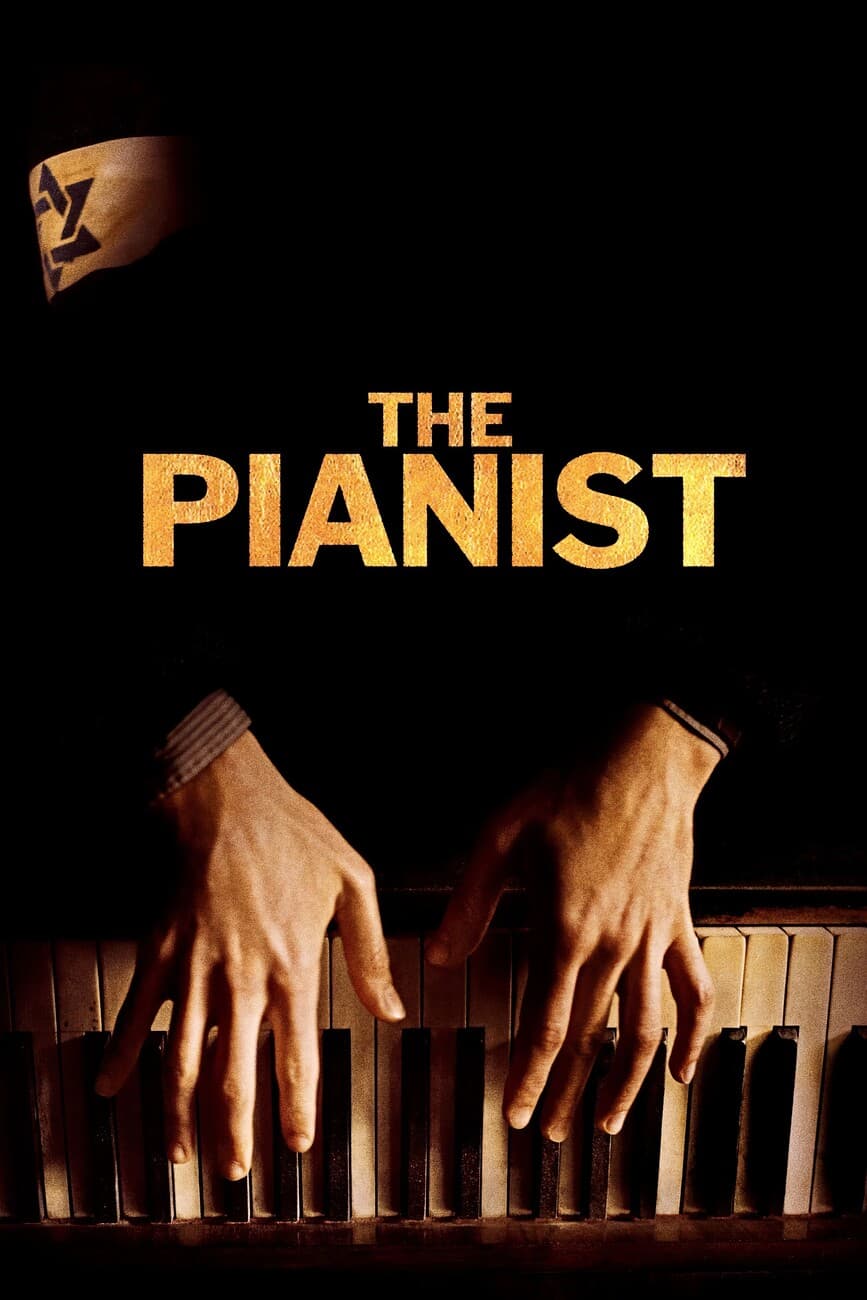
The Pianist
A quiet life unmade by war — and a pianist who refuses to stop listening.
Read the retrospective
→
2006
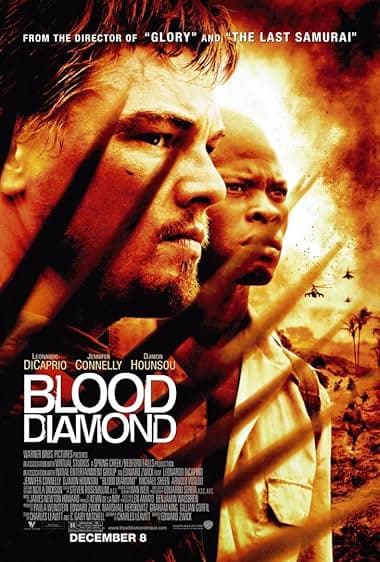
Blood Diamond
A mercenary, a fisherman and a pink diamond — and a film that still asks who pays for our jewellery.
Read the retrospective
→
2003
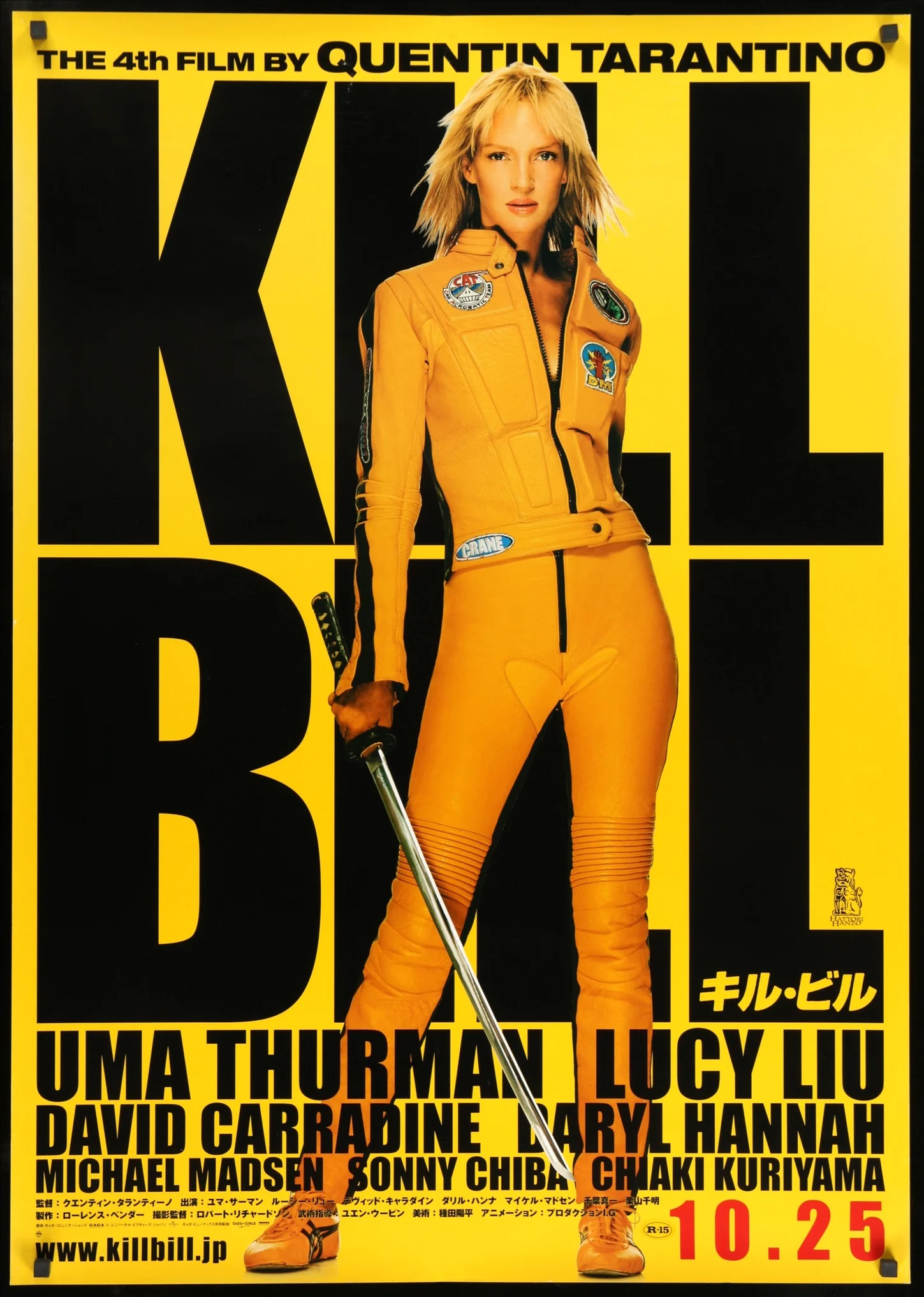
Kill Bill: Volume 1
A yellow jumpsuit, a long list of enemies and one woman who refuses to be finished.
Read the retrospective
→