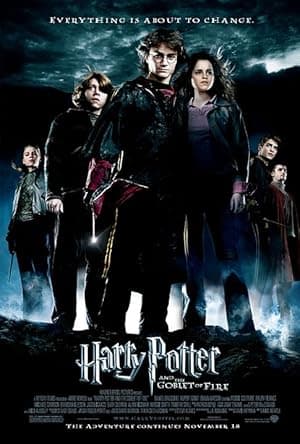
Harry Potter and the Goblet of Fire
Triwizard peril, teenage rows and the moment Hogwarts feels a lot less safe.
Feature presentation
There’s a particular beat in this fourth film where the franchise stops being a cosy school adventure and starts counting real risks. Mike Newell’s Goblet of Fire pushes Harry and his friends into louder, darker territory — a giant tournament, social rows, and an outcome that changes everything. It still matters because it’s the chapter in which the story grows up, and so do its characters.
THE MOVIE
Harry Potter is still the reason this movie works
Harry Potter and the Goblet of Fire is the fourth big step in the film adaptations, following Harry through a fourth year at Hogwarts that refuses to be merely more of the same.
What sets it in motion is gloriously simple: Hogwarts hosts the Triwizard Tournament and the Goblet of Fire picks champions — except the Goblet names Harry, who never entered and certainly didn’t volunteer. That single bit of unfairness throws him into a public competition while everything else around him gets noisier and more complicated.
Alongside the spectacle, the film keeps its focus on the trio’s awkward teenage business. Harry, Ron and Hermione deal with usual adolescent spats and, crucially, the film begins to weigh them down with real danger and questions about responsibility and mortality.
THE SETUP
The idea that sets Harry Potter and the Goblet of Fire in motion
You don’t need a scene-by-scene recap to see why the premise is neat: the story gives us a contest at the heart of a school year, but the contest is multinational and dangerous. The Triwizard Tournament is the story’s engine and the Goblet of Fire is the plot device that makes everything messy.
That mess is social as well as physical. The film layers public wizarding events — a major Quidditch tournament and the Yule Ball — over the competition, so personal rows and adolescent theatre play out on a much wider stage.
A complication the movie leans on: Harry is entered and selected against his will. That unwillingness keeps the moral stakes taut; it’s not bravado that sends him into danger, it’s circumstance.
THE CHARACTER
Why Harry Potter matters
Daniel Radcliffe’s Harry is the film’s pivot. He’s not just a face in a tournament poster: being chosen by the Goblet when he didn’t enter forces him into tasks that make him confront danger and the idea that his life carries unusual responsibility.
That tension — having to act when events have stripped you of choice — is what gives the movie its emotional pull. It’s less about heroic swagger and more about a kid trying to understand why pain and responsibility landed at his feet.
The character work around Harry sharpens that. Ron’s jealousy and mistrust when Harry is selected create a serious rift, and that split matters because it turns a competition into an emotional minefield.
And Cedric Diggory’s role as Hogwarts’ other champion supplies a moral contrast: he’s the quiet reminder that sportsmanship and decency can survive inside a ruthless contest, which frames Harry’s choices all the more clearly.
UNDER THE SURFACE
Harry Potter and the Goblet of Fire has more on its mind than the plot suggests
On paper it’s a tournament movie. Underneath it’s primarily a coming-of-age story: the central trio face ordinary adolescent quarrels at the same time as genuine external threats, and the film treats both kinds of struggle seriously.
That twin focus brings a noticeable loss of innocence. The return of Voldemort turns what might have been adolescent adventure into a narrative that carries real, sustained peril — the stakes are no longer merely schoolyard pride.
The film also makes a point about institutions: authority figures and official channels show various forms of denial when confronted with bad news, which adds a political sharpness to the story’s darkness.
At the heart of it all are friendships. The arguments, reconciliations and loyalties among Harry, Ron and Hermione keep the story human when the spectacle threatens to take over.
THE FILMMAKING
How Harry Potter and the Goblet of Fire was put together
Mike Newell steers this instalment toward a darker, more adult register than some of the earlier films while keeping the established look and feel of the film series intact. It’s a tonal nudge rather than a stylistic wrench.
That continuity matters: Stuart Craig’s production design maintains the Hogwarts and series interiors viewers already recognise, so the film can shift mood without breaking the world-building audiences expect.
Behind the camera, Roger Pratt is credited as director of photography and Mick Audsley as editor — the credit list that holds the technical side together and lets the movie move between party scenes, competition stages and heavier moments without losing its narrative thread.
Put plainly: Newell changes the temperature but Craig’s environments and the credited crew keep the house in order.
PRACTICAL EFFECTS
The effects work that gives Harry Potter and the Goblet of Fire its physical personality
The film blends large-scale miniatures and on-set practical elements with digital compositing to extend castle exteriors and build the wider environments viewers see.
Multiple visual-effects vendors — including MPC and Double Negative among others — handled complex compositing work and created digital doubles and environment builds to sell the spectacle.
Even character-specific transformation was mixed-technique: Voldemort’s altered facial appearance was achieved through digital visual effects rather than being presented as a single practical prosthetic.
In short: the movie sits in that mid-00s place where physical model work and heavy digital finishing had to cooperate to make a believable wizarding world.
PURE 00s
Harry Potter and the Goblet of Fire could not belong to any other decade
As the fourth instalment in a high-profile early-2000s franchise, Goblet of Fire is very much a product of a studio strategy that planned multiple, successive adaptations of Rowling’s novels.
Its 2005 release sits at a point when large VFX pipelines — multiple vendors juggling digital doubles, environment builds and compositing — were the standard way to achieve franchise spectacle.
The choice of Mike Newell to follow Alfonso Cuarón’s earlier turn is part of the series’ rotation of directors, a pattern that quietly shaped tonal shifts through the decade rather than letting the films read as carbon copies of one another.
Put together: it’s a studio-era franchise picture that needed both practical craft and a modern VFX ecosystem to do its heavy lifting — very 2005.
THE LEGACY
Why Harry Potter and the Goblet of Fire still matters
One obvious legacy point: this film gives the audience the first full cinematic appearance of Ralph Fiennes as Lord Voldemort, a casting moment critics picked up on right away.
More broadly, Goblet of Fire is where the series settles into a firmer, darker tone that the later films continue to inhabit. That tonal switch changed expectations for what a Potter film could do.
Because it both expands the world and refuses to stay childlike, the film often gets mentioned as the chapter that alters the series’ mood in a lasting way.
THE VERDICT
Does Harry Potter and the Goblet of Fire still hold up?
Yes — it still holds up, because the movie makes a risky tonal move and actually carries it. The narrative starts as a school competition but escalates into a graveyard confrontation that confirms Voldemort’s return and makes everything that follows feel consequential.
That escalation works because the film keeps Harry’s personal experience central: he’s declared a champion despite being underage and is forced into dangerous tasks while wrestling with questions about his place and mortality. Those are the stakes that give the film its weight.
The interpersonal beats matter too. Ron’s jealousy and the friendship rift add real emotional bite, while Cedric Diggory’s presence offers a moral contrast that keeps the Tournament from becoming merely spectacle. Contemporary reviewers also took note of the young cast showing wider range as their characters moved into adolescence.
So if you’re coming back or watching for the first time, Goblet of Fire is the one where the franchise grows teeth. It still feels like a turning point — not just for Harry, but for the films themselves.
Share this movie
Keep watching
More movies from the 00s
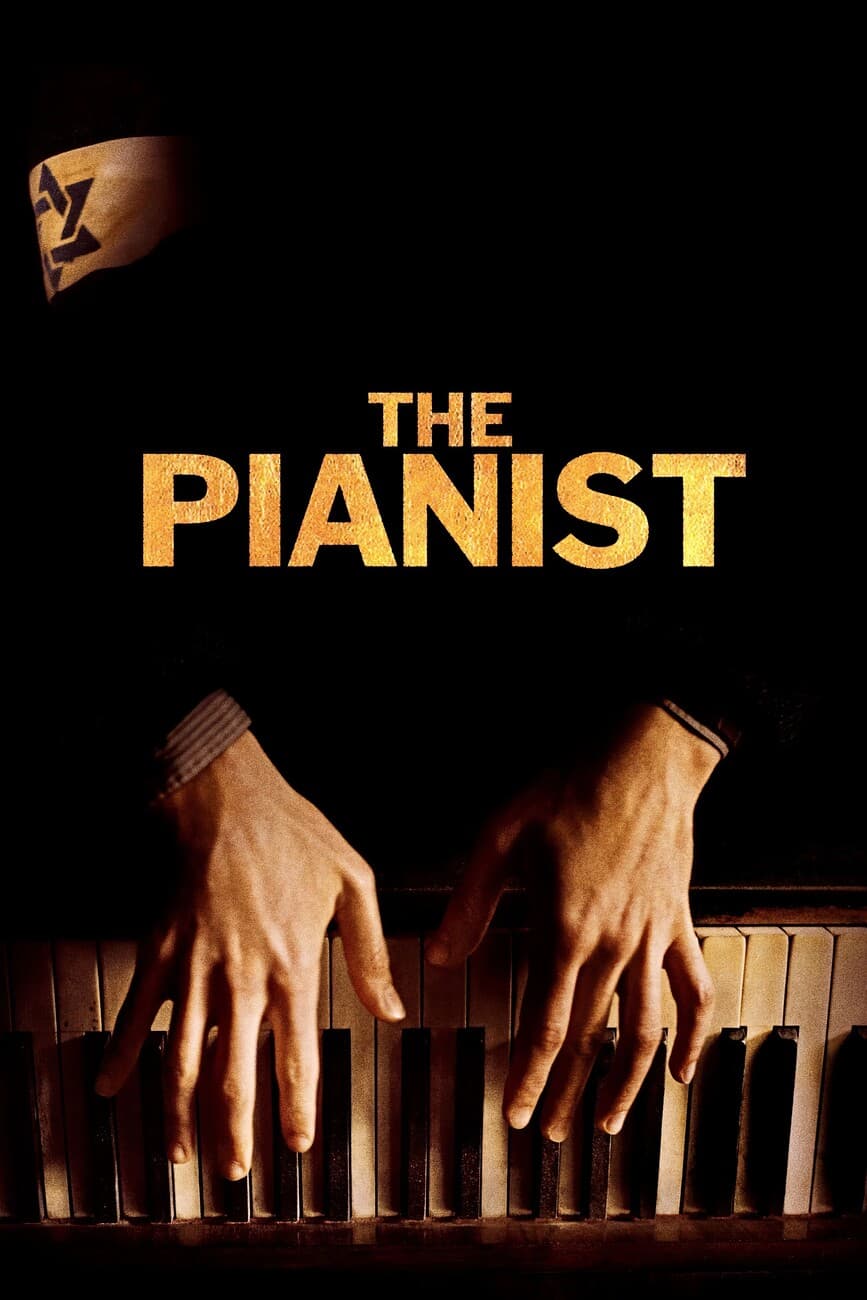
2002
The Pianist
A quiet life unmade by war — and a pianist who refuses to stop listening.
Read the retrospective
→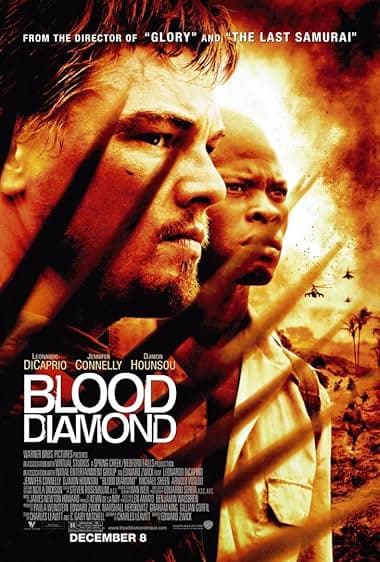
2006
Blood Diamond
A mercenary, a fisherman and a pink diamond — and a film that still asks who pays for our jewellery.
Read the retrospective
→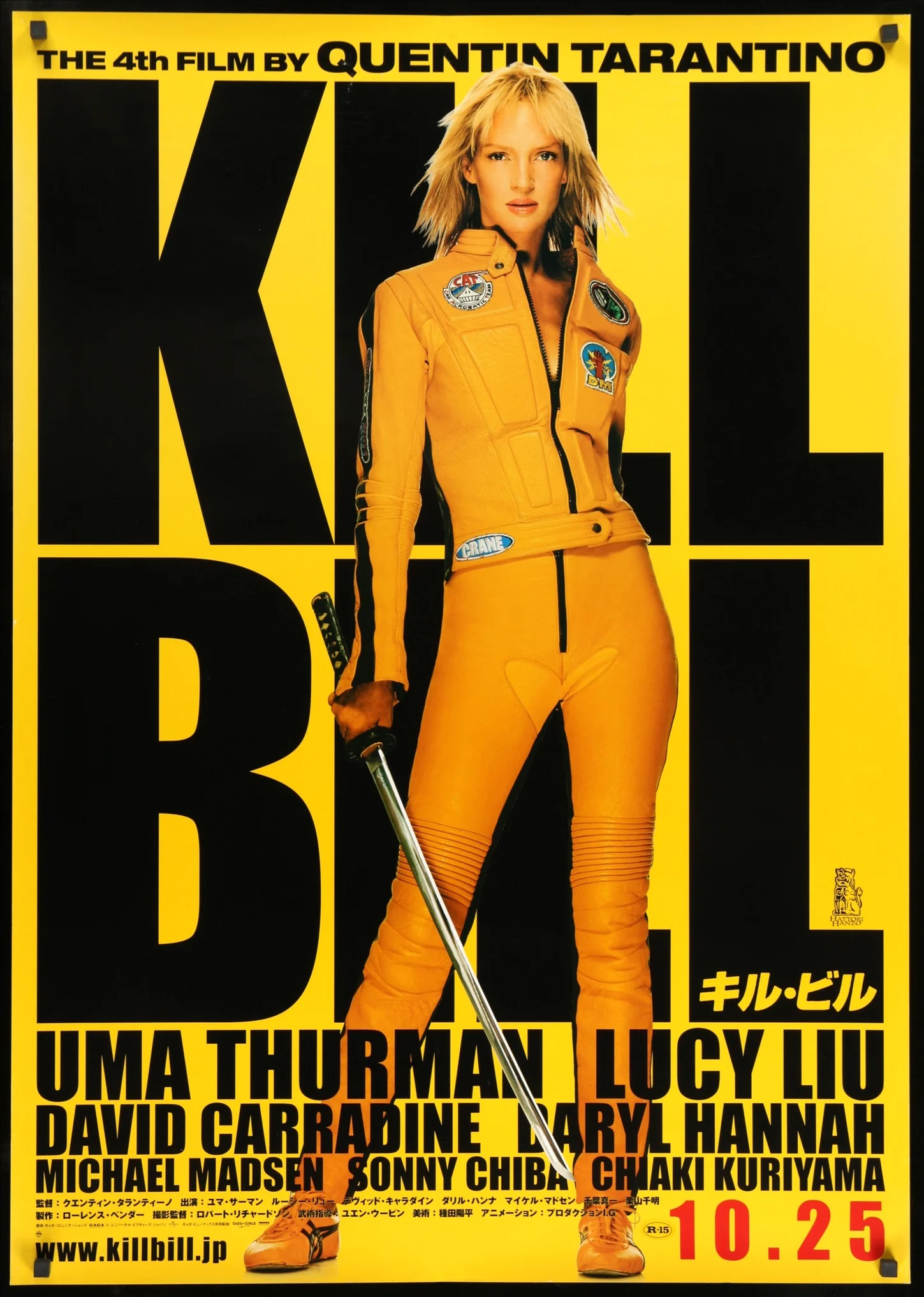
2003
Kill Bill: Volume 1
A yellow jumpsuit, a long list of enemies and one woman who refuses to be finished.
Read the retrospective
→