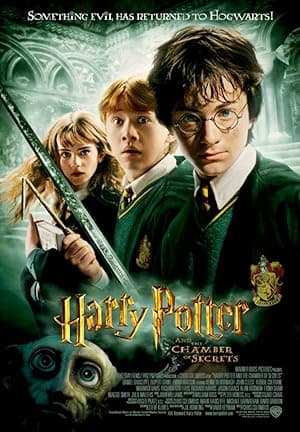
Harry Potter and the Chamber of Secrets
A school year of secrets, snakes and the peculiar bravery of three friends.
Feature presentation
There’s a moment early on — a warning from a house-elf, a message scrawled on a castle wall — that tells you this isn’t just another term at Hogwarts. Chris Columbus’s second Harry Potter film leans into its mystery the way children lean into a dare: curious, terrified and impossible to ignore. Revisit it for the puzzle, stay for the way Harry keeps stepping forward when everyone else is asking questions.
THE MOVIE
Harry Potter is still the reason this movie works
At heart, Harry Potter and the Chamber of Secrets is a school mystery with stakes that feel both enormous and intimate. It follows Harry in his second year at Hogwarts, and from the first warning and the threatening writing on a wall, the film sets up a proper puzzle: someone has opened the Chamber and a creature is petrifying members of the school.
What keeps the story moving is Harry himself. The film positions him as the moral and investigative centre — the kid who won’t stand by when friends are endangered and who feels the pressure to prove himself when suspicion circles him. That single impulse gives the adventure a human anchor, even as the plot leans into ancient curses and school history.
Chris Columbus directs with the same appetite for wonder and safety as the original film, stretching the world around that central need. It’s long — 161 minutes — but that length is a promise: new sets, new creatures and another year at a school that still feels lived-in. And with its familiar trio—Daniel Radcliffe as Harry, Rupert Grint as Ron and Emma Watson as Hermione—the film continues the story audiences already invested in.
THE SETUP
The idea that sets Harry Potter and the Chamber of Secrets in motion
The film’s engine is simple and effective: strange attacks at school, rumours about a dark legacy, and three kids who refuse to accept mystery as an answer. It sticks to the essentials rather than sprawling into unnecessary subplots.
A found diary becomes a neat story device — it ties present danger to a pupil from the past and gives the investigation a tangible lead. That object moves the plot without dulling the sense of discovery; it’s the sort of prop that invites both suspicion and fascination.
The conflict is framed as the safety of the school versus an inherited threat. The idea of an ‘Heir of Slytherin’ links the present to Hogwarts’s own foundation myths and raises questions about legacy and belonging that sit under the monster story.
Mostly, the setup works because it keeps the mystery tight and the stakes clear: figure out who opened the Chamber, stop the attacks, and save people you care about.
THE CHARACTER
Why Harry Potter matters
You don’t watch this film to see a perfect hero; you watch to see someone pushed into being one. Harry is presented as the kid who will step up when things go wrong, even when the school turns suspicious eyes his way.
That positioning matters because it gives the story a moral centre to follow. The plot’s darker impulses — threats, ancestry, judgment — need someone who cares enough to investigate, and Harry fills that role credibly within the film’s own logic.
The movie also relies on friendship to humanise that stance. Harry isn’t a lone detective; he has Ron and Hermione beside him, which keeps his choices from feeling solitary or self-righteous. Their loyalty turns his curiosity into action.
Because it’s the second film, the character gains ground: we’ve already met him, and now we see what responsibility at Hogwarts begins to look like. That continuation helps the film move from wonder to proper coming-of-age under pressure.
THE PERFORMANCE
Why Kenneth Branagh's performance matters
Gilderoy Lockhart arrives as a showy, attention-hungry presence — a deliberate contrast to the stakes and the quieter bravery of the children. The casting choice makes the character feel intentionally theatrical within a school that is becoming ominous.
Contemporary coverage singled out Kenneth Branagh’s portrayal, and he received recognition from the London critics’ circuit. That attention suggests his turn landed with enough force to be noticed beyond the film’s family audience.
In practical terms, Lockhart’s role matters because it shifts tone. Where the trio bring earnestness and loyalty, Lockhart brings bluster and distraction — a foil who highlights what the youngsters lack and need in equal measure.
UNDER THE SURFACE
Harry Potter and the Chamber of Secrets has more on its mind than the plot suggests
On the surface it’s a monster story; underneath it’s an argument about who gets to belong. The plot foregrounds a threat framed as a purge of ‘Muggle-born’ students, which makes institutional prejudice a central dramatic worry.
That prejudice is tied to the theme of purity — inherited claims and the idea that bloodline can determine worth. By making the danger come from the school’s own history, the film turns Hogwarts into a place where the past can be weaponised against the present.
There’s also a coming-of-age element: the children are forced into moral choices that have real consequences. The film keeps asking them to act not as pupils on paper, but as people who will live with their choices.
Finally, friendship and loyalty thread through all of it. The trio’s refusal to accept injustice — and their willingness to trust each other — is what carries the movie from mystery into something resembling moral clarity.
THE FILMMAKING
How Harry Potter and the Chamber of Secrets was put together
One of the film’s most obvious contributions is its expanded physical world. Stuart Craig returned as production designer and built substantial new locations — the Burrow and the Chamber among them — so the sequel feels like a genuine extension of the first film’s environments.
Those large-scale sets do a lot of heavy lifting. They allow scenes to breathe, give the actors space to move, and make the school’s secrets feel architectural rather than merely expositional.
That sense of scale is part of the film’s identity: this is a franchise committed to making a believable, walkable universe. In practical terms it sells the idea that Hogwarts has hiding places and histories worth exploring.
PRACTICAL EFFECTS
The effects work that gives Harry Potter and the Chamber of Secrets its physical personality
The film mixes built creatures with digital work. Creature and make-up effects were supervised by Nick Dudman, who is credited with designs and practical elements for Fawkes, the Mandrakes and Aragog.
Those practical pieces sit alongside extensive visual-effects work from multiple vendors. The production credits show a collaboration between physical and digital departments to realise both creatures and the environment extensions the story requires.
The result is a tactile feeling in many of the creature moments: where a prop or puppet exists, it gives the scene a physical weight that the composited elements then extend rather than replace.
PURE 00s
Harry Potter and the Chamber of Secrets could not belong to any other decade
Released in November 2002, this sequel sits squarely in an early-2000s moment when big international franchises were being built out of carefully adapted books. It’s a product of that era’s appetite for expansive, multi-installment storytelling.
The production itself reflects a 00s pattern: UK-based studio shoots, specialised soundstages and a cluster of effects vendors collaborating on a global studio project. It’s the sort of film showing how British production capacity plugged into Hollywood-sized franchises.
That machinery matters because it shapes the film’s personality: generous sets, practical creature work and reliable production values that favour clarity and spectacle in equal measure.
Put differently, the film wears its decade plainly — not as fashion, but as a way of making franchise filmmaking feel substantial and, crucially, continuous.
WATCHING IT NOW
What has aged — and what hasn't
If you sit down with the film today, the clearest thing that still works is the core relationship: friendship and loyalty remain persuasive. The trio’s refusal to abandon each other under pressure keeps the narrative honest in a way that time can’t erode.
The film also benefits from continuity: it’s the second instalment, so it builds on established characters rather than trying to reintroduce them. That makes the emotional beats feel earned, even if some spectacle choices now read as very much of their era.
Because the story keeps a tight mystery front-and-centre, its dramatic mechanics hold up. Watching the investigation unfold still has the capacity to pull you along, particularly if you enjoy puzzle-style storytelling.
In short: the movie’s human commitments — to friends, to duty, to curiosity — are what age best. Those are the parts you remember after the effects palette shifts beneath you.
THE LEGACY
Why Harry Potter and the Chamber of Secrets still matters
Part of the film’s afterlife is practical: sets and creature designs from the production became part of public exhibition at the studio tour, so its physical imagination carries on beyond the screen.
That continuation speaks to the film’s craft — people still want to walk through the Burrow or see the creatures in person, which is a quiet kind of permanence.
There’s also a small awards footnote: Kenneth Branagh’s supporting turn received industry recognition from UK critics, a reminder that the film made room for performances that drew attention beyond its family-audience remit.
So while it’s one chapter in a much larger franchise, the movie left tangible traces: built environments that outlived production and at least one performance that caught the industry’s eye.
THE VERDICT
Does Harry Potter and the Chamber of Secrets still hold up?
Yes — if you’re seeking a second-term Hogwarts adventure that prizes mystery, loyalty and a sense of inherited danger, the film still delivers. It adapts J.K. Rowling’s second novel into a movie that keeps its central puzzle front and centre: the Chamber has been opened, a creature is petrifying pupils, and a diary becomes a pivotal clue linking past and present.
Harry remains the story’s moral and investigative anchor, with Ron and Hermione functioning as his closest allies. Their loyalty is the film’s steadying force and the reason the mystery feels worth solving rather than merely frightening.
Kenneth Branagh’s Lockhart drew critics’ attention at the time, providing a tonal counterpoint that the movie uses to good effect. Meanwhile, the film keeps the identity of the antagonist and the climax guarded, preserving the pleasure of discovery for viewers.
If you’re watching now, go for the tight mystery and the human commitments at the centre. It’s not the most modern-looking fantasy by contemporary standards, but its insistence that children must make hard choices — and stick together when they do — still lands.
Share this movie
Keep watching
More movies from the 00s
2002
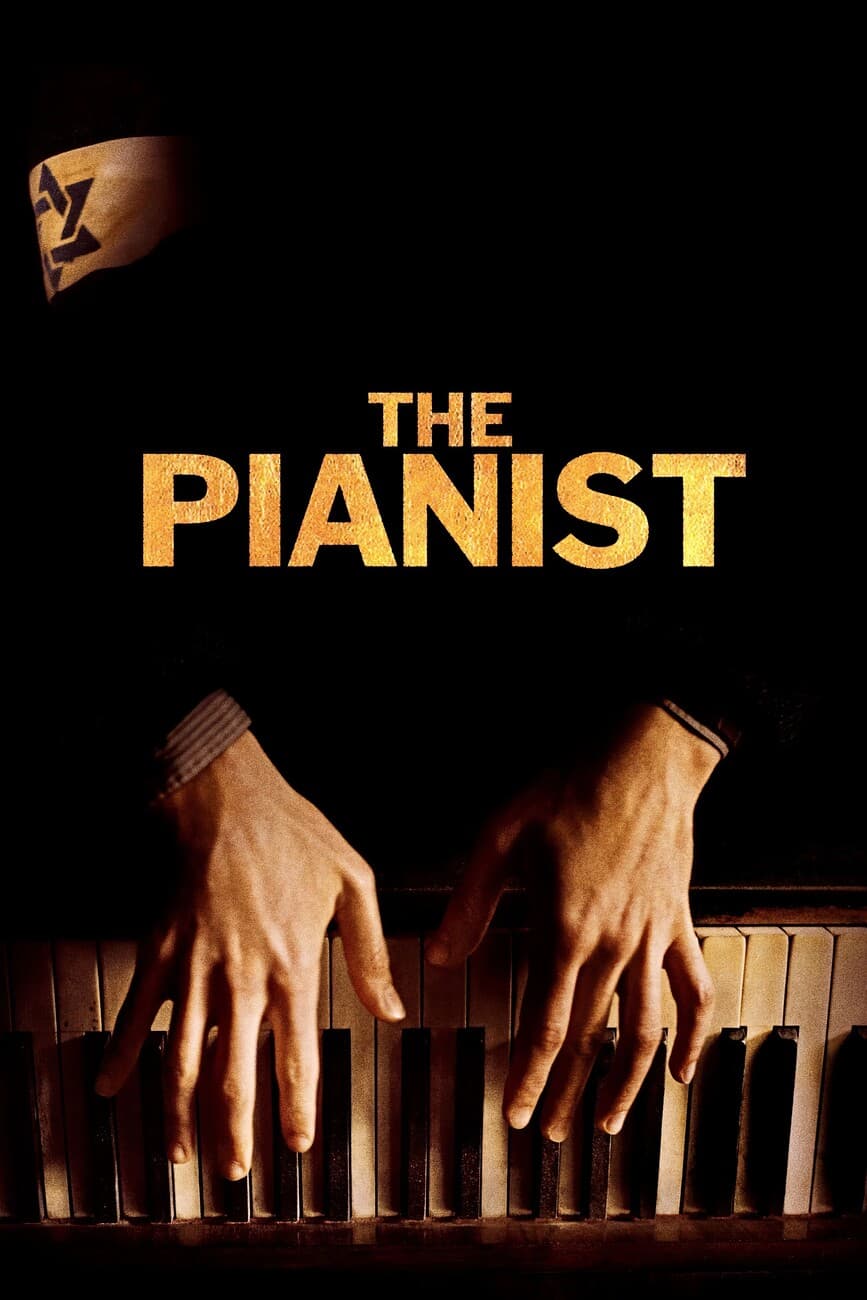
The Pianist
A quiet life unmade by war — and a pianist who refuses to stop listening.
Read the retrospective
→
2006
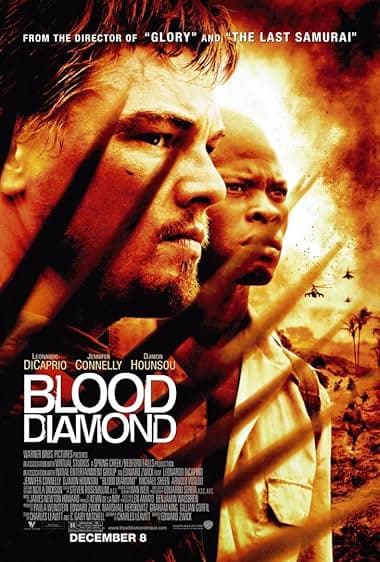
Blood Diamond
A mercenary, a fisherman and a pink diamond — and a film that still asks who pays for our jewellery.
Read the retrospective
→
2003
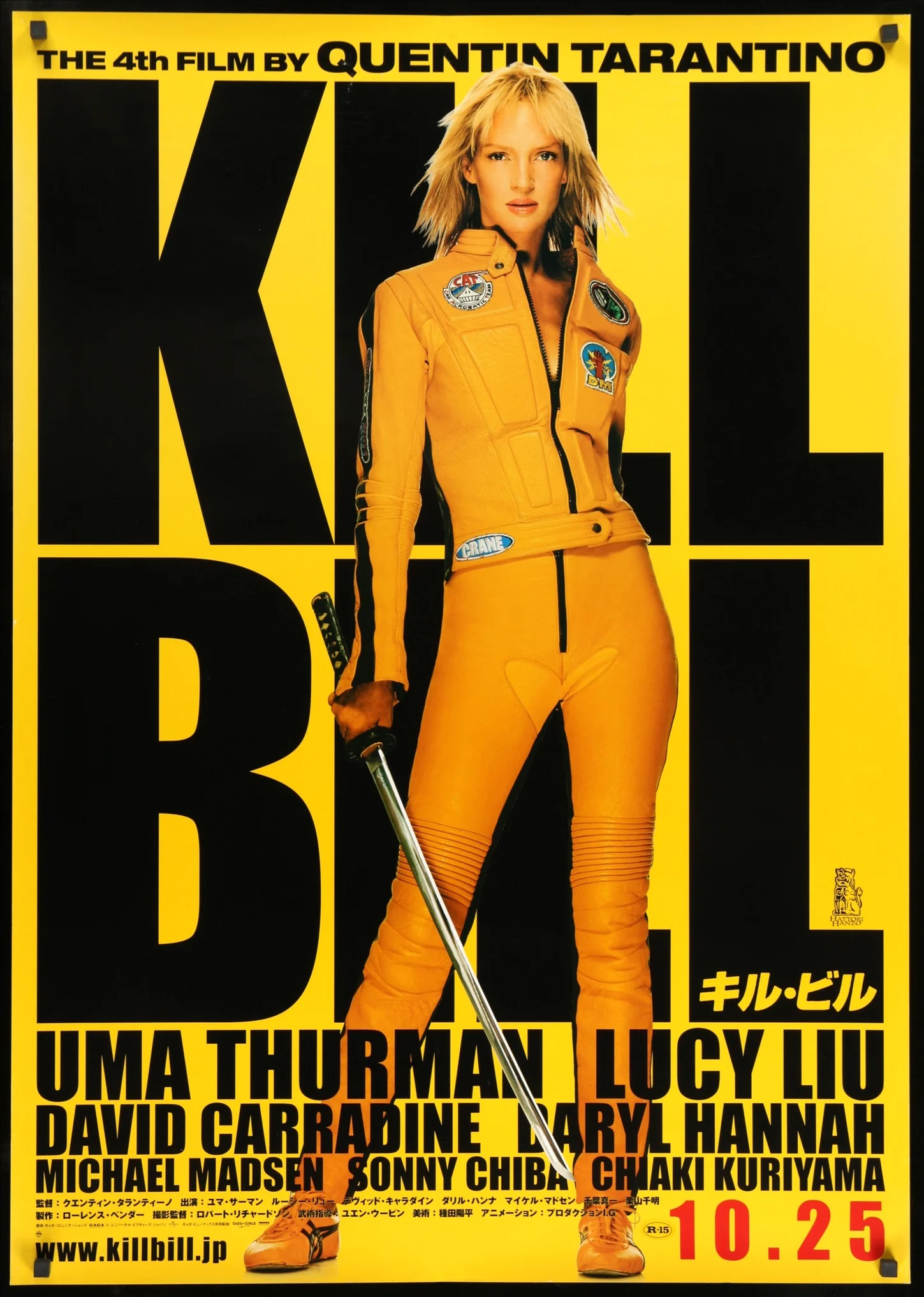
Kill Bill: Volume 1
A yellow jumpsuit, a long list of enemies and one woman who refuses to be finished.
Read the retrospective
→