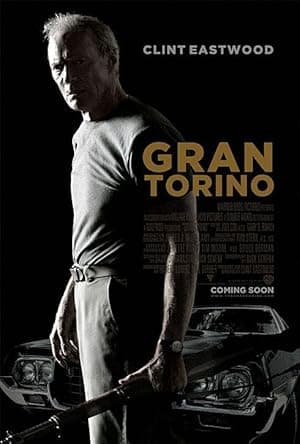
Feature presentation
Gran Torino lives in the part of your head that remembers one uncompromising old man and wonders why he softened. The film drops Walt Kowalski — a Korean War veteran and retired autoworker — into a neighbourhood he thinks he understands, then complicates everything when a shy teenager named Thao is pushed into stealing Walt’s treasured Gran Torino. It’s a small, sharp story about grudges, unlikely friendships and whether a life can be put right late on.
THE MOVIE
Walt Kowalski is still the reason this movie works
People still talk about Gran Torino because it centres itself on a single, complicated figure and refuses to be coy about him. Walt Kowalski is a recently widowed Korean War veteran and retired autoworker who lives like a man who expects the world to look the way he remembers it.
The story’s spark is almost painfully literal: Thao, a shy Hmong teenager pressured by a local gang, is pushed into trying to steal Walt’s Gran Torino and that failed job drags him into Walt’s orbit. From there the film becomes less about theft and more about two very different lives rubbing against each other until something changes.
Clint Eastwood — who directed the film and plays Walt — gives Gran Torino the sort of single-minded centrepiece many films lack. Around him the screenplay builds themes that anyone can recognise: atonement in later life, racial prejudice meeting cross-cultural stubbornness, and an odd kind of mentorship that grows from irritation into responsibility.
THE SETUP
The idea that sets Gran Torino in motion
At its simplest, Gran Torino sets an immovable man into an environment he doesn't recognise and watches the friction. Walt's entrenched racism and his resistance to a changing neighbourhood create the central tension the film keeps returning to.
The immediate narrative engine is social: a gang, initiation rituals and a family under pressure. Thao and his sister Sue live next door, and when the gang pushes Thao into stealing Walt's car, it forces contact between generations and cultures that would otherwise have stayed separated.
Because the story sits so deliberately in the neighbourhood — the screenplay grew out of modest roots and was shaped by its writers — the film can treat the larger issues as neighbourhood problems rather than abstract debates. That keeps the stakes human and particular.
You never need a blow-up moral argument here; the mechanics of the place — declining streets, family expectations, the brutality of gang life — do the heavy lifting. The setup works because those social pressures make the character choices feel earned, not just convenient.
THE CHARACTER
Why Walt Kowalski matters
Walt matters because he is stubbornly specific. He’s an embittered, blunt, militarised widower whose identity — as a Korean War veteran and an autoworker — is the lens through which he judges everything and everyone.
That particularity is important: Walt isn’t a cardboard grump for its own sake. His background explains why he reacts the way he does and why the neighborhood’s changes feel like personal betrayals instead of abstract trends.
The film also gives Walt others to push against. Sue Lor acts as a kind of cultural intermediary — outspoken, direct — who both scolds and challenges him in ways that begin to loosen his prejudices. Small domestic pressures nudge him more effectively than grand speeches.
Even Father Janovich, the young priest who keeps trying to engage Walt, is set up as a foil: a behavioural and moral contrast to Walt’s solitary, abrasive habits. Those relationships are the scaffolding for the movie’s bigger moves.
THE PERFORMANCE
Why Clint Eastwood's performance matters
You don't need a catalogue of awards to know the film rests on its lead. Contemporary reviewers repeatedly highlighted Eastwood’s central performance as one of the movie’s principal strengths.
That critical focus matters because the film asks a lot of its lead: to be unlovable at first and gradually reveal why he isn’t simply a monster. Reviews noted how the movie mixes brooding drama with dark comedy — and Eastwood’s presence is the hinge that holds those tones together.
Saying critics singled him out isn't the same as claiming universal perfection. But it does explain why the film's emotional shifts register for viewers: the central performance gives the story's moral decisions weight.
Put simply, the movie leans on a very particular kind of screen presence, and contemporary reaction made that clear from the start.
UNDER THE SURFACE
Gran Torino has more on its mind than the plot suggests
On paper it’s a neighbourhood drama about a stolen car. Under the surface it’s about someone trying — late in life — to make amends. Redemption and atonement are written into almost every choice Walt makes.
Racial prejudice and cross-cultural understanding are not presented as neat lectures. The film stages encounters: friction, correction and, crucially, the awkward work of learning to live alongside people you once dismissed.
Mentorship and makeshift fatherhood emerge as practical answers rather than tidy moral resolutions. Walt becomes involved with the Vang Lor family not because he plans to, but because events and obligation drag him into the role.
And that ties back into questions of ageing and masculinity: this is a story about a man with a certain set of habits discovering other ways of being part of a community. Community and belonging aren’t sentimental add-ons — they’re the outcomes the film watches unfold.
THE FILMMAKING
How Gran Torino was put together
Gran Torino was made with a small, trusted crew whose names carry practical weight: Tom Stern served as director of photography and Joel Cox handled editing on the released film.
Those credits are the sort you filmmakers choose when they want a steady hand rather than flashy reinvention. In a film that depends on performance and neighbourhood detail, reliable collaborators help keep the frame focused on people rather than tricks.
Mentioning Stern and Cox is not a technical brag; it’s a shorthand. Gran Torino’s choices are the kind that prioritise clarity and storytelling discipline, and the crew list reflects that intent.
If the film feels like a quiet, unshowy piece of work, the makeup of the production team explains part of why — it’s assembled to serve the story first.
PURE 00s
Gran Torino could not belong to any other decade
Gran Torino landed at the end of the 2000s, in 2008, at a point when the conversation about Clint Eastwood’s acting future felt like part of the film’s story. Publicity around the release emphasised that Eastwood, then in his late 70s, might be stepping away from acting while continuing to direct.
That moment matters. The idea of an elder statesman of American cinema eyeing retirement gave the film a subtext: here was a movie about late choices coming from someone who had made late choices himself.
The production also rooted itself in real places: principal photography took place on location in and around Detroit in mid-July through early September 2008. Shooting where the story lives tied the movie to the decade’s appetite for small-scale, place-driven dramas.
Finally, the release pattern — a limited opening in December 2008 followed by a wider roll-out in January 2009 — placed the film squarely in awards-season territory while letting word-of-mouth define how it travelled into the new year.
WATCHING IT NOW
What has aged — and what hasn't
One concrete thing that still reads today is the film’s attention to the Vang Lor family as actual people on screen: the production features Hmong American actors in a significant ensemble, including smaller supporting roles.
That casting choice gives the movie a degree of clarity about who it is trying to represent. Even if conversations about representation have shifted since 2008, the presence of Hmong actors was a substantive decision at the time and remains a touchpoint.
At the heart of the film is a concern with community and belonging. That element — watching a man move from isolation into a fragile, reciprocal relationship with his neighbours — still resonates now because it’s about ordinary human ties, not trend-driven spectacle.
What doesn’t age as cleanly can be the easy shorthand of prejudice and correction; the film asks forgiveness for a life’s worth of attitudes within a compact runtime, and viewers today might take that compression apart more readily. But the emotional architecture of belonging is intact.
THE LEGACY
Why Gran Torino still matters
The film’s formal recognition helps explain why it hasn’t been forgotten: it was included by the American Film Institute in its list of the ten Movies of the Year for 2008.
There was also a small cultural ripple beyond the picture itself — the original song 'Gran Torino', performed in the film’s orbit, earned a Golden Globe nomination for Best Original Song.
Those acknowledgements don’t make the film untouchable, but they show it registered with institutions as well as audiences. The movie’s mix of neighbourhood drama and a career-facing lead gave people something to talk about.
Most importantly, Gran Torino’s legacy rests on dialogue: conversations about representation, about how we tell stories of prejudice and forgiveness, and about what a film can do with a single strong central performance and a clear sense of place.
THE VERDICT
Does Gran Torino still hold up?
Yes — but with qualifications. Gran Torino remains watchable because it’s anchored to a recognisable human conflict: Walt Kowalski, an embittered Korean War veteran and retired autoworker, is forced to confront his prejudices when Thao, a shy teen pressured into stealing his 1972 Gran Torino, fails and ends up in Walt’s life.
The film’s central tension — entrenched racism and resistance to change versus the developing protective relationship Walt forms with Thao and the Vang Lor family while a local gang threatens them — still cuts through. Those stakes feel immediate because they’re grounded in neighbourhood mechanisms: intergenerational friction, gang initiation and the slow erosion of community.
Contemporary critics singled out Clint Eastwood’s central performance as one of the film’s strengths, and that continues to matter: the movie asks the audience to believe in a late-life change, and having a committed centre helps sell the journey. At 116 minutes it’s compact enough to keep the momentum moving.
There are wrinkles. The screenplay’s origins and its relocation to Detroit are part of the film’s DNA, and the presence of a significant Hmong ensemble — cast through open auditions — means conversations about representation are unavoidable. Some viewers will find the film’s resolutions tidy; others will find them earned. Either way, Gran Torino still has something to say about belonging and atonement that’s worth hearing.
Share this movie
Keep watching
More movies from the 00s
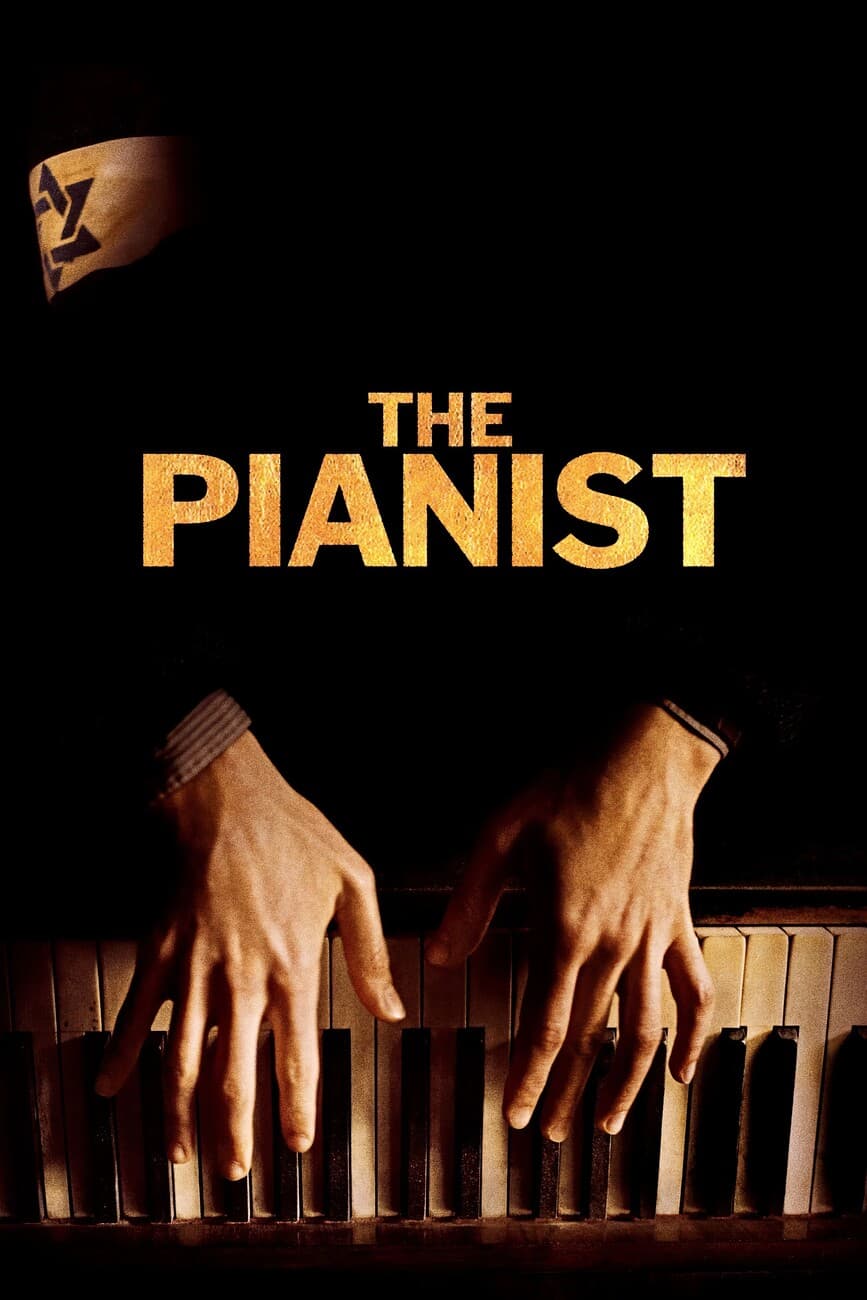
2002
The Pianist
A quiet life unmade by war — and a pianist who refuses to stop listening.
Read the retrospective
→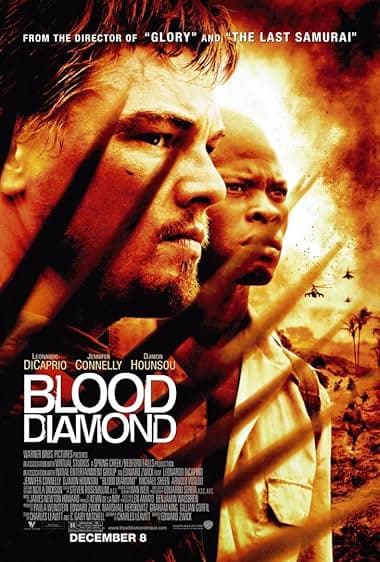
2006
Blood Diamond
A mercenary, a fisherman and a pink diamond — and a film that still asks who pays for our jewellery.
Read the retrospective
→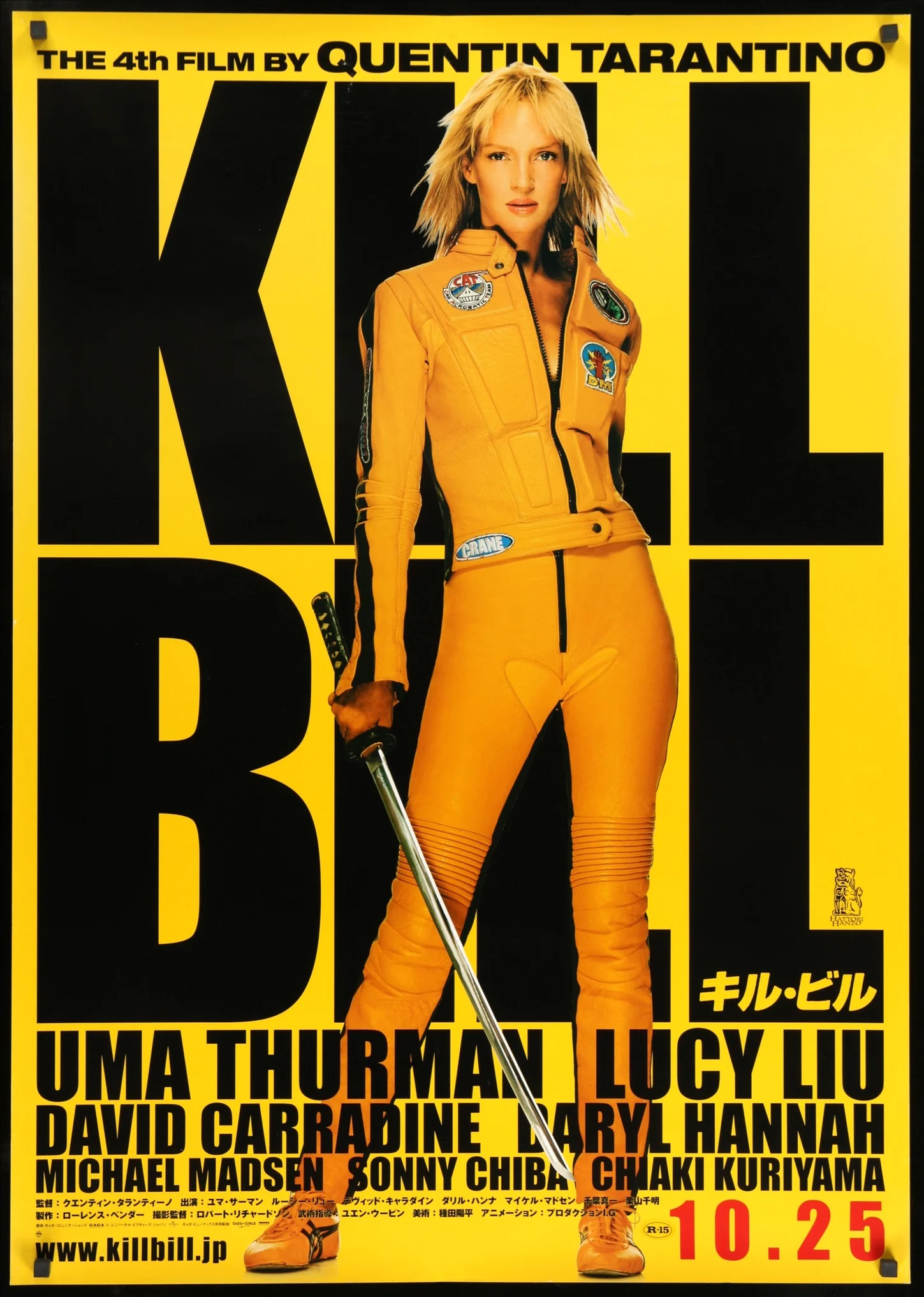
2003
Kill Bill: Volume 1
A yellow jumpsuit, a long list of enemies and one woman who refuses to be finished.
Read the retrospective
→