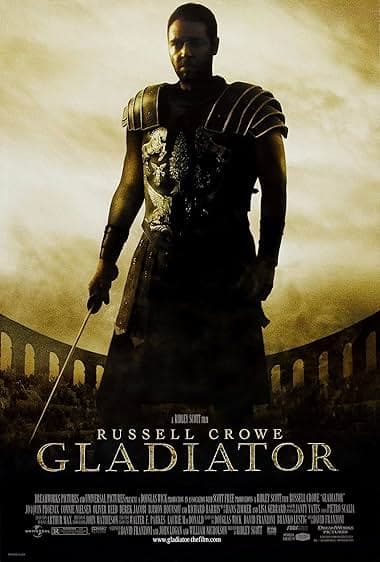
Gladiator
One soldier’s private vengeance becomes public theatre — and the arena decides who really rules.
Feature presentation
If you remember one thing about Gladiator, it’s probably Maximus: a general turned slave who refuses to stop being a man of honour. Ridley Scott’s epic turns that stubbornness into a story where personal grief collides with public spectacle, and where the games are less about entertainment than about power.
THE MOVIE
Maximus Decimus Meridius is still the reason this movie works
Gladiator hands you a central figure so simple and stubbornly clear that the film can build everything else around him. Maximus starts the picture a Roman general; by the middle he’s reduced to a slave who refuses to let go of what made him a man.
That reduction — the attempt to erase his rank and his life — is what makes the story urgent. Commodus seizes power and destroys the life Maximus wanted; what follows is a private need for reunion and retribution that soon becomes a public force because the arena answers to the crowd, not to the throne.
Ridley Scott directs, Russell Crowe plays Maximus, and the film keeps returning to the same idea: a single, driven individual whose loyalties and losses push a spectacle into politics.
THE SETUP
The idea that sets Gladiator in motion
The film’s engine is straightforward: a betrayed general, a usurping emperor and the strange democracy of the Coliseum. Maximus hides behind the Spaniard persona; he fights not to forget who he was, and the arena becomes the only route back to the men who ruined his life.
That hidden identity matters because it lets the story operate on two levels: the close, intimate business of one man trying to avenge his family, and the wide theatre of public opinion where victories become political capital.
The gladiatorial games aren’t background colour. They’re deliberately presented as public theatre that can be shaped — and exploited — by those in charge of the city.
On the credits side, the screenplay was shaped by David Franzoni, John Logan and William Nicholson, from a story by Franzoni, which gives the film its tidy, mythic through-line.
THE CHARACTER
Why Maximus Decimus Meridius matters
Maximus matters because he gives the film moral gravity. He’s not a revolutionary schemer; he’s loyal to Marcus Aurelius, grieving for his murdered family, and driven by a need to put things right in whatever small way he still can.
That personal aim — to be reunited with his wife and son and to see justice done — is what keeps the film grounded. The arena can amplify him, but it doesn’t create him.
He also carries memory into the story through his friendships. Juba, for example, keeps Maximus connected to ritual and to the idea of a life that existed before the betrayals.
Because the movie locks its perspective to someone who still values the old chain of command and ceremony, every clash with Commodus feels like more than a fight; it’s a clash of loyalties and what counts as legitimate rule.
THE PERFORMANCE
Why Russell Crowe's performance matters
There’s a practical reason the movie keeps returning to Maximus: Russell Crowe’s portrayal was singled out from the start. He won the Academy Award for Best Actor, and coverage at the time flagged his centrality to the film’s success.
That award isn’t just a trophy in the credits; it’s a reminder that contemporary observers saw the character and the performance as inseparable elements of what made the film land.
UNDER THE SURFACE
Gladiator has more on its mind than the plot suggests
At face value Gladiator is revenge melodrama: a man wants to punish those who destroyed his life. But the film keeps sliding that private urge into public questions — how much can an individual’s desire for justice upset a political order?
Honor and legitimate authority thread through the story. Maximus embodies a kind of old-fashioned duty that throws his values up against a ruler whose claim to power is gained by violence and public theatre rather than by principle.
The arena itself is patently political. Spectacle isn’t neutral; it’s a tool to shape opinion and to stabilise or destabilise power depending on who controls the games.
There’s also a quieter strand about identity and memory: Maximus’s refusal to shed who he was keeps the past alive, and that memory fuels both his private revenge and the crowd’s reaction to him.
THE LEGACY
Why Gladiator still matters
The film picked up serious industry recognition: it won five Academy Awards at the ceremony for films of 2000, including Best Picture and Best Actor.
Beyond trophies, Gladiator helped re-energise studio appetite for big ancient-world epics; its success nudged Hollywood back towards large-scale historical stories.
It has also kept a presence through retrospectives and reassessment at major institutions, which suggests it’s not simply nostalgia but continued conversation that keeps the film in circulation.
THE VERDICT
Does Gladiator still hold up?
Yes — because what the film does best is keep its stakes human. Maximus begins as a betrayed general and a grieving husband and father; the scale around him grows, but the film never loses sight of that personal engine.
The narrative cleverly uses the arena as a political shortcut: stripped of rank and sold as a gladiator, Maximus’s rise in the games becomes a way to approach the emperor and turn public favour into leverage. That blend of private revenge and public consequence is where the picture still feels smart.
Characters like Proximo — a pragmatic former gladiator who trades in spectacle — and Juba — Maximus’s friend and emotional anchor — give the film texture beyond a simple revenge plot, reminding the audience why the fights mean something to these people, not just to the crowd.
If you’re picking it up now, watch it for the mixture: a direct, emotional through-line about honour and loss, staged within a larger debate about who deserves to rule. It’s a tidy, muscular medieval-at-heart epic that still knows the difference between spectacle and substance.
Share this movie
Keep watching
More movies from the 00s
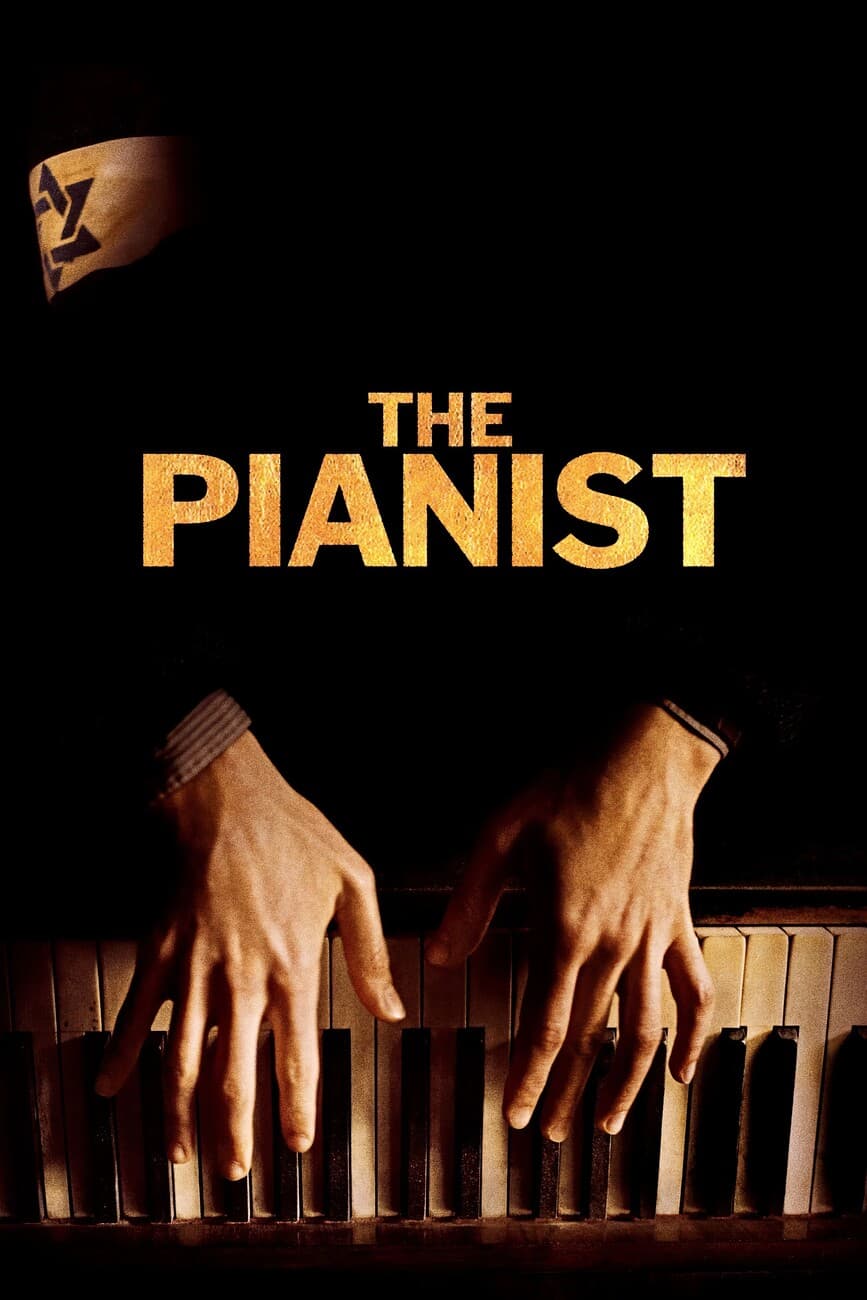
2002
The Pianist
A quiet life unmade by war — and a pianist who refuses to stop listening.
Read the retrospective
→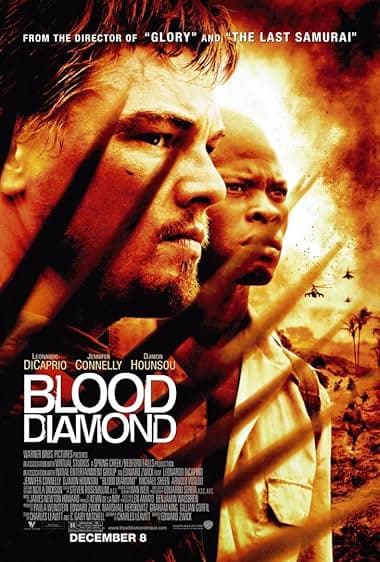
2006
Blood Diamond
A mercenary, a fisherman and a pink diamond — and a film that still asks who pays for our jewellery.
Read the retrospective
→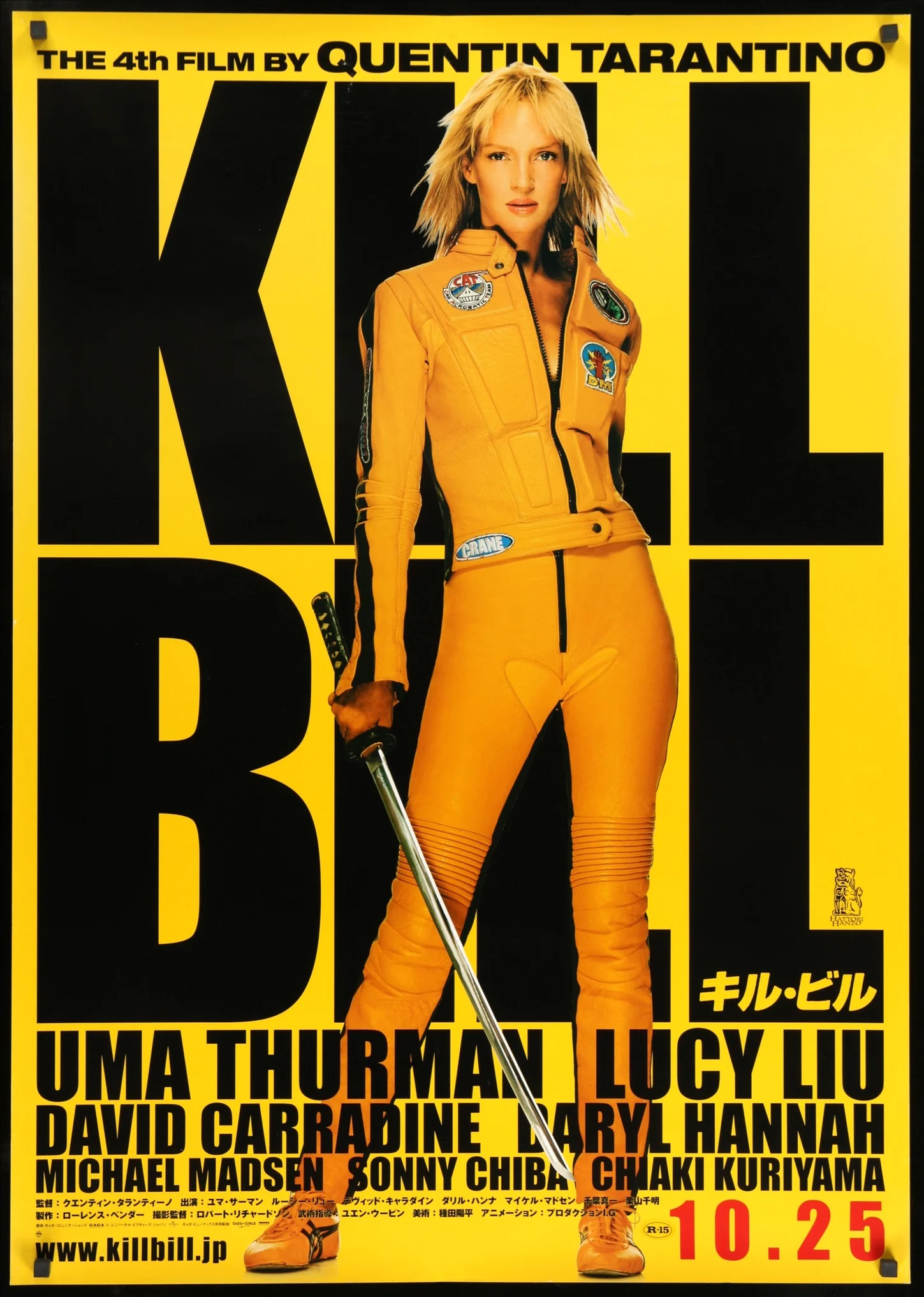
2003
Kill Bill: Volume 1
A yellow jumpsuit, a long list of enemies and one woman who refuses to be finished.
Read the retrospective
→