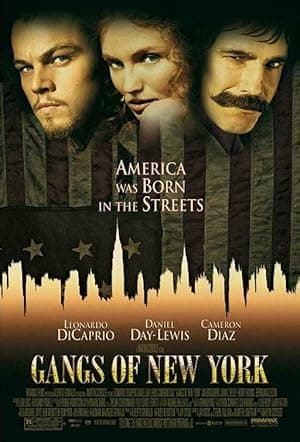
Gangs of New York
Revenge, machine politics and a city being painfully remade — all through one young man's stubborn point of view.
Feature presentation
Gangs of New York feels like a fistfight staged as a history lesson — loud, bruising and impossible to ignore. It’s Martin Scorsese wrestling with 19th-century New York: gangs, graft, and a single young man whose need for vengeance drags the city’s wider divisions into very personal conflict. If you remember the spectacle, this article is for the part you might not: Amsterdam Vallon.
THE MOVIE
Amsterdam Vallon is still the reason this movie works
What keeps Gangs of New York from being just another period set-piece is the fact that it pins a huge, noisy history to one personal story. The film dramatizes rival gang violence in Manhattan’s Five Points across the mid-19th century and pushes that conflict hard until it reaches the Draft Riots of 1863.
The match that starts everything is stark and specific: in 1846 the leader of the Dead Rabbits is killed by William ‘Bill the Butcher’, and that murder becomes the single locomotive for Amsterdam Vallon. He’s not a symbol first; he’s a son with a debt to settle and a neighbourhood to reclaim.
That tight engine — a private vendetta that runs headlong into the era’s wider fights about nativism and immigration — is what makes Scorsese’s 2002 epic feel urgent rather than simply grand. Put another way: you remember the blood and the sets, but Amsterdam is why you stay.
THE SETUP
The idea that sets Gangs of New York in motion
At its simplest, the film runs two engines at once: a private revenge plot and a wider story about who controls a city. Amsterdam wants to avenge his father and, while he’s at it, returns to try to rebuild the Dead Rabbits and challenge the local order.
That personal drive ribs into the political: the movie interweaves Amsterdam’s vendetta with the power plays of Tammany Hall and the bitter nativist-versus-immigrant conflicts of the time. Vengeance and politics don’t run parallel; they collide.
The screenplay credits (Jay Cocks, Steven Zaillian and Kenneth Lonergan) and the adaptation’s source material give the film that double pulse: a literary sweep skinned over a revenge thriller. It’s a tidy device — intimate motive inside epic machinery — and it keeps the spectacle from floating free of stakes.
THE CHARACTER
Why Amsterdam Vallon matters
Amsterdam Vallon is the movie’s emotional fulcrum. Leonardo DiCaprio plays him, yes, but what defines Amsterdam on the page is his double aim: revenge for his father’s murder and a desire to reclaim the Five Points for his community.
That combination keeps the film honest. Amsterdam isn’t merely a walking grudge; he’s a young man trying to translate private hurt into political action. That’s why his choices matter to the wider story: he’s the bridge between a family wound and the messy business of who runs the neighbourhood.
Because the film stitches big themes to a single stubborn will, Amsterdam gives the spectacle a direction. You can watch the city burn and still care where he’s standing.
THE PERFORMANCE
Why Daniel Day-Lewis's performance matters
Daniel Day-Lewis’s Bill 'The Butcher' is the magnet the film keeps circling. His portrayal received widespread critical attention and earned an Academy Award nomination for Best Actor.
That attention matters because Bill is less a background villain and more a force that defines the film’s moral gravity. Contemporary coverage treated the performance as a central talking point, and the awards recognition underlines that it was a major reason viewers and critics focused on the picture.
Put simply: the movie throws a lot at you, but Day-Lewis’s Bill provided a focal point critics and awards bodies repeatedly returned to when discussing the film.
UNDER THE SURFACE
Gangs of New York has more on its mind than the plot suggests
Beneath the knives and the brawls are four persistent ideas. First: nativism versus immigration — the film places anti-immigrant violence at the heart of its conflict and makes that tension a living, dangerous backdrop.
Second is political corruption and machine politics. The world Amsterdam returns to is not merely lawless; it’s threaded into city power structures, where votes and muscle trade in the same currency.
Third: revenge and identity. Amsterdam’s personal quest isn’t sidelined by the history; it’s how the film examines identity — who you are when your community is under threat. Finally, there’s urban modernity: Gangs of New York is about a city in the act of being remade, and that remaking is violent and political, not merely architectural.
THE FILMMAKING
How Gangs of New York was put together
A lot of the film’s personality comes from how materially it was built. Production designer Dante Ferretti constructed an extensive, multi-block recreation of mid-19th-century New York on Cinecittà’s backlot — full-size ships and a harbour included — so the movie carries a physical weight that only big sets can give.
Scorsese worked with Michael Ballhaus as director of photography and Thelma Schoonmaker in the cutting room; the collaborators even cited Rembrandt-like lighting ideas when shaping the visual palette. That’s not name-dropping — it’s a clue to the film’s deliberately painterly look.
Post-production and the release schedule were also complicated: the editing, the additional photography and sensitivities around the period immediately following September 11th affected the film’s final shaping and timing.
PRACTICAL EFFECTS
The effects work that gives Gangs of New York its physical personality
The film married big physical construction with heavyweight digital help. Industrial Light & Magic carried significant visual-effects work through late post-production, but the production also chose to build full-size ships and a recreated harbour on the Cinecittà backlot rather than rely exclusively on screens.
Those choices mean the movie’s chaos often reads as tactile: extras, set pieces and physical props are doing a lot of the storytelling. Small, specific touches also add to that feel — like the fact that Daniel Day-Lewis wore a glass contact lens with a painted pupil for Bill’s glass-eye prop, and that he spent time apprenticing with a butcher to prepare for the role.
PURE 00s
Gangs of New York could not belong to any other decade
The movie wears its early-2000s origins in its financing and partnerships. This was a long-gestating passion project for Scorsese that finally cleared the production gates thanks to Miramax financing and international pre-sales — a very 00s way for a prestige epic to get made.
Gangs of New York also marks Scorsese’s first feature collaboration with Leonardo DiCaprio, the beginning of a director–star partnership that would become a defining thread of the decade in Scorsese’s filmography.
Released in 2002, it sits at an intersection: big-studio ambition, arthouse pedigree and the era’s appetite for directors tackling history on blockbuster scales.
THE LEGACY
Why Gangs of New York still matters
The film arrived with awards heat: it received ten Academy Award nominations (including Best Picture, Best Director and Best Actor) but did not win at the 75th Academy Awards. That level of recognition keeps it in the awards conversation even now.
It did pick up Golden Globes: Best Director for Scorsese and Best Original Song. Those wins remind you that the film was treated as a serious, attention-grabbing attempt at something grand.
Beyond trophies, Gangs of New York launched the Scorsese–DiCaprio collaboration that would define several of the director’s projects in the following decade. That working relationship is part of its continuing relevance.
Finally, the production’s large-scale physical recreation of the Five Points and the way it mixes spectacle with history have made the film a frequent subject in discussions about how cinema stages the past — critics and academics keep returning to its bold blend of showmanship and historical drama.
THE VERDICT
Does Gangs of New York still hold up?
Yes — with a caveat. If your patience runs thin for a long, sometimes noisy epic, this might feel overstuffed: it runs 168 minutes and pulls in both a personal revenge tale and the messy politics of a changing city. But those two things are precisely why it’s worth the time.
The film dramatises rival gang violence in Five Points and culminates in the Draft Riots, but none of that spectacle is filler: Amsterdam’s path — driven by his father’s murder and his attempt to rebuild the Dead Rabbits to challenge Bill’s control — gives the chaos a human gearbox. That private revenge arc is intertwined with the political power plays of Tammany Hall and the era’s anti-immigrant violence, so the fights feel consequential, not just decorative.
Daniel Day-Lewis’s Bill is the piece critics most often singled out (his portrayal earned major awards attention and an Academy Award nomination), and contemporary reaction noted that while Day-Lewis stood out, responses to other principal performances were more mixed. Take from that what you will: the film contains a performance that anchors the picture and other elements that divide viewers.
If you care about a film that stages ideological conflict as physical struggle, about a city being remade by violence and votes, and about a teenage son-turned-man trying to translate personal loss into political action, Gangs of New York still plays. Watch it for Amsterdam’s stubborn engine and for how Scorsese turns history into a very human, and very bloody, argument.
Share this movie
Keep watching
More movies from the 00s
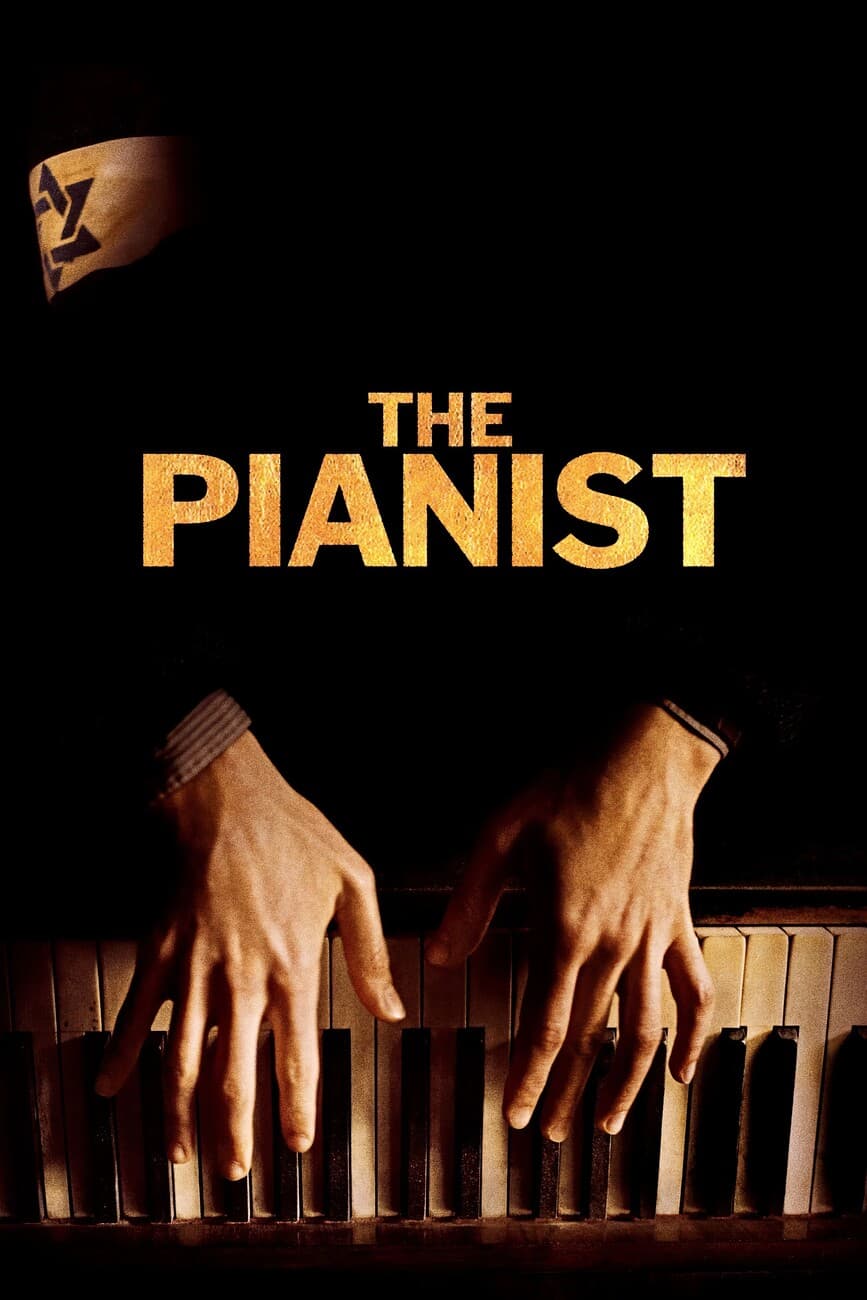
2002
The Pianist
A quiet life unmade by war — and a pianist who refuses to stop listening.
Read the retrospective
→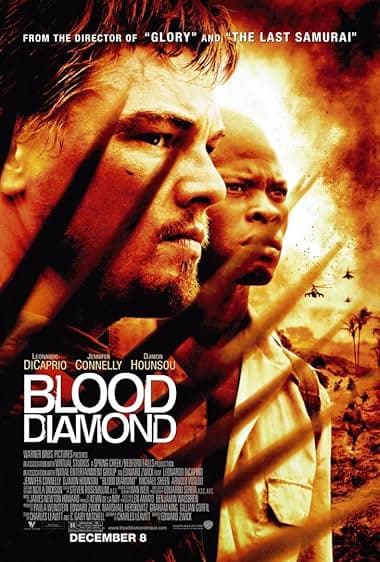
2006
Blood Diamond
A mercenary, a fisherman and a pink diamond — and a film that still asks who pays for our jewellery.
Read the retrospective
→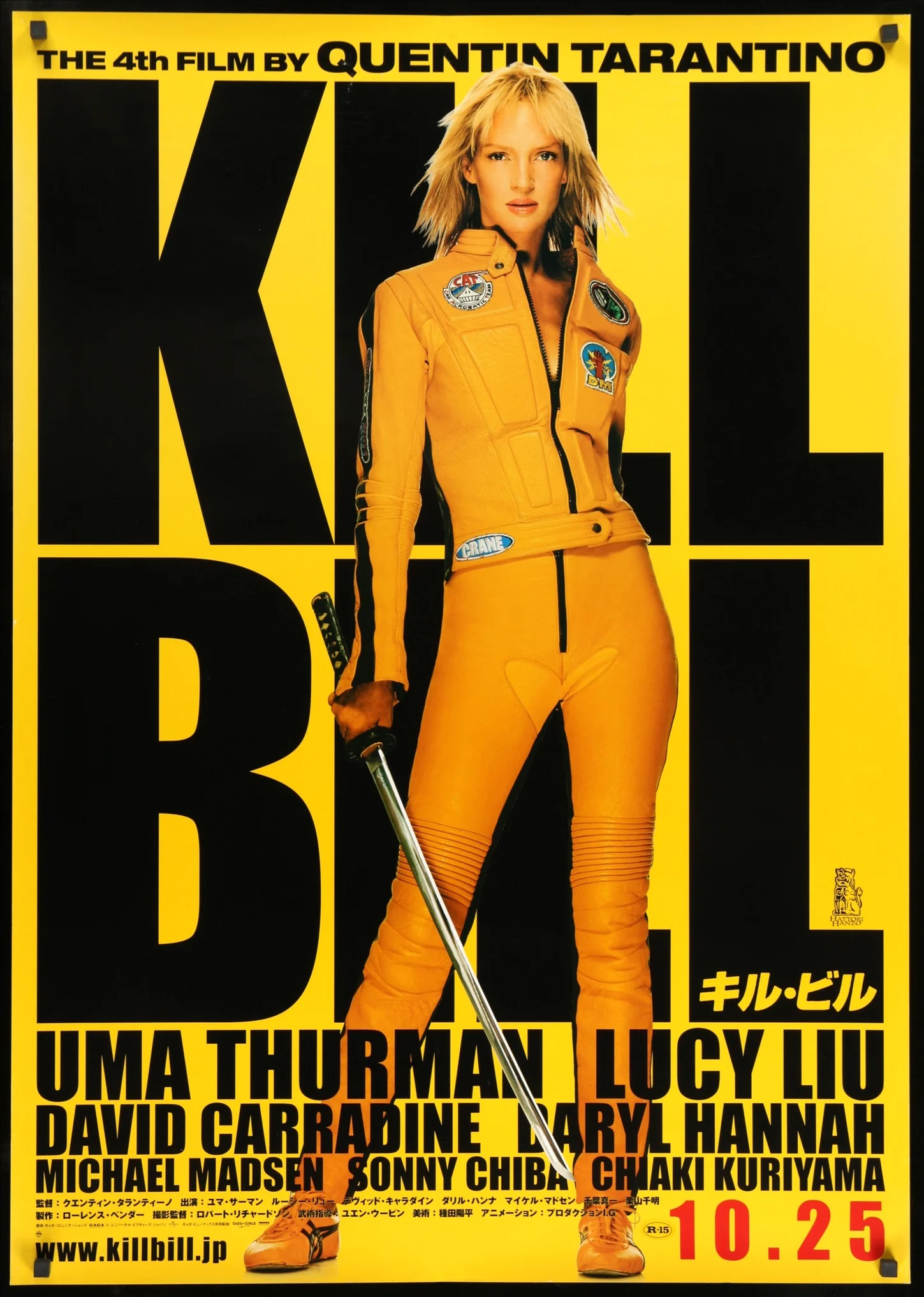
2003
Kill Bill: Volume 1
A yellow jumpsuit, a long list of enemies and one woman who refuses to be finished.
Read the retrospective
→