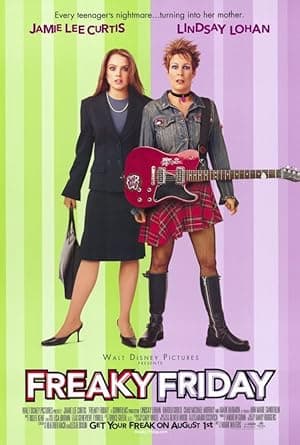
Freaky Friday
A body-swap comedy that quietly hinges on a mother learning to stop micromanaging and start listening.
Feature presentation
Freaky Friday still lands because it makes Tess Coleman unavoidable. The movie dresses up a familiar body-swap gag in pop-punk and wedding chaos, but what keeps it moving is the way a busy mum and her sulky teen are forced to trade stubbornness for insight. It’s a neat little machine of empathy masquerading as family entertainment.
THE MOVIE
Tess Coleman is still the reason this movie works
Freaky Friday begins with a setup you could describe in a sentence: a widowed, high-profile psychotherapist and author, Tess Coleman, and her 15-year-old daughter Anna wake up in each other’s bodies after a brief moment of onscreen mystic mayhem.
That premise would be serviceable on its own, but the film keeps returning to Tess — the overbooked, control-minded parent who has accidentally trained her daughter to resent good organisation. Casting Jamie Lee Curtis as Tess means the film always has a firm centre to pivot from; Lindsay Lohan plays the daughter whose life includes a punkish garage band called Pink Slip, and together they make the swap feel urgent rather than just gimmicky.
Directed by Mark Waters and running under a brisk 100 minutes, the film markets itself as a family comedy with a fantastical twist. But what people still notice about Freaky Friday is less its mysticism and more the bookends the swap builds around: family fights that turn into grudging understanding, and the small practical mysteries of another person’s day.
THE SETUP
The idea that sets Freaky Friday in motion
At its simplest, the movie is a role-reversal exercise: Tess finds herself dealing with high school and a band, while Anna wakes up having to handle her mother’s career, the house and an imminent wedding. That swap splits the film neatly into two halves of comic problems and escalating stakes.
The script gives the swap real consequences. Tess-in-Anna must perform with Pink Slip and pretend to be a moody teenager; Anna-in-Tess has to meet professional obligations and manage family logistics. Those mismatched obligations create small crises that the movie resolves without needing an extravagant plot twist.
Two ticking clocks keep the audience engaged: Tess’s impending marriage and Anna’s public life in the band. Having public performances as narrative beats means the swap’s fallout plays out in front of other people — which is far funnier than if the chaos stayed private.
The screenplay is credited to Heather Hach and Leslie Dixon and adapts Mary Rodgers’s novel into a compact family comedy that frames the swap around everyday responsibilities rather than metaphysical puzzles.
THE CHARACTER
Why Tess Coleman matters
Tess is not merely a vehicle for jokes about teenagers; she’s an overbooked, career-successful single mother whose need for control has calcified into a kind of blindness to ordinary teen life. That setup makes her swap with Anna feel like a penance and an education rolled into one.
The movie deliberately stages Tess learning through the banalities of Anna’s day — the tiny humiliations, the social codes, the band rehearsals — so that empathy isn’t sudden insight but a series of small reveals. Watching Tess encounter those details is the film’s emotional shorthand for ‘walk a mile in someone else’s trainers’.
Framed as a family film, Tess’s stubbornness and gradual change are what give the comedy weight: the story uses her to dramatize forgiveness, recognition and repair without getting sentimental.
Because the conflict revolves around Tess’s impending wedding and her busy professional life, she’s never an abstract parental figure. She’s the practical obstacle and the person who must ultimately be understood, which is why the film keeps returning to her choices.
THE PERFORMANCE
Why Jamie Lee Curtis's performance matters
Contemporary notices singled out Jamie Lee Curtis (alongside Lindsay Lohan) for how their chemistry and timing made the premise feel playful rather than flat. The pair’s interaction lets the film sell the emotional shift without having to slow down for long speeches.
That praise matters here because the movie’s emotional transactions depend on believable give-and-take. If the leads hadn’t landed that dynamic, the body-swap would have stayed a novelty instead of becoming the engine for the relationship repair.
Curtis’s casting anchors Tess in a recognisable adult space — the successful, busy parent — which makes her forced fumbling through teenage life one of the film’s most enjoyable pleasures.
Put simply: the movie needs the audience to accept Tess’s vulnerability, and the contemporary response suggests the casting helped do precisely that.
UNDER THE SURFACE
Freaky Friday has more on its mind than the plot suggests
On paper it’s a body-swap comedy; in practice the film is chiefly interested in mother–daughter empathy. The whole narrative is a device to force perspective-taking: both women must live small, ordinary compromises they’d previously dismissed.
There’s also a clear comment on the generation gap. The movie isn’t trying to indict one side; instead it shows cultural fluency as practical knowledge — the things adults don’t know about teens and the things teens don’t know about grown-up responsibilities.
Identity and role reversal are presented as tools for family repair. By temporarily adopting each other’s lives, Tess and Anna learn what their annoyance really covers: fear, pressure and, eventually, the basics of forgiveness.
And yes, teen ambition and music matter too — Pink Slip gives Anna public stakes and a creative outlet, so the swap affects both private misunderstandings and visible, performance-driven anxieties.
THE FILMMAKING
How Freaky Friday was put together
The technical credits point to a broadly professional studio approach: Oliver Wood is listed as director of photography and Bruce Green as editor, names that suggest the film was built to move briskly and clearly between comic set pieces.
Production design and costuming do the necessary work of updating a 1970s novel for an early-2000s suburban, pop-culture setting. Those choices keep the swap grounded in a recognisable world rather than forcing the audience to make allowance for period translation.
Mark Waters’s direction leans into accessibility — the film favours clarity of situation and comic beats over obtuse flourishes, which is exactly what a family fantasy-comedy needs.
All of these elements combine to keep the swap functioning as an engine for character beats rather than as a puzzle the viewer must solve.
PURE 00s
Freaky Friday could not belong to any other decade
The 2003 remake sits squarely in a wave of early-2000s Disney pictures that leaned on female-led, family-friendly comedies. That era liked stories where a single strong premise — a swapped life, a hidden identity — could do the heavy lifting for both laughs and sentiment.
Updating the source material with a pop-punk/garage band element and a contemporary pop-rock soundtrack was an explicitly 00s move. Giving Anna a band, Pink Slip, plugged the story into the teenage pop culture of the time and made performance moments a natural narrative device.
This film was also part of Mark Waters’s early studio run; it directly preceded his 2004 work on Mean Girls and featured Lindsay Lohan in another lead role, which ties Freaky Friday into a particular strand of early-2000s teen mainstream cinema.
Released in 2003 under the Disney banner, the movie feels of its moment because it blends family values with a pop-music gloss that the studio favoured at the time.
WATCHING IT NOW
What has aged — and what hasn't
As a family film, much of Freaky Friday’s core still functions: the themes of family, forgiveness and learning about someone else’s pressures are timeless. The emotional spine — two people discovering the daily realities that shaped their behaviour — doesn’t depend on trendy flourishes.
Anna’s role as a guitarist and singer in Pink Slip gives the film a tangible axis of teenage ambition that still reads today. Public-performance stakes are a neat narrative device because they translate across generations: humiliation and triumph on stage are easy to sympathise with.
The supernatural swap itself remains lightly explained, presented as a small mystical incident rather than something the film attempts to rationalise. That choice keeps the focus on consequences instead of mechanics, which helps the movie hold up because it avoids unnecessary world-building.
Practically speaking, the movie’s neat focus on interpersonal consequences — work, family and social obligations, plus the impending wedding — keeps it compact. Those are human pressures viewers still recognise, which makes the film easy to revisit.
THE LEGACY
Why Freaky Friday still matters
Jamie Lee Curtis received a Golden Globe nomination for her work on the film, an acknowledgment that the movie’s approach to its central relationship was taken seriously at the time.
On the music front, Rolfe Kent won a BMI Film Music Award for the score, and the soundtrack — which includes Lindsay Lohan’s end-credits pop track 'Ultimate' — remained a visible part of the franchise’s later coverage.
The film also helped reinforce Mark Waters’s commercial profile; its proximity to Mean Girls in his filmography makes Freaky Friday feel like the warm-up that led to a sharper satirical follow-up.
Taken together, those threads explain why the movie still turns up in conversations: it’s recognised for its performances, its music and the tidy way it sits inside a particular moment in studio filmmaking.
THE VERDICT
Does Freaky Friday still hold up?
Yes — with a caveat. If you come for a breezy family comedy about a mystic swap, Freaky Friday delivers: a compact 97-minute runtime, a clear premise and a handful of public set pieces (band shows, wedding prep) that keep the stakes visible and entertaining.
The film’s smartest move is refusing to let the swap be only a joke. Tess and Anna’s forced inhabitation of each other’s routines is explicitly used to generate empathy; the movie repeatedly shows small discoveries that alter how they treat one another. That emotional currency still reads.
Contemporary reviewers singled out the leads for good reason — the chemistry between Jamie Lee Curtis and Lindsay Lohan keeps the relationship believable and the comic beats landing — and those strengths matter more than any dated 00s touches.
If you want family-friendly, character-driven entertainment that values perspective over spectacle, Freaky Friday is still worth a watch. It doesn’t pretend the swap explains everything, but it does use the swap to make two people finally hear one another.
Share this movie
Keep watching
More movies from the 00s
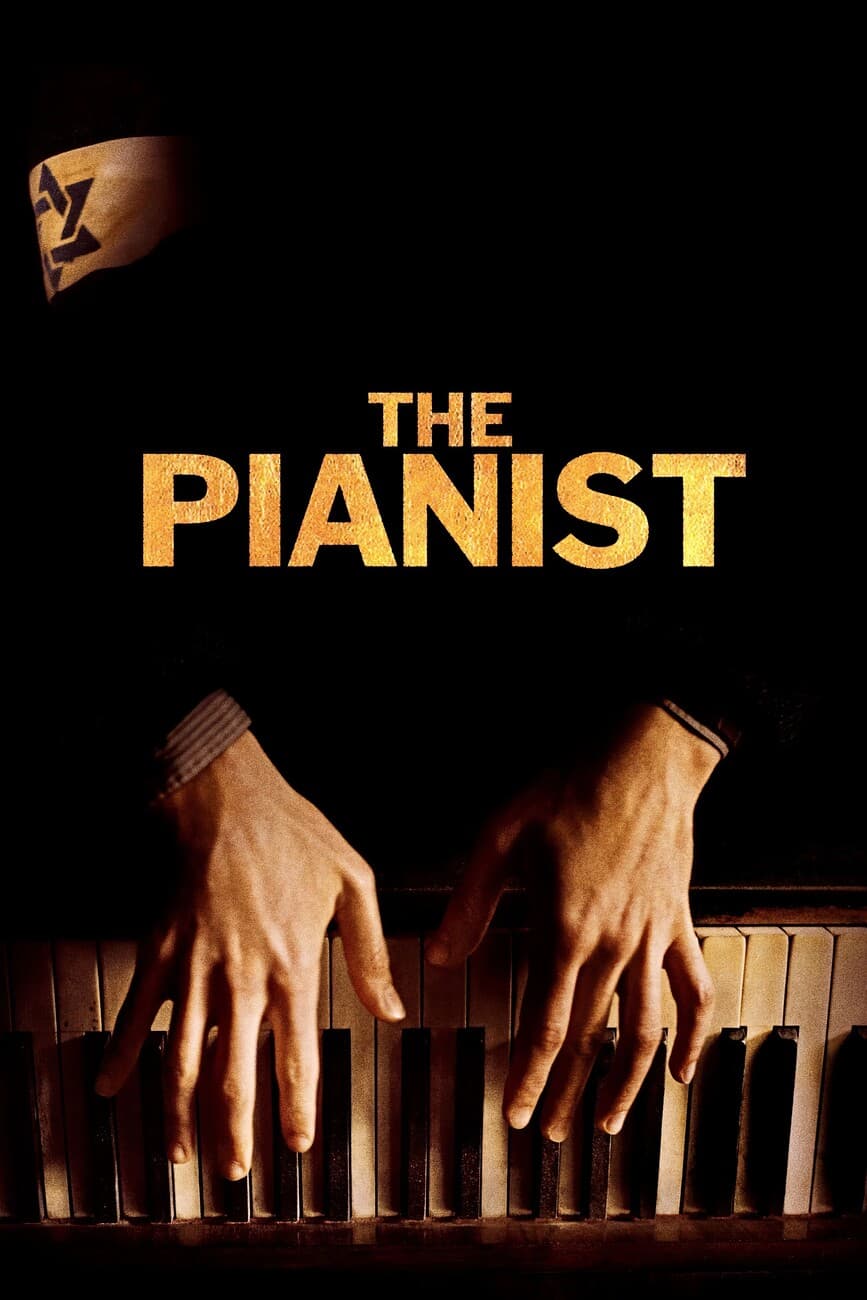
2002
The Pianist
A quiet life unmade by war — and a pianist who refuses to stop listening.
Read the retrospective
→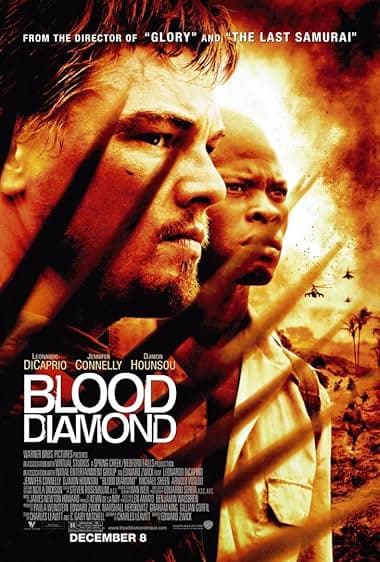
2006
Blood Diamond
A mercenary, a fisherman and a pink diamond — and a film that still asks who pays for our jewellery.
Read the retrospective
→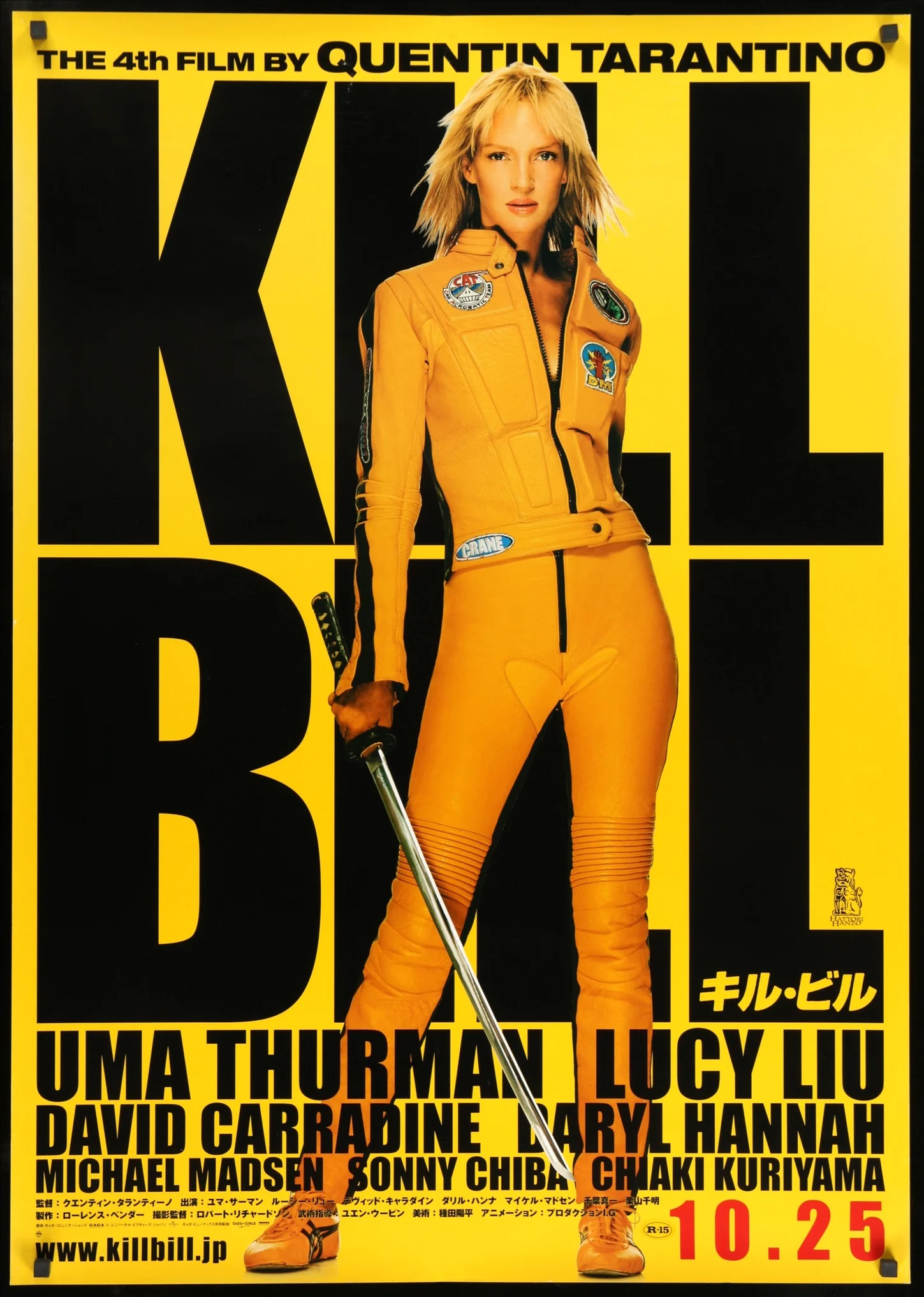
2003
Kill Bill: Volume 1
A yellow jumpsuit, a long list of enemies and one woman who refuses to be finished.
Read the retrospective
→